
The River Loire at Nevers — History & Facts
What if silence could speak through light? In The River Loire at Nevers, a haunting stillness envelops the canvas, evoking a palpable sense of fear intertwined with the beauty of nature. Focus first on the shimmering water that glimmers under the soft touch of diffused sunlight. Notice how the artist captures the tranquil surface of the river, as it reflects the muted colors of the sky — a delicate interplay of blues, greens, and soft grays. Look to the left, where wispy trees stand like sentinels, their branches almost merging with the clouds, creating a feeling of concealment and mystery.
The composition is masterful: the river draws the eye into the distance, inviting contemplation while simultaneously hinting at the unknown beyond the horizon. The emotional tension in this piece lies in the quiet juxtaposition of serenity and dread. The calm waters suggest a moment of peace, yet the looming shadows in the foliage evoke an unsettling feeling, as if nature itself is holding its breath. The contrast between light and dark is not merely aesthetic but resonates with an underlying sense of fear — fear of the unseen, of what may lurk just beyond the banks of the river.
Each brushstroke serves as a reminder of nature’s duality: beautiful yet unforgiving. In 1901, Henri-Joseph Harpignies was working in France, a time marked by the Impressionist movement that had significantly influenced his style. He sought to capture the essence of landscapes through light and color, exploring the relationship between nature and emotion. This work reflects his mastery in rendering the delicate balance of tranquility and unease, showcasing his ability to evoke powerful narratives within serene settings.
More Artworks by Henri-Joseph Harpignies
Browse all →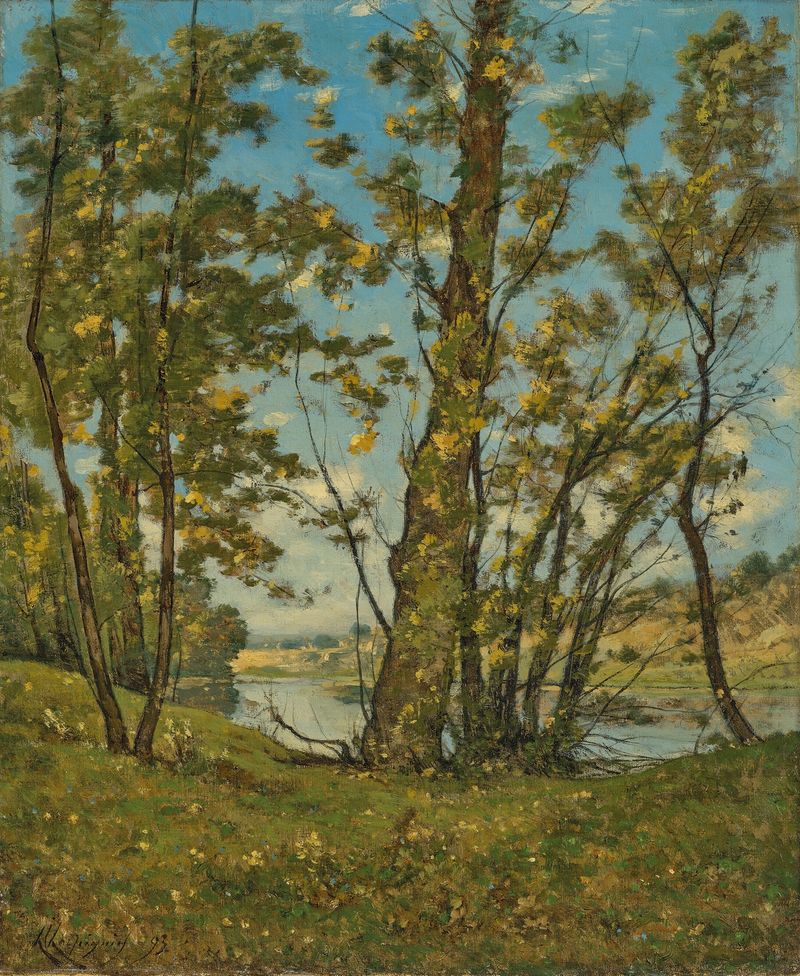
La Loire à Bonny
Henri-Joseph Harpignies
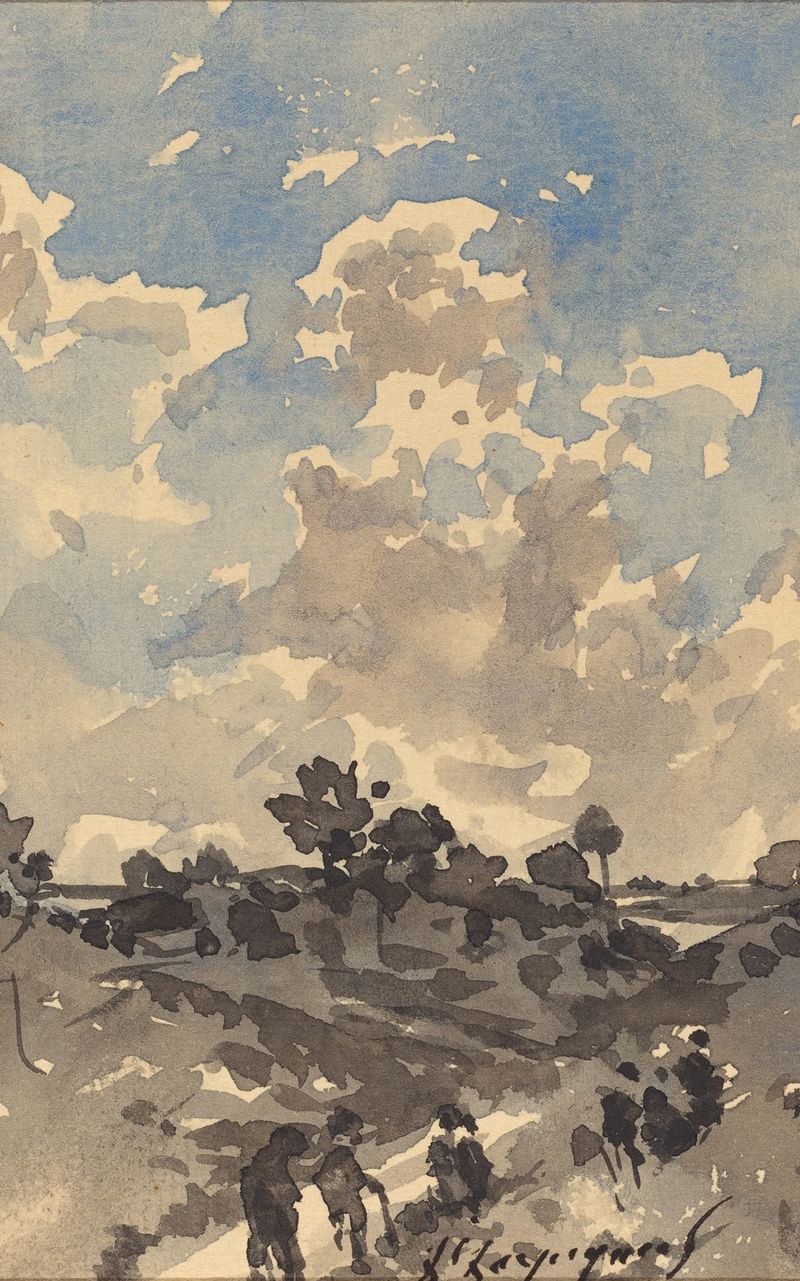
A Landscape with Figures Walking along a Path
Henri-Joseph Harpignies
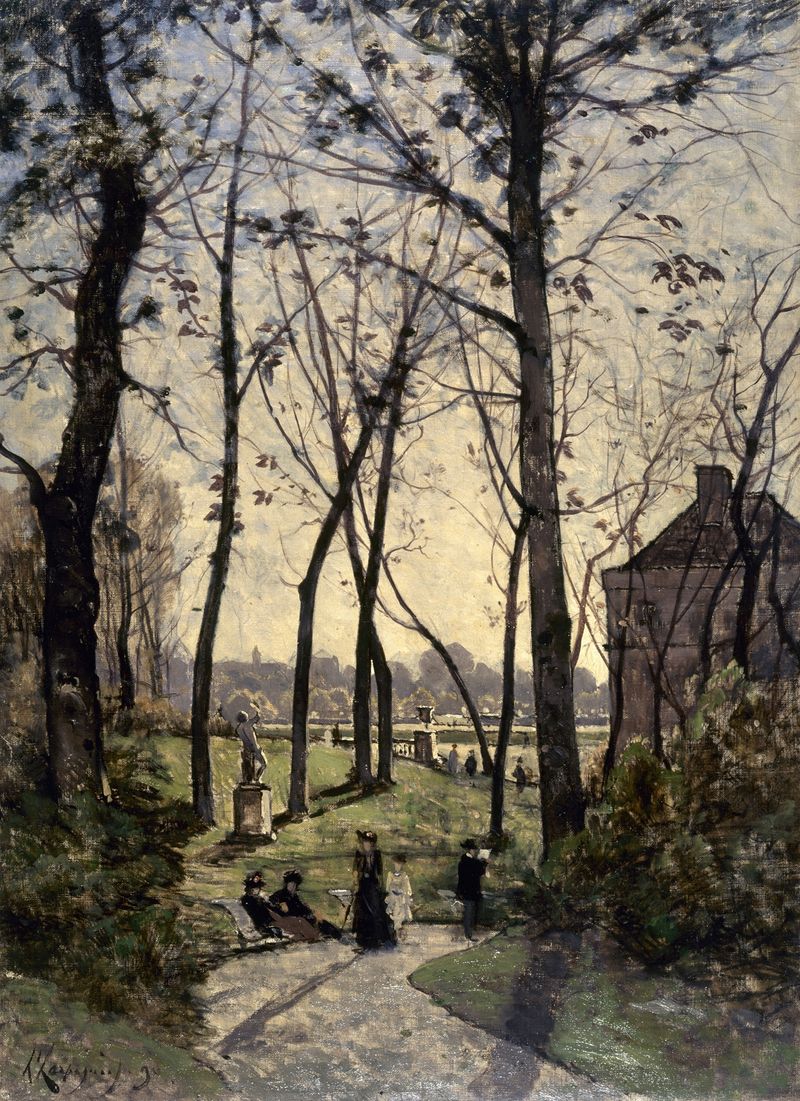
Le jardin du Luxembourg
Henri-Joseph Harpignies
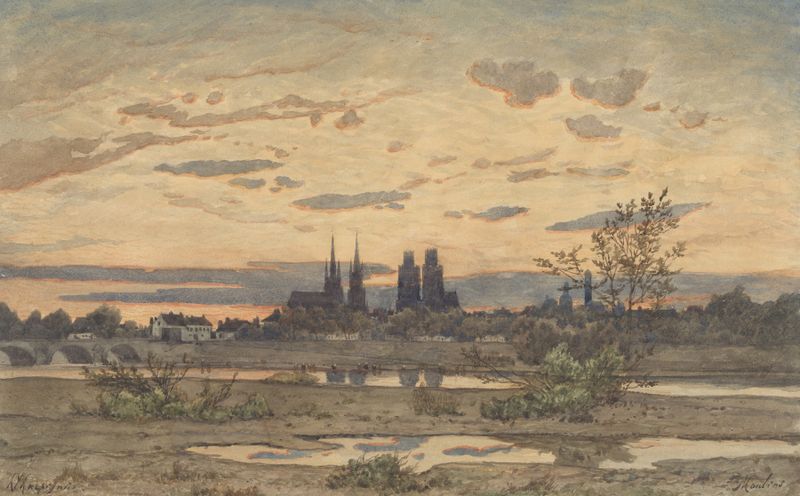
A View of Moulins
Henri-Joseph Harpignies
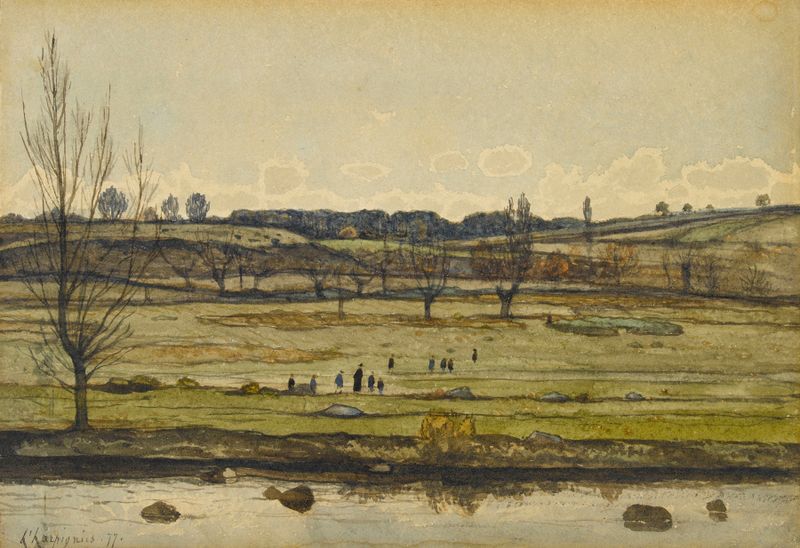
Paysage
Henri-Joseph Harpignies
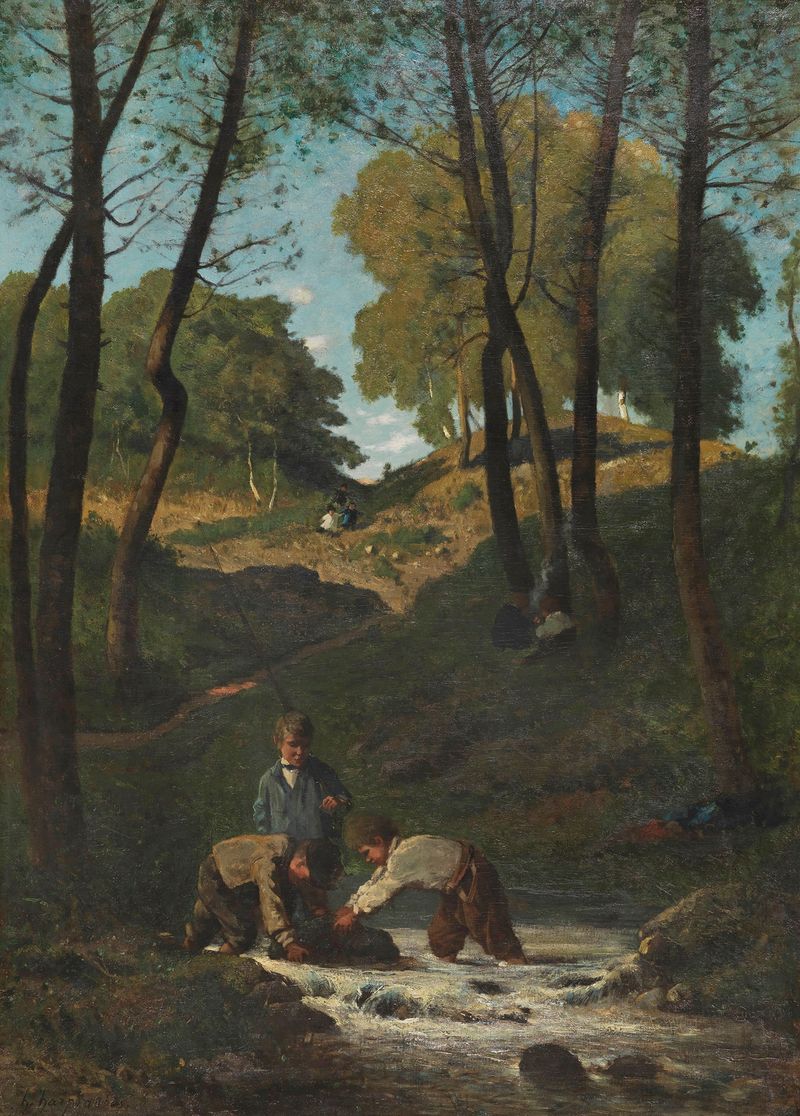
Chercheurs d’écrevisses
Henri-Joseph Harpignies
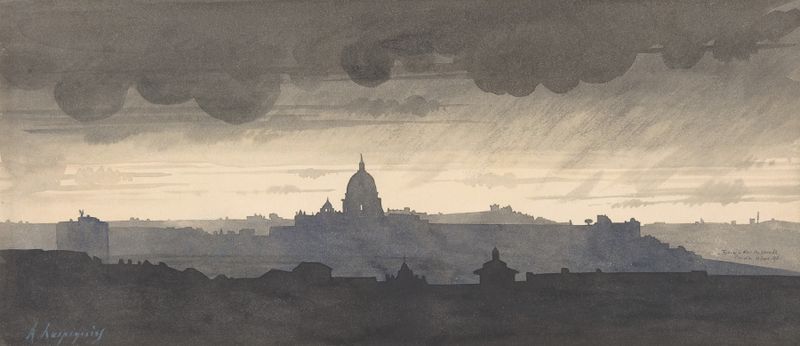
Saint Peter’s Seen From the Pincio, Rome
Henri-Joseph Harpignies
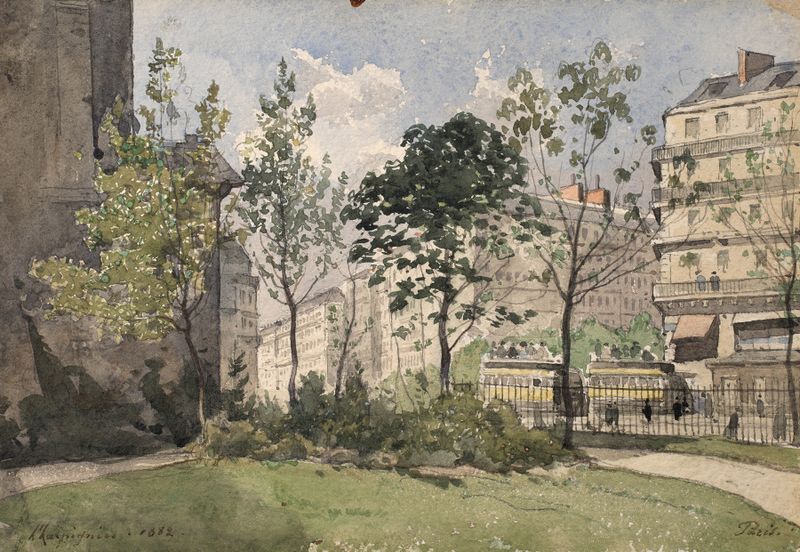
View of the forecourt of the Saint-Germain-des-Prés church
Henri-Joseph Harpignies
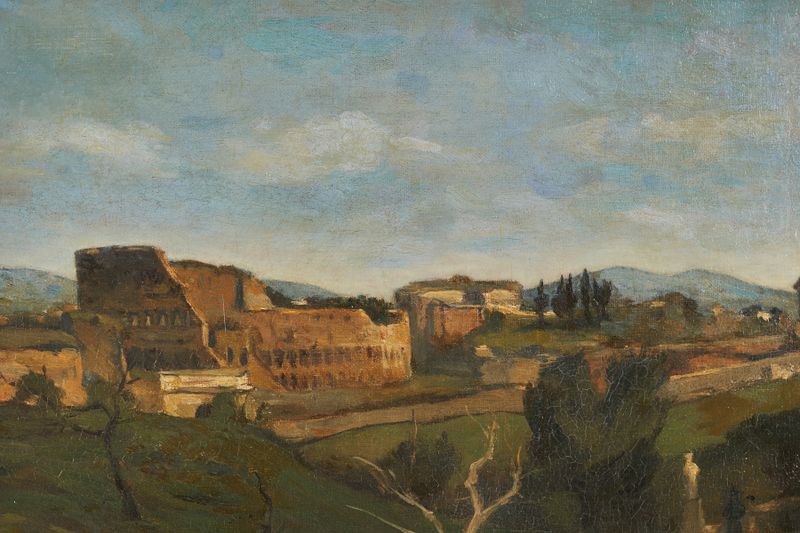
Le Colisée à Rome
Henri-Joseph Harpignies

Villefranche
Henri-Joseph Harpignies





