
The Robbery — History & Facts
What secret hides in the quiet of the canvas? In The Robbery, the tension of decay lingers just beneath the surface, inviting the viewer to ponder the fragility of life and the shadowy underbelly of human greed. Look to the left at the fallen figure, draped in muted earth tones that blend seamlessly with the surrounding landscape. The somber palette evokes a sense of melancholy, while the soft light filtering through the trees casts intricate shadows, enhancing the depth of the scene. Notice how the gestures of the other figures, frozen in their desperate actions, convey a palpable sense of chaos—a slice of life caught in a moment of desperation and morality blurred. Hidden beneath the surface are themes of vulnerability and the passage of time.
The contrast between the lush foliage and the stark reality of the robbery points to the inevitable decay of not just material wealth but also human dignity. Each detail—from the ripped fabric of the victim’s clothing to the tension in the criminals’ postures—reflects a deeper commentary on societal decay, where trust and safety are overshadowed by avarice. In 1616, van de Velde painted this work amidst a flourishing yet tumultuous art scene in the Netherlands, where the Baroque was emerging, celebrating both beauty and realism. During this period, the artist explored themes of daily life, often infused with darker narratives that hinted at moral lessons.
The socio-political climate of the time, marked by conflict and economic strife, undoubtedly influenced his portrayal of crime and consequence within this vivid tableau.
More Artworks by Esaias van de Velde
Browse all →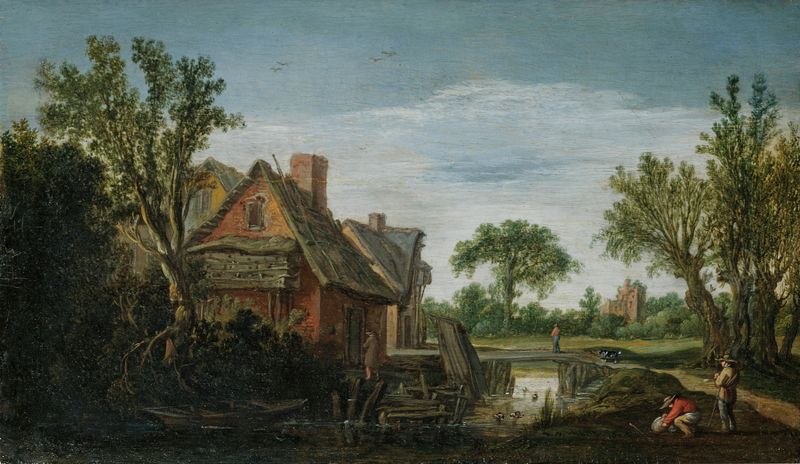
The Hague A Wooded River Landscape With Figures On A Path On A River Bank Beside A Village, A Bridge Beyond
Esaias van de Velde
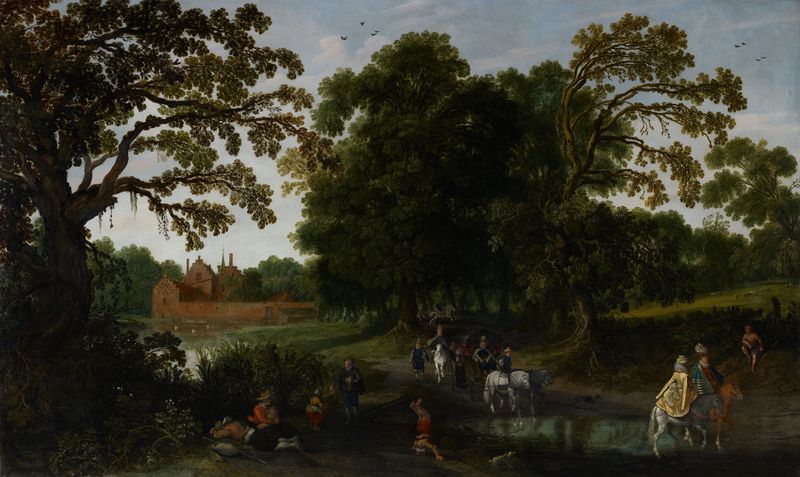
Courtly Procession before Abstpoel Castle
Esaias van de Velde
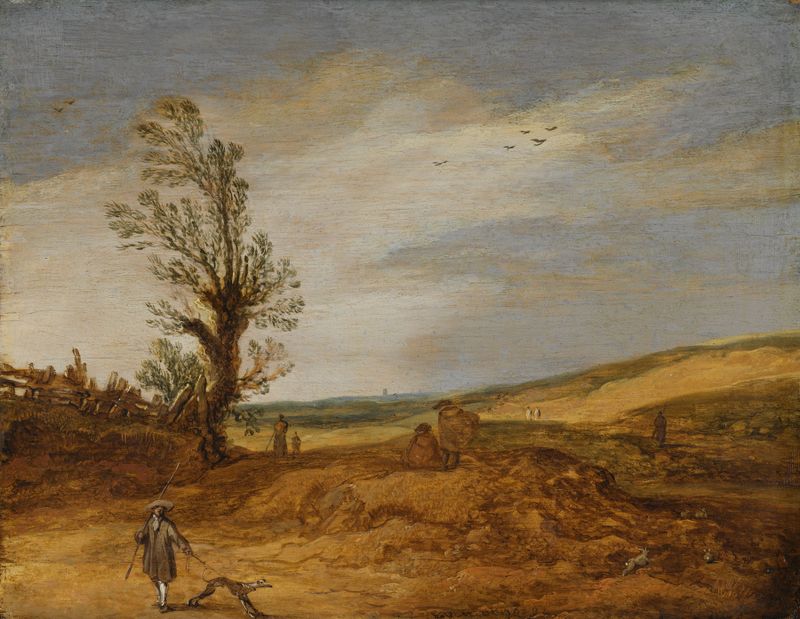
A View in the Dunes
Esaias van de Velde
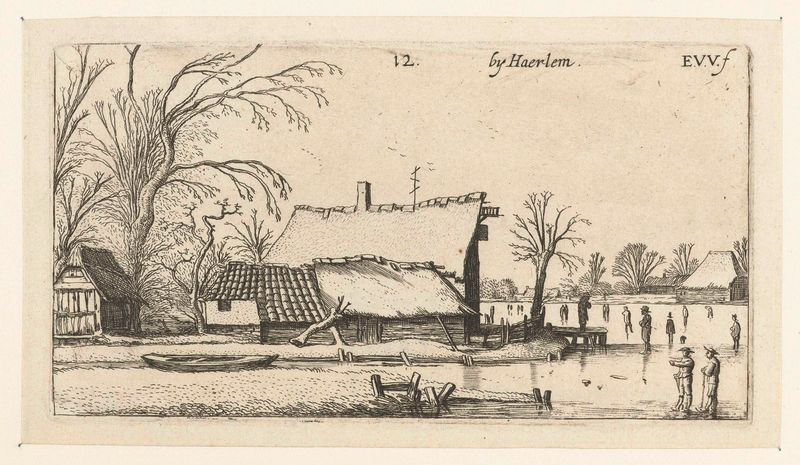
Boerderij bij een bevroren rivier met schaatsers
Esaias van de Velde
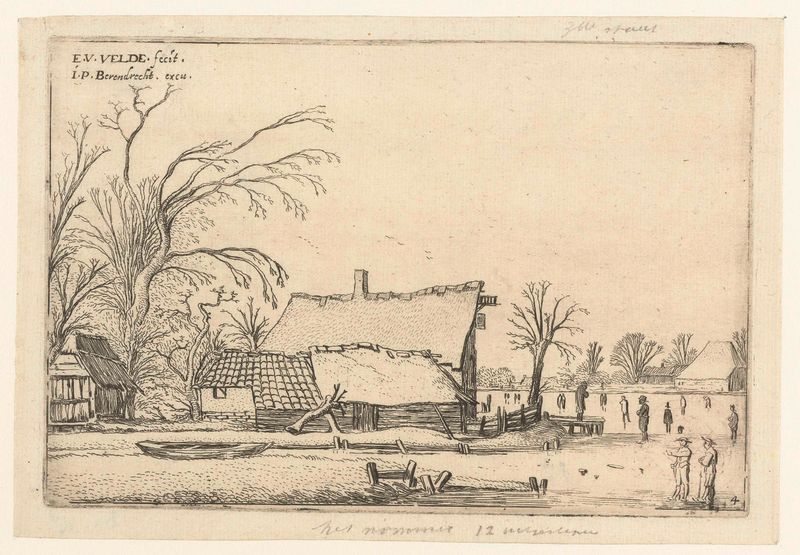
Boerderij bij een bevroren rivier met schaatsers
Esaias van de Velde
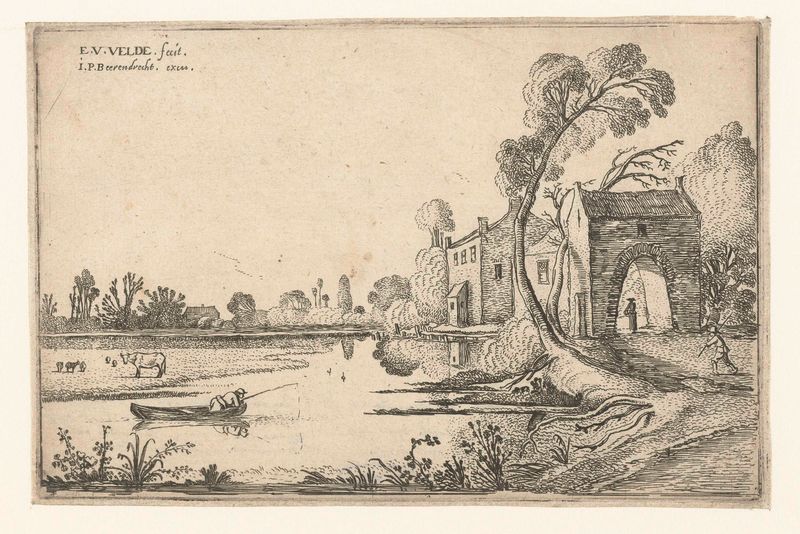
Landschap met rivier en poortgebouw
Esaias van de Velde
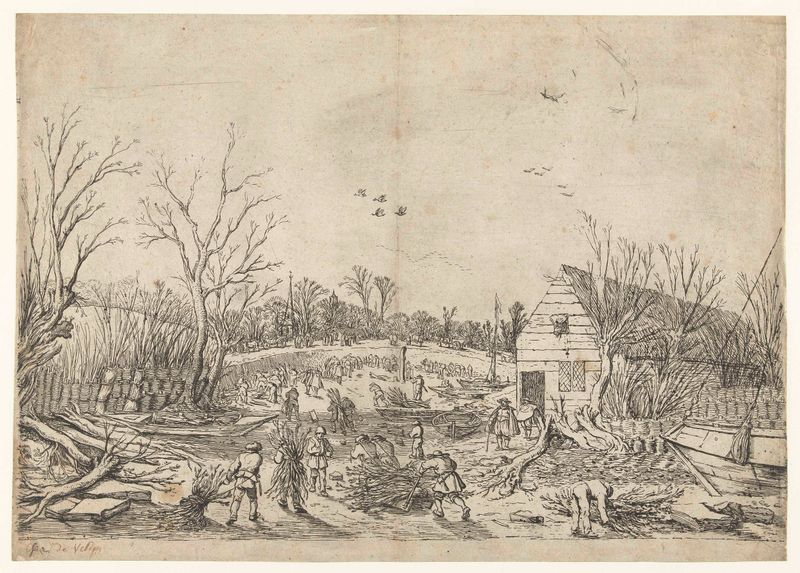
Herstelwerkzaamheden aan de doorgebroken Lekdijk bij 't Waal
Esaias van de Velde
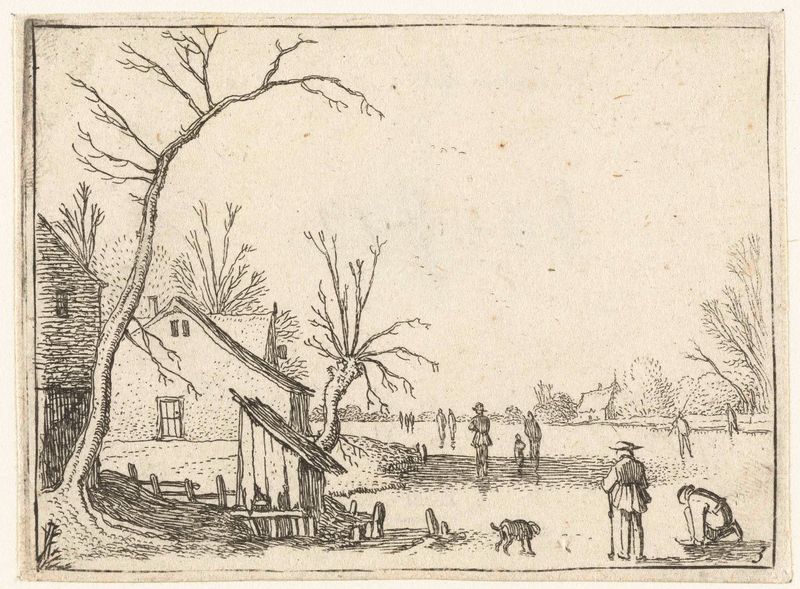
Boerderij bij bevroren rivier en schaatsers op het ijs
Esaias van de Velde
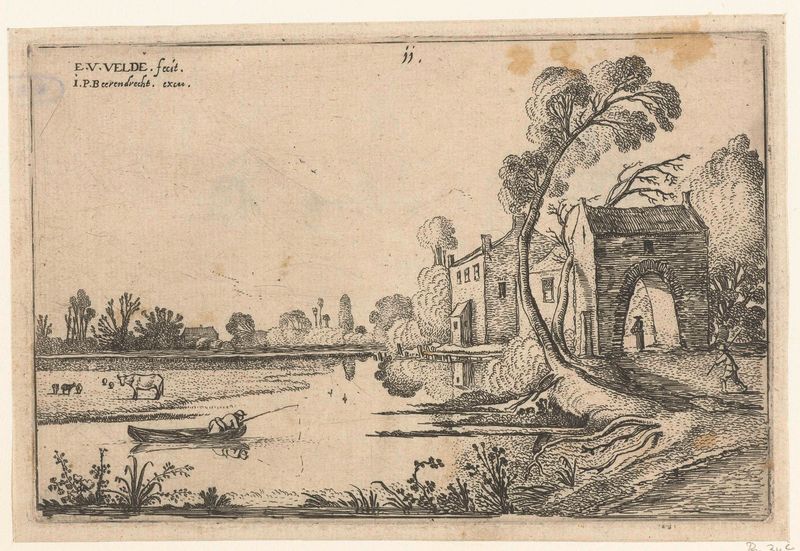
Landschap met een rivier en poortgebouw
Esaias van de Velde
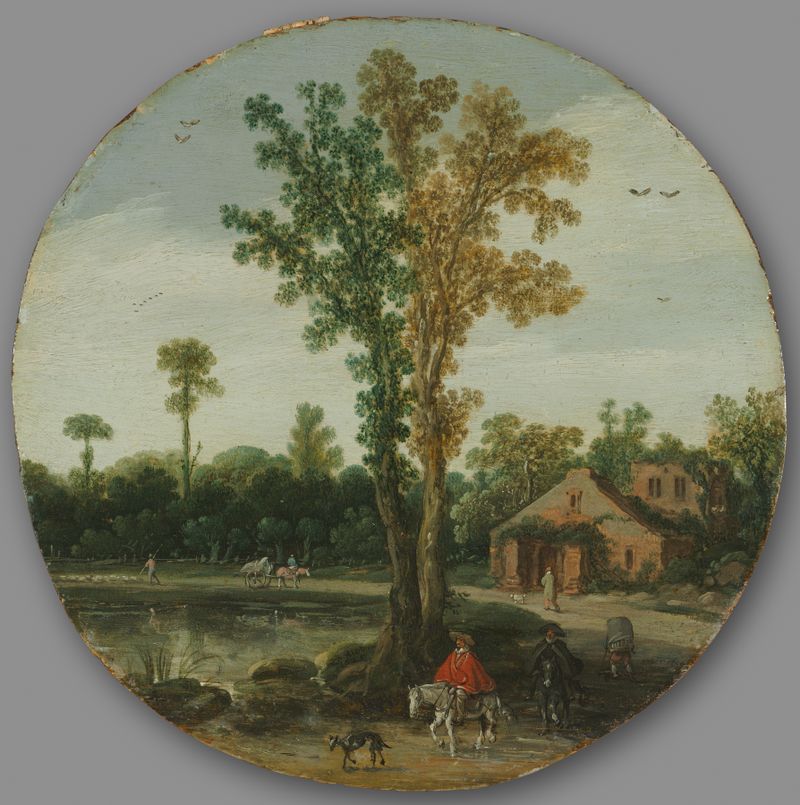
Travelers by a Lake
Esaias van de Velde
More Historical Art
Browse all →
The Night Watch Militia Company of District II under the Command of Captain Frans Banninck Cocq
Rembrandt van Rijn

Lincoln Memorial
Henry Bacon

The Third of May 1808
Francisco de Goya

Isaac and Rebecca, Known as ‘The Jewish Bride’
Rembrandt van Rijn

The Charge of the Mamelukes (1814)
Francisco de Goya

De vier ruiters van de apocalyps
Albrecht Dürer