
The Roman Forum — History & Facts
Could a single brushstroke hold eternity? In The Roman Forum, the ethereal quality of light drapes over an ancient expanse, inviting contemplation of both time and divinity. Look to the left at the crumbling pillars, their weathered stones standing resolute against a backdrop of soft, golden hues. Notice how the artist employs a delicate balance of warm and cool tones, inviting viewers into the tranquil embrace of twilight. The composition draws your gaze through a carefully arranged perspective, leading you deeper into the scene, where the horizon meets an expanse of the heavens.
Each brushstroke seems intentional, as if capturing a fleeting moment in a space that breathes history. The contrast between light and shadow reveals layers of meaning within the ruins. The fading light reflects not only the passing of day but the passage of eras, suggesting a divine presence in the remnants of human achievement. The tranquil scene evokes nostalgia, hinting at the stories of lives once lived, whispers of glory and despair intertwined.
In this sacred space, the artist captures both the richness of cultural legacy and the fragility of existence, drawing a poignant connection between the eternal and the ephemeral. Harpignies, active during the late 19th century, painted The Roman Forum at a time when the art world was experiencing shifts toward impressionism and realism. Living in France, he drew inspiration from the classical architecture of his travels, particularly those in Italy. This work reflects his fascination with capturing light and atmosphere, indicative of a broader trend among his contemporaries to embrace the romantic allure of historical sites.
More Artworks by Henri-Joseph Harpignies
Browse all →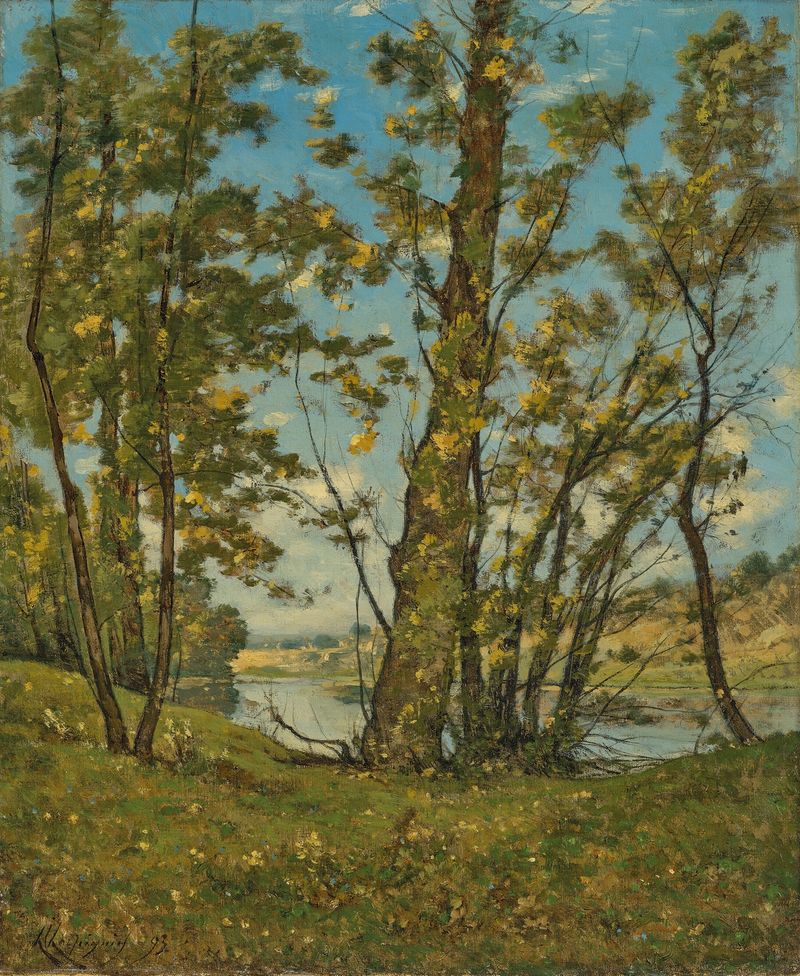
La Loire à Bonny
Henri-Joseph Harpignies
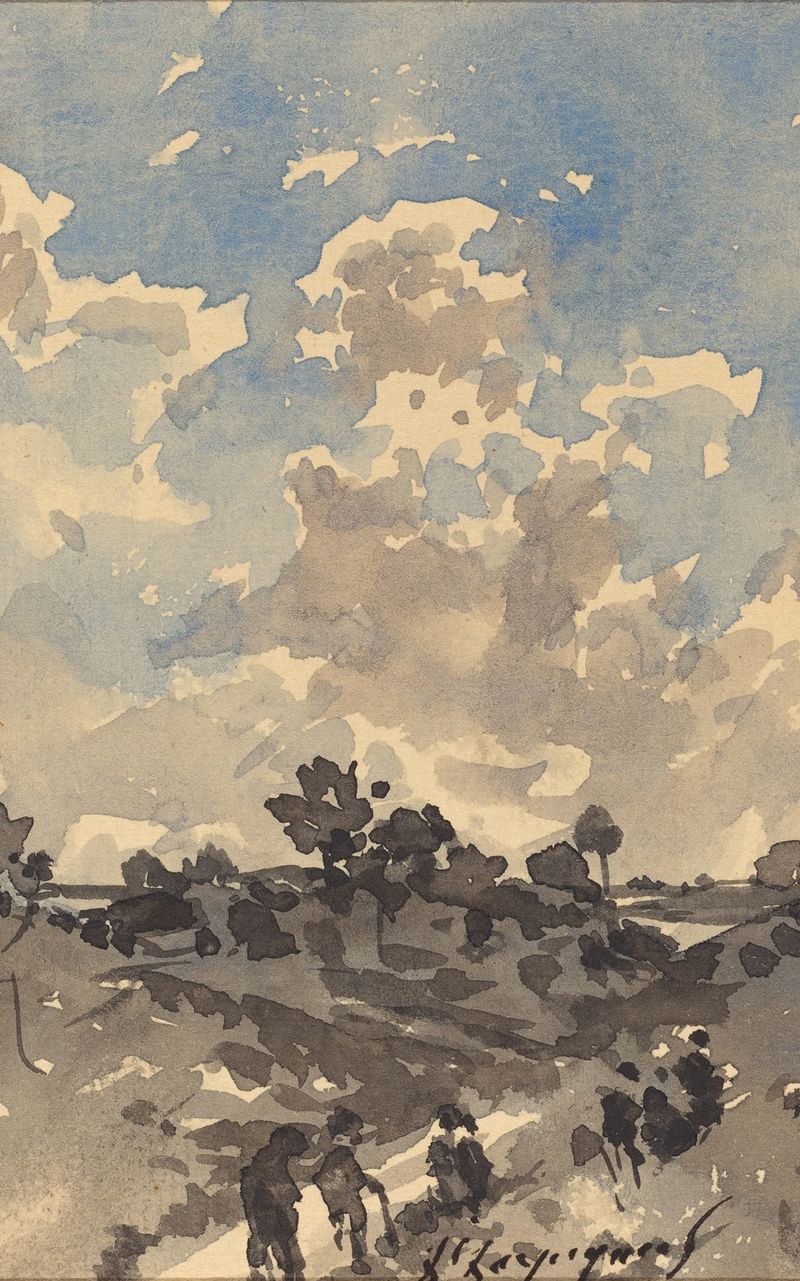
A Landscape with Figures Walking along a Path
Henri-Joseph Harpignies
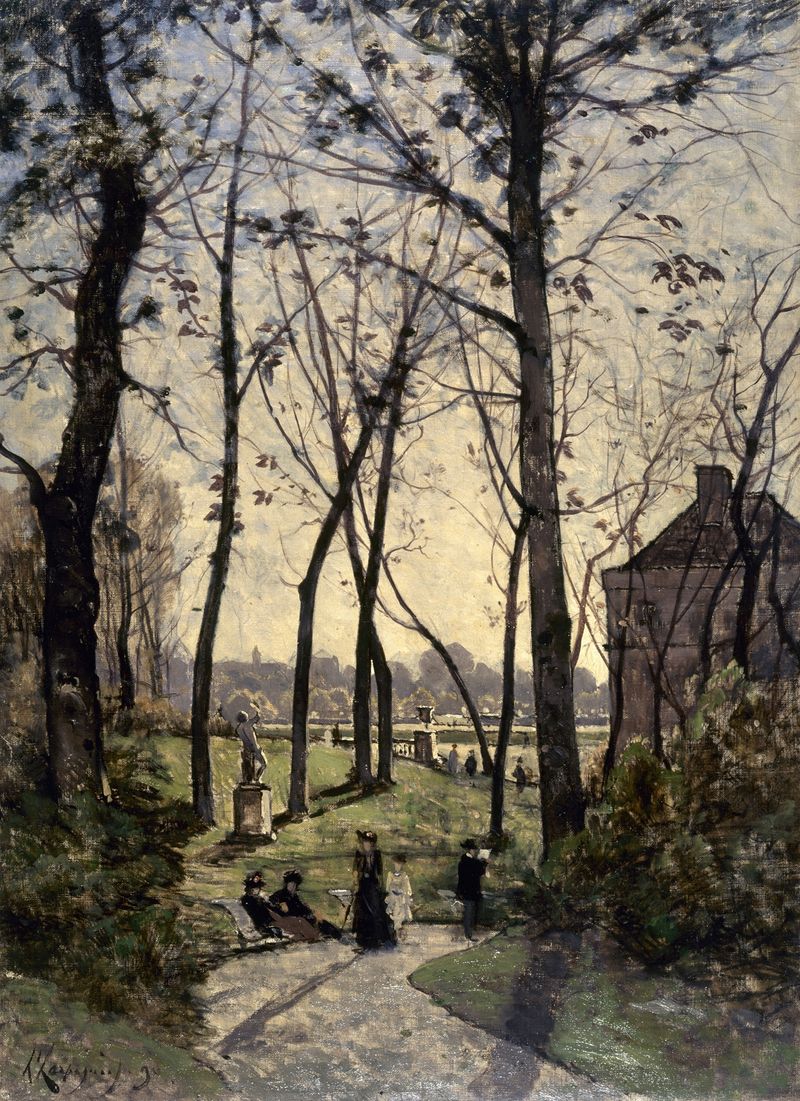
Le jardin du Luxembourg
Henri-Joseph Harpignies
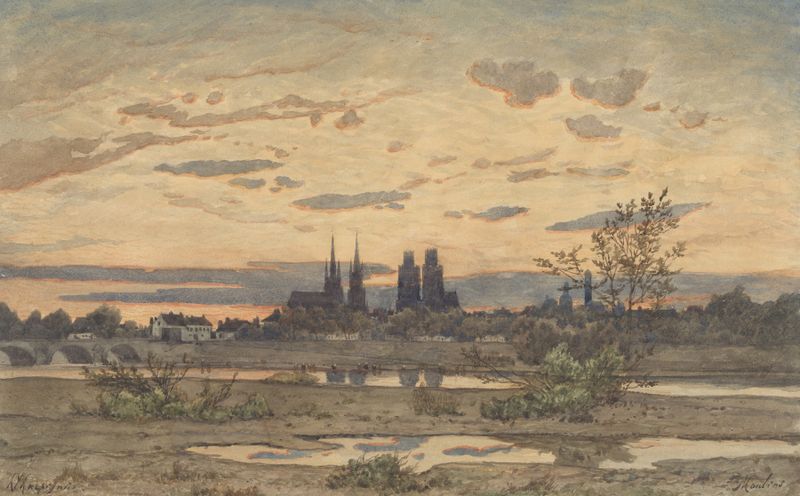
A View of Moulins
Henri-Joseph Harpignies
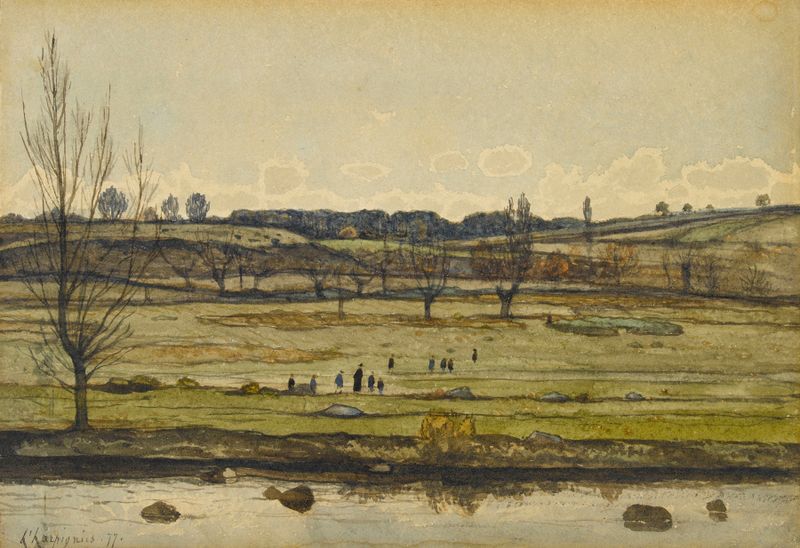
Paysage
Henri-Joseph Harpignies
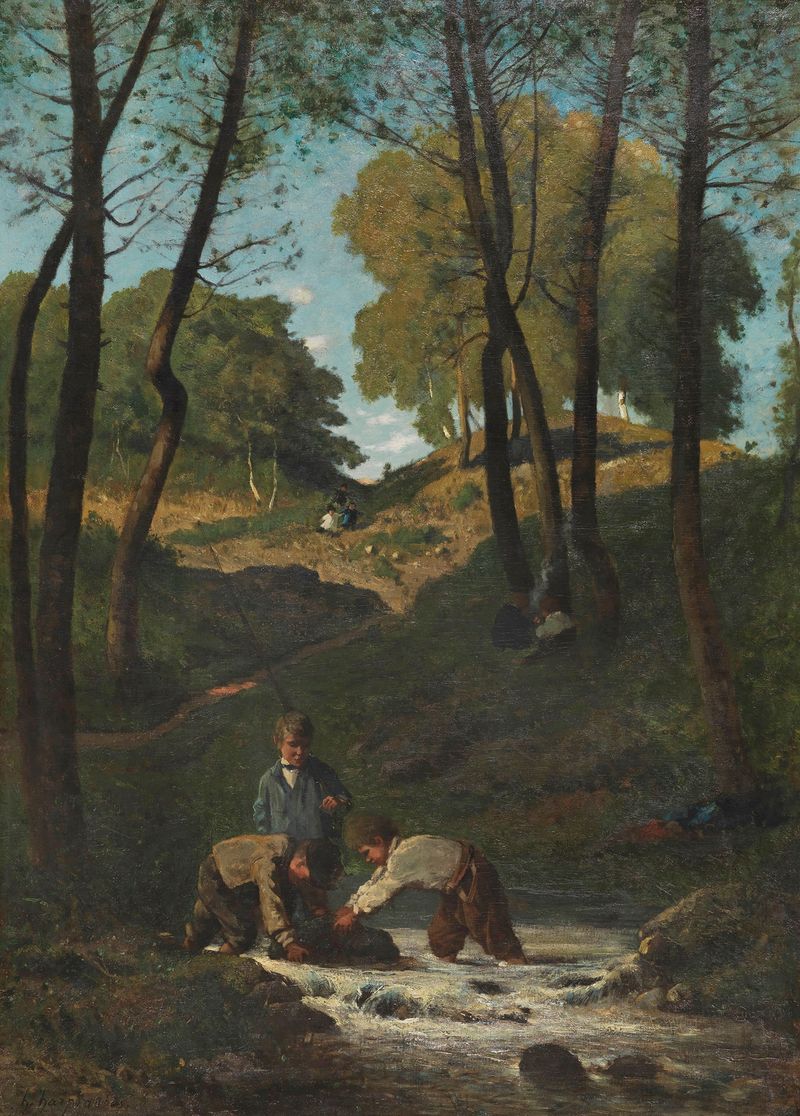
Chercheurs d’écrevisses
Henri-Joseph Harpignies
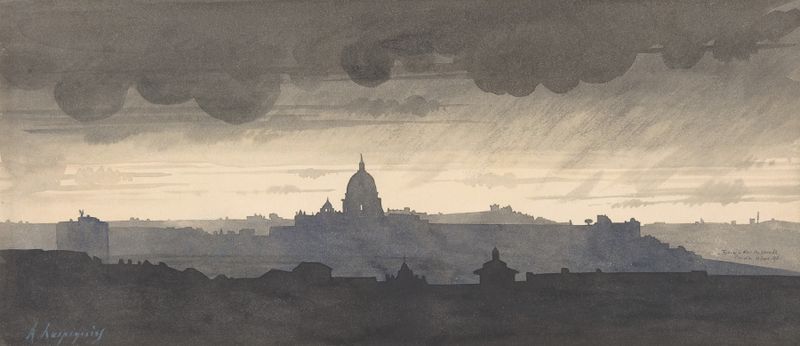
Saint Peter’s Seen From the Pincio, Rome
Henri-Joseph Harpignies
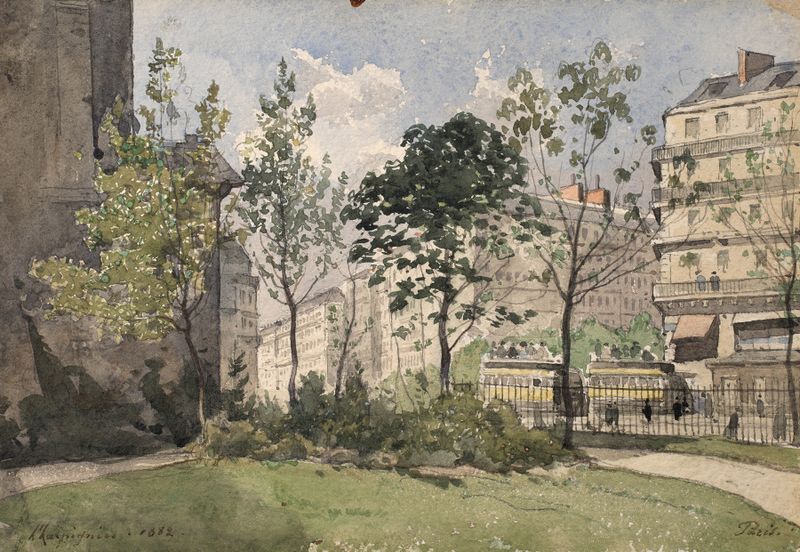
View of the forecourt of the Saint-Germain-des-Prés church
Henri-Joseph Harpignies
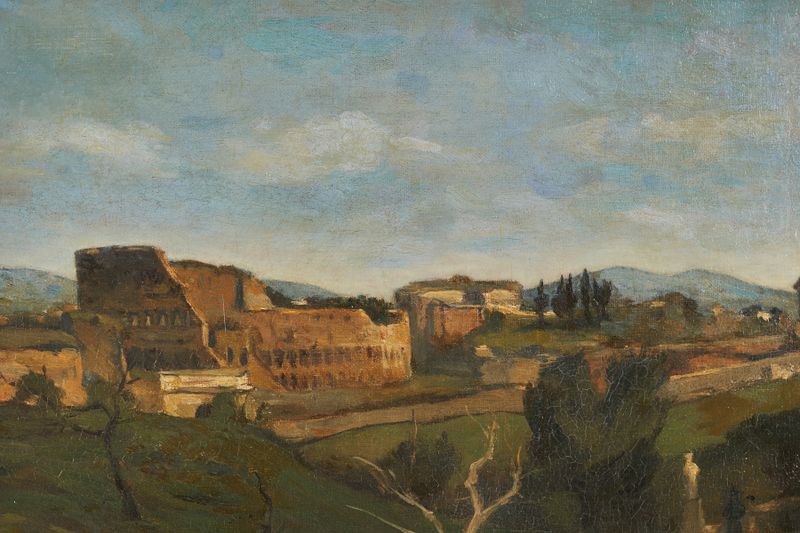
Le Colisée à Rome
Henri-Joseph Harpignies

Villefranche
Henri-Joseph Harpignies
More Architecture Art
Browse all →
The statue of Liberty
Frédéric Auguste Bartholdi

View of Houses in Delft, Known as ‘The Little Street’
Johannes Vermeer

View of Houses in Delft, Known as ‘The Little Street’
Johannes Vermeer

The Cathedral in Rouen. The portal, Grey Weather
Claude Monet

The yellow house
Vincent van Gogh

The Church in Auvers-sur-Oise, View from the Chevet
Vincent van Gogh