
The Rommelpot player — History & Facts
In the early 17th century, Frans Hals became known for painting several versions of the same lively subject: the rommelpot player surrounded by children. At least five versions of The Rommelpot player are known to exist, each with subtle differences, fueling debate among scholars about which came first and whether Hals himself painted them all. This repetition was unusual for Hals, who rarely revisited a composition so directly.
The rommelpot, a rustic folk instrument, was a familiar sight at Dutch festivities, and Hals’s repeated attention to this theme suggests its popularity with patrons and the public alike. At the heart of the painting, a bearded man grins as he plays the rommelpot, a simple percussion instrument made from a pot and a stick, while a circle of children press in, laughing and singing. Hals captures a fleeting moment: the children’s faces are animated with delight, their hands clapping or reaching toward the musician. The light falls brightly on their faces, drawing the eye to their expressions of pure joy, while the rommelpot itself sits at the center, both literal and symbolic fulcrum of the scene.
Unlike the more formal musical gatherings painted by Jan Steen or Gerard ter Borch, Hals’s approach is informal and immediate, emphasizing spontaneity and the shared pleasure of music. The precise origins of this version of The Rommelpot player are uncertain, as no commission or early documentation survives, and the medium is not always clearly recorded, though oil on canvas is likely. Over the centuries, the painting has passed through private collections and has often been confused with its siblings, complicating efforts to trace its journey. Its lively brushwork and focus on everyday merriment mark a turning point in Frans Hals’s career, as he began to specialize in capturing the energy and character of ordinary people.
Today, the various versions can be found in museums and collections across Europe and America, each a testament to Hals’s fascination with the rhythms of daily Dutch life.
More Artworks by Frans Hals

Banquet of the Officers of the St George Civic Guard
Frans Hals

Portrait of Jacob Pietersz Olycan (1596-1638)
Frans Hals
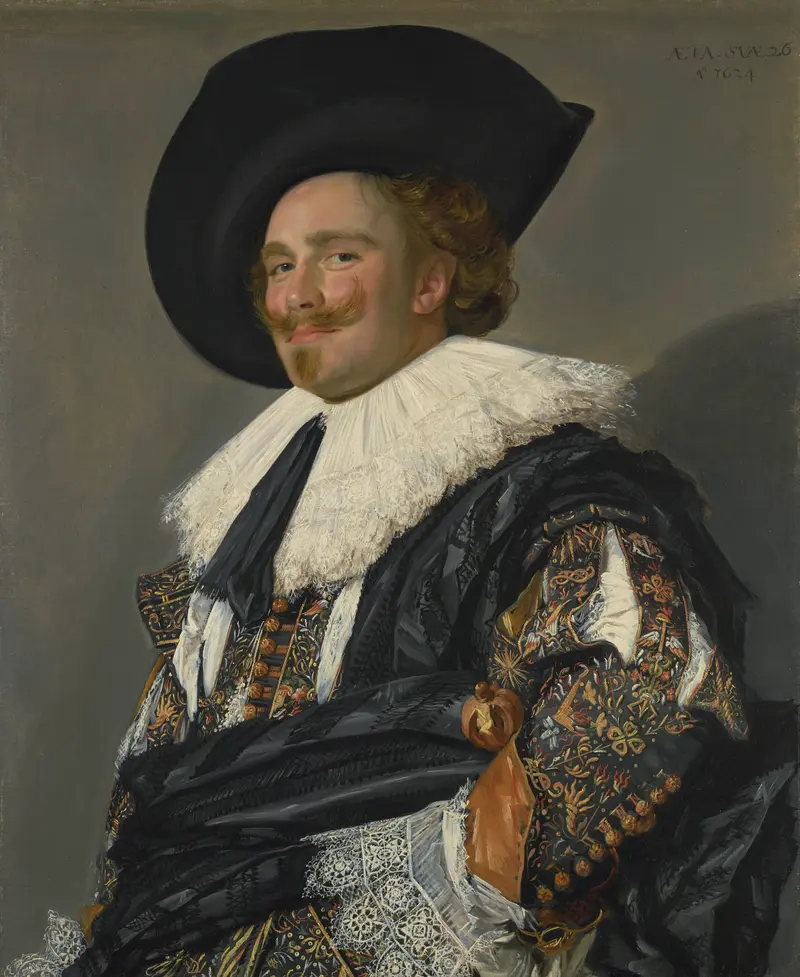
Laughing Cavalier
Frans Hals

Militia Company of District XI under the Command of Captain Reynier Reael, Known as ‘The Meagre Company’
Frans Hals
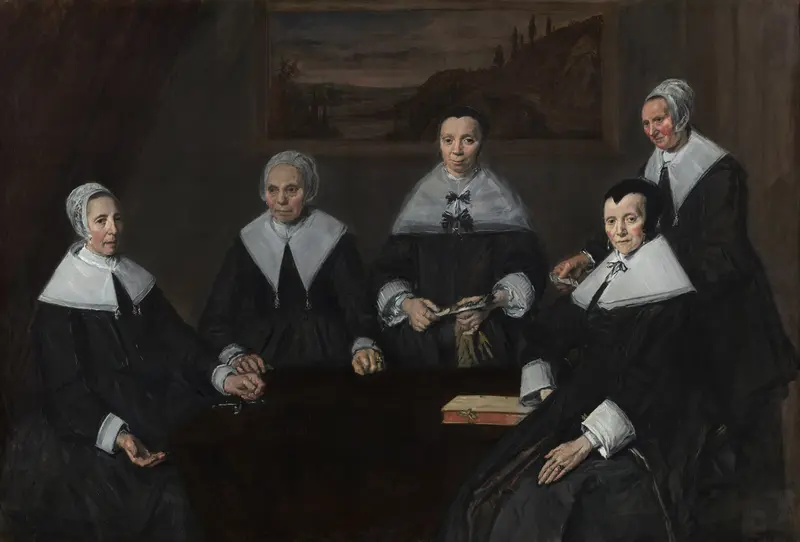
Regentesses of the Old Men's Alms House
Frans Hals
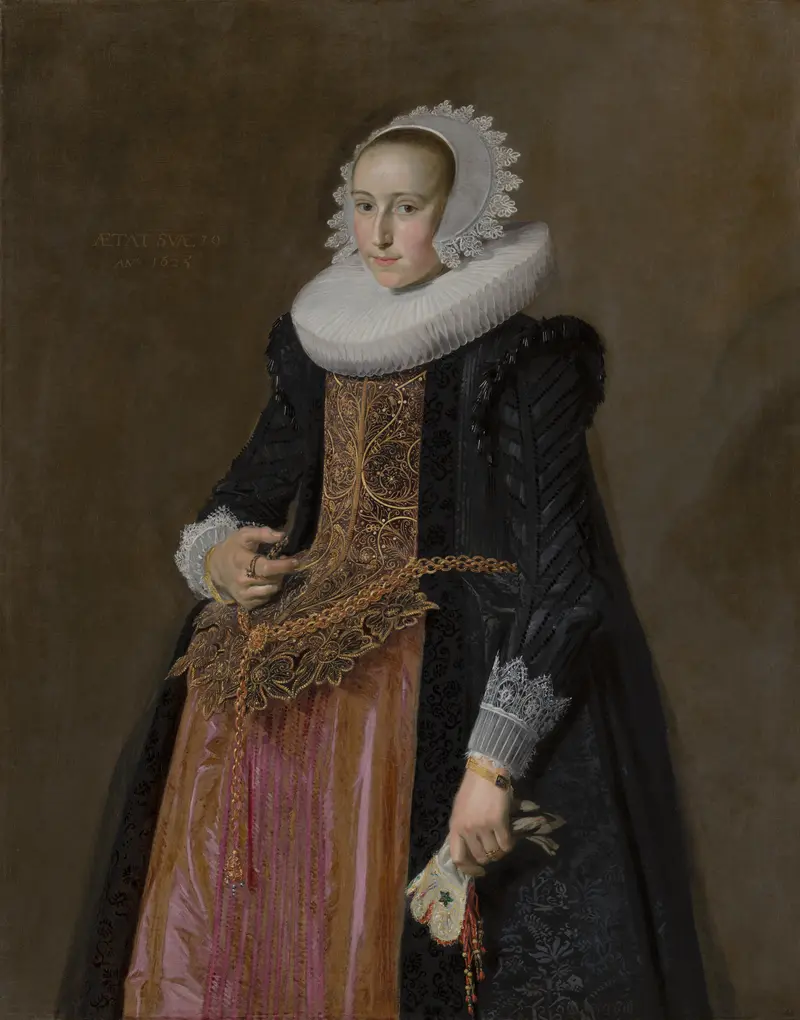
Portrait of Aletta Hanemans (1606–1653)
Frans Hals
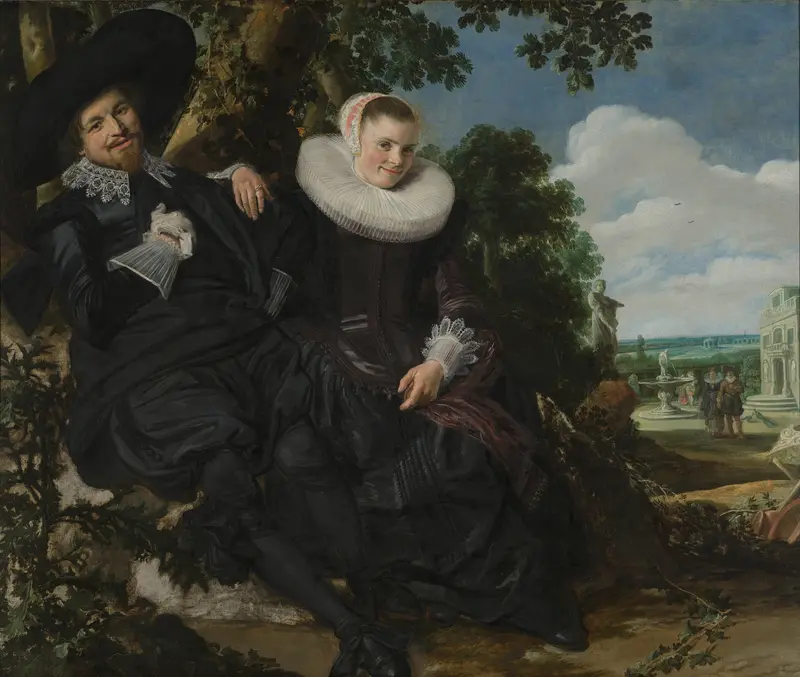
Portrait of a Married Couple, Likely Isaac Abrahamsz Massa and Beatrix van der Laen
Frans Hals
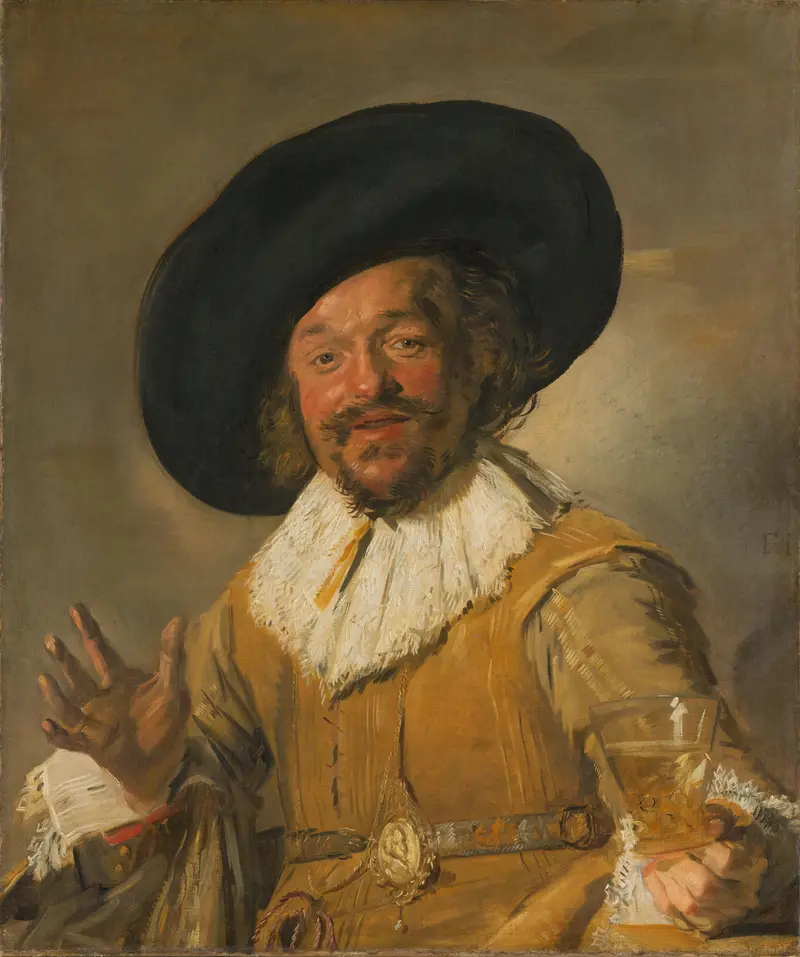
The Merry Drinker
Frans Hals
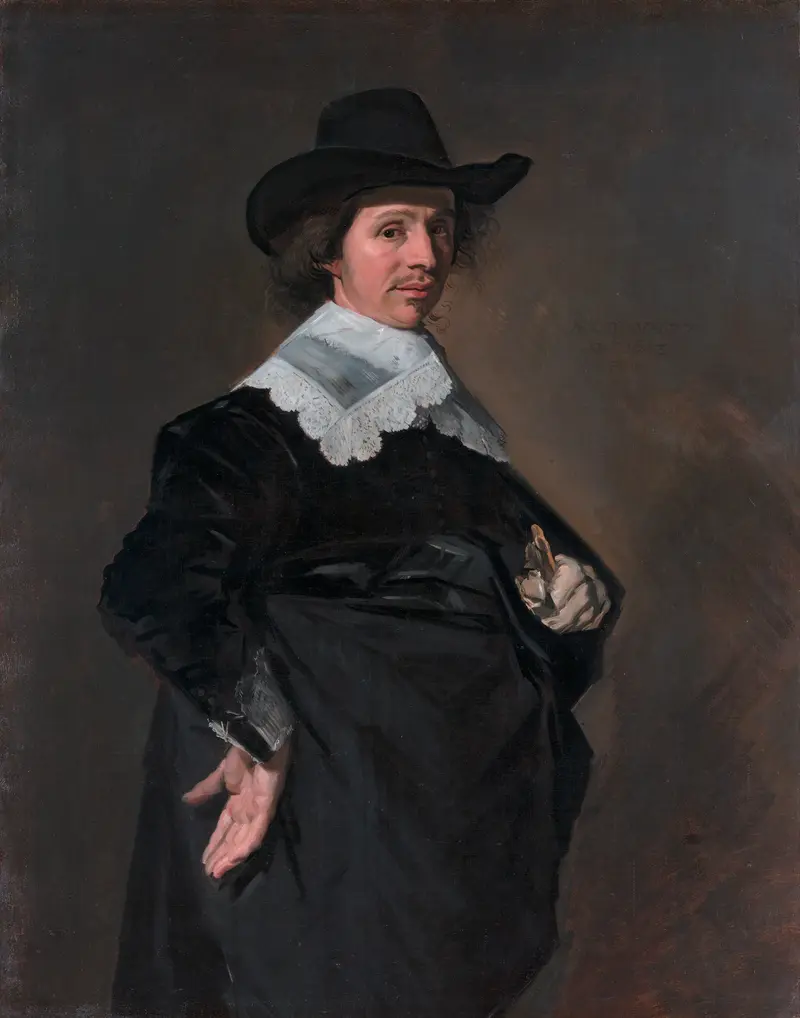
Portrait of Paulus Verschuur
Frans Hals
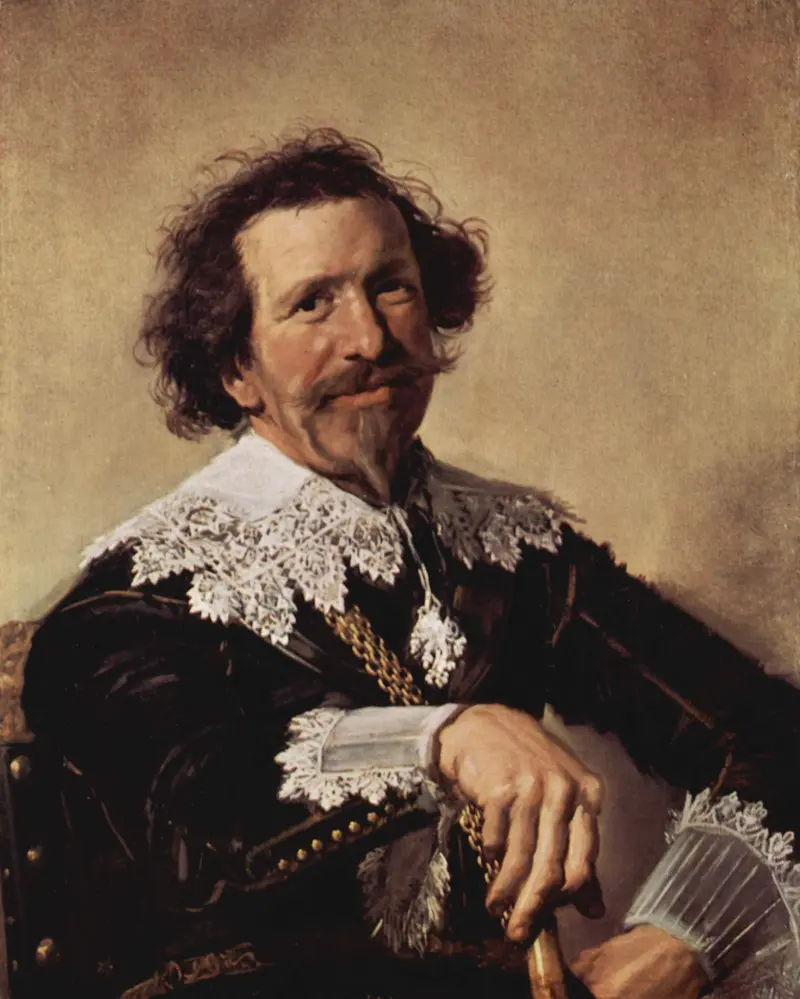
Portrait of Pieter van den Broecke
Frans Hals
More Genre Scene Art
Banquet of the Officers of the St George Civic Guard
Frans Hals

Rembrandt and Saskia in the Scene of the Prodigal Son
Rembrandt van Rijn

Bal du moulin de la Galette
Pierre-Auguste Renoir

Quadrille at the Moulin Rouge
Henri de Toulouse-Lautrec

A Burial at Ornans
Gustave Courbet

When Will You Marry?
Paul Gauguin