
The ruins of Slane Castle — History & Facts
This poignant reflection resonates deeply within the haunting remnants of a once-majestic stronghold. Look to the foreground, where the jagged outlines of crumbling stone rise defiantly against a vibrant sunset that bleeds hues of orange and purple. The skilled brushwork captures each weathered crag, allowing light to dance across the surface, emphasizing the interplay of shadow and brilliance. Notice how the winding ivy gracefully clings to the ruins, a testament to nature reclaiming its space, a delicate juxtaposition to the harsh, silent decay of human ambition. These ruins evoke a powerful sense of mortality and the inevitable passage of time.
The contrast between the fading architecture and the lush foliage surrounding it speaks to the tension between man’s creations and nature’s persistence. Here, beauty emerges in the vulnerability of decay, inviting the viewer to ponder the fleeting nature of existence and the stories that linger in the echoes of what once was. During the years 1902 to 1903, the artist was immersed in a world where the past was often romanticized, yet the relentless march of change loomed large. Living in Slovakia, he was surrounded by a rich historical tapestry that inspired a deeper exploration of themes like loss and nostalgia.
This period in art was marked by a growing interest in capturing the ephemeral, allowing him to reflect on the ruins that symbolized both the glory and the inevitable decline of civilizations.
More Artworks by Ľudovít Čordák
Browse all →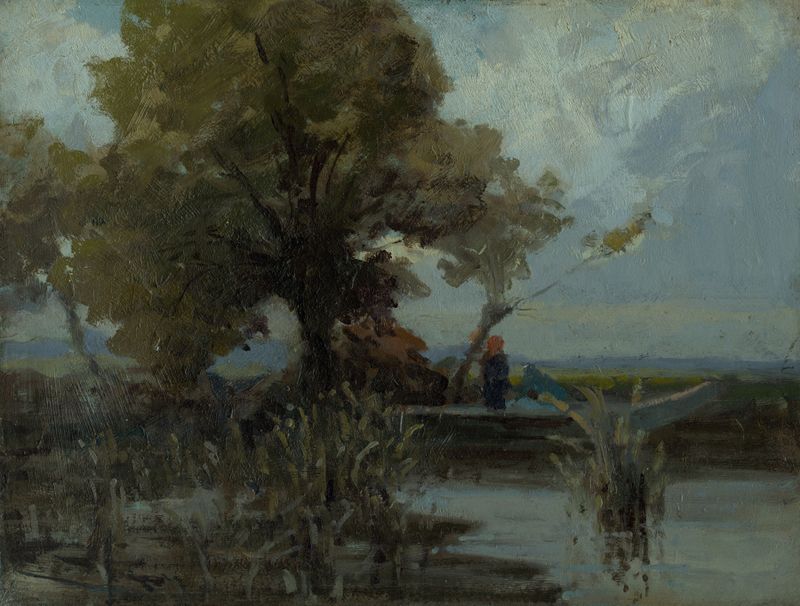
Košatý strom pri jazere
Ľudovít Čordák
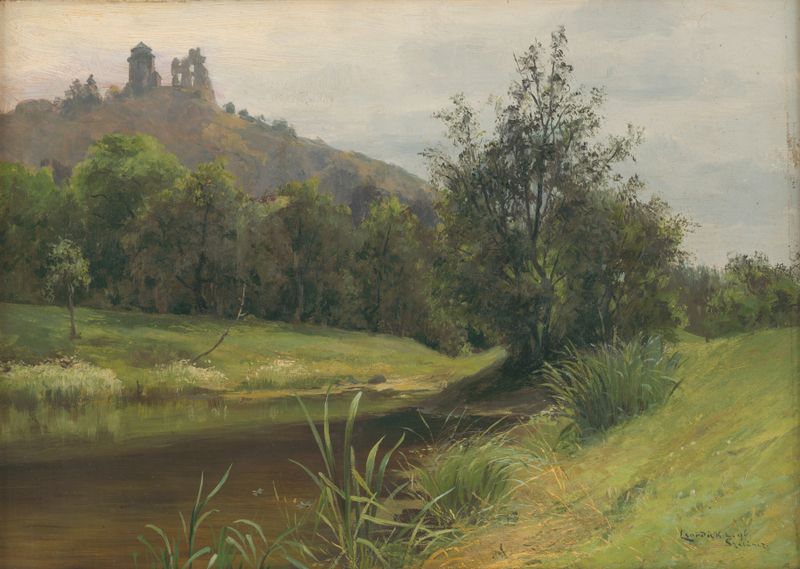
Močarina pod Slaneckým hradom
Ľudovít Čordák
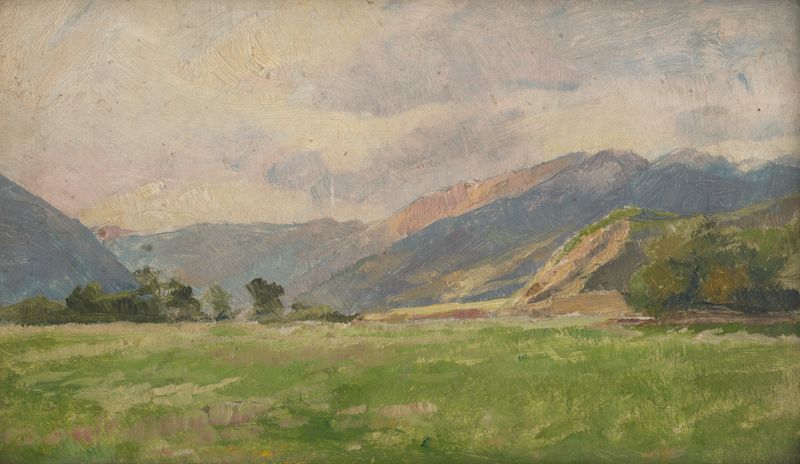
Mountain Meadow
Ľudovít Čordák
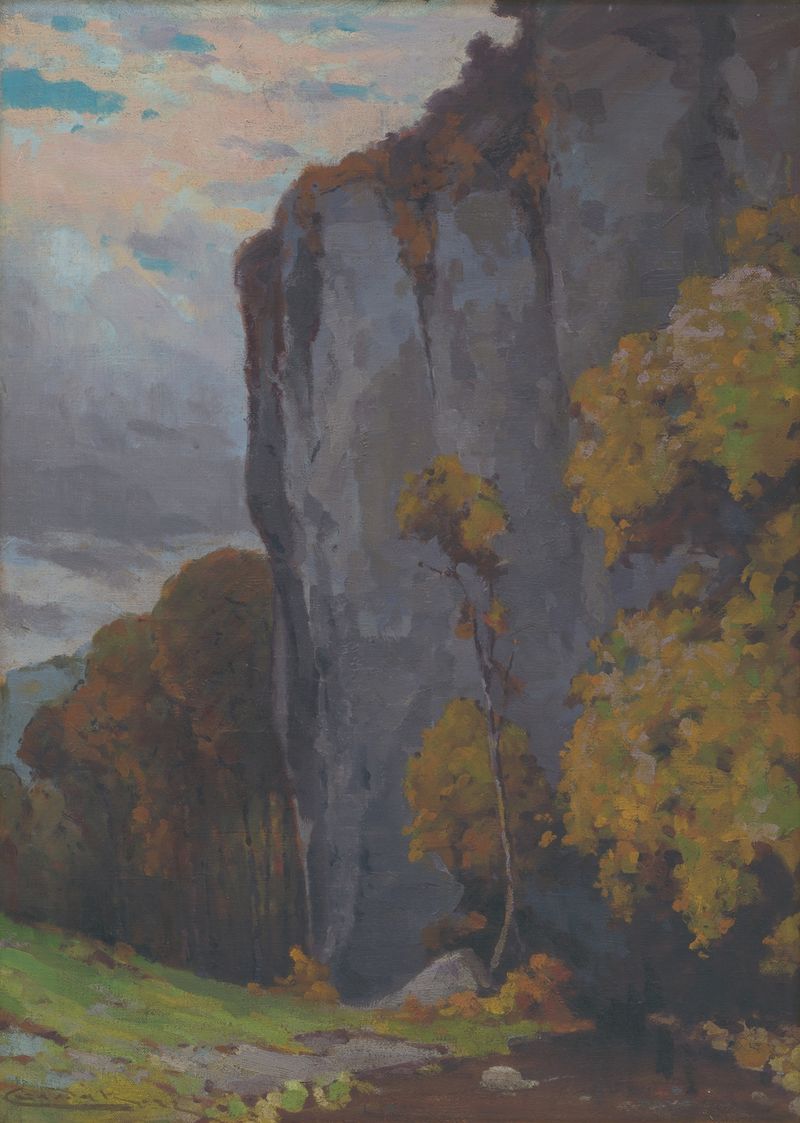
Zádiel
Ľudovít Čordák
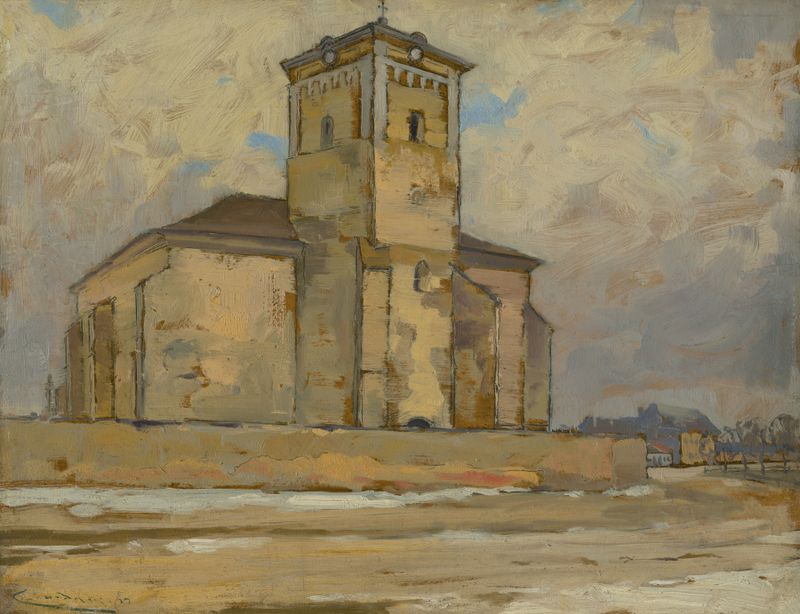
Church in Moldova
Ľudovít Čordák
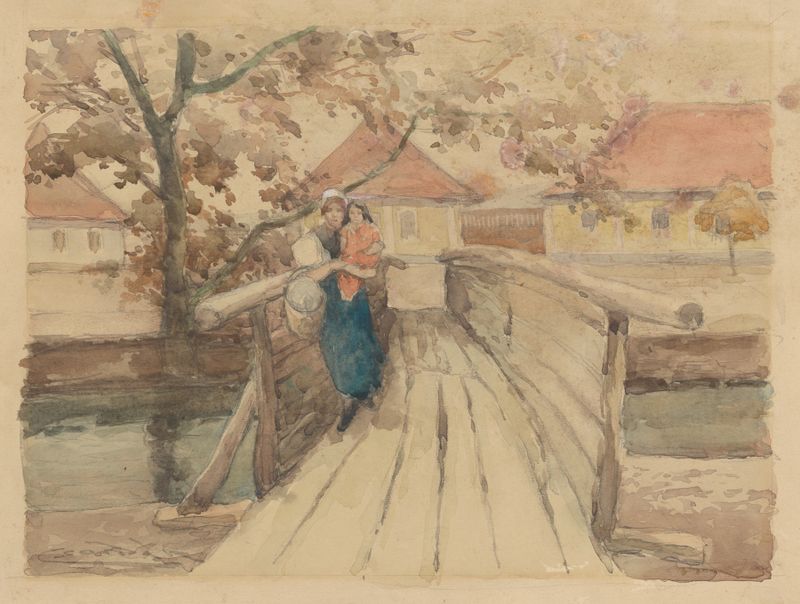
Wooden bridge
Ľudovít Čordák
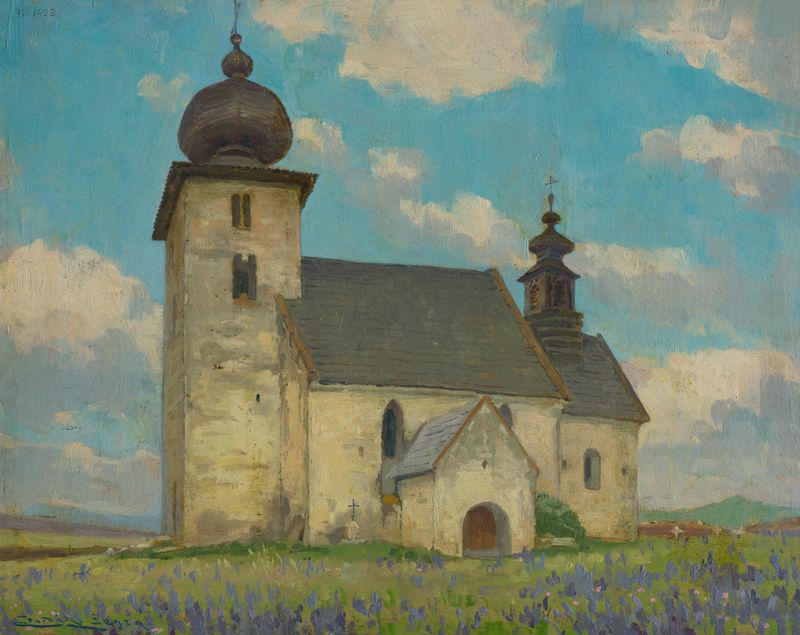
Gothic church in Žehra
Ľudovít Čordák
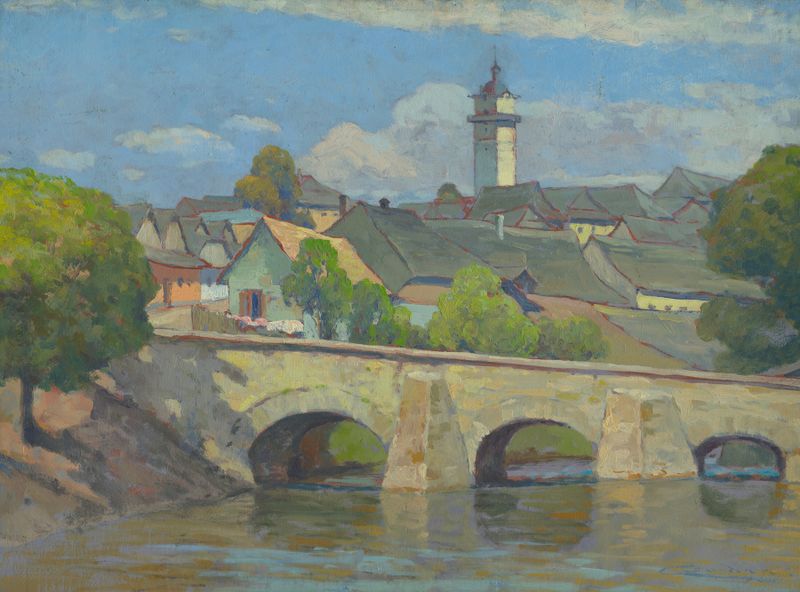
A small town in Spiš
Ľudovít Čordák
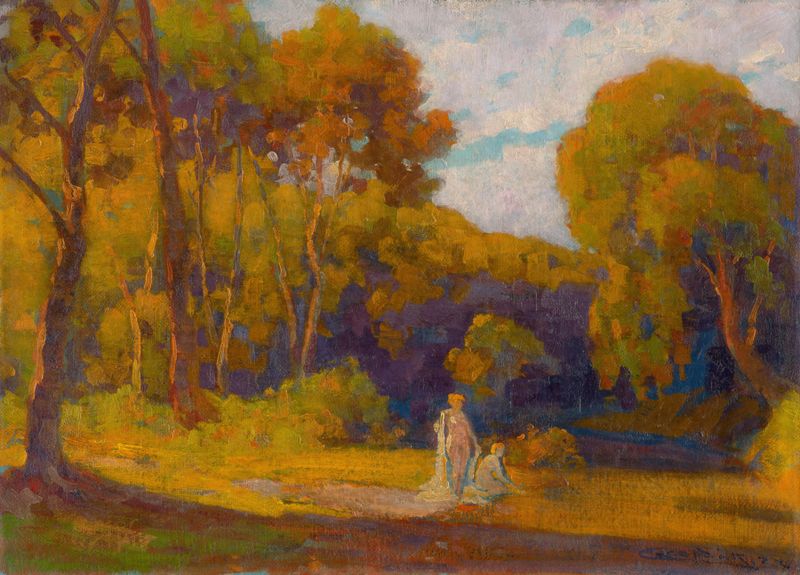
At Sunset
Ľudovít Čordák
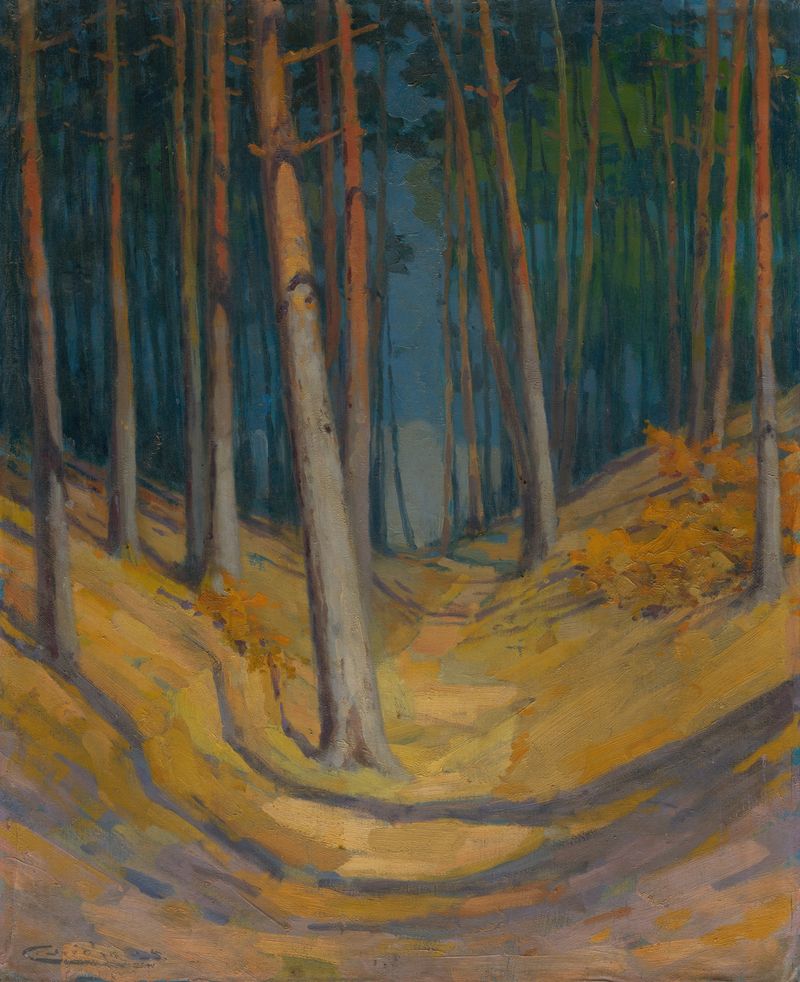
Forest
Ľudovít Čordák





