
The Saints Cosmas and Damian with their Brothers before the Proconsul Lysias — History & Facts
In the mid-15th century, the Florentine friar-painter Fra Angelico was commissioned to create a series of panels for the church of San Marco, a project that would become one of the defining achievements of the early Renaissance. Among them, The Saints Cosmas and Damian with their Brothers before the Proconsul Lysias stands out for its rare depiction of not just the twin saints, but their three lesser-known brothers, all brought before their Roman judge. This panel is one of the earliest surviving visual narratives of the five siblings together, illustrating a hagiographic episode that was cherished by the Medici, who claimed Cosmas and Damian as their patron saints.
The painting’s survival as part of a dispersed altarpiece adds to its intrigue—its companions are scattered in museums across Europe. The scene captures the tense moment when the five brothers, Christian physicians famed for healing without payment, stand trial before the stern Proconsul Lysias in 287 AD. Fra Angelico arranges the saints in a dignified row, their calm faces contrasting with Lysias’s commanding gesture, as he orders them to renounce their faith. The brothers’ linked hands and gentle expressions signal their unity and resolve, while the proconsul’s elevated throne and outstretched arm embody Roman authority.
Gold leaf halos mark the saints’ sanctity, and the subtle architectural background recalls the new perspective techniques that Fra Angelico was pioneering alongside contemporaries like Masaccio, though Angelico’s work retains a lyrical delicacy. Unlike later, more dramatic Baroque treatments, Angelico’s scene is quiet, focused on faith rather than spectacle. The panel’s provenance traces back to the high altar of San Marco in Florence, where it formed part of a grand polyptych funded by Cosimo de’ Medici. Over centuries, the altarpiece was dismantled, and its panels dispersed; today, this scene resides in the Museo di San Marco, Florence, reunited with several of its siblings.
The painting marks a key moment in Fra Angelico’s career, when he was transitioning from Gothic traditions to the innovations of the Renaissance, blending narrative clarity with spiritual intensity. While the original medium is debated—tempera on panel is likely—the work’s luminous color and fine detail continue to inspire admiration for Angelico’s unique vision.
More Artworks by Fra Angelico

Condemnation of St Lawrence by the Emperor Valerian
Fra Angelico
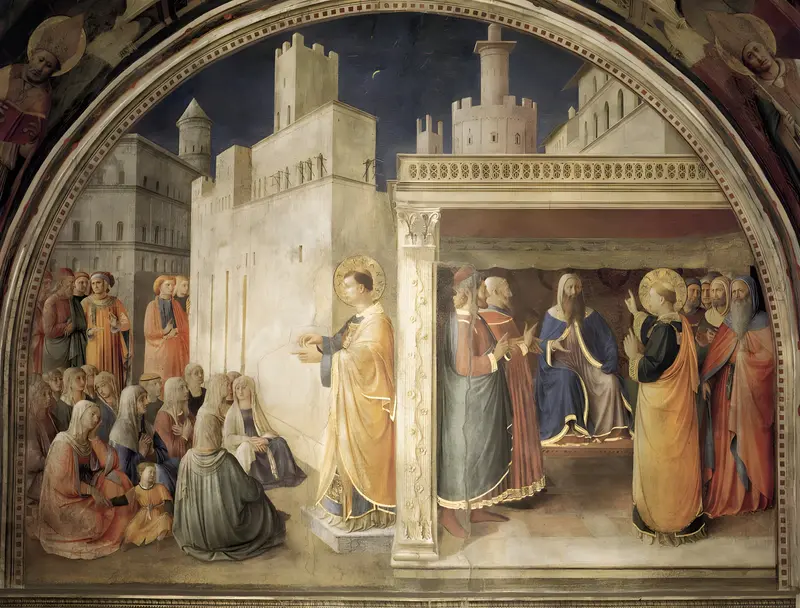
Lunette of the north wall
Fra Angelico
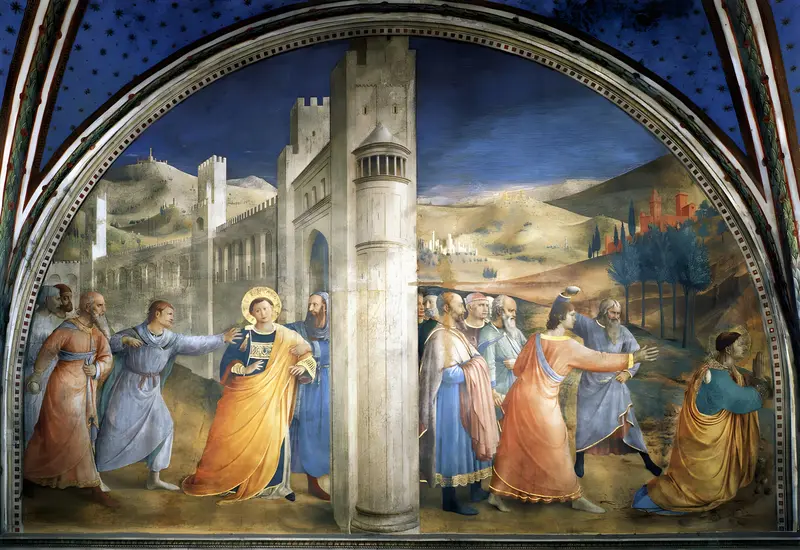
Lunette of the east wall in Niccoline Chapel
Fra Angelico
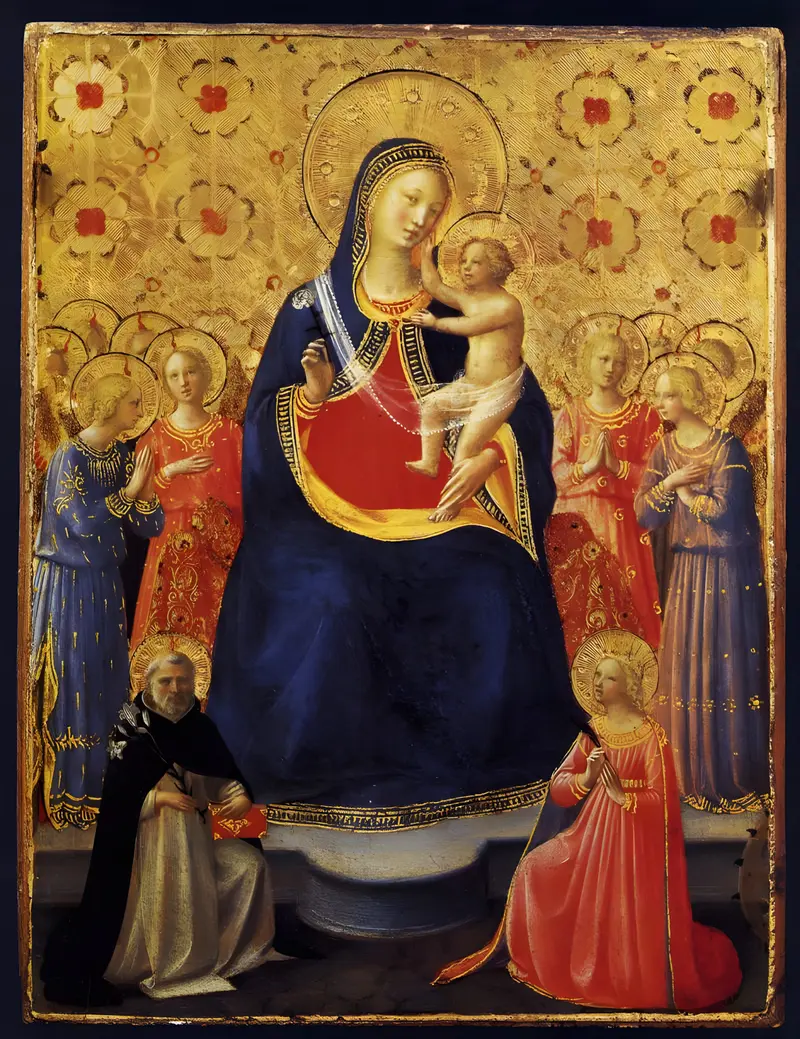
Madonna and Child Enthroned with Nine Angels and Saints Dominic and Catherine of Alexandria
Fra Angelico
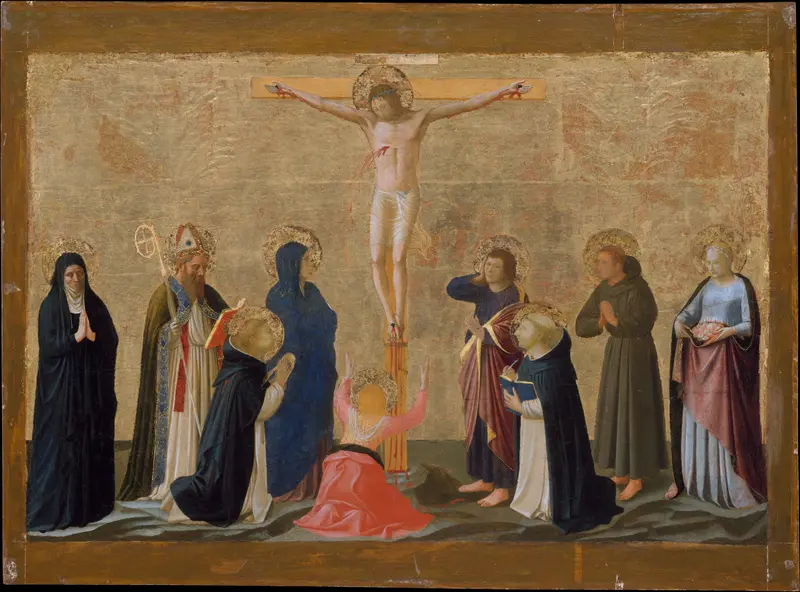
The Crucifixion
Fra Angelico
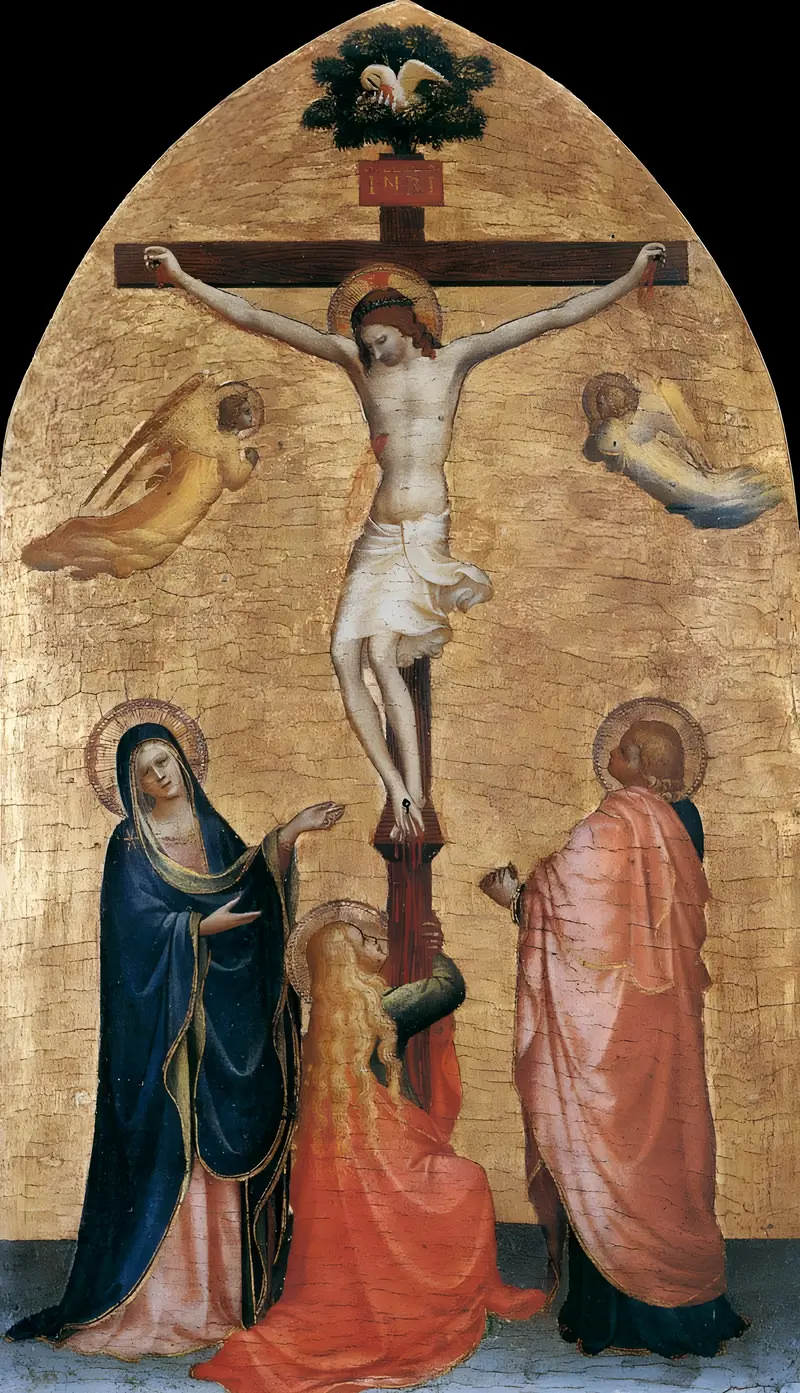
Crucifixion with the Virgin, John the Evangelist, and Mary Magdelene
Fra Angelico
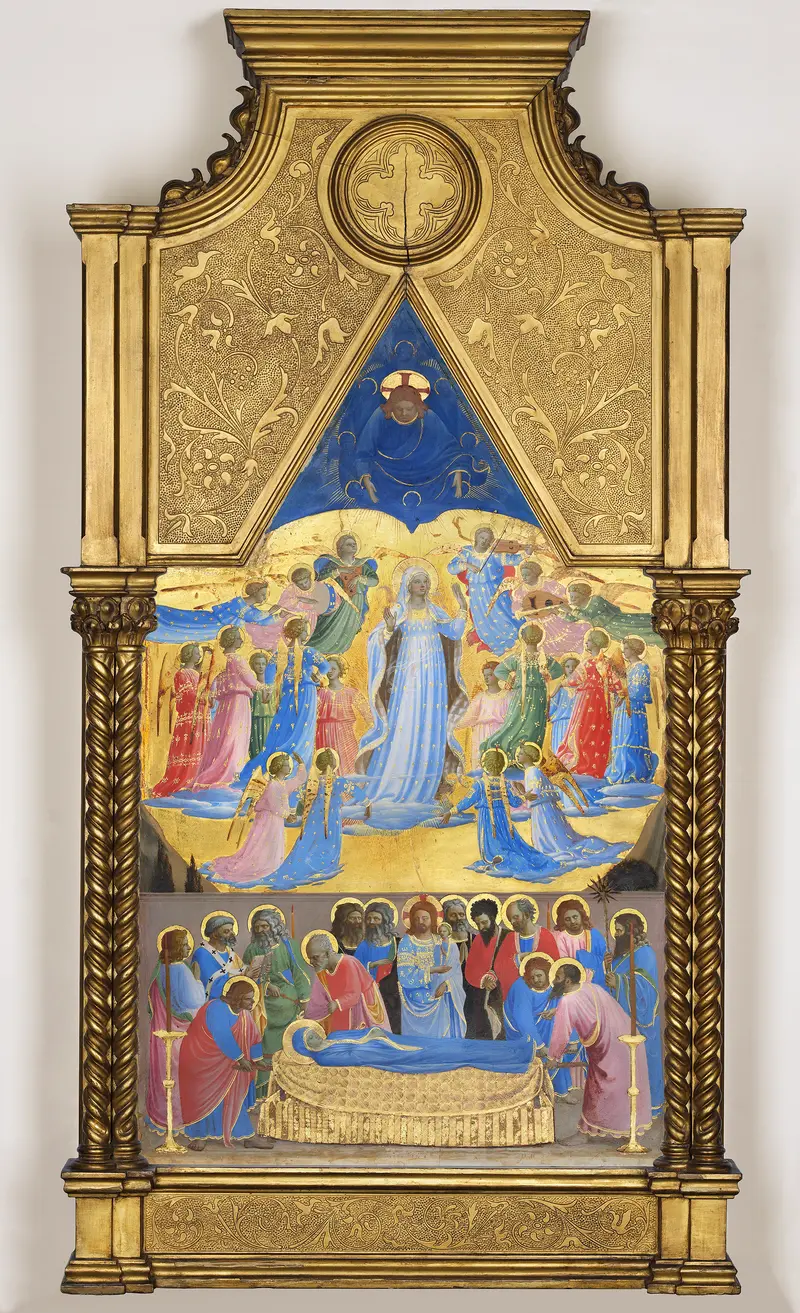
Dormition and Assumption of the Virgin
Fra Angelico
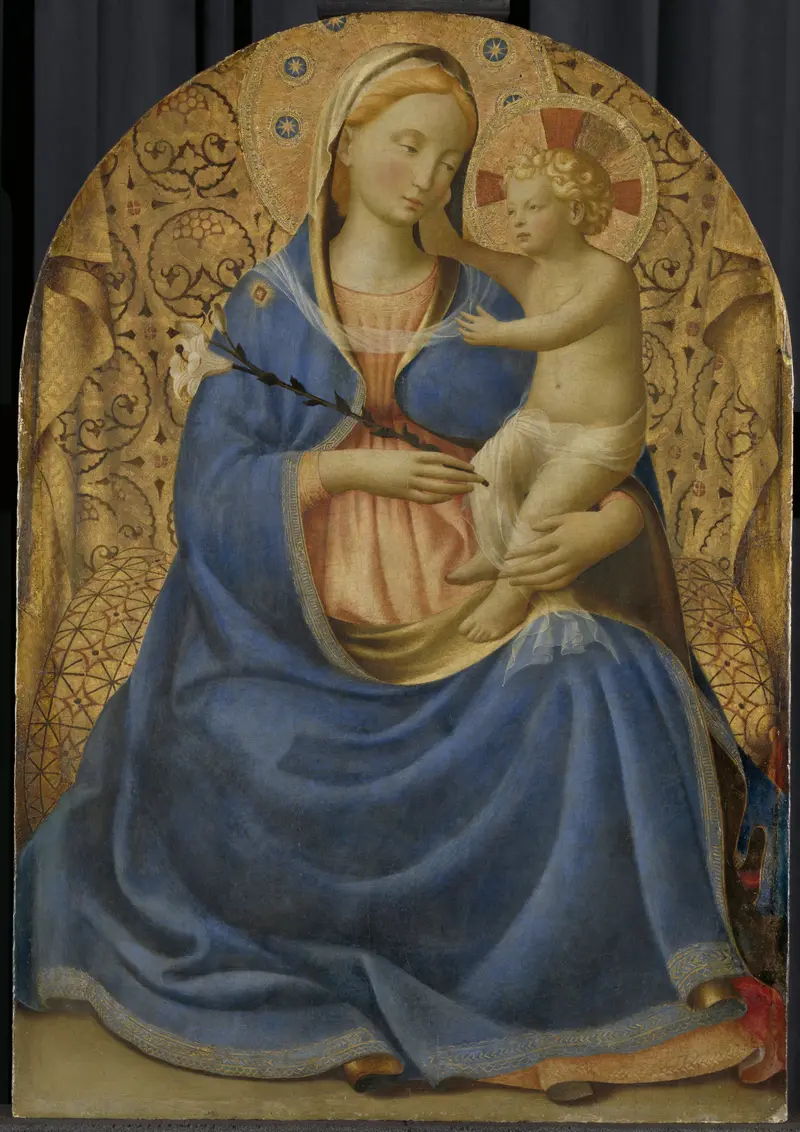
Madonna of Humility
Fra Angelico
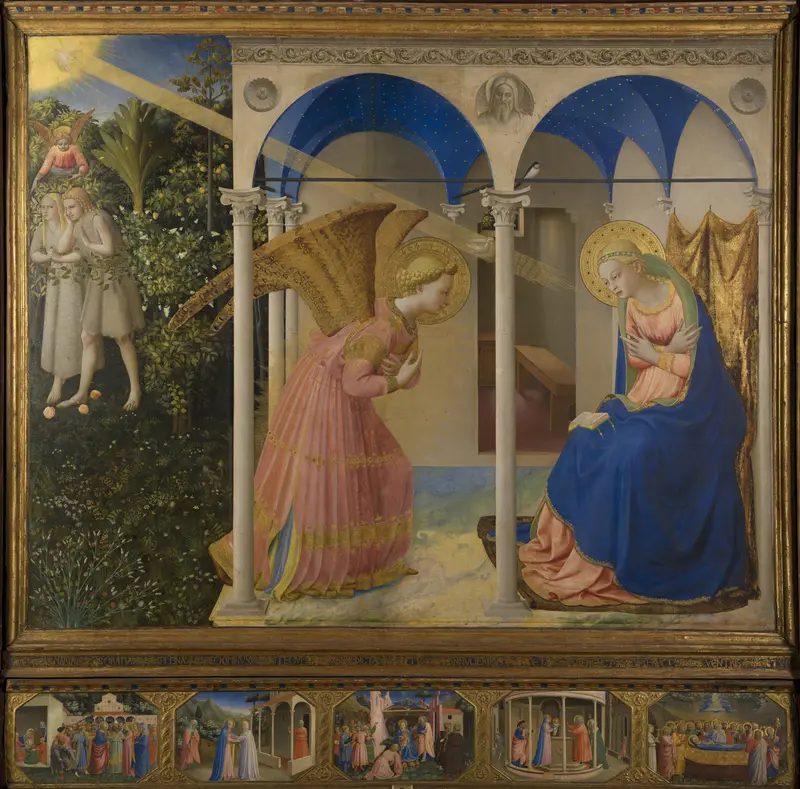
The Annunciation
Fra Angelico

Saint Anthony Abbot
Fra Angelico





