
The Scaffolding — History & Facts
The eye lands first on the bold diagonals slicing through the composition, steel-grey beams that seem to thrust forward from the paper itself. In The Scaffolding, Fernand Léger transforms the chaos of construction into a rhythmic ballet of forms and colors. Primary blues and yellows are boxed and bracketed by the scaffolding’s stark geometry, while a sun-like disk glows from behind, as if the machinery of modernity is forging its own dawn.
Shadows are rendered not as soft transitions but as crisp, graphic outlines, lending the scene a sense of engineered precision. The palette is industrial, but the arrangement is almost playful—each element locked in a visual conversation, suggesting both the order and the energy of a city in the making. Painted in 1919, this work emerges from a world remade by war and industry, when artists like Léger sought new ways to picture the modern experience. The period after World War I saw a fascination with machines, factories, and the raw materials of urban life—motifs that Léger returned to again and again.
Gouache and watercolor, here, are wielded with architectural intent, echoing the rise of the Purist and Cubist movements that prized clarity and structure. While history has kept few traces of this specific gouache beyond its date and signature, its energy is unmistakably of its moment: a tribute to the scaffolding not just of buildings, but of a new visual language. Let your eye wander the grid—each intersection hints at the promise and tension of an age under construction.
More Artworks by Fernand Léger

The Tugboat Bridge
Fernand Léger
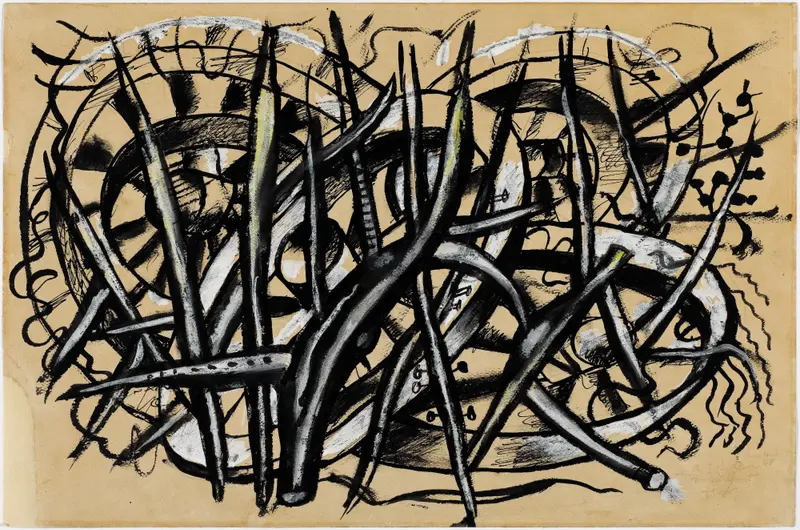
The Wheels
Fernand Léger

Le Cirque Médrano
Fernand Léger
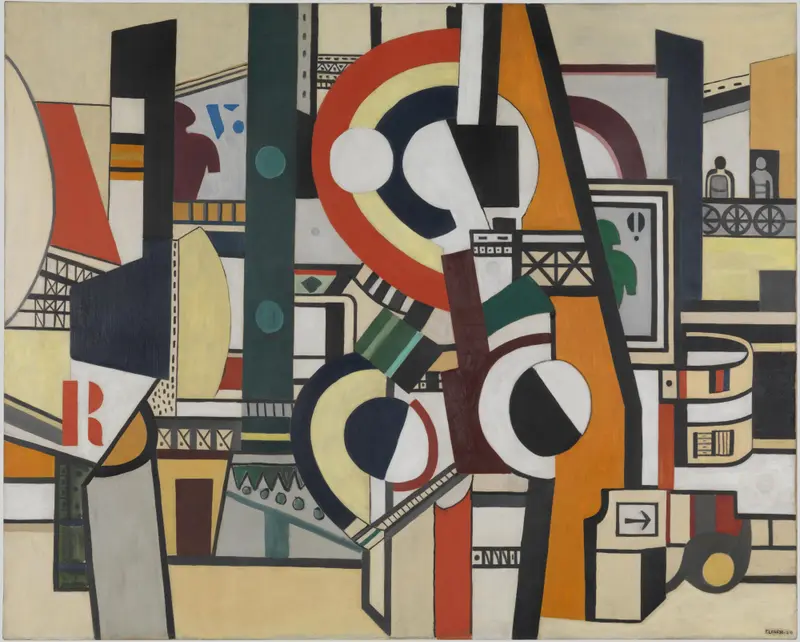
The Disks in the City
Fernand Léger
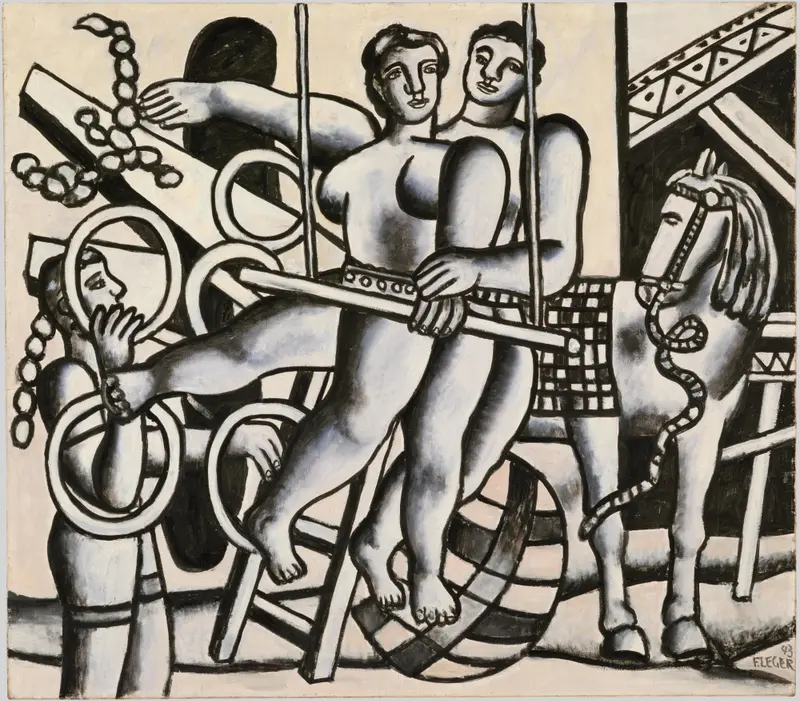
Le Jongleur et les acrobates
Fernand Léger
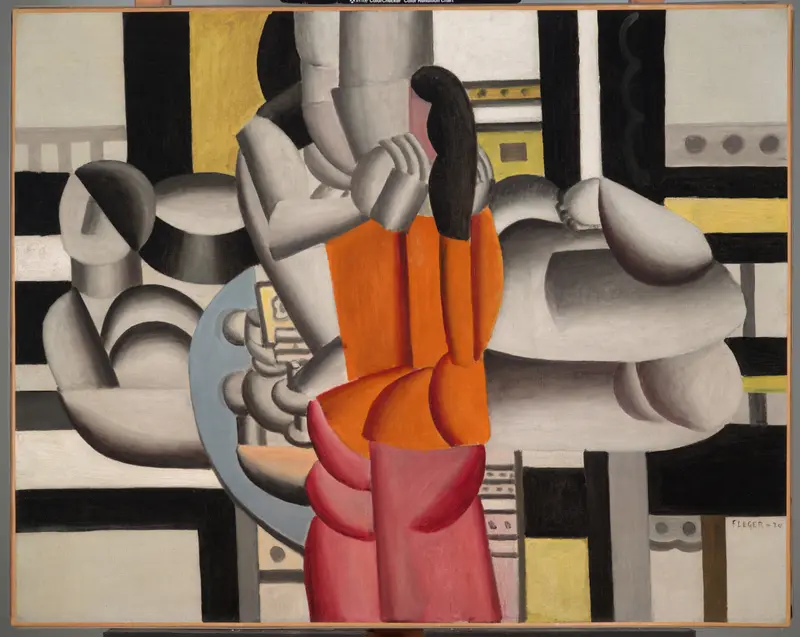
Three Women and Still Life (Déjeuner)
Fernand Léger
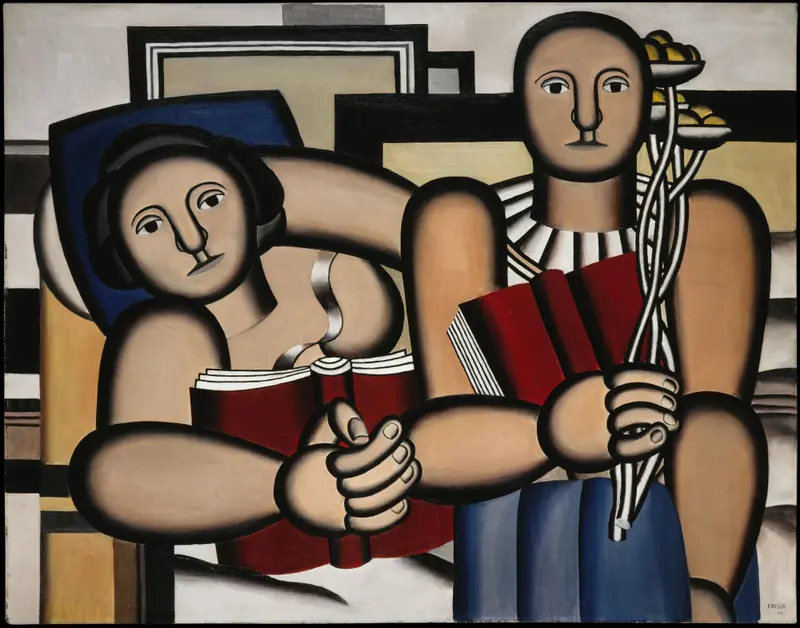
Reading
Fernand Léger
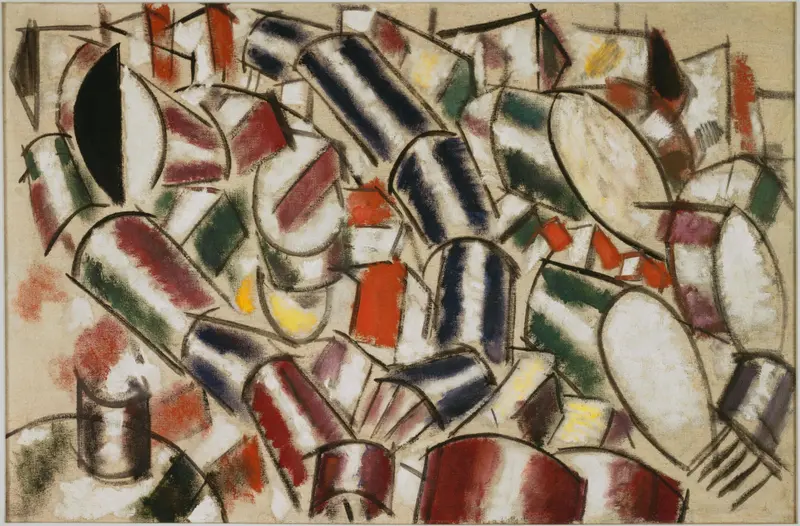
Femme couchée
Fernand Léger
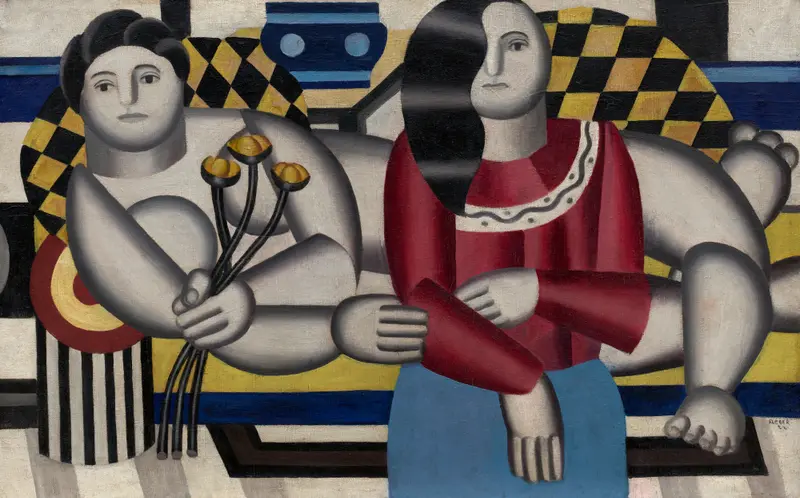
Woman holding flowers
Fernand Léger
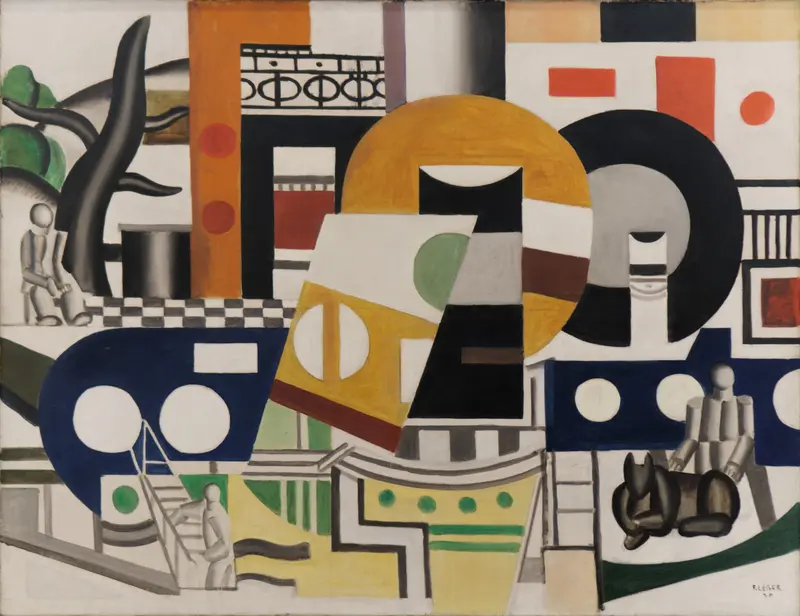
The Tug
Fernand Léger





