
The Sepulchre of Absalom — History & Facts
Who listens when art speaks of silence? In The Sepulchre of Absalom, fear resonates through the stillness, capturing the solemnity of a forgotten narrative. Look to the center of the work, where the grand sepulchre looms, its intricate carvings telling tales of past glory mingled with decay. The palette is dominated by muted earth tones, suggesting the weight of history and the passage of time. Notice how the shadows cradle the stone monument, contrasting the light that tries to pierce through an unseen canopy, highlighting the loneliness surrounding this memorial.
The composition invites the viewer to wander, evoking a sense of exploration and wonder. Delve deeper into the scene's emotional landscape. The sepulchre, a tribute to a rebellious son, stands as a reminder of loss and the burden of legacy. Each chiseled face seems to carry fear and resignation, echoing the unresolved tension of familial bonds and betrayal.
The juxtaposition of the meticulously crafted stone against the barren surroundings emphasizes a desolation that reflects not just the loss of life, but the haunting specter of unfulfilled potential and the whispers of what could have been. In 1804, while living in England, Luigi Mayer created this evocative piece during a time when Romanticism was gaining momentum in the art world. His work often explored themes of nature and history, aligning with a broader fascination for the sublime and the melancholic. This painting stands as a testament to the artist's ability to navigate the complex interplay of emotion and narrative, capturing a moment that speaks volumes in its silence.
More Artworks by Luigi Mayer
Browse all →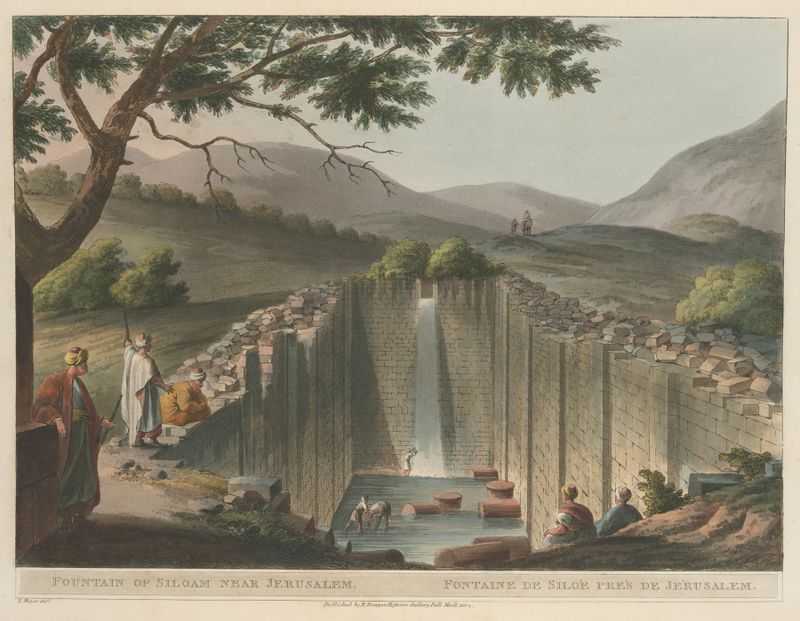
Fountain of Siloam Near Jerusalem
Luigi Mayer

View of the Dardanelles
Luigi Mayer
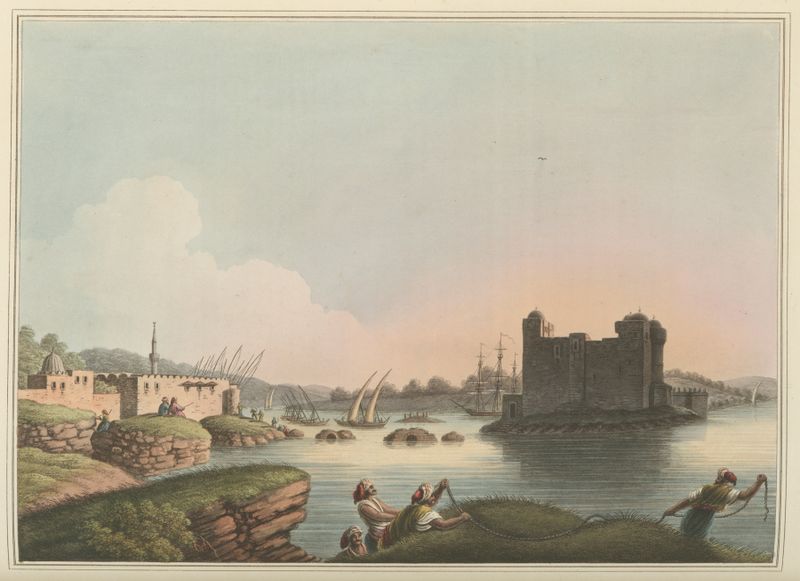
Port of Latachia
Luigi Mayer

Stadium at Ephesus
Luigi Mayer

Ancient Temples at Agrigentum
Luigi Mayer
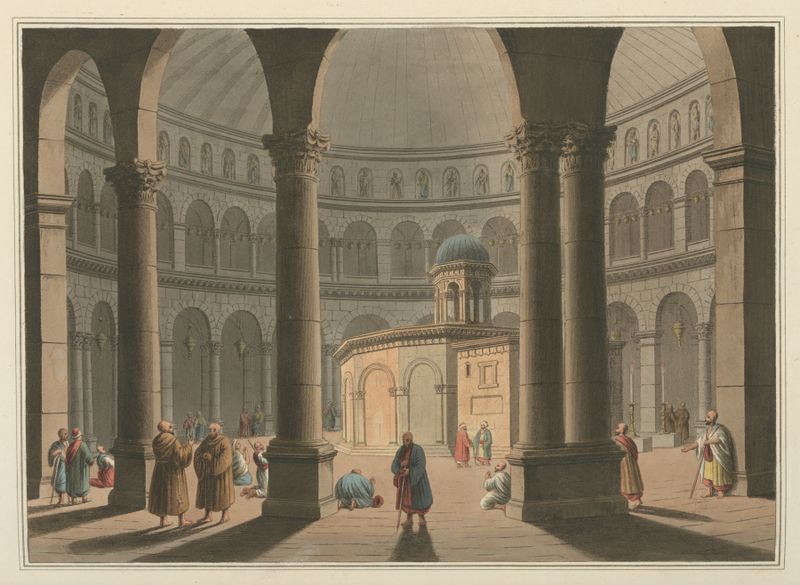
Church of the Holy Sepulchre
Luigi Mayer
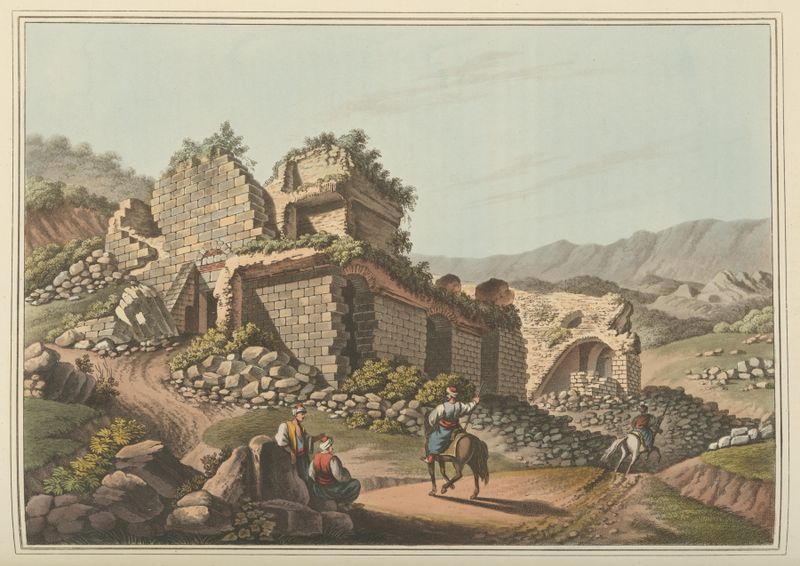
Theatre at Ephesus
Luigi Mayer
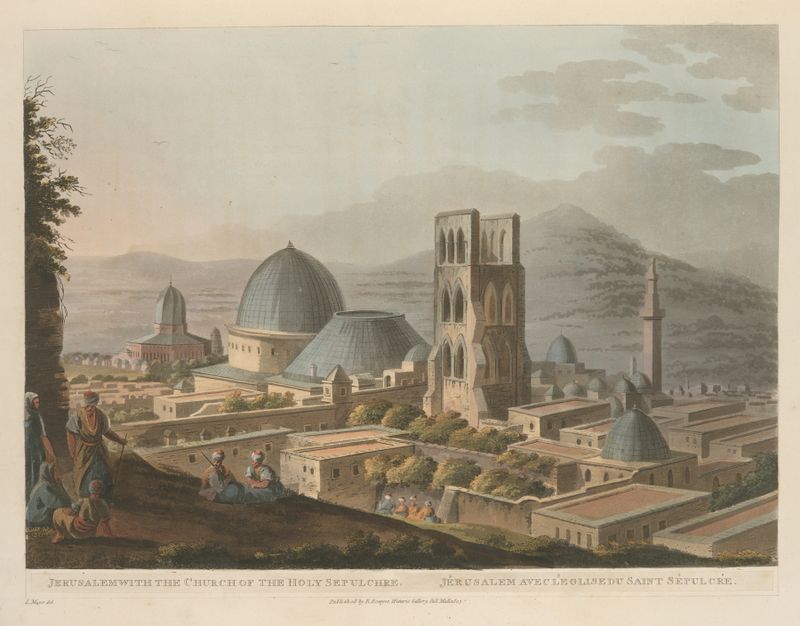
Jerusalem with the Church of the Holy Sepulchre
Luigi Mayer
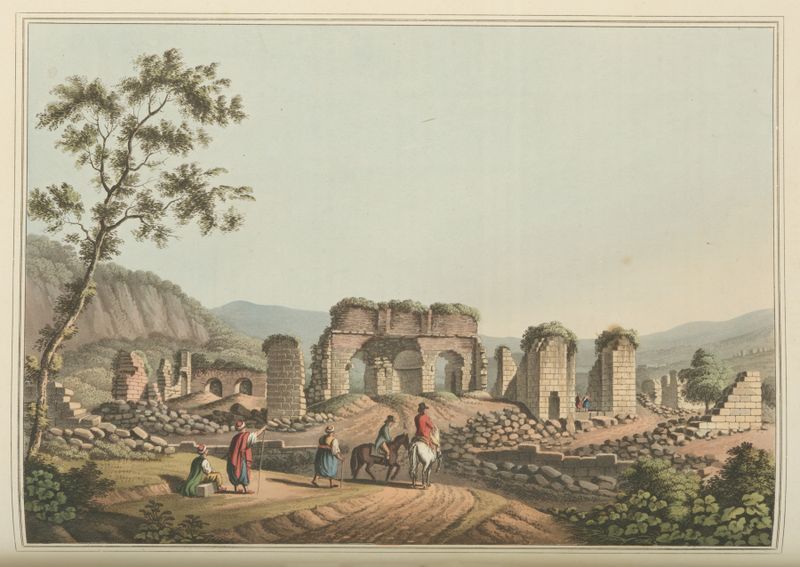
Ruins of the Temple of Diana at Ephesus
Luigi Mayer

Crater in the Island of Volcano
Luigi Mayer
More Historical Art
Browse all →
The Night Watch Militia Company of District II under the Command of Captain Frans Banninck Cocq
Rembrandt van Rijn

Lincoln Memorial
Henry Bacon

The Third of May 1808
Francisco de Goya

Isaac and Rebecca, Known as ‘The Jewish Bride’
Rembrandt van Rijn

The Charge of the Mamelukes (1814)
Francisco de Goya

De vier ruiters van de apocalyps
Albrecht Dürer