
The Shelling of ’s-Hertogenbosch by the French — History & Facts
Can paint confess what words never could? In The Shelling of ’s-Hertogenbosch by the French, the viewer is invited to witness a legacy of destruction through the eyes of a masterful observer, capturing chaos in serene strokes. Focus first on the distant horizon, where dark smoke billows upwards, transforming the once-vibrant landscape into a haunting tableau of devastation. The canvas is alive with contrasting colors — the deep blues and earthy browns of the earth clash against the fiery reds of destruction, lending an eerie vibrancy to the scene. Notice how the figures in the foreground, seemingly small and overshadowed by the looming catastrophe, huddle together, their expressions a mix of fear and defiance, drawing attention to the human cost of war. Amid the tumult, a careful balance emerges between tragedy and resilience.
The way the light breaks through the smoke creates a glimmer of hope, suggesting that even amidst utter chaos, humanity remains. The juxtaposition of nature's beauty with human folly underscores a profound commentary on the fragility of life; the artist's choice to depict a historical event serves as a reminder that each brushstroke encapsulates a moment forever altered by conflict. Josephus Augustus Knip painted this piece in 1800, during a period of significant upheaval in Europe. Living in the Netherlands while witnessing the effects of Napoleonic wars, the artist's perspective was shaped by the tumultuous current events around him.
As a Romantic landscape painter, Knip aimed to elevate the destructive narrative, blending natural beauty with the stark realities of warfare, thus leaving behind a poignant legacy for future generations to reflect upon.
More Artworks by Josephus Augustus Knip
Browse all →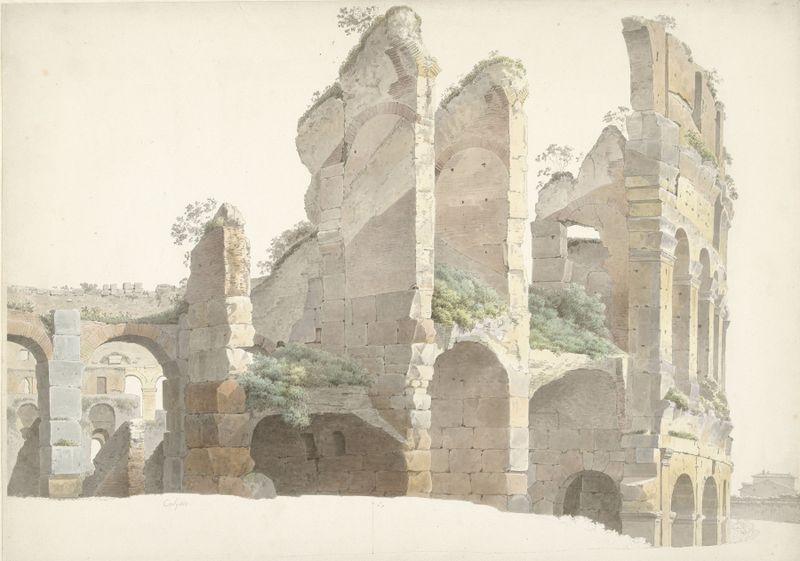
Het Colosseum te Rome
Josephus Augustus Knip
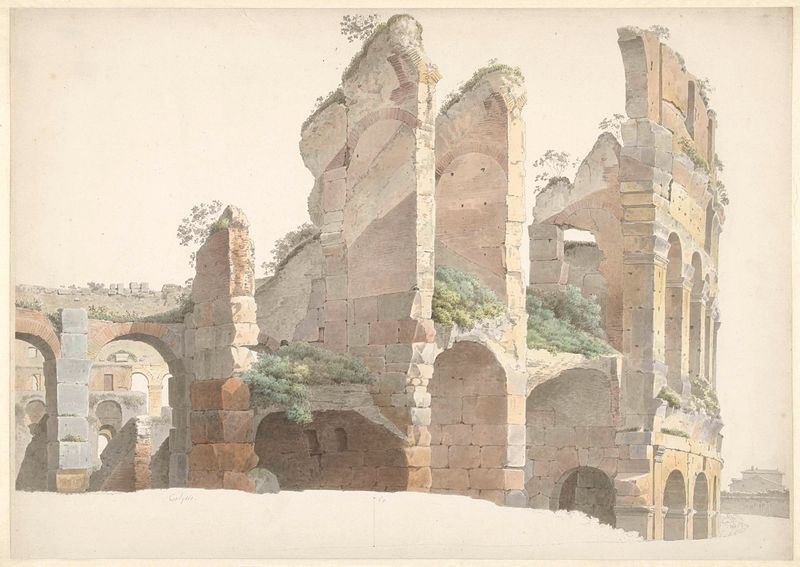
Het Colosseum te Rome
Josephus Augustus Knip
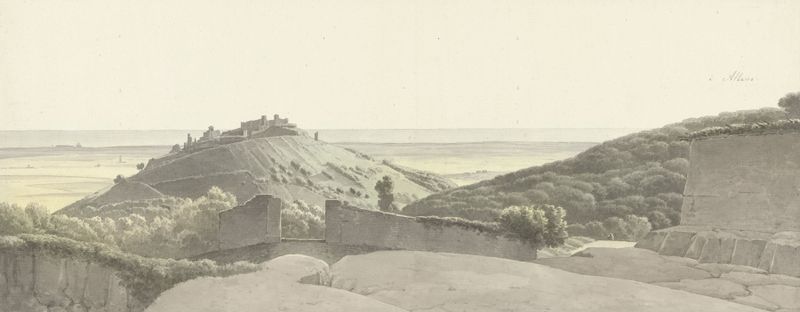
Landscape around Albano Laziale
Josephus Augustus Knip

View of Ariccia from Genzano
Josephus Augustus Knip
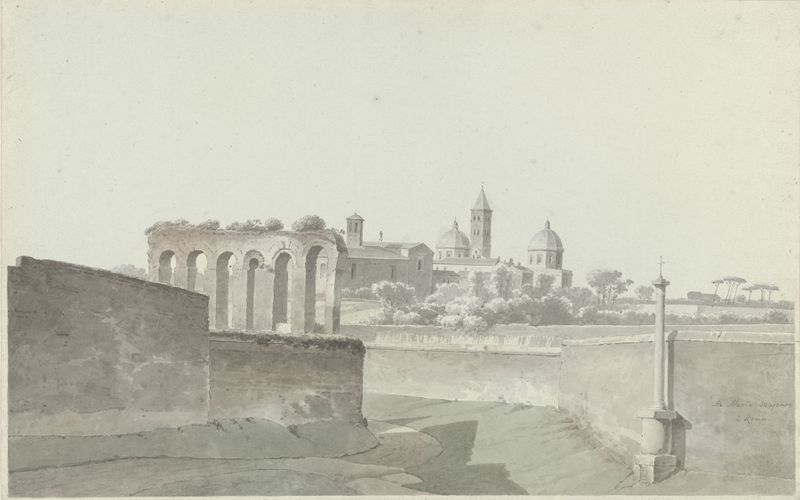
The Basilica of Santa Maria Maggiore in Rome
Josephus Augustus Knip
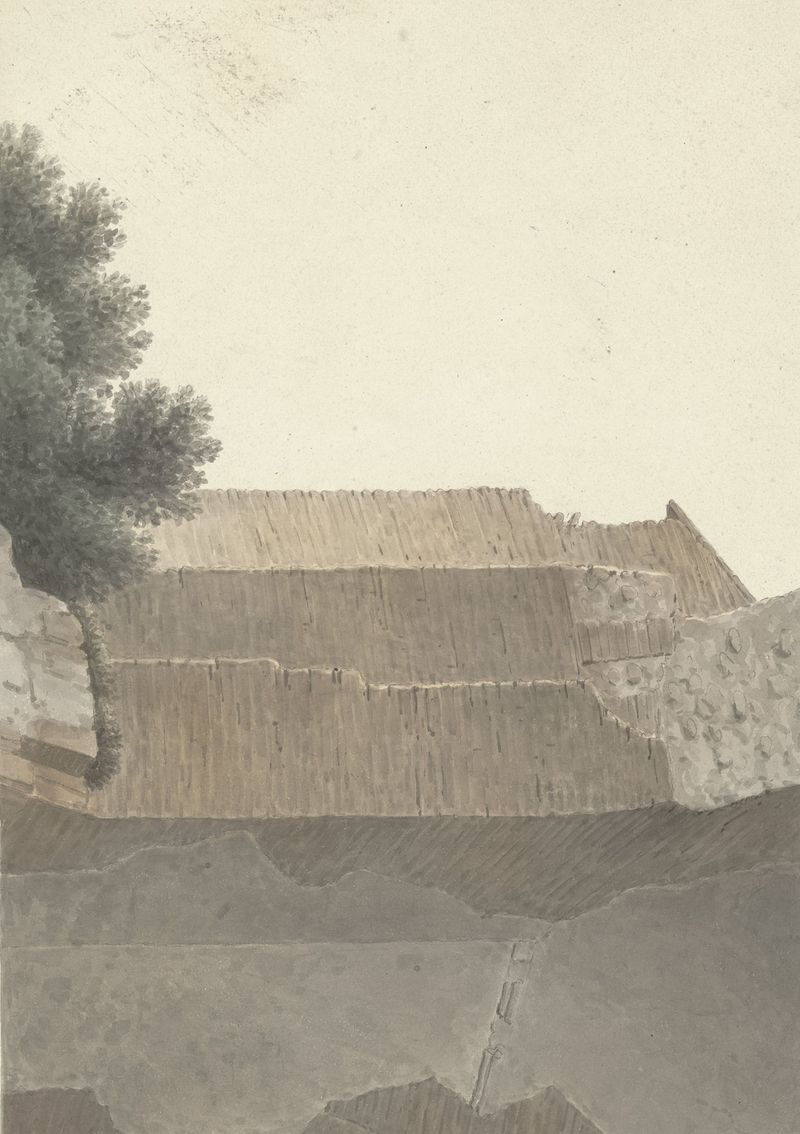
Part of the Vault of the Temple of Minerva Medica in Rome
Josephus Augustus Knip
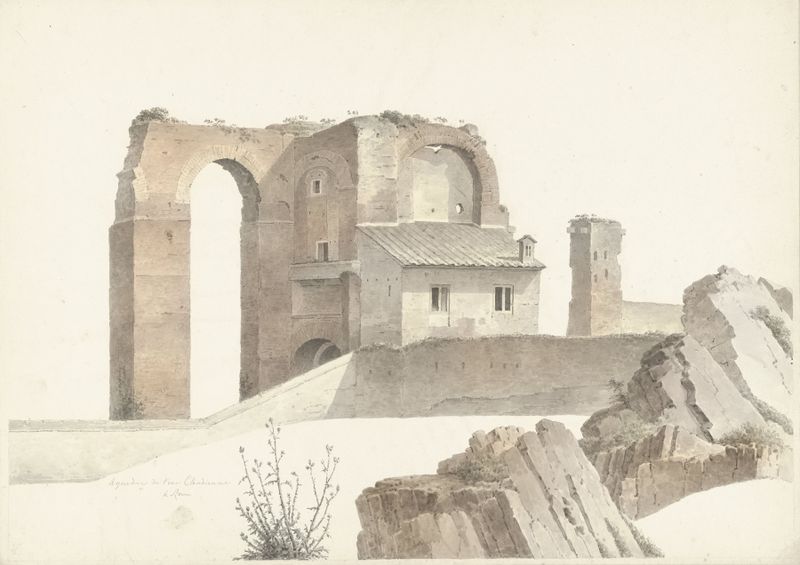
The Aqua Claudia in Rome
Josephus Augustus Knip
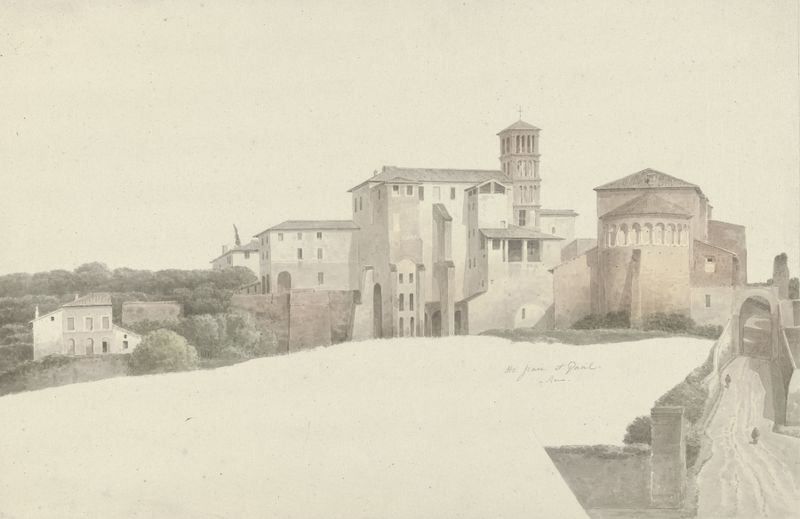
Basilica and Monastery of Santi Giovanni e Paolo in Rome
Josephus Augustus Knip
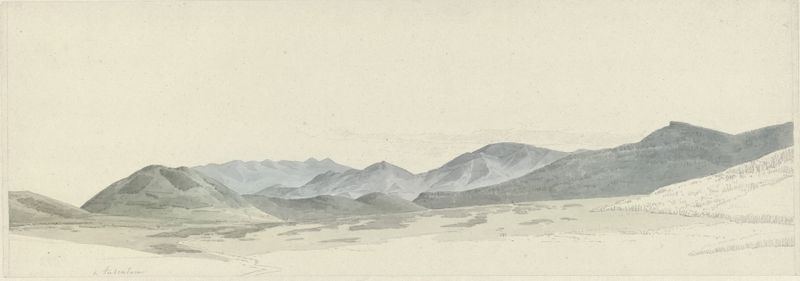
Mountain Landscape at Tusculum
Josephus Augustus Knip
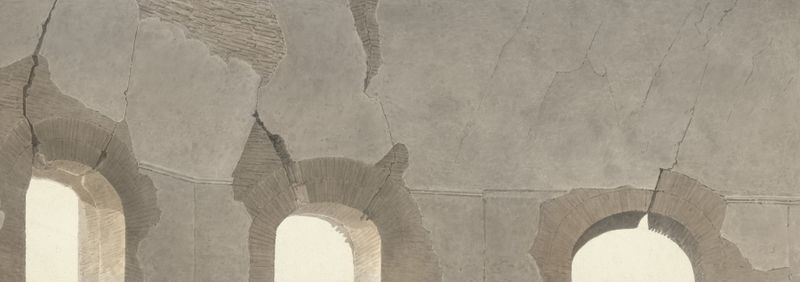
Part of the Vault of the Temple of Minerva Medica in Rome
Josephus Augustus Knip
More Historical Art
Browse all →
The Night Watch Militia Company of District II under the Command of Captain Frans Banninck Cocq
Rembrandt van Rijn

Lincoln Memorial
Henry Bacon

The Third of May 1808
Francisco de Goya

Isaac and Rebecca, Known as ‘The Jewish Bride’
Rembrandt van Rijn

The Charge of the Mamelukes (1814)
Francisco de Goya

De vier ruiters van de apocalyps
Albrecht Dürer