
The Sleepers — History & Facts
Few paintings from the early twentieth century have sparked as much quiet speculation as The Sleepers by Gustave Van de Woestijne. The date and circumstances of its creation remain uncertain, yet the work is often cited in discussions of Van de Woestijne’s enigmatic approach to rural life and the human psyche. Scholars note that the painting’s atmosphere aligns closely with the artist’s years in the Flemish countryside, where he was deeply influenced by the rhythms of peasant existence and the spiritual undertones of daily labor.
The absence of a clear commission or early exhibition history only deepens the sense of mystery that surrounds the work. In The Sleepers, a group of figures lies in uneasy repose, their bodies arranged with a formality that belies the supposed peace of sleep. The artist captures a moment suspended between rest and unrest: eyelids heavy, hands folded or splayed, faces turned away from one another. The muted palette and heavy outlines create a sense of weight and enclosure, as if the sleepers are both protected and imprisoned by their own dreams.
The scene recalls the psychological intensity of Edvard Munch’s figures, but where Munch’s anxiety is raw, Van de Woestijne’s is hushed and internalized. The sparse setting and the ambiguous gestures encourage viewers to wonder: are these sleepers at peace, or are they escaping something unseen? The physical history of The Sleepers is as elusive as its meaning. No records survive to indicate who first owned the painting or how it entered public view, and its early provenance remains undocumented.
Today, it is recognized as a significant example of Van de Woestijne’s Symbolist period, a time when he explored the psychological dimensions of rural life through a unique blend of realism and stylization. The painting’s uncertain origins have not diminished its reputation; instead, they have made it a touchstone for those interested in the intersections of dream, reality, and the spiritual in early modern Belgian art.
More Artworks by Gustave Van de Woestijne
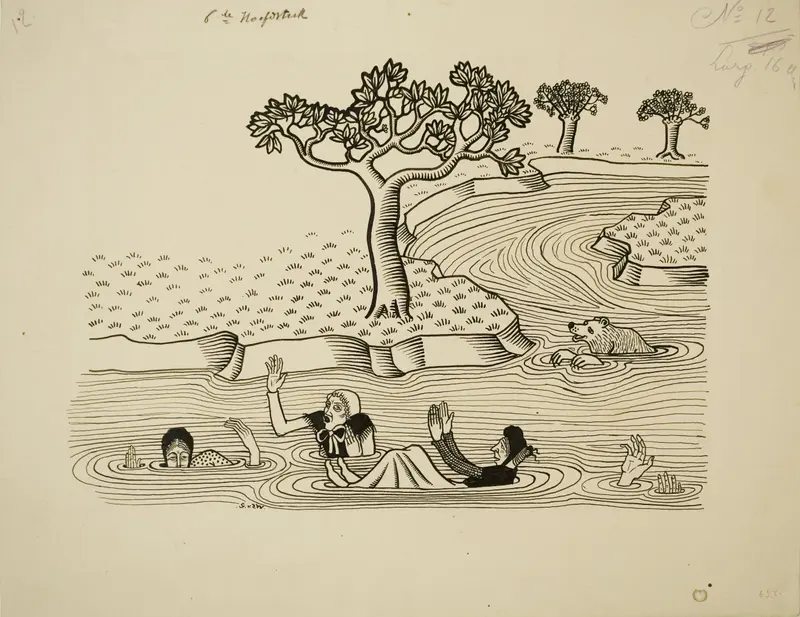
How Brown went out with Reynard where he thought he was eating honey and how he was caught by head and feet and suffered further misfortune
Gustave Van de Woestijne
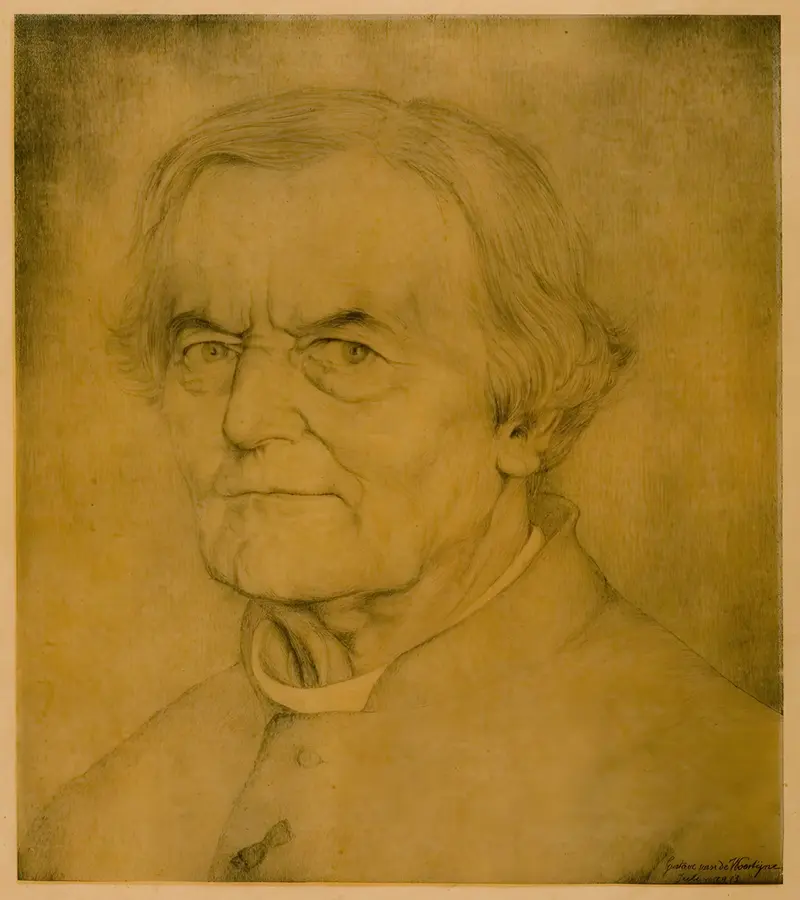
Portrait of Hugo Verriest
Gustave Van de Woestijne
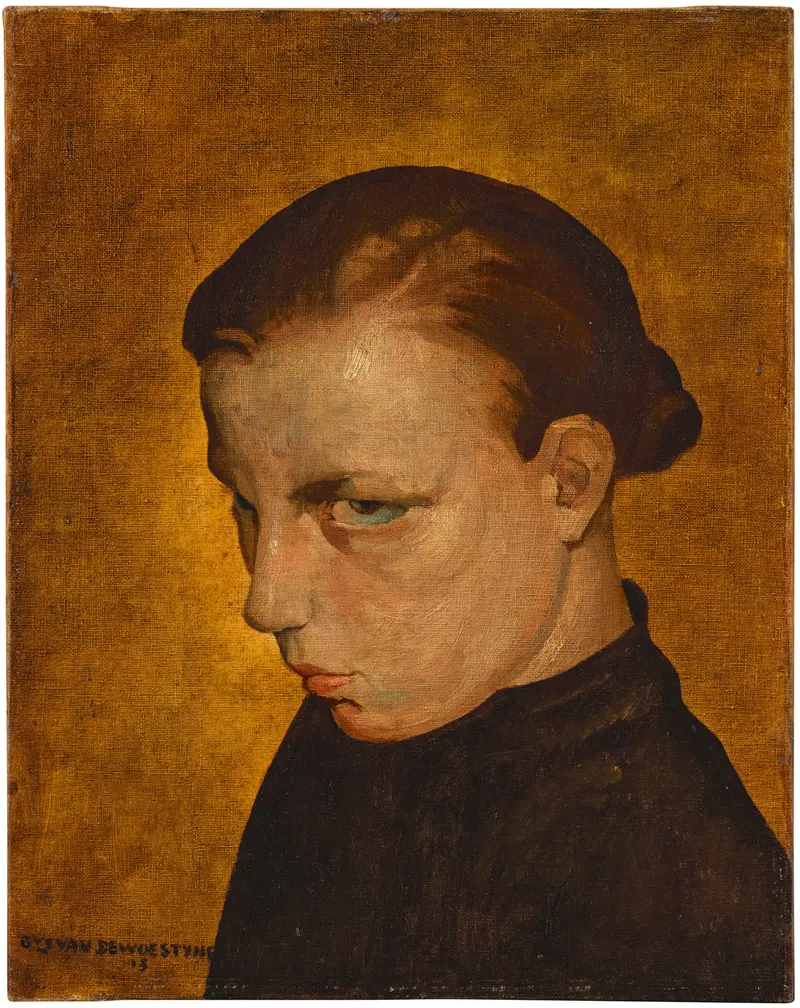
Angèle
Gustave Van de Woestijne
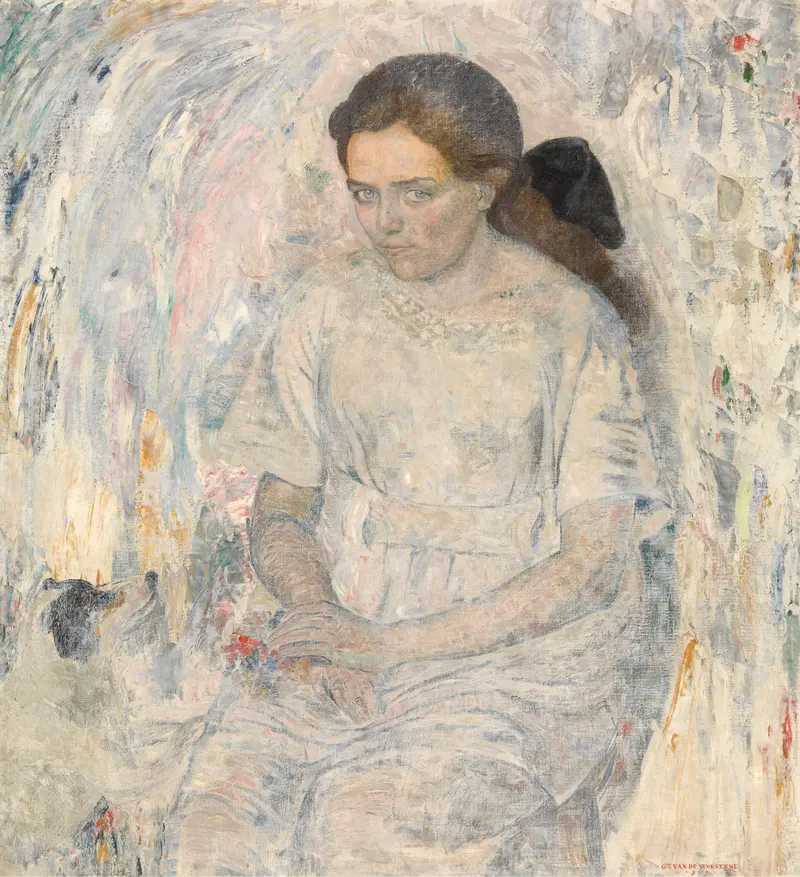
Adrienne
Gustave Van de Woestijne
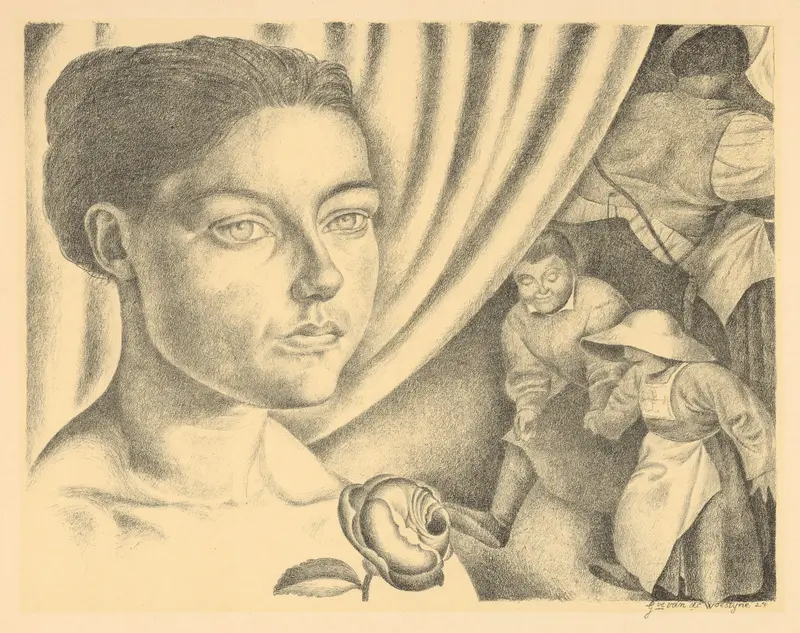
Jeune Femme
Gustave Van de Woestijne
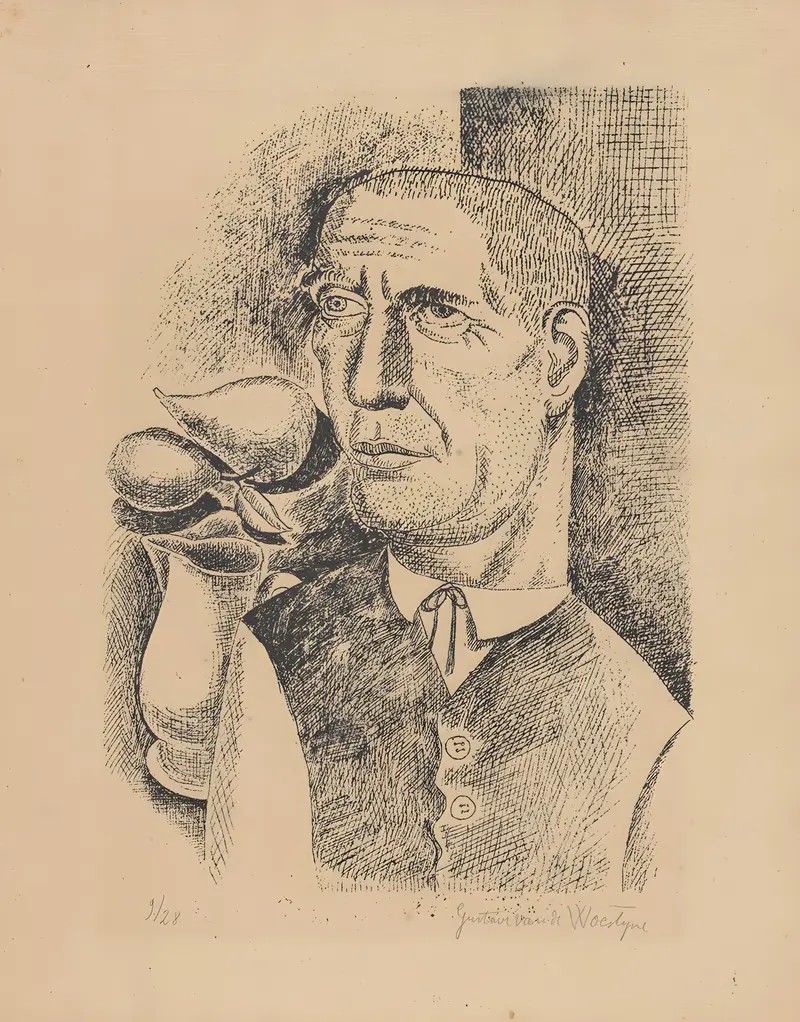
Boer op zijn zondags (Paysan endimanché)
Gustave Van de Woestijne
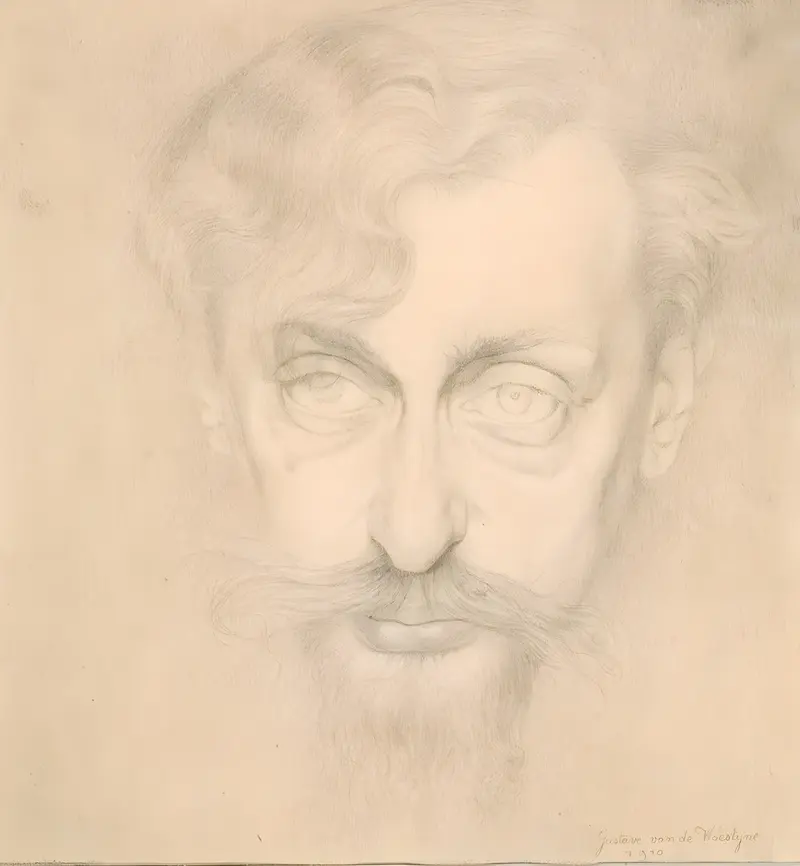
Portrait of the Writer Karel van de Woestijne
Gustave Van de Woestijne
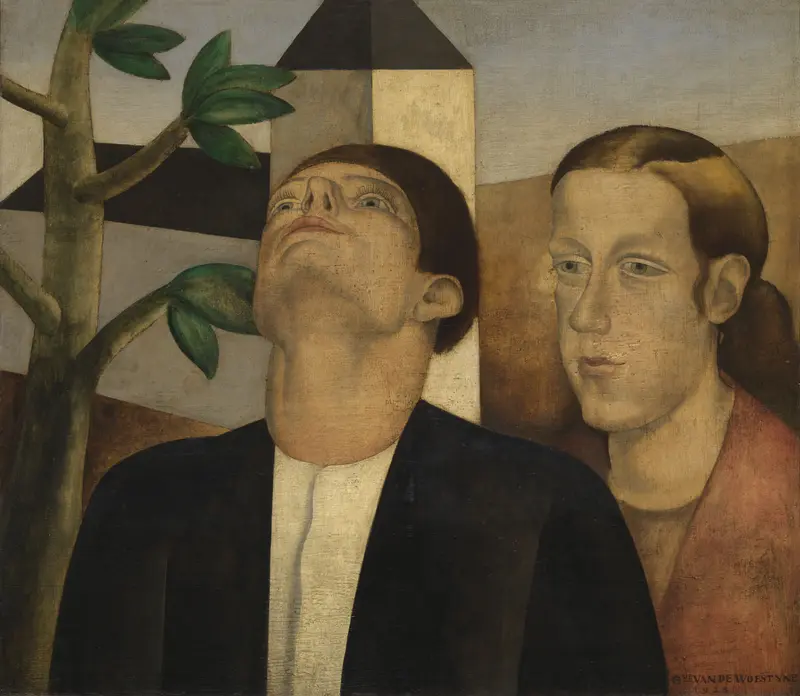
Azure
Gustave Van de Woestijne
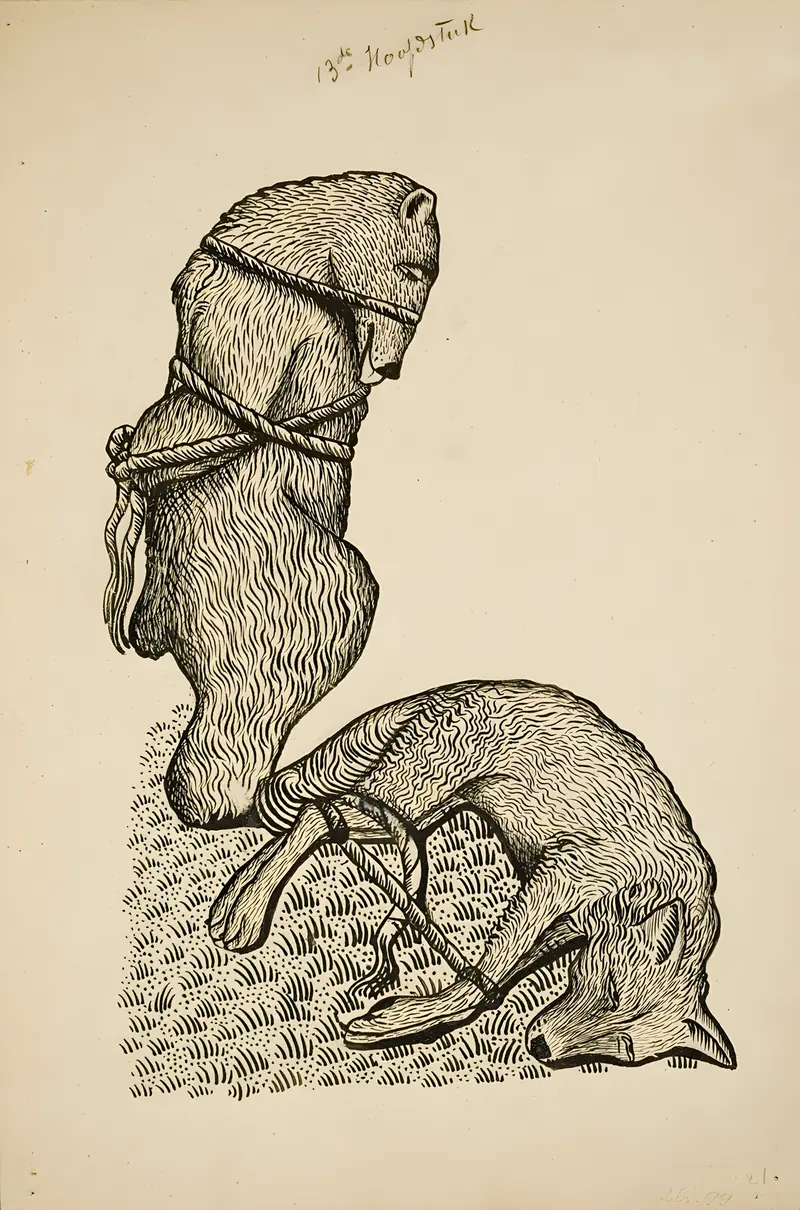
How Reinaert devises a new trick to get free and exterminate his enemies
Gustave Van de Woestijne
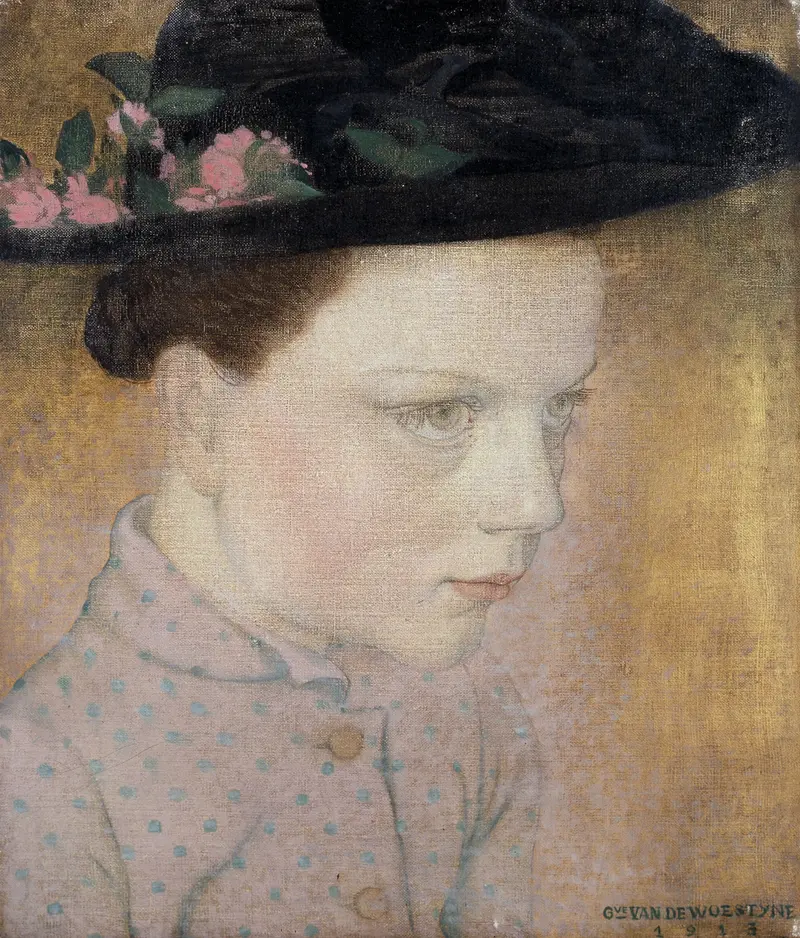
Country Girl
Gustave Van de Woestijne



