
The Stone Breaker — History & Facts
When The Stone Breaker was first exhibited in 1883, it marked a turning point for Georges Seurat, who was just 23 years old and still years away from developing the pointillist technique that would make him famous. Critics at the time were struck by the painting’s somber realism, and some noted its kinship with Gustave Courbet’s earlier depiction of laborers. The work stands out as Seurat’s earliest known painting of a single human figure at work, and it has long been discussed for its unflinching focus on the dignity and hardship of manual labor.
Unlike his later, more luminous scenes, this canvas is rooted in the gritty realities of rural France in the early 1880s. The painting captures a solitary man, bent over a pile of stones, his body taut with exertion. Seurat freezes him at the moment his hammer is raised, the tension in his limbs echoing the rough landscape around him. The worker’s simple clothing, battered hat, and sturdy boots speak to a life of toil, while the muted palette and heavy shadows reinforce the sense of weight and fatigue.
Where Courbet’s The Stone Breakers (1849) presents two figures, Seurat’s choice to focus on one amplifies the isolation and endurance of the laborer. The composition’s low horizon and close cropping bring the viewer into the worker’s world, forcing us to confront the physical and social realities of his existence. The precise history of The Stone Breaker as an object is less well documented than many of Seurat’s later works. It was painted before Seurat’s association with the Neo-Impressionist circle and before his celebrated A Sunday Afternoon on the Island of La Grande Jatte.
The painting’s early provenance is uncertain, and it is not clear whether it was sold during Seurat’s lifetime or remained in his family’s possession. Today, it is recognized as a key example of Seurat’s formative years, revealing his early interest in social themes and his commitment to careful observation. Its current home in the online gallery allows new audiences to appreciate a lesser-known facet of Seurat’s artistic journey.
More Artworks by Georges Seurat
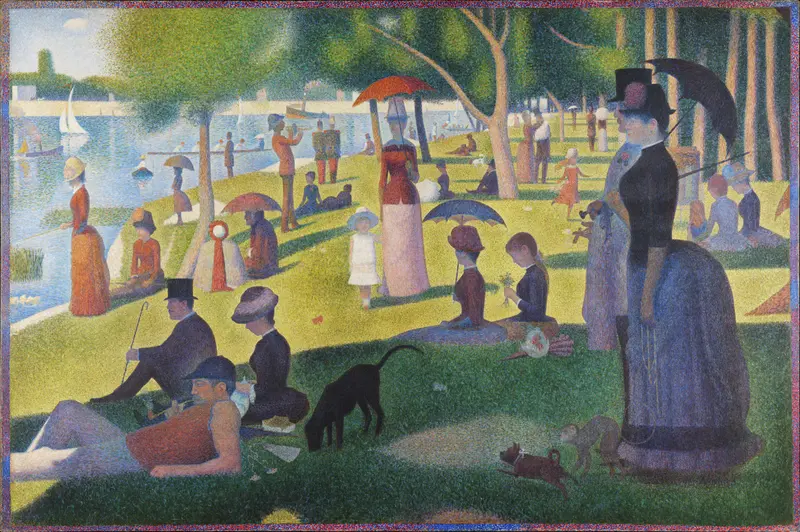
A Sunday Afternoon on the Island of La Grande Jatte
Georges Seurat
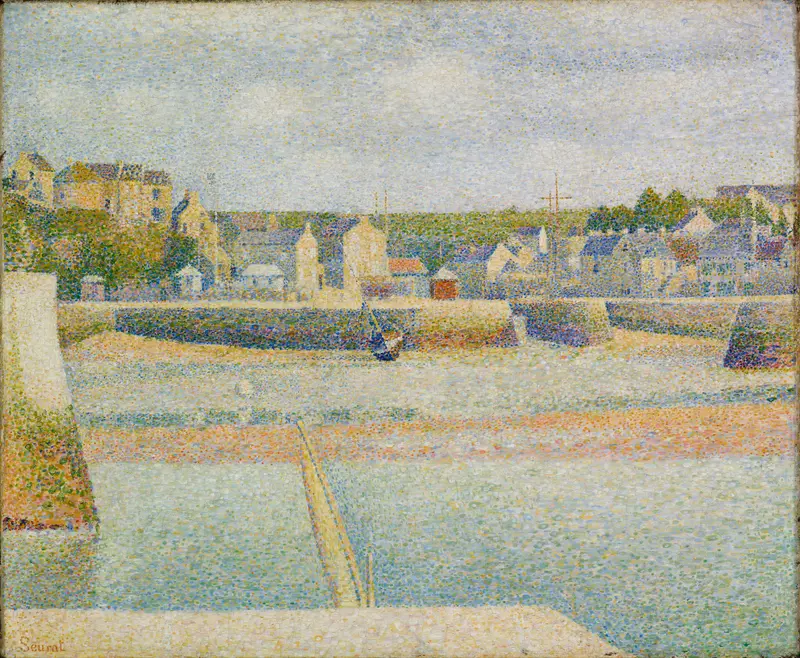
Port-en-Bessin, The Outer Harbor (Low Tide)
Georges Seurat
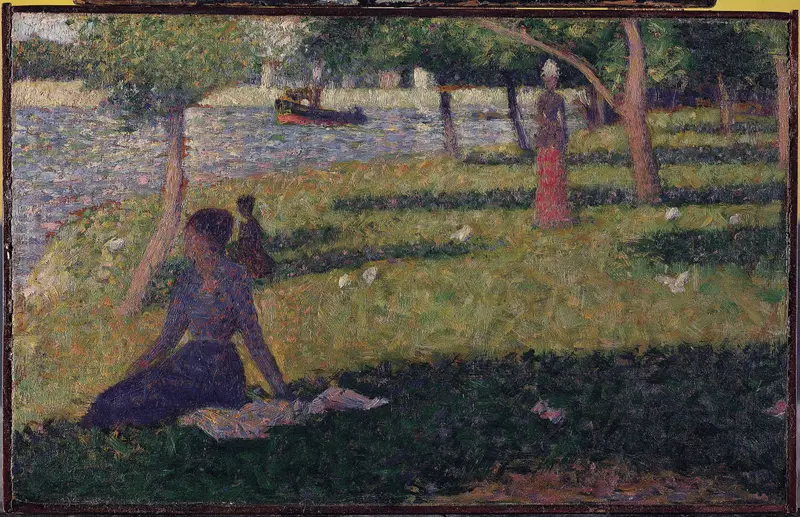
Étude pour ‘La Grande Jatte’ (Study for ‘La Grande Jatte’)
Georges Seurat
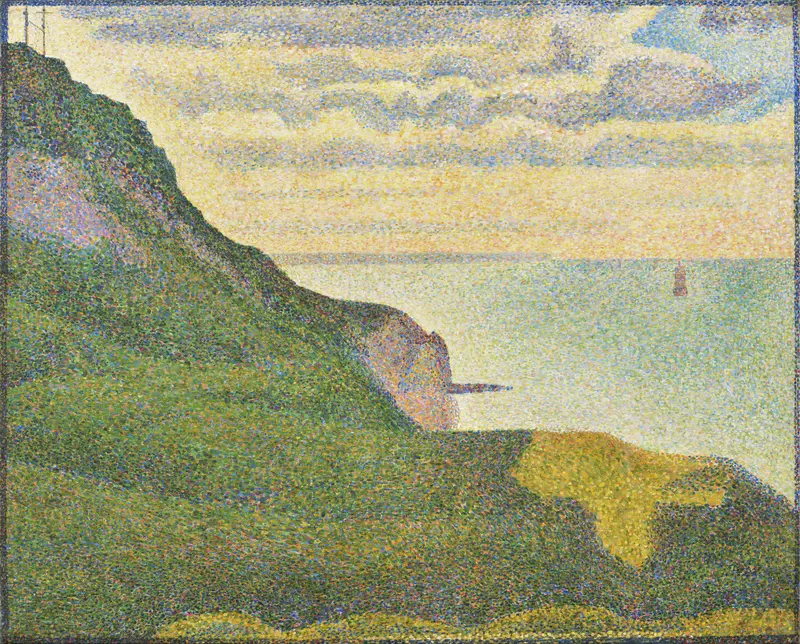
Seascape at Port-en-Bessin,Normandy
Georges Seurat
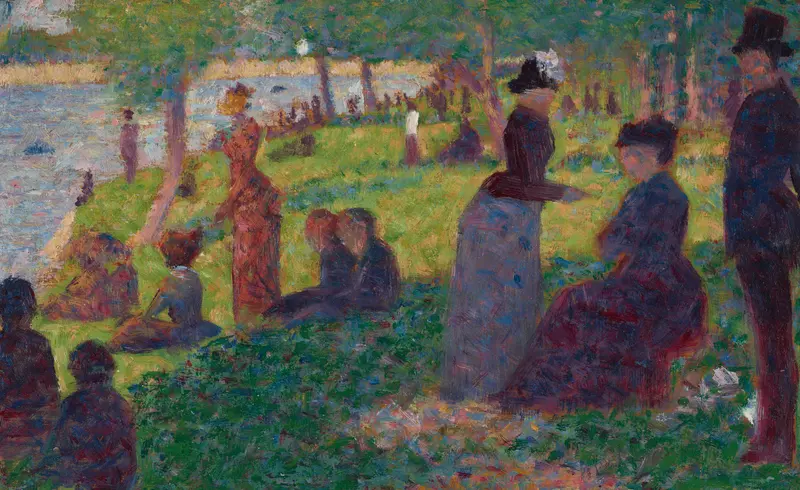
Oil Sketch for "A Sunday on La Grande Jatte — 1884"
Georges Seurat
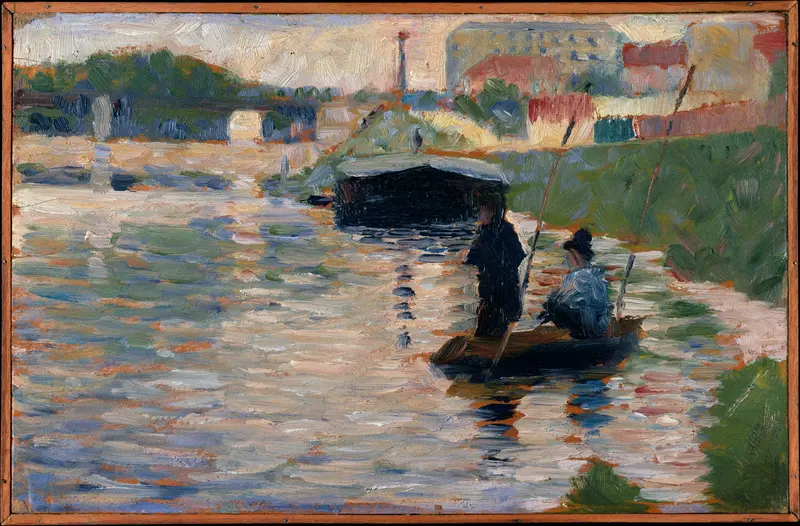
View of the Seine
Georges Seurat
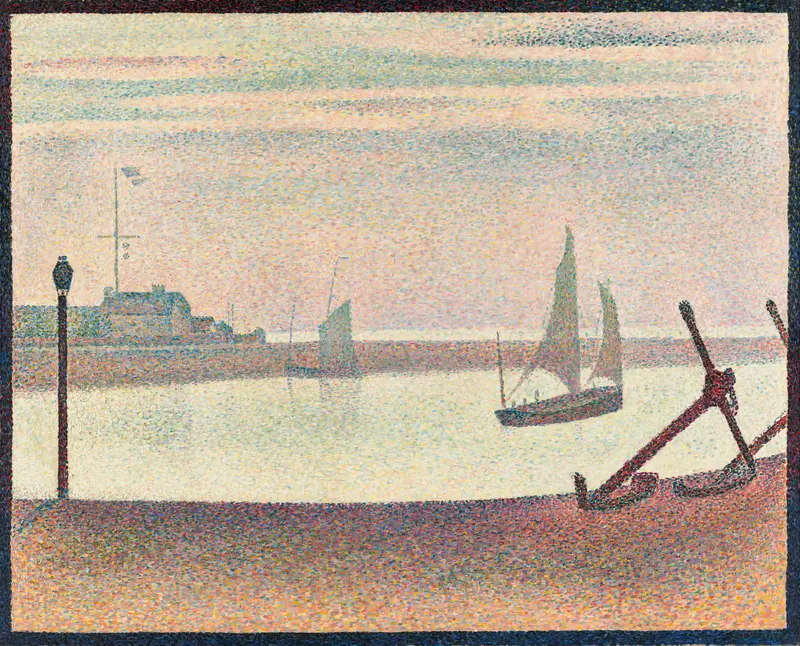
The Channel at Gravelines, Evening
Georges Seurat
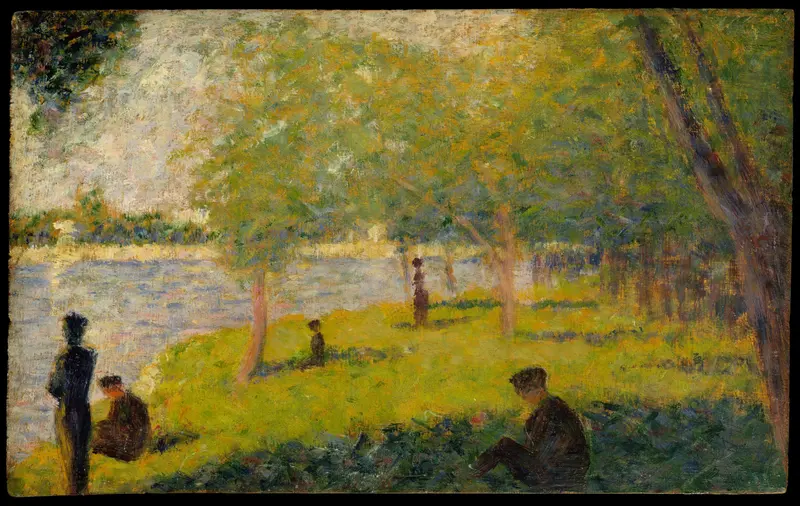
Study for ‘A Sunday on La Grande Jatte’
Georges Seurat
Study for A Sunday on La Grande Jatte
Georges Seurat
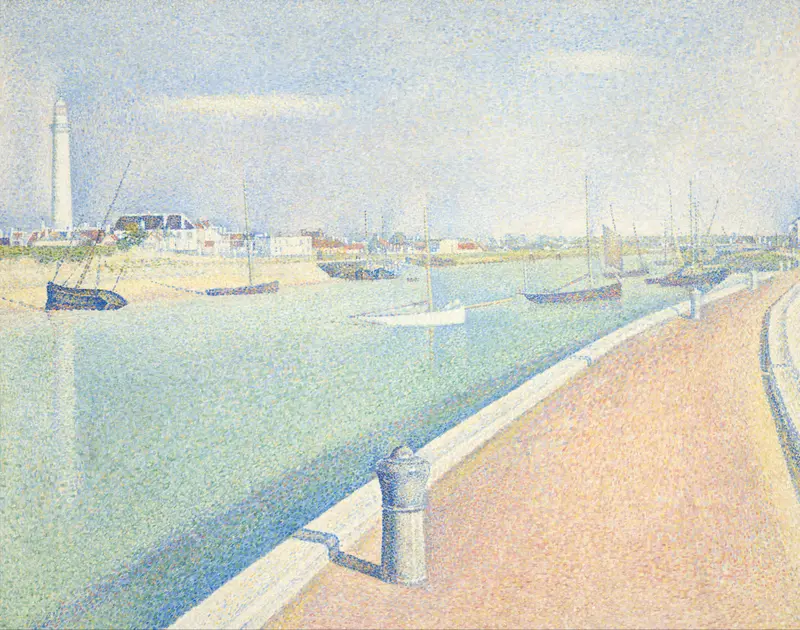
The Channel of Gravelines, Petit Fort Philippe
Georges Seurat



