
The Stone Breaker III — History & Facts
When Georges Seurat exhibited The Stone Breaker III in 1882, he was just 23 years old and still years away from pioneering the Pointillism technique that would make his name. Yet even at this early stage, Seurat was already drawn to the quiet dignity of ordinary laborers—a subject that had recently stirred controversy in the Paris Salon, where depictions of working-class hardship challenged polite society’s sensibilities. The painting is the third in a little-known sequence; the first two versions are lost, leaving this canvas as the sole surviving testament to Seurat’s early fascination with the theme.
Its existence hints at a restless experimentation, as the young artist returned repeatedly to the same humble figure, searching for the right balance of form, light, and social commentary. In this scene, a solitary man bends over a heap of broken stones, his muscular arms frozen mid-swing as he lifts his hammer. The sun beats down on his back, casting sharp shadows that emphasize the harshness of his task. Seurat’s brushwork is still conventional, but his eye for structure is unmistakable: the composition is built on clear, geometric shapes, and the worker’s body is rendered with a sculptural solidity.
The muted palette and lack of anecdotal detail strip the scene of sentimentality, focusing the viewer’s attention on the repetitive, almost mechanical nature of manual labor. Unlike Gustave Courbet’s The Stone Breakers—destroyed during World War II—which depicted two figures and a broader social context, Seurat isolates his subject, inviting reflection on the individual’s endurance. The precise provenance of The Stone Breaker III is uncertain; no records survive of a commission or early ownership, and the medium remains undocumented, though it is likely oil on canvas. The painting resurfaced in the early twentieth century, when scholars began to piece together Seurat’s formative years from scattered references and surviving works.
Today, it is recognized as a key document of his pre-Pointillist period, offering insight into the artist’s evolving technique and social concerns. It hangs in the online gallery as a rare window onto Seurat’s apprenticeship, bridging the gap between the academic training of his youth and the revolutionary innovations that would soon follow.
More Artworks by Georges Seurat
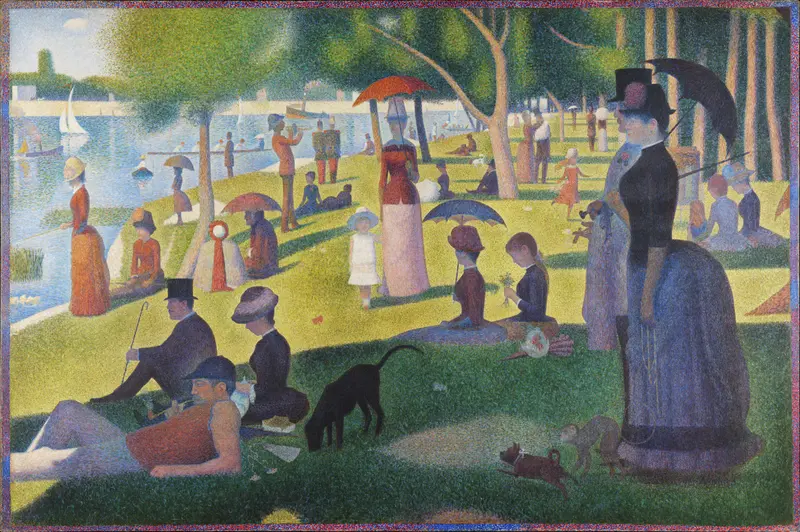
A Sunday Afternoon on the Island of La Grande Jatte
Georges Seurat
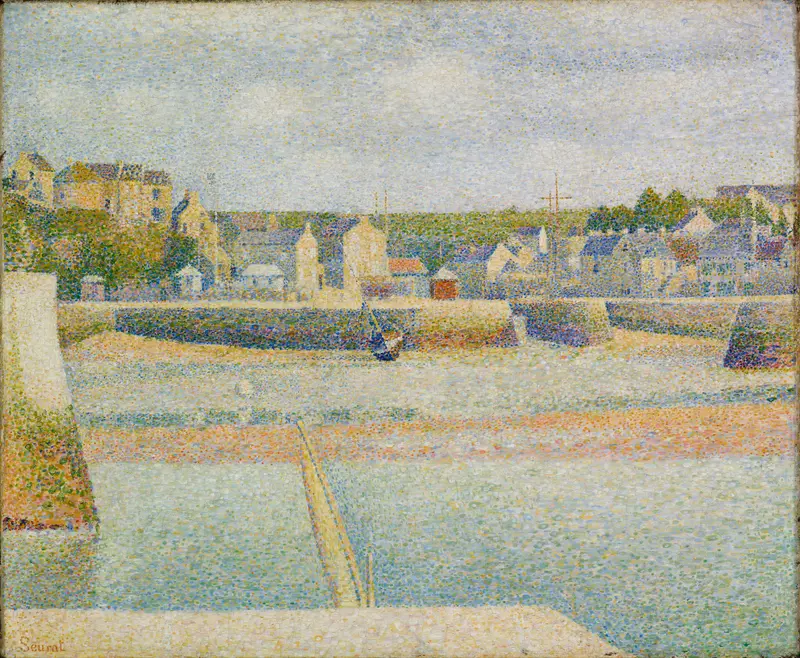
Port-en-Bessin, The Outer Harbor (Low Tide)
Georges Seurat
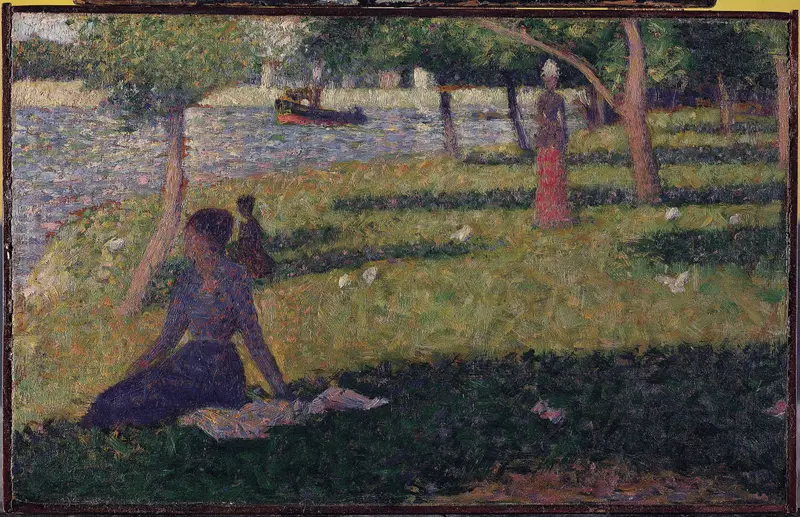
Étude pour ‘La Grande Jatte’ (Study for ‘La Grande Jatte’)
Georges Seurat
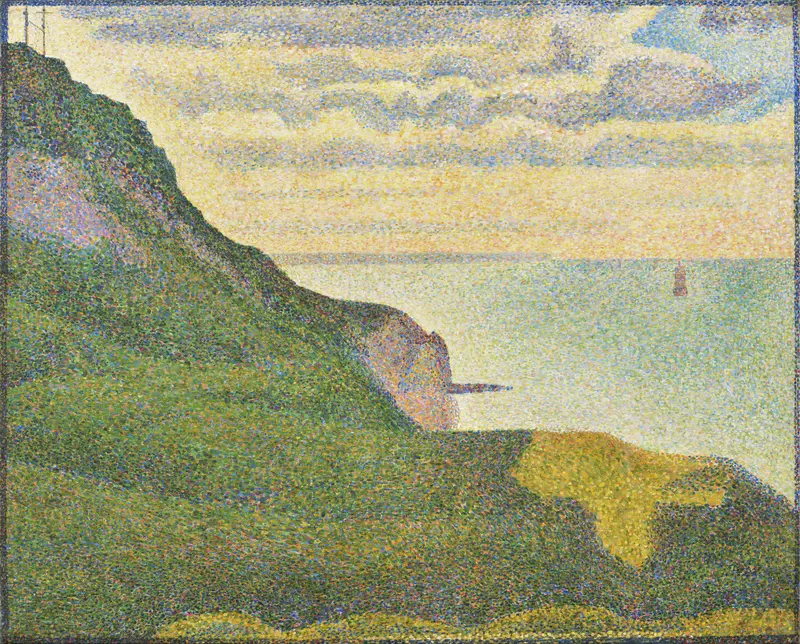
Seascape at Port-en-Bessin,Normandy
Georges Seurat
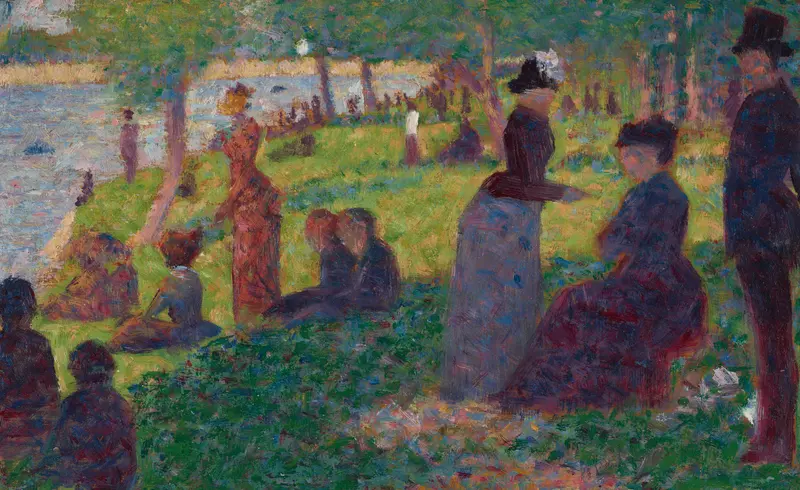
Oil Sketch for "A Sunday on La Grande Jatte — 1884"
Georges Seurat
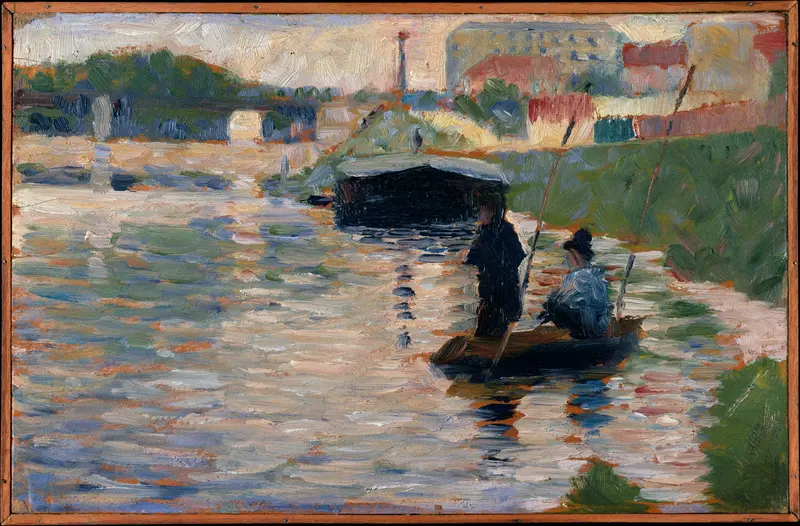
View of the Seine
Georges Seurat
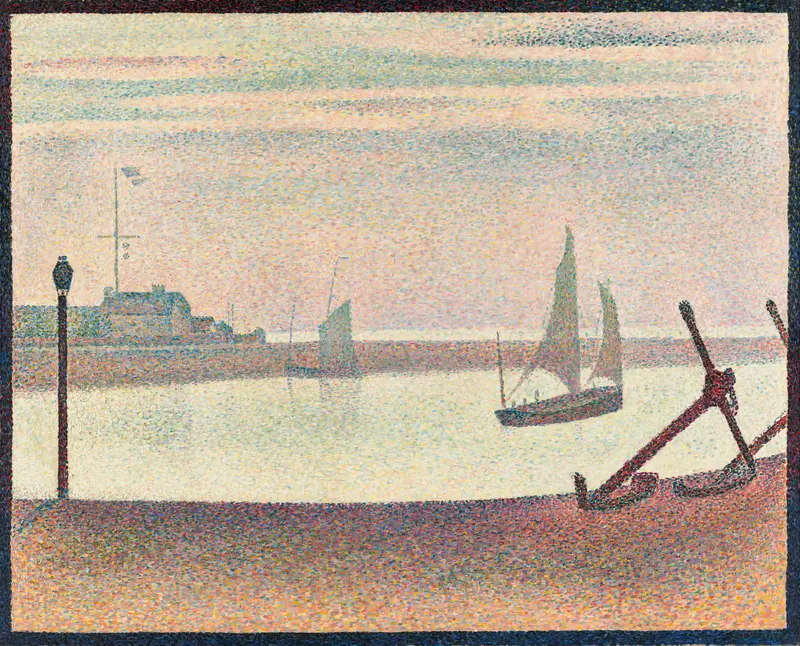
The Channel at Gravelines, Evening
Georges Seurat
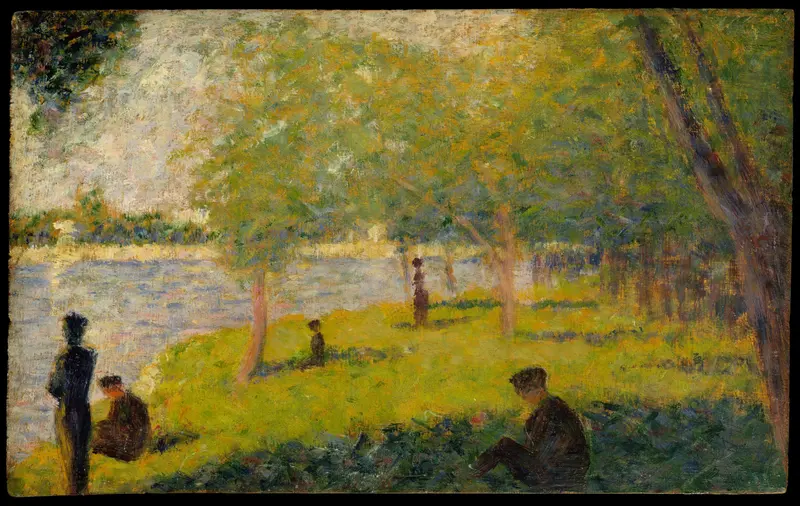
Study for ‘A Sunday on La Grande Jatte’
Georges Seurat
Study for A Sunday on La Grande Jatte
Georges Seurat
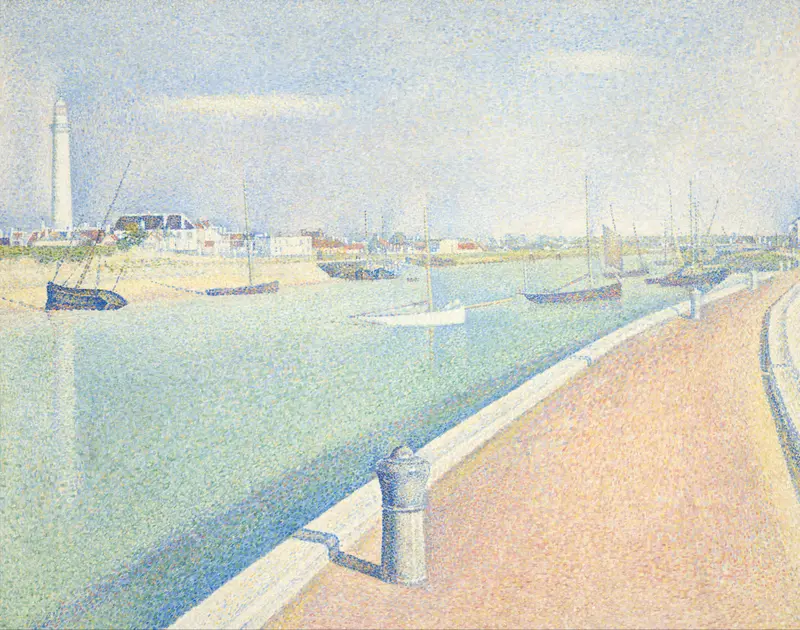
The Channel of Gravelines, Petit Fort Philippe
Georges Seurat



