
The Temptation Of Adam In Paradise — History & Facts
In The Temptation Of Adam In Paradise, Jan Brueghel the Elder presents a lush and vibrant scene filled with rich colors. The painting depicts Adam in a verdant paradise, surrounded by various animals and plants. The figures are intricately detailed, showcasing Brueghel's skill in rendering textures and expressions.
The overall atmosphere is both serene and charged with the tension of temptation. The painting is executed in oil on panel, a medium that allows for fine detail and vibrant color. Brueghel's use of light and shadow creates depth, enhancing the three-dimensionality of the figures and landscape. The meticulous brushwork is evident in the foliage and the delicate features of the figures.
This attention to detail is characteristic of the Northern Renaissance style. Jan Brueghel the Elder was known for his detailed landscapes and allegorical works. This painting, created around 1610, reflects the themes of temptation and innocence, central to many religious narratives. An interesting fact about this work is that it combines elements of both biblical storytelling and the natural world, showcasing Brueghel's fascination with nature.
His ability to weave these themes together is a hallmark of his artistic legacy.
More Artworks by Jan Brueghel the Elder

Bouquet of Flowers in an Earthenware Vase
Jan Brueghel the Elder
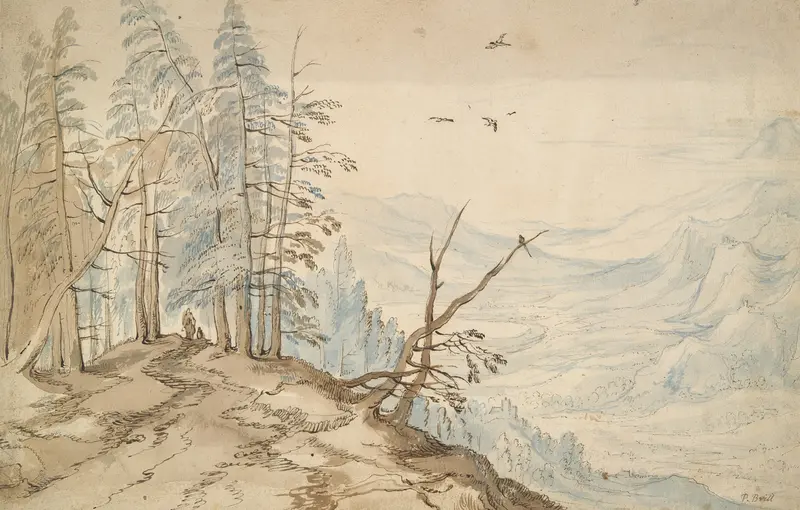
View in a Valley from the Edge of a Mountain Road
Jan Brueghel the Elder
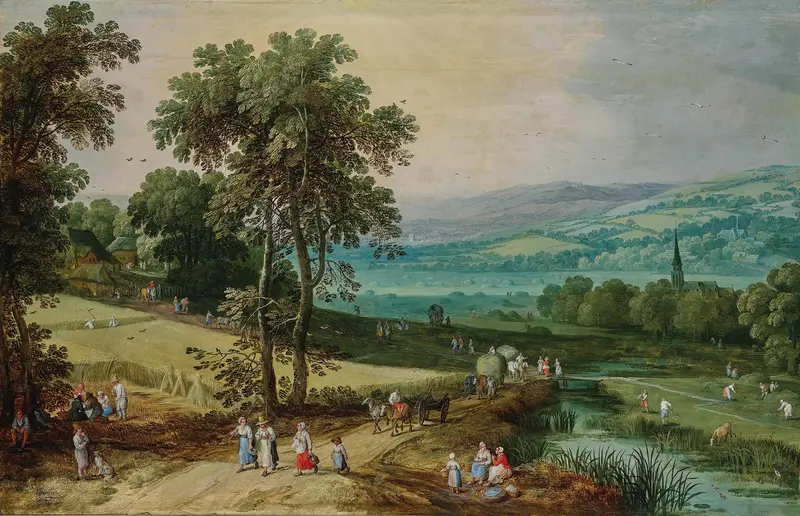
An extensive wooded landscape with travellers on a path and the corn harvest in the foreground
Jan Brueghel the Elder
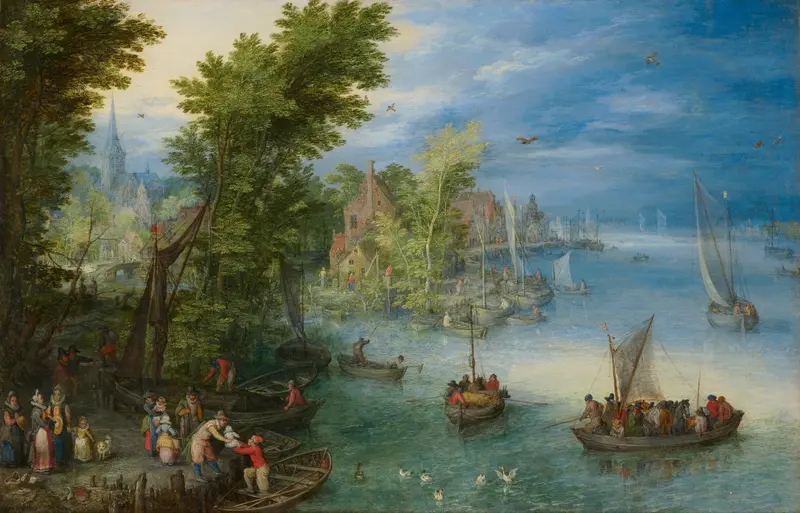
River Landscape
Jan Brueghel the Elder
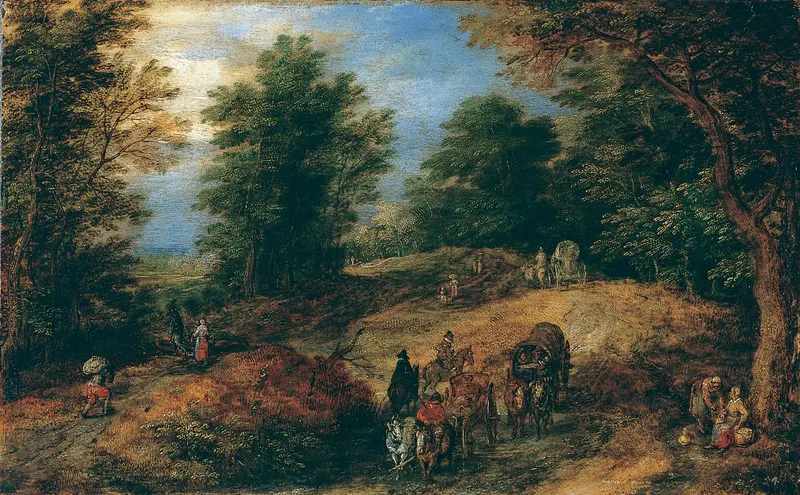
Landscape with Travelers on a Woodland Path
Jan Brueghel the Elder

View of a Village along a River
Jan Brueghel the Elder
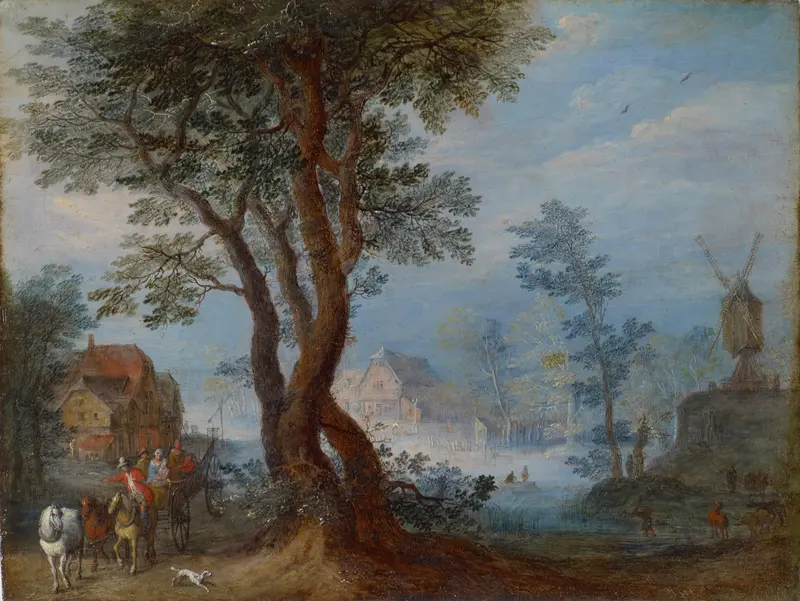
Village Landscape with Staffage Figures
Jan Brueghel the Elder
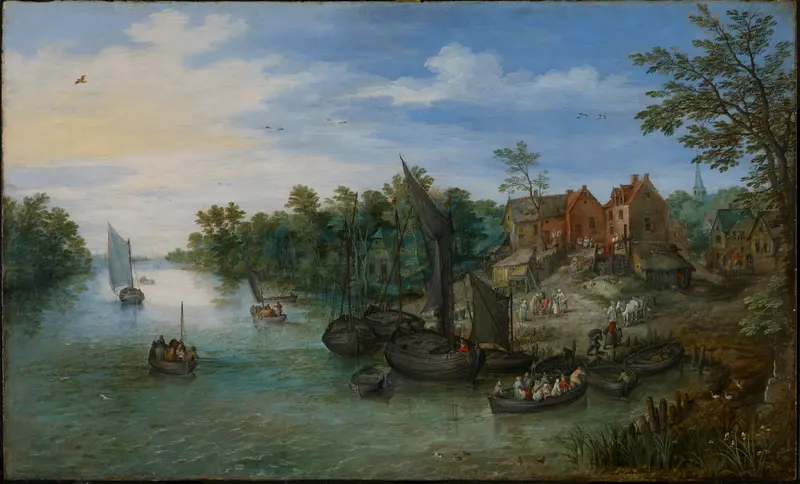
River Landscape
Jan Brueghel the Elder
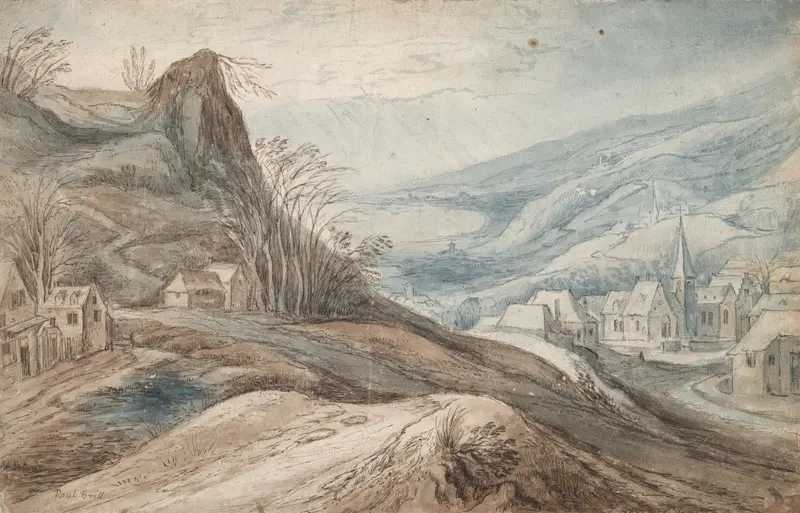
Mountainous Landscape with Village in Valley and Distant View
Jan Brueghel the Elder
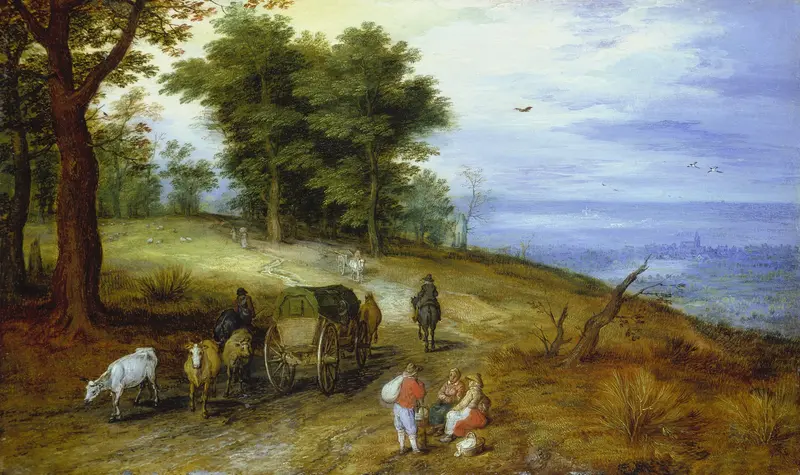
Wooded Landscape with Figures
Jan Brueghel the Elder





