
The Terrace at the Garden at Les Lauves — History & Facts
Sunlight splashes across the canvas, illuminating the vibrant greens and warm terracotta of the garden. A figure reclines on a wooden terrace, their quiet presence enveloped in the lushness of nature. The air is thick with anticipation, the gentle rustle of leaves punctuating the stillness, as if time itself is transfixed in this moment of serene transformation. Look to the left at the dappled light filtering through the foliage, casting intricate shadows on the railing of the terrace.
Notice how Cézanne's brushstrokes create a rhythm, a pulse that animates the scene, drawing the eye toward the interplay of light and color. The richness of the palette, with its vibrant greens and earthy tones, invites exploration of every corner of the composition, revealing the harmonious relationship between man and nature. In this work, emotional tension simmers beneath the surface; the solitary figure, both a part of and apart from the surrounding beauty, embodies a complex duality of presence and isolation. The juxtaposition of the structured terrace against the wildness of the garden hints at a deeper conversation about transformation and the human experience within nature.
Each stroke seems to whisper the transient nature of life, where peace and introspection coexist amidst the vibrancy of the world. During the years 1902 to 1906, while working on this painting, Cézanne was deeply engaged in redefining the boundaries of impressionism, seeking to distill the essence of his subjects. Settled in the south of France, he absorbed the light and color of its landscapes, generating a profound shift in his work that would influence modern art. This period marked a pivotal transformation in his style, echoing his desire to explore the interplay between nature and perception.
More Artworks by Paul Cezanne
Browse all →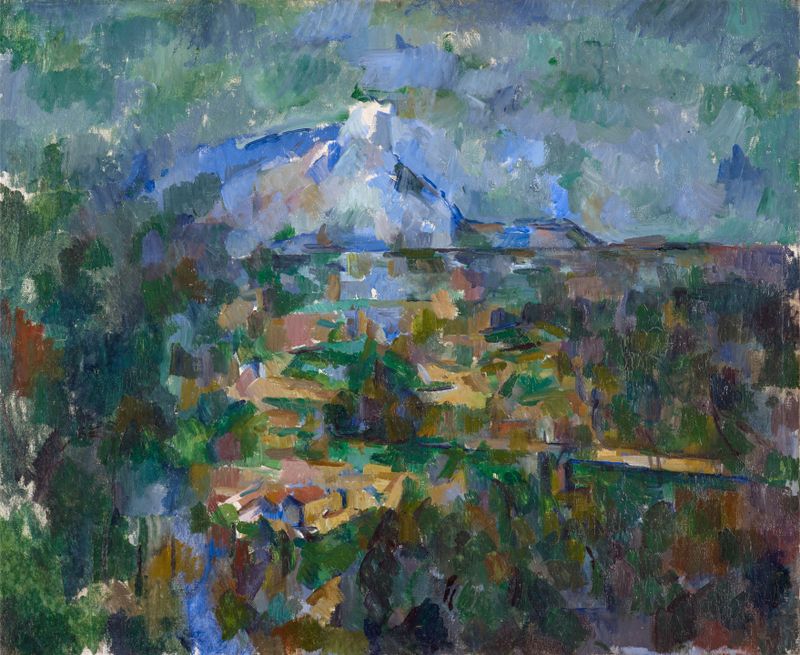
The Mont Sainte-Victoire Seen From Les Lauves
Paul Cezanne
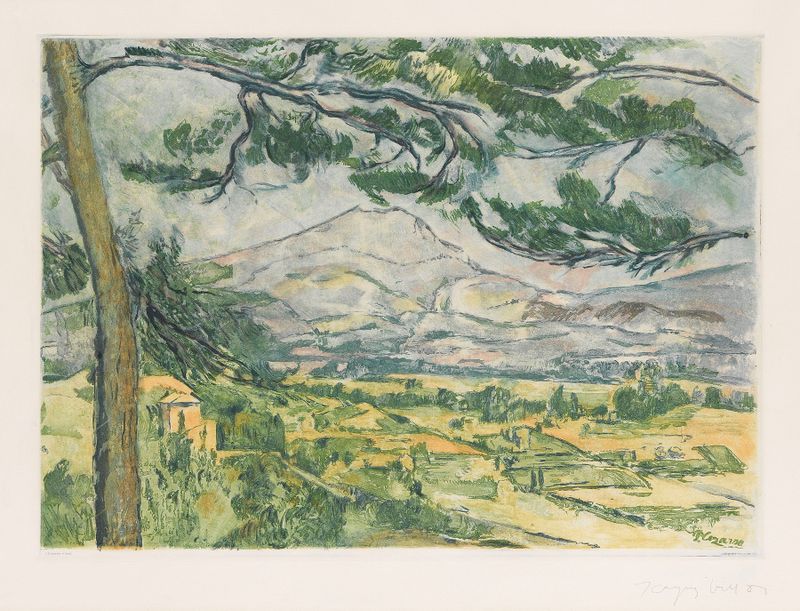
La Montagne Sainte-Victoire
Paul Cezanne
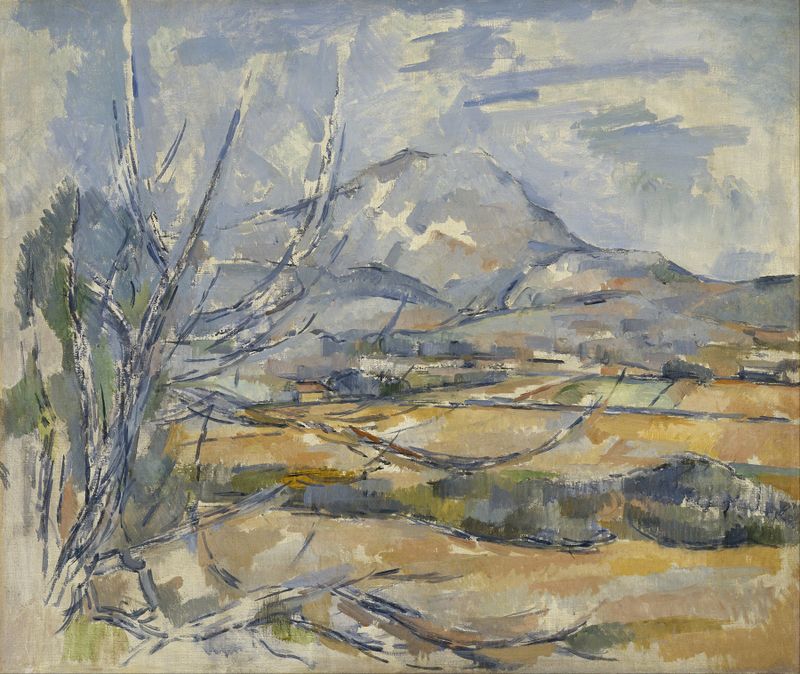
Montagne Sainte-Victoire
Paul Cezanne

The Basket of Apples
Paul Cezanne
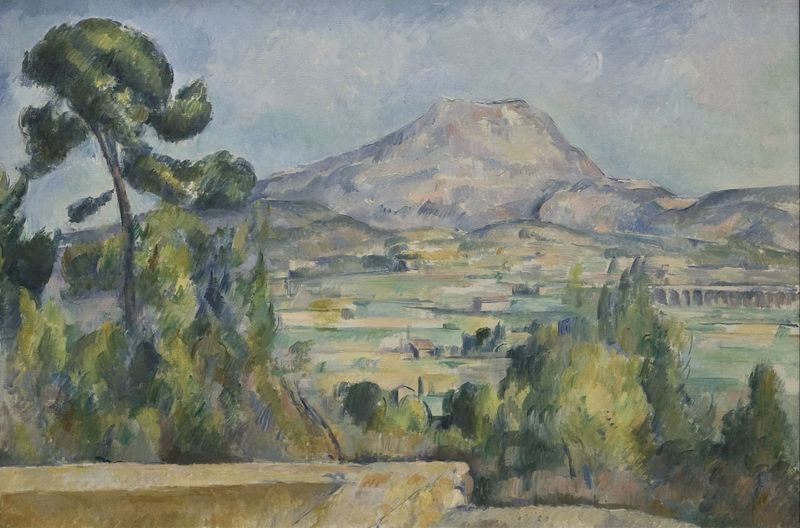
Montagne Saint-Victoire
Paul Cezanne
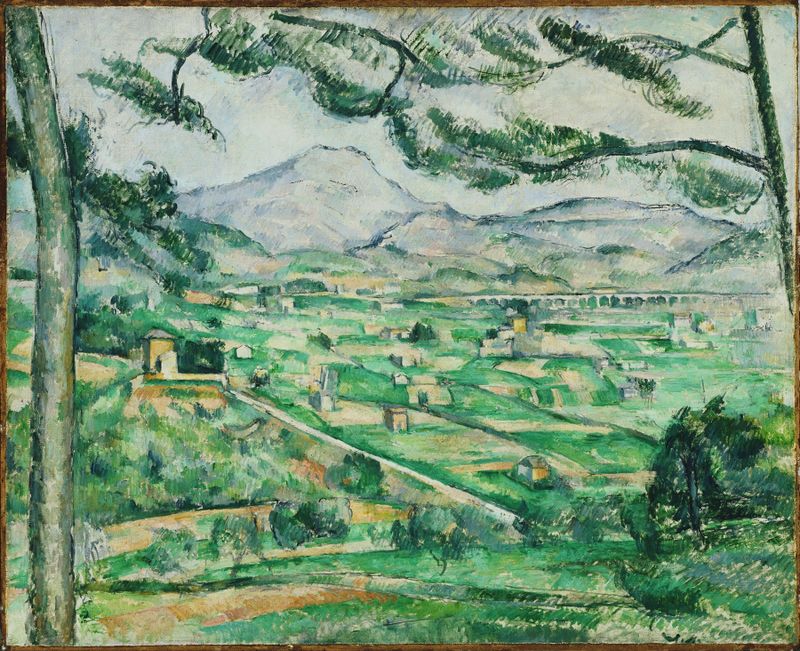
Mont Sainte-Victoire 2
Paul Cezanne
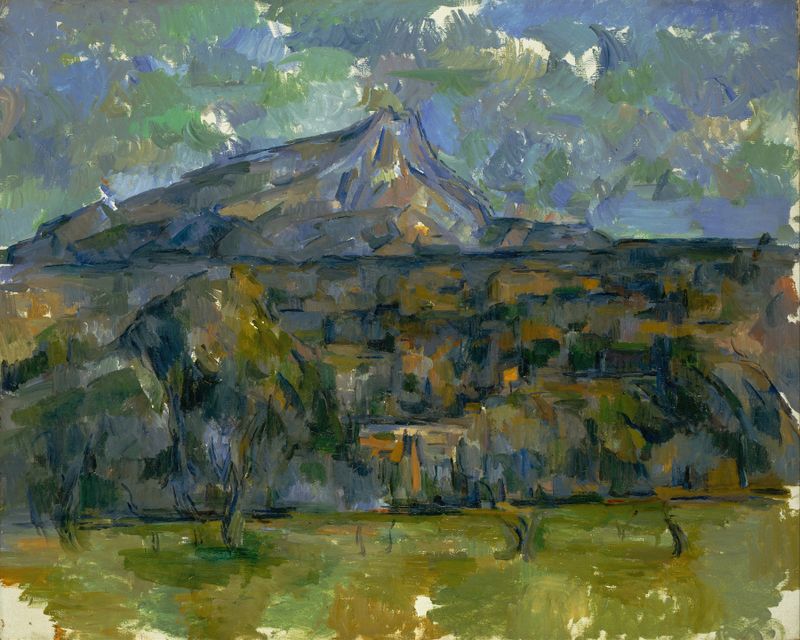
Mont Sainte-Victoire
Paul Cezanne
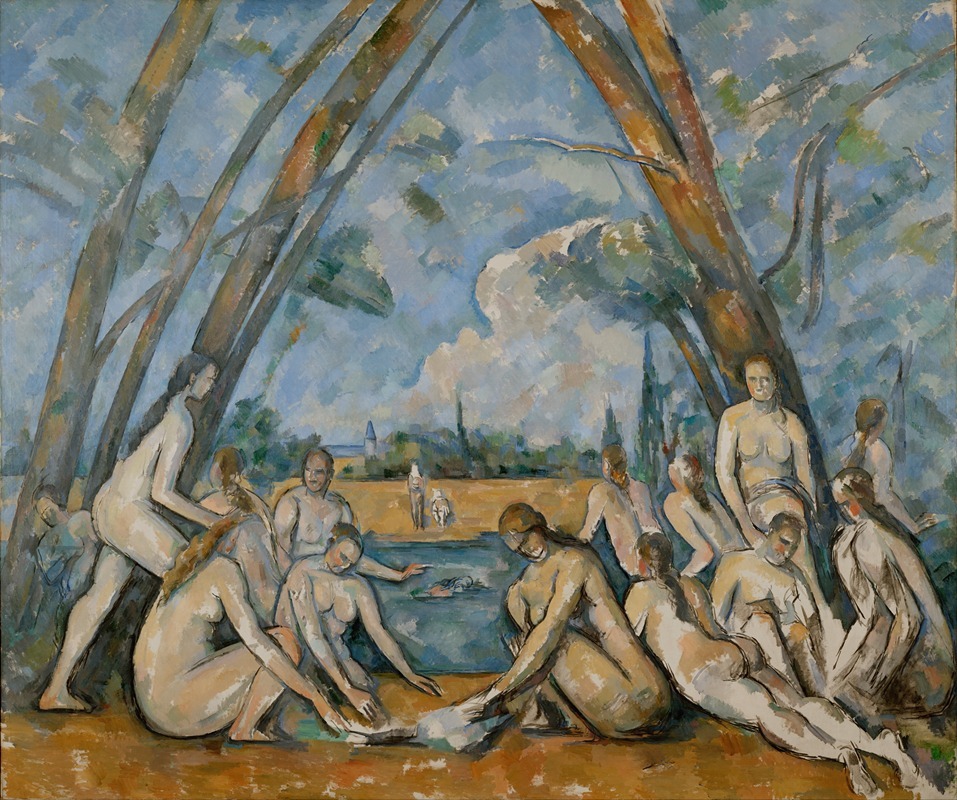
Bathers
Paul Cezanne

Mount Sainte-Victoire
Paul Cezanne
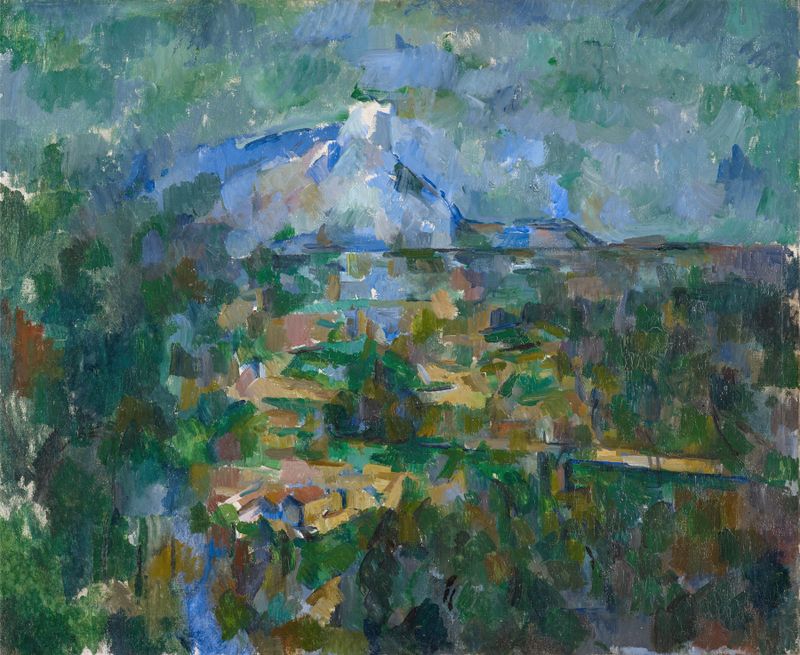
View of Mount Sainte-Victoire from Les Lauves
Paul Cezanne





