
The Thames At Chiswick — History & Facts
Beneath the placid surface of the Thames, echoes of loss linger in the stillness, weaving a narrative of longing through the landscape. Look to the left at the gentle curve of the riverbanks, where soft hues of green and gold embrace the water. The artist deftly captures the interplay of light upon the surface, creating shimmering reflections that dance with the breeze. The composition draws the eye across the scene, leading us to the distant horizon, where muted clouds hover in a serene sky, suggesting both tranquility and an unspoken weight. In the foreground, a solitary figure stands by the water's edge, embodying a sense of solitude amidst the beauty.
This juxtaposition of the vibrant landscape and the quiet presence evokes a tension between nature's splendor and human emotion—a reflection on the losses that shape one's existence. The muted colors speak to a wistfulness, inviting the viewer to ponder the narratives of those who may have once frequented these banks, now felt only in memory. John Varley painted this work in 1814 during a period of personal hardship, grappling with the challenges of his career while witnessing the evolving landscapes of England. The early 19th century marked significant shifts in art, with Romanticism gaining traction.
Varley sought to capture the essence of nature and human experience, a desire evident in this poignant work that resonates with the weight of loss amidst serene beauty.
More Artworks by John Varley
Browse all →
Knaresborough on the River Nidd, Yorkshire
John Varley

Kirkstall Abbey near Leeds
John Varley

Bamborough Castle from the Northeast, with Holy Island in the Distance, Northumberland
John Varley
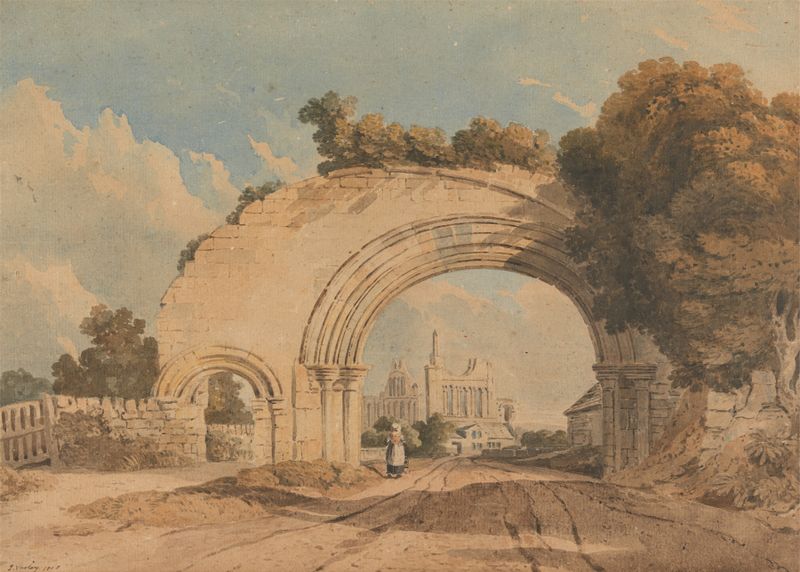
Byland Abbey, Yorkshire
John Varley

View of Conwy Castle, North Wales
John Varley
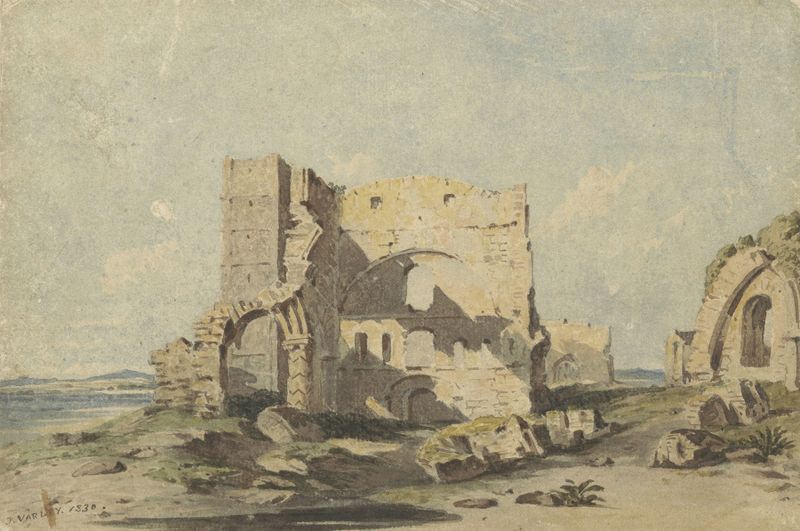
Lindisfarne Abbey op Holy Island, Northumberland
John Varley
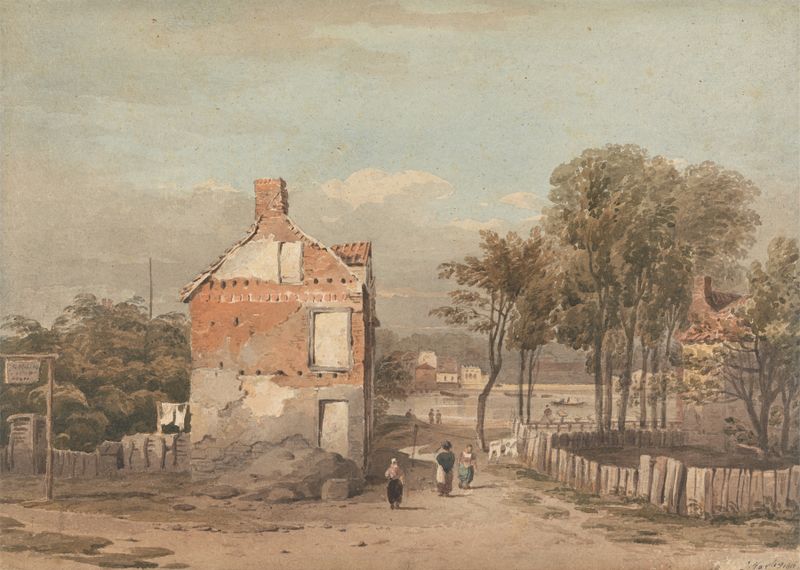
The Thames Near the Penitentiary, Millbank, London
John Varley

Vale of Clwyd, Wales
John Varley

A View along the Thames towards Chelsea Old Church
John Varley

The Thames at Windsor
John Varley





