
The Three Crosses — History & Facts
A shaft of light descends from above to illuminate the central figure of Christ on the cross, flanked by two thieves on either side. Below the crosses, figures kneel, stand, and gesture, some with hands raised in mourning or prayer, others turning away or slumping in despair. The background is densely worked with drypoint lines, creating a dramatic contrast between the deep shadows at the edges and the radiant light that falls on Christ and the surrounding figures.
Rembrandt renders the scene with vigorous, expressive lines, using hatching and cross-hatching to build up areas of darkness and to model the forms of the figures and landscape. The print’s surface reveals a range of textures, from the rough, almost chaotic marks in the darkest areas to the delicate, precise lines that define faces and hands. The arrangement of the figures and the dramatic play of light and shadow focus attention on the moment of Christ’s death, while the surrounding turmoil underscores the emotional intensity of the event. The Three Crosses was created by Rembrandt van Rijn in 1653, during the period known as the Dutch Golden Age.
The subject is the crucifixion of Jesus Christ, with the composition centering on Christ and including the Virgin Mary, the Evangelist, Roman soldiers, and grieving onlookers. The print is recognized for its especially intricate iconography and is considered by art historians as one of the most dynamic prints ever made. Rembrandt produced this work in several stages, reworking the plate over time to intensify the contrasts between light and darkness and to shift the emotional focus of the scene.
Sources: Metropolitan Museum of Art, record 41.1.31 · Wikidata Q1218084 · Wikipedia: The Three Crosses
More Artworks by Rembrandt van Rijn
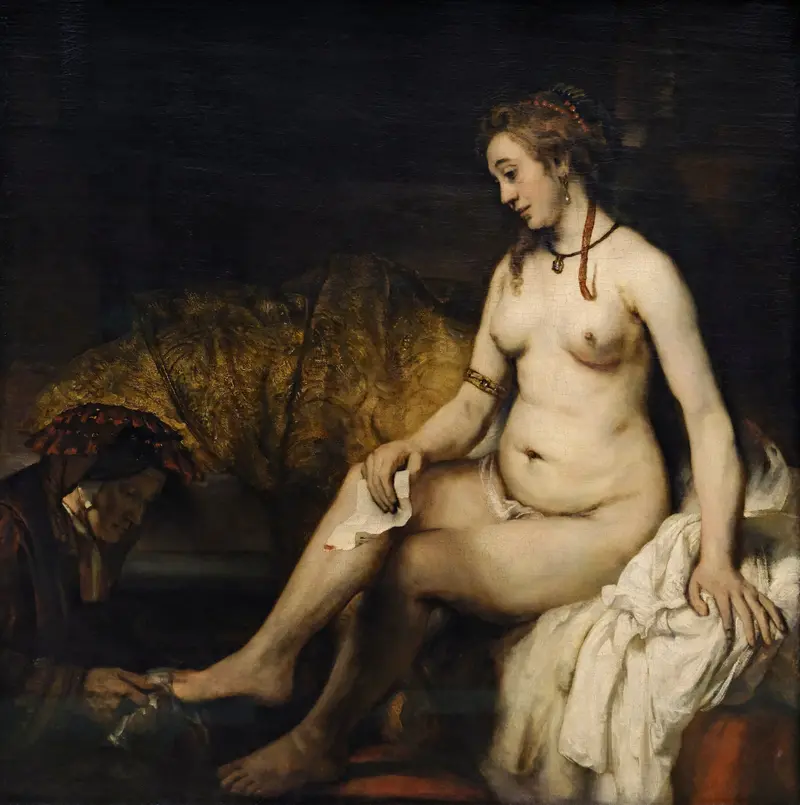
Bathsheba at Her Bath
Rembrandt van Rijn
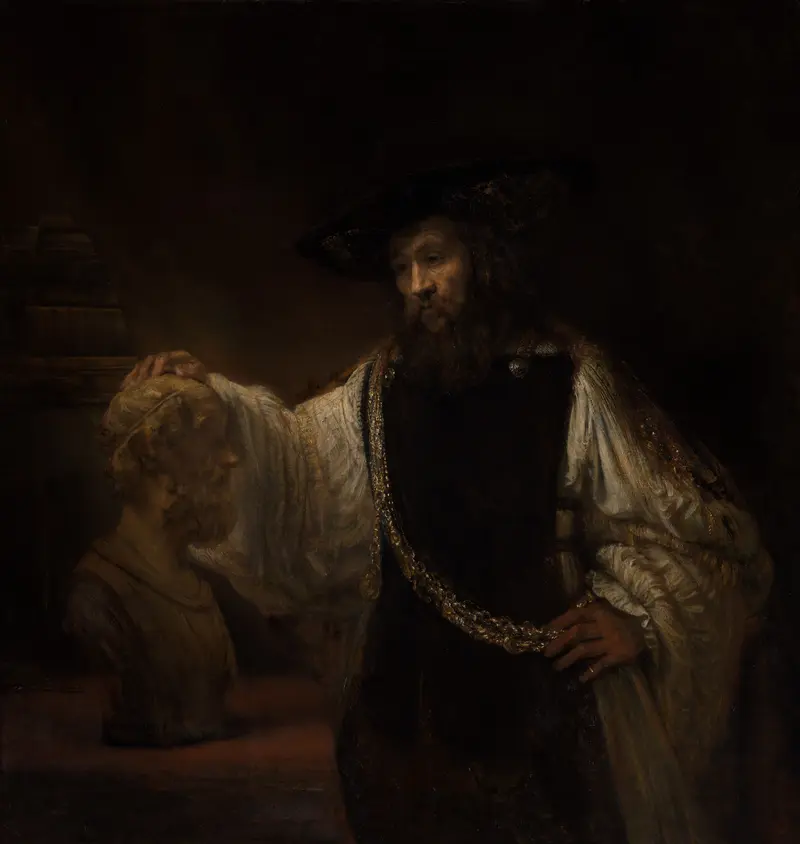
Aristotle with a Bust of Homer
Rembrandt van Rijn
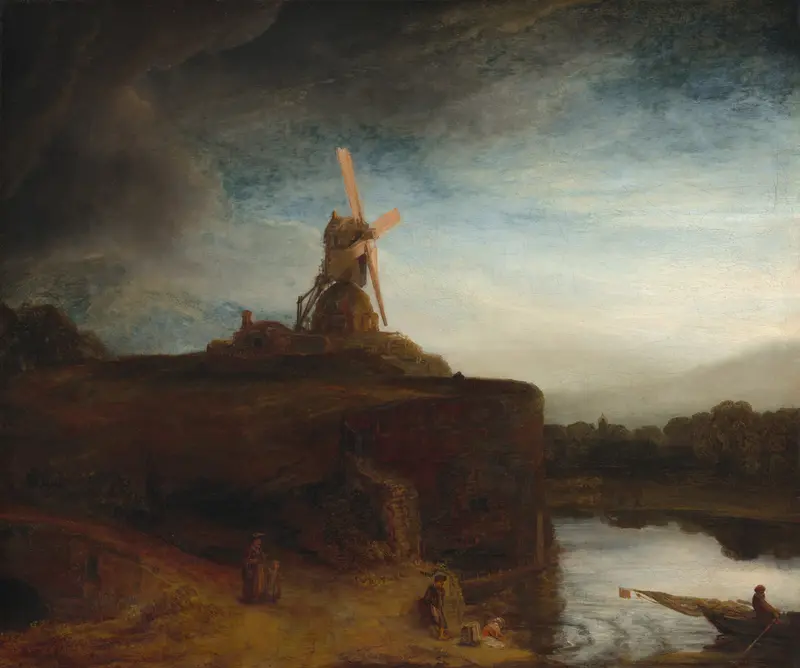
The Mill
Rembrandt van Rijn
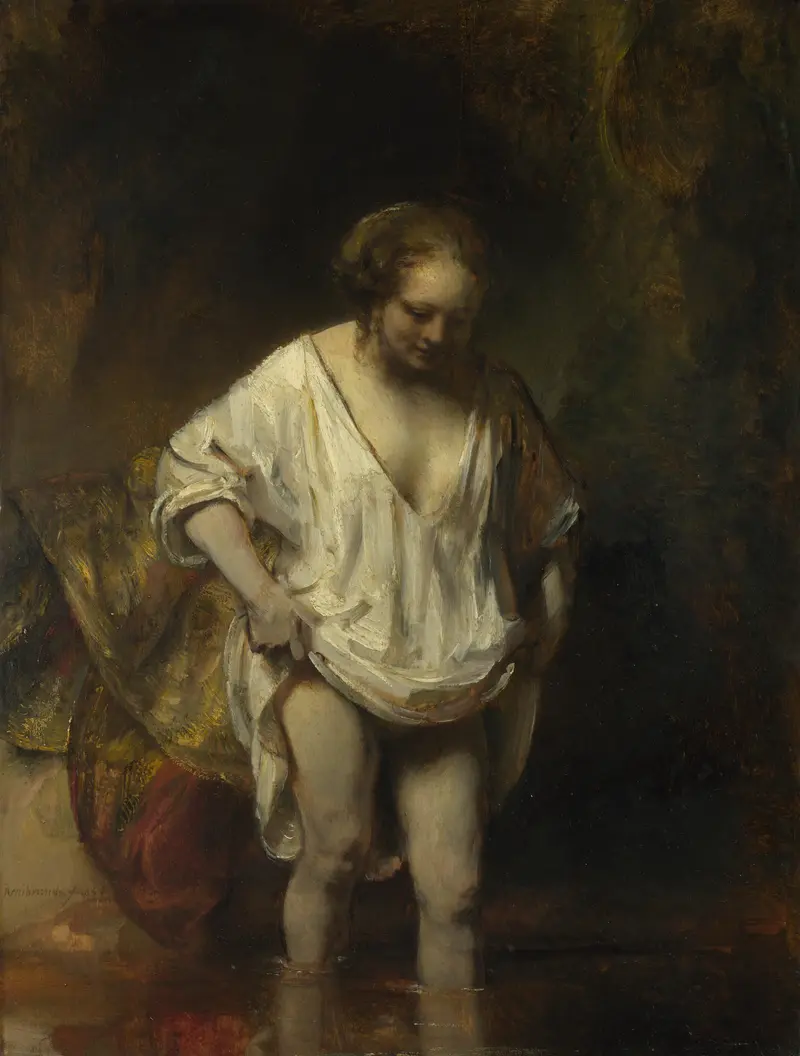
A Woman Bathing in a Stream
Rembrandt van Rijn
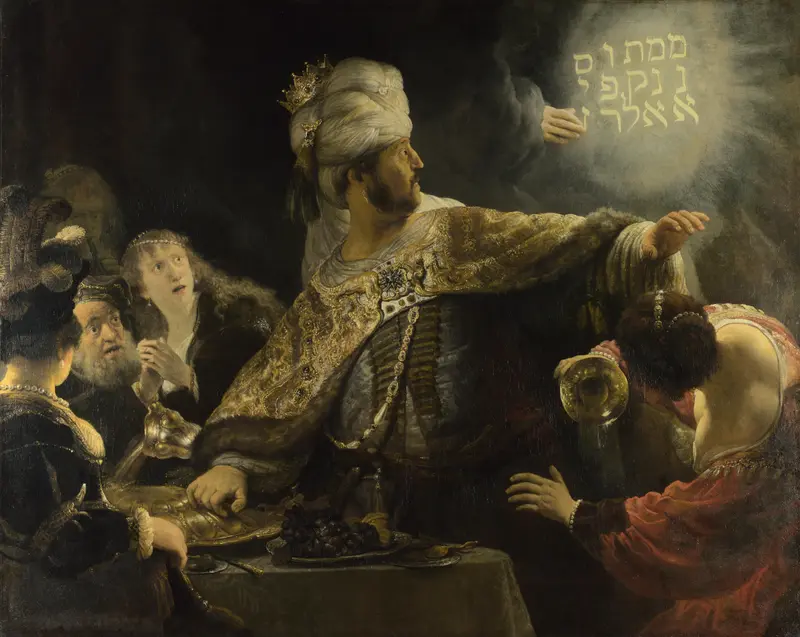
Belshazzar’s Feast
Rembrandt van Rijn
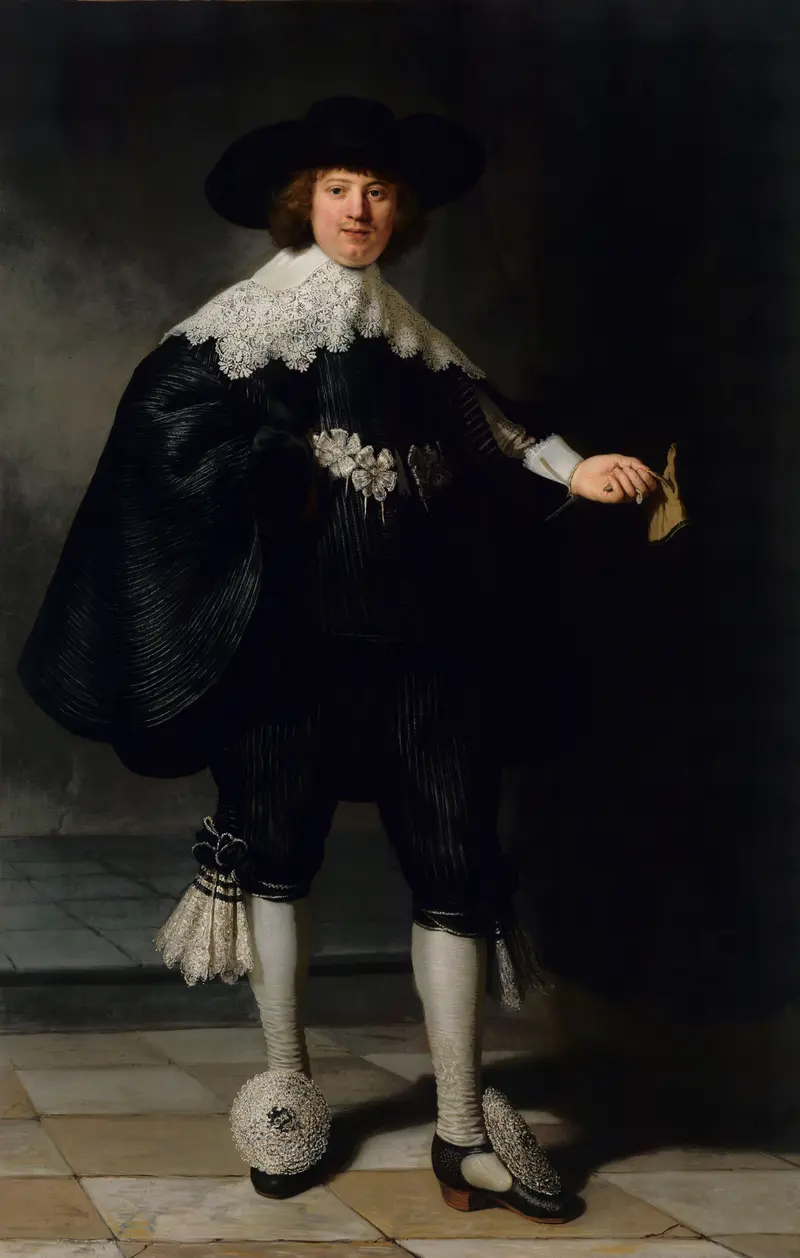
Portrait of Marten Soolmans
Rembrandt van Rijn
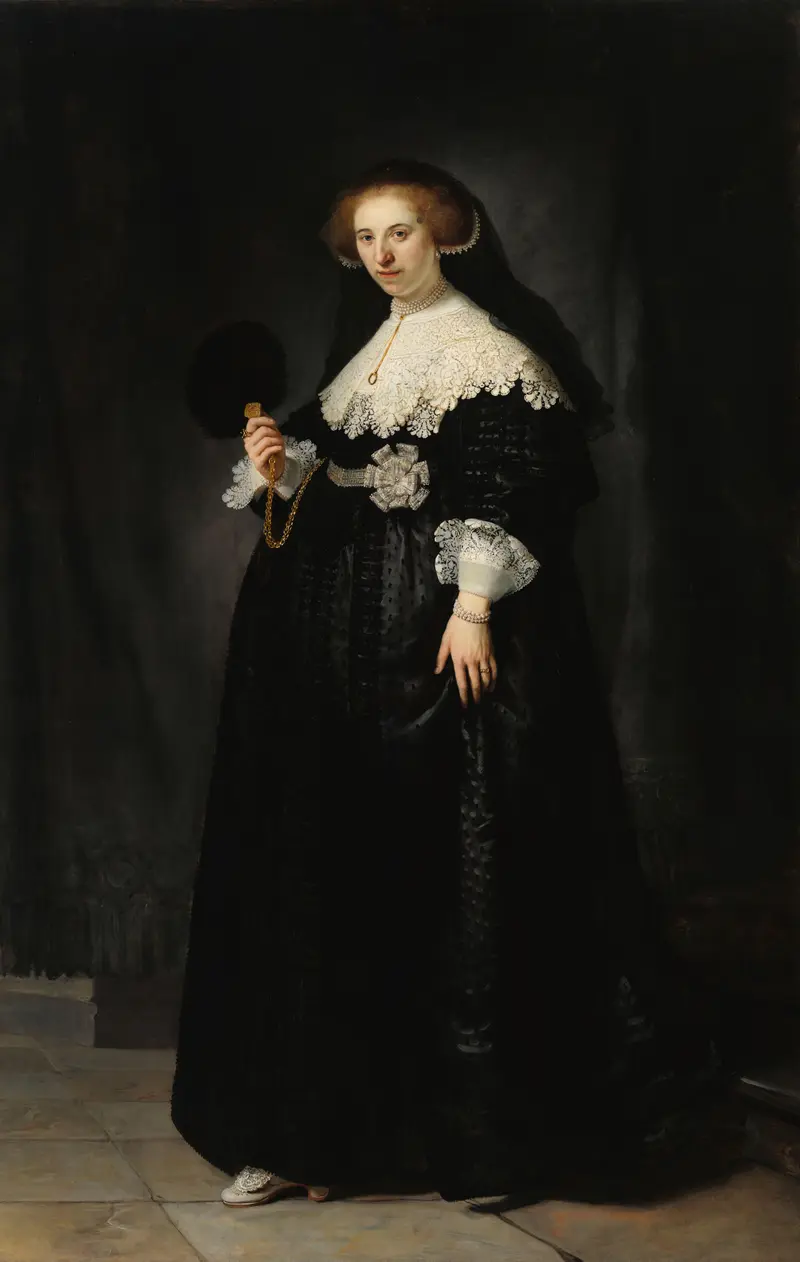
Portrait of Oopjen Coppit
Rembrandt van Rijn

The Prodigal Son in the Tavern
Rembrandt van Rijn
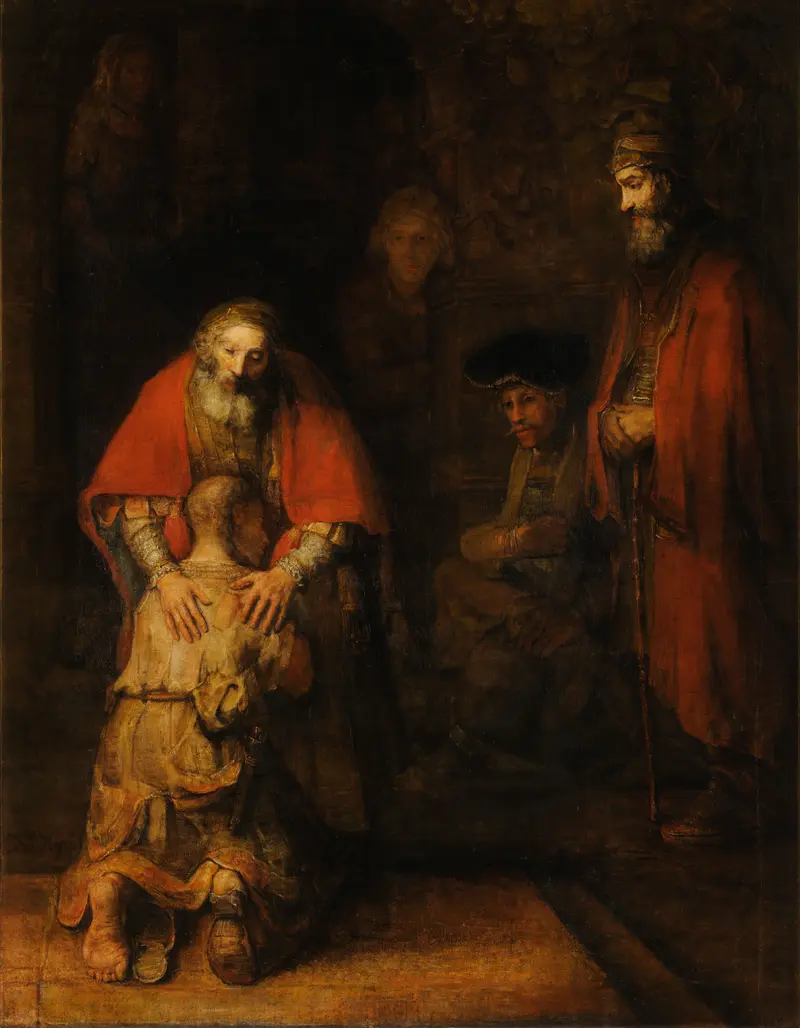
The Return of the Prodigal Son
Rembrandt van Rijn
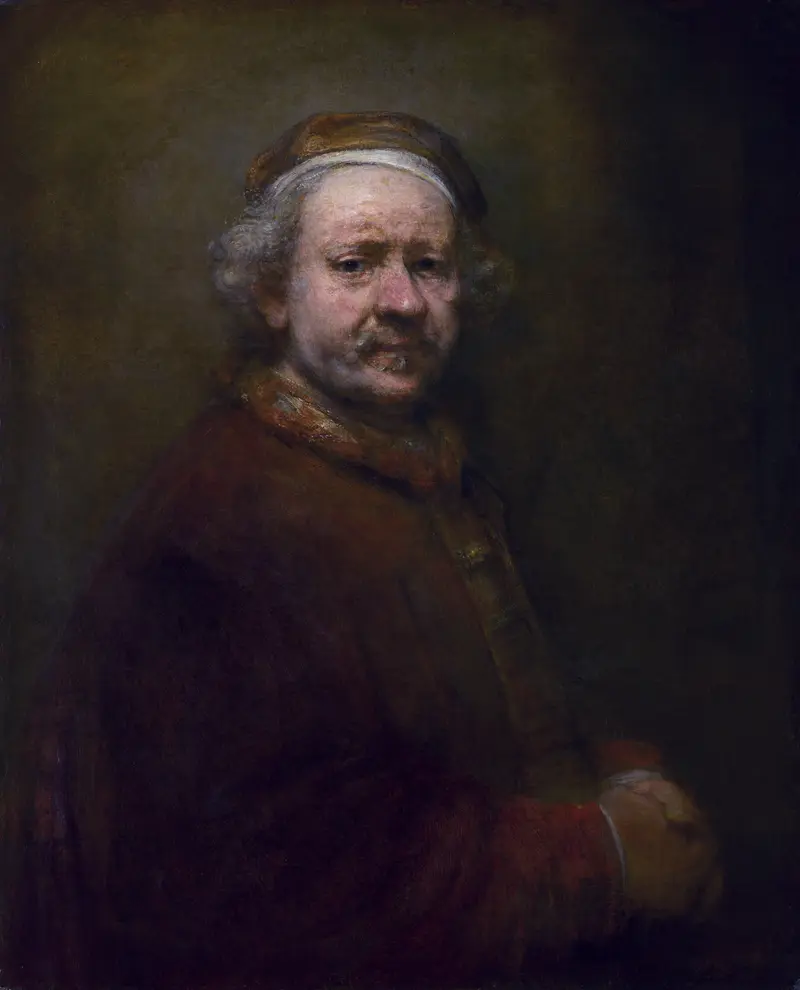
Self-Portrait at the Age of 63
Rembrandt van Rijn





