
The Torment of Saint Anthony — History & Facts
At just twelve or thirteen years old, Michelangelo created The Torment of Saint Anthony, making it one of the earliest known paintings by the artist who would later define the Renaissance. This extraordinary fact was confirmed when, in the early 21st century, experts authenticated the work after it resurfaced in the United States, recognizing the hand of the young Florentine prodigy. The painting is based on an engraving by Martin Schongauer, but Michelangelo’s version is not a mere copy: he famously visited a local market to study and paint real fish scales onto the demons, a detail that already hints at his lifelong obsession with anatomy and observation.
The work stands as a rare glimpse into the formative years of an artist whose later fame would eclipse almost all others. The scene captures the moment when Saint Anthony, the early Christian hermit, is beset by a swarm of grotesque demons during his retreat in the Egyptian desert—a story recounted in the Life of Saint Anthony by Athanasius. Michelangelo freezes the action as Anthony is lifted and battered by a chaotic mass of winged and scaled monsters, their claws and beaks tugging at his robes. The saint’s calm, inward gaze contrasts sharply with the writhing violence around him, signaling his spiritual fortitude.
The monsters themselves are rendered with an inventiveness and physicality that goes beyond Schongauer’s print; Michelangelo’s creatures bristle with color and texture, their forms more three-dimensional and tactile. Unlike later depictions by artists such as Hieronymus Bosch, who filled his scenes with surreal landscapes, Michelangelo isolates the drama against a stark background, focusing all attention on the struggle between flesh and spirit. The painting’s journey is as fascinating as its creation. Long thought lost, it was rediscovered in the early 2000s and, after scholarly debate and technical analysis, attributed to the young Michelangelo.
Today, The Torment of Saint Anthony resides in the Kimbell Art Museum in Fort Worth, Texas, a rare example of a panel painting by an artist better known for sculpture and fresco. Its survival and recognition offer a precious window into the apprenticeship of a future giant of Western art, showing how even at a young age, Michelangelo was already experimenting with form, color, and psychological depth. The panel stands as both a tribute to his early genius and a testament to the enduring power of the stories that shaped Renaissance imagination.
More Artworks by Michelangelo

Libyan Sibyl
Michelangelo
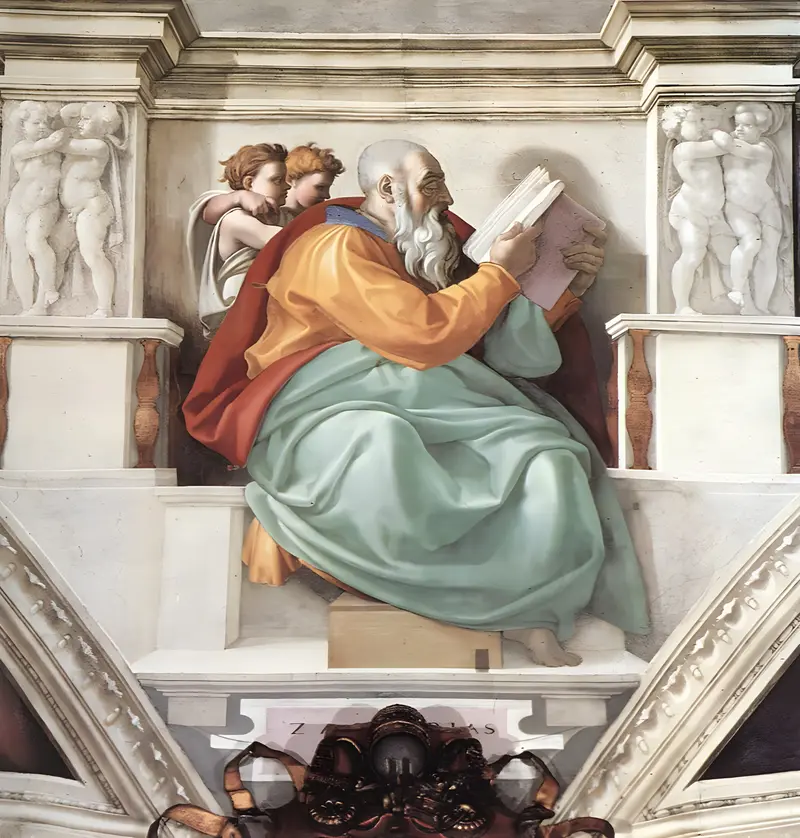
Prophet Zechariah
Michelangelo

Cumaean Sibyl
Michelangelo
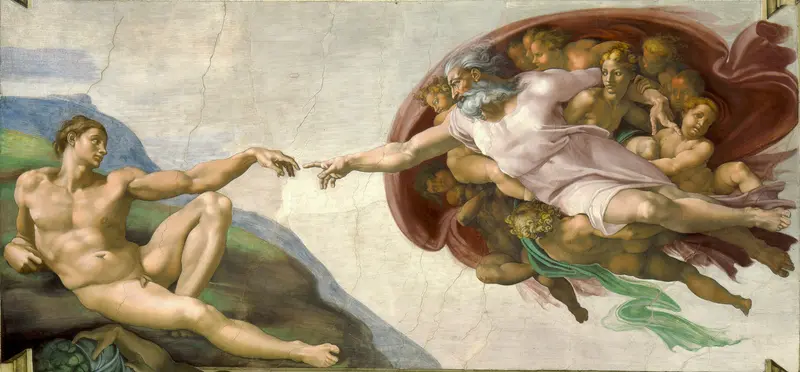
The Creation of Adam
Michelangelo
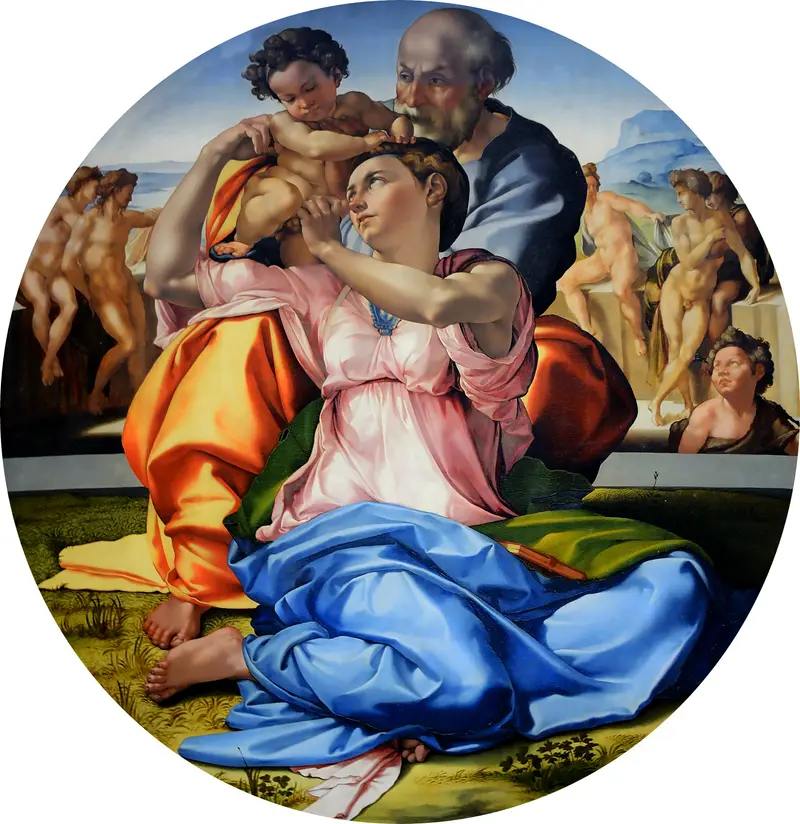
Doni Tondo
Michelangelo
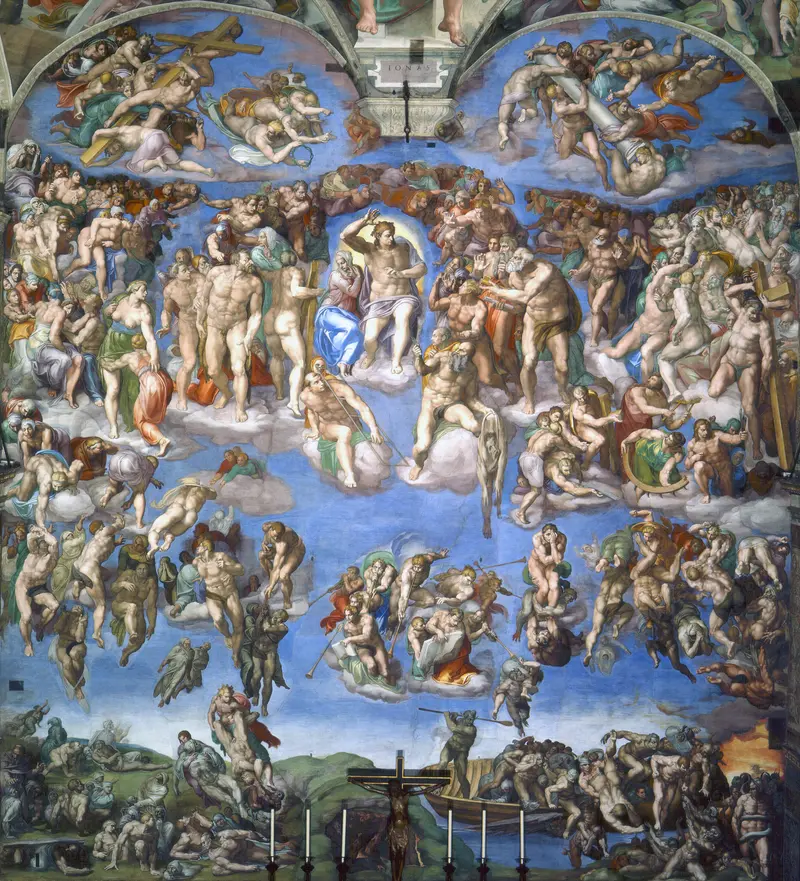
The Last Judgment
Michelangelo
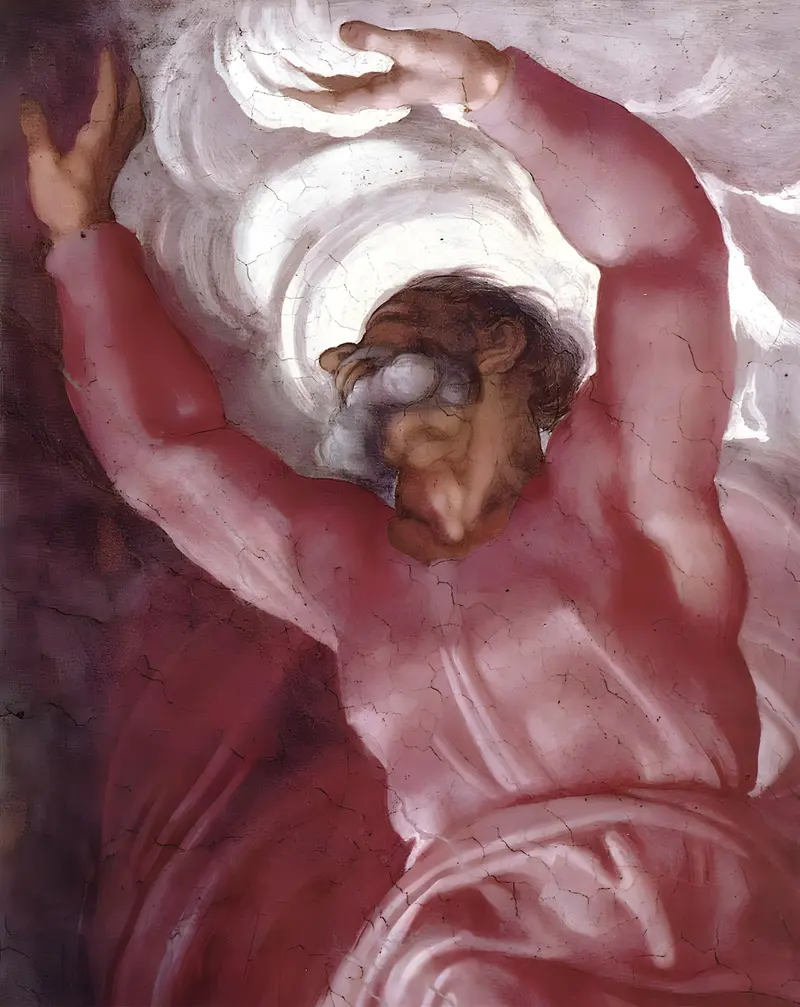
Separation of Light from Darkness
Michelangelo
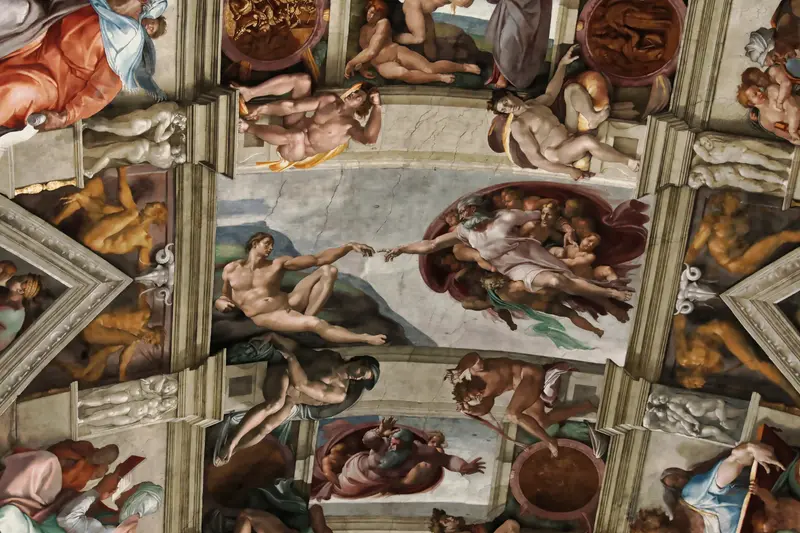
The Separation of the Earth and Waters
Michelangelo

Erythraean Sibyl
Michelangelo
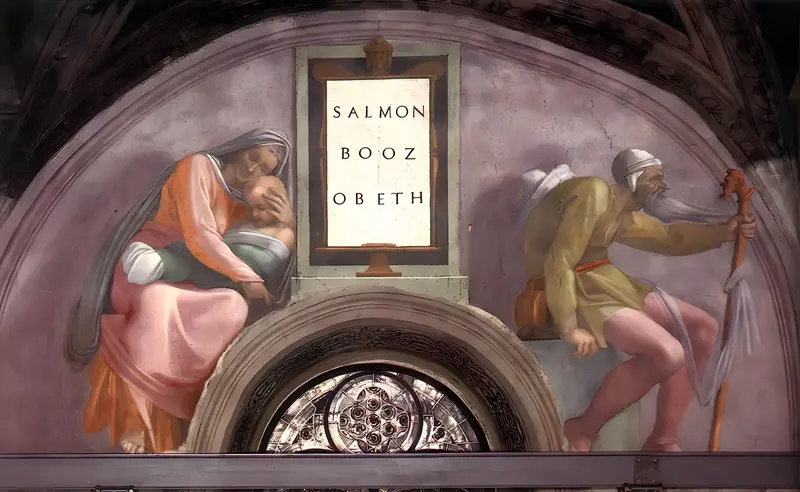
Salmon, Boaz, Obed
Michelangelo




