
The Tower — History & Facts
Did the painter know this moment would outlive them? A solitary tower, standing resolute against the ravages of time, speaks of endurance and transformation. Focus on the structure rising from the canvas. The stark, angular lines of the tower draw your eye upward, while the somber palette of grays and browns evokes a sense of decay and solitude. Notice how the sky above shifts from dark clouds to lighter tones, suggesting a struggle between despair and hope.
The play of light across the surface of the stone reveals textures that echo the passage of years, inviting the viewer to contemplate the history etched into its walls. As you explore further, look for the tiny figures in the foreground, mere silhouettes against the towering edifice. Their presence highlights the contrast between human fragility and the monument's stoic permanence. This juxtaposition invites reflection on the themes of legacy and the passage of time, hinting at the power of art to immortalize moments that would otherwise fade.
The tower becomes a metaphor not just for physical structure but for the enduring human spirit. Created between 1857 and 1911, this work emerged during a period of great change in the art world, where traditional forms began to embrace modernity. Legros, living in London after leaving France, was influenced by the evolving artistic movements and societal shifts around him, which included the rise of industrialization. In this context, The Tower stands as a testament to both the enduring nature of art and the relentless march of time, capturing a moment that resonates beyond its era.
More Artworks by Alphonse Legros
Browse all →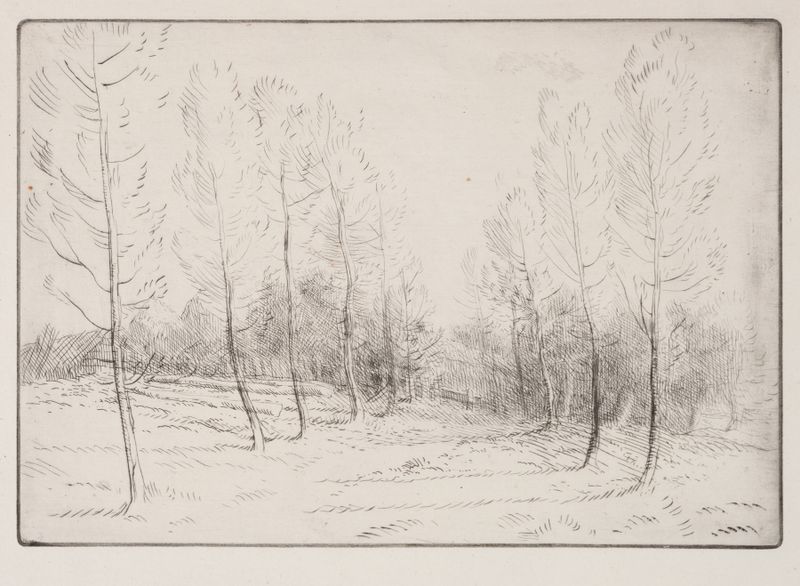
Avenue of Poplars
Alphonse Legros
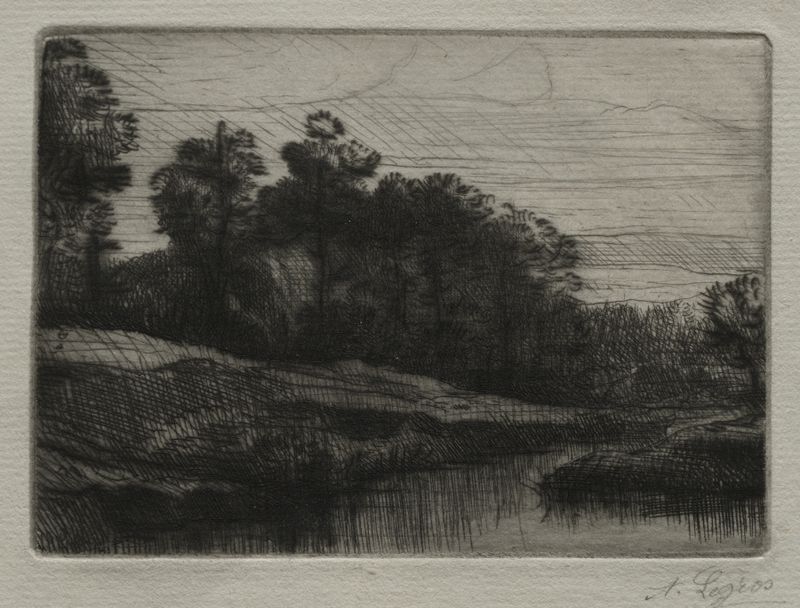
Evening
Alphonse Legros

The Fish in the Hoop Net
Alphonse Legros

The Little Beggar
Alphonse Legros
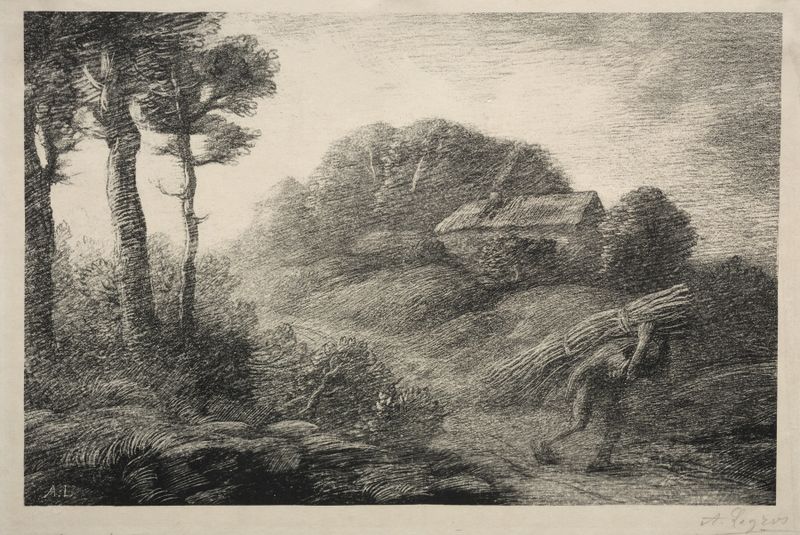
The Return of the Fagot Gatherer
Alphonse Legros

Storm
Alphonse Legros
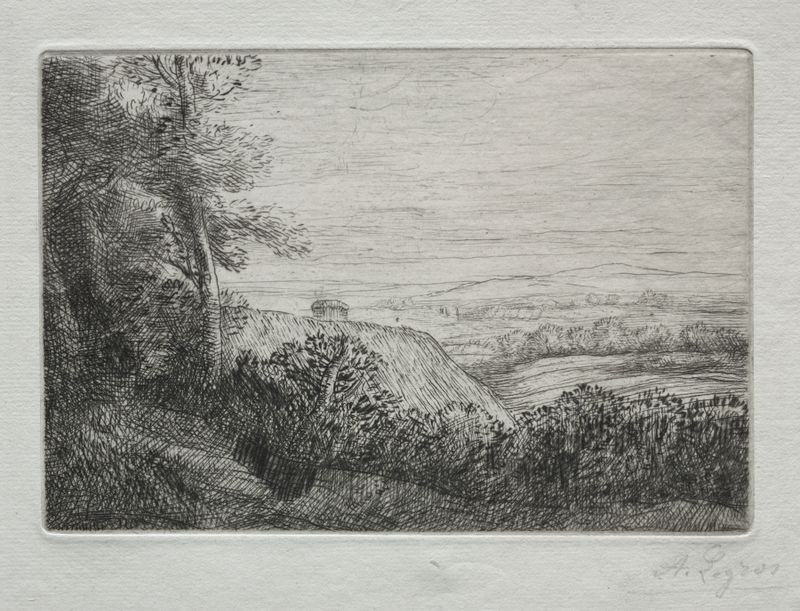
Les dernière Rayons de Soleil
Alphonse Legros
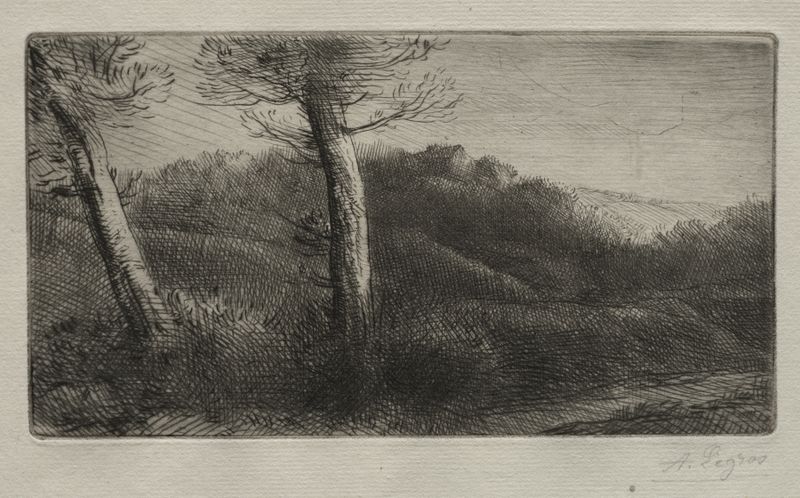
The Traveler Stretched out on the Grass
Alphonse Legros
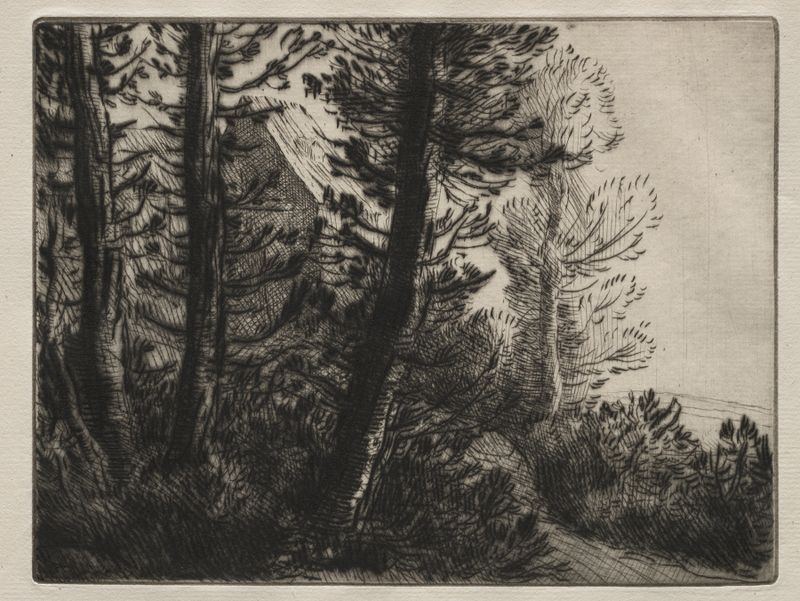
Guard House
Alphonse Legros

Death of a Vagabond
Alphonse Legros





