
The Towered City — History & Facts
In the heart of every canvas lies a yearning for permanence amidst the relentless flow of time, a testament to our desire for connection, memory, and existence. Look at the swirling skies that cradle the towered city, where soft, luminous brushstrokes blend shades of gold and blue. The ethereal light dances across the structures, their silhouettes rising like dreams against the horizon. Notice how the intimate details of the foreground, with its rolling hills and delicate flowers, draw you into the scene, inviting you to wander through this idealized landscape, echoing a bygone era. Yet, within this idyllic portrayal lies a subtle tension.
The towering structures seem both monumental and fragile, symbolizing the duality of aspiration and the inevitable decay of all things. The warm glow envelops the city, creating a serene beauty that contrasts with the underlying anxiety of impermanence. Each element speaks to the artist’s nostalgia, invoking a deep emotional resonance as we contemplate our own fleeting moments. Created during a transformative period in British art, the work emerged between 1815 and 1881, as Samuel Palmer explored themes of Romanticism and idealism.
This was a time when the artistic landscape was shifting, influenced by the Industrial Revolution. Palmer, seeking solace in nature and spiritualism, found inspiration in the pastoral, crafting a vision that reflects his desire to reconnect with a simpler, more profound existence.
More Artworks by Samuel Palmer
Browse all →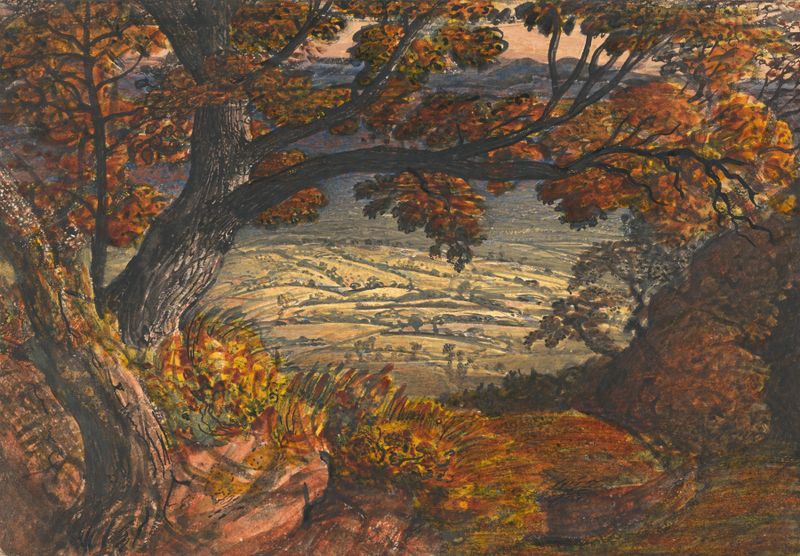
The Weald of Kent
Samuel Palmer
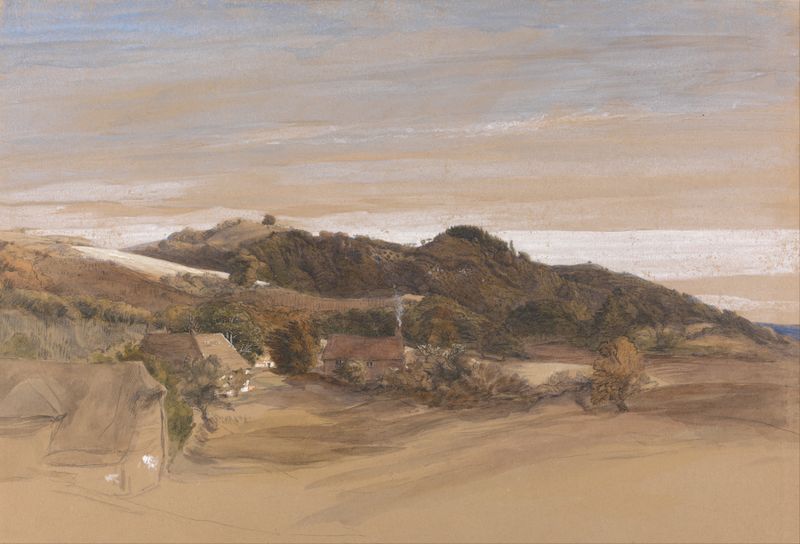
Underriver Hills, near Sevenoaks, Kent, from the Grounds of J. Herries, Esq.
Samuel Palmer
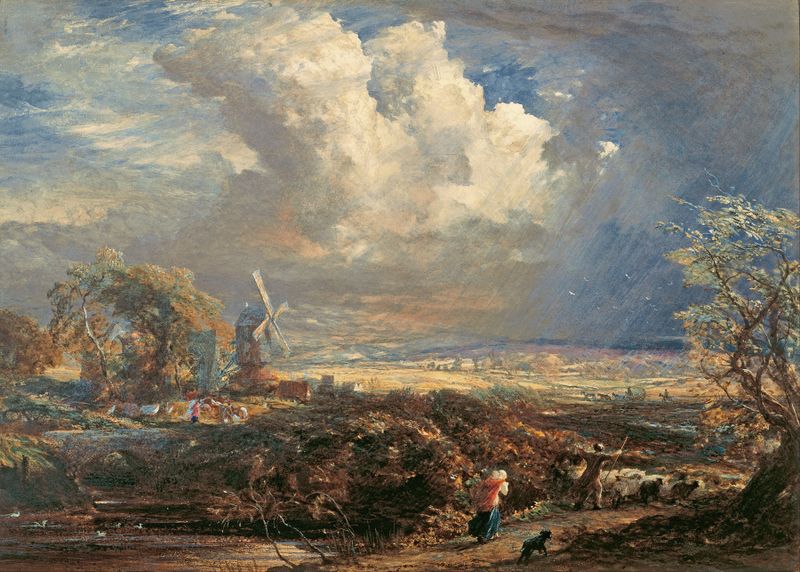
Summer Storm near Pulborough, Sussex
Samuel Palmer
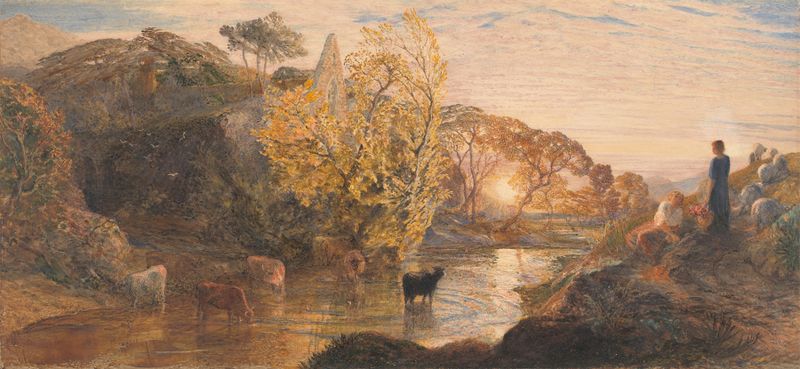
Tintern Abbey at Sunset
Samuel Palmer
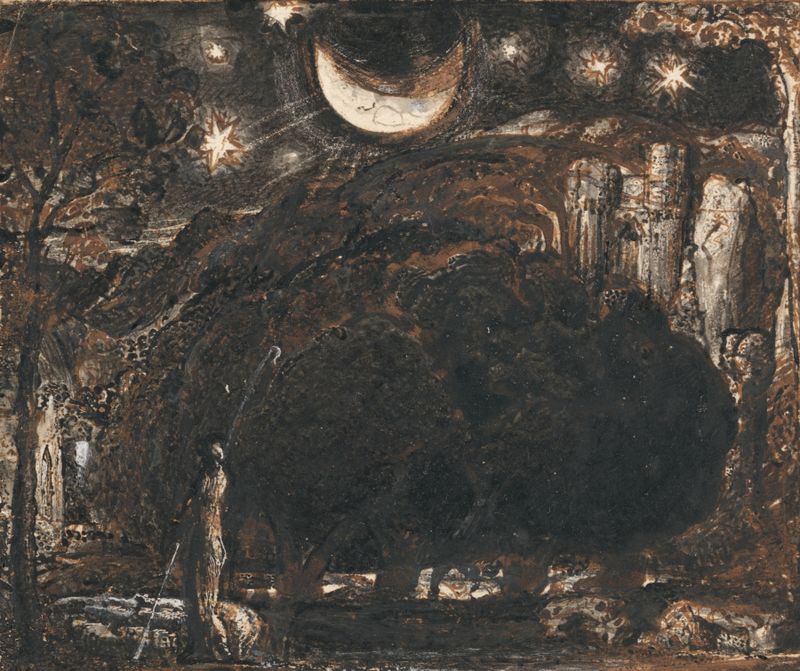
A Shepherd and his Flock under the Moon and Stars
Samuel Palmer
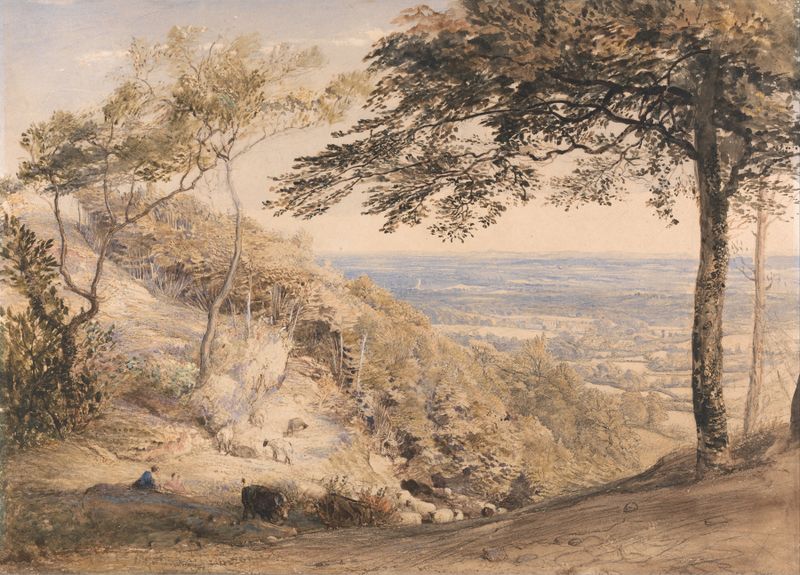
Wilmot’s Hill, Kent
Samuel Palmer
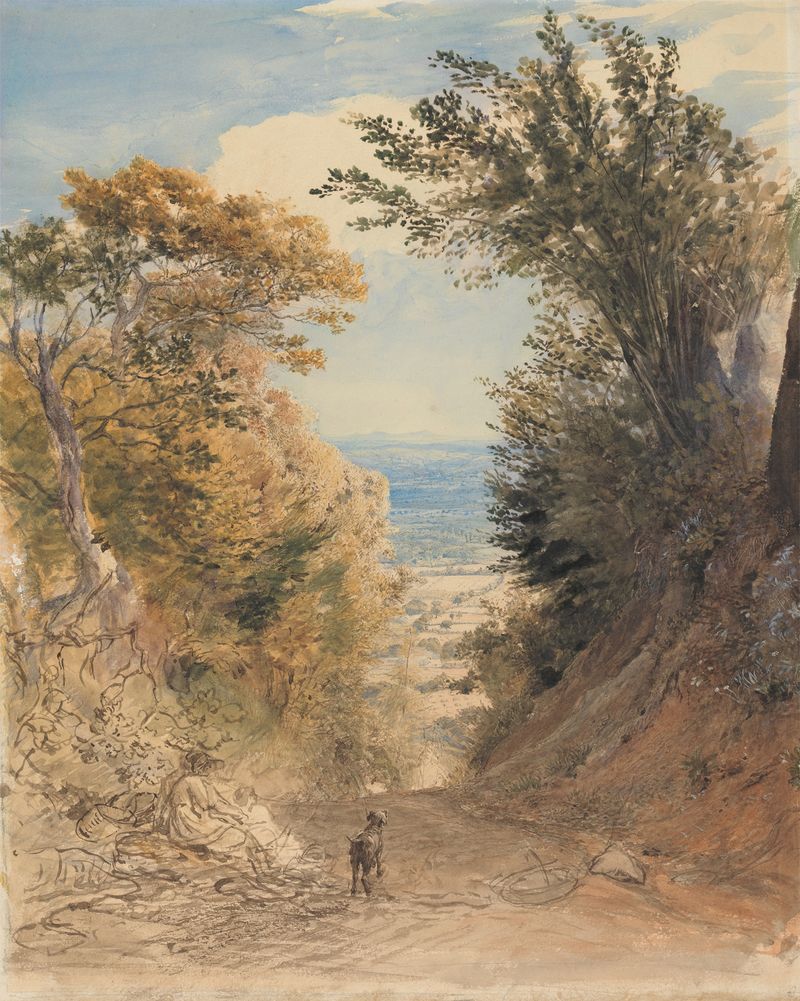
View from Rook’s Hill, Kent
Samuel Palmer
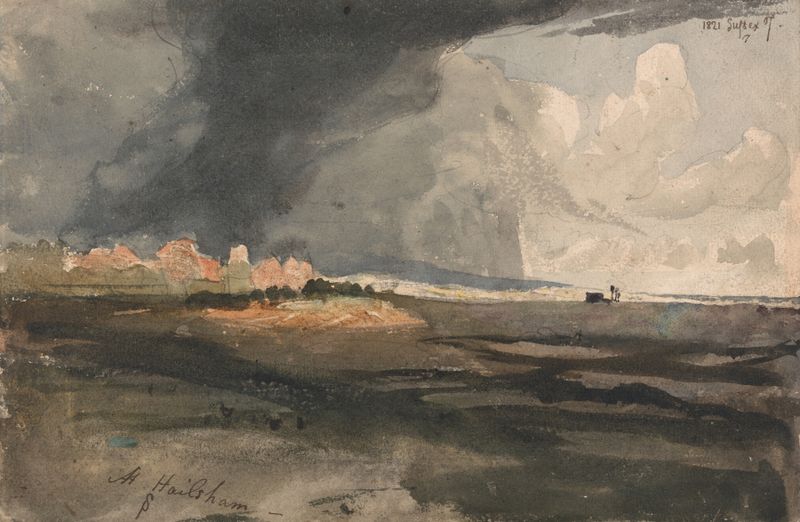
At Hailsham, Sussex; a Storm Approaching
Samuel Palmer
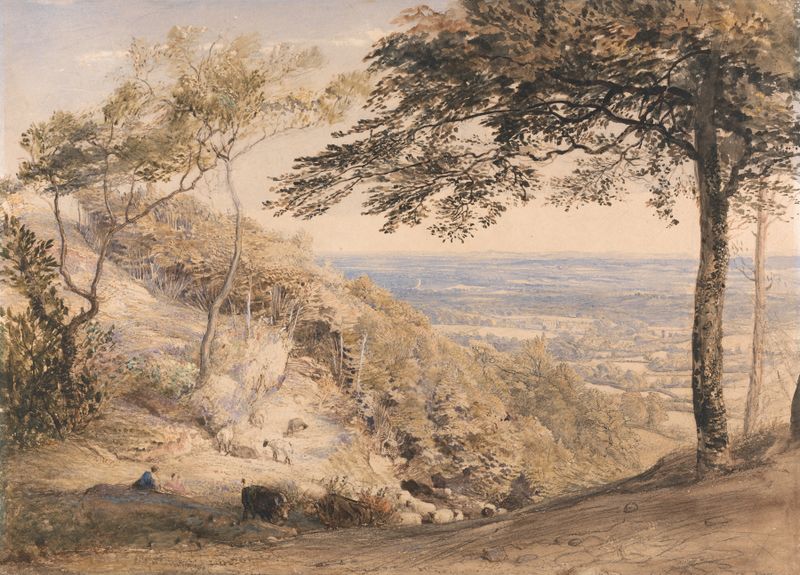
Wilmot’s Hill, Kent
Samuel Palmer
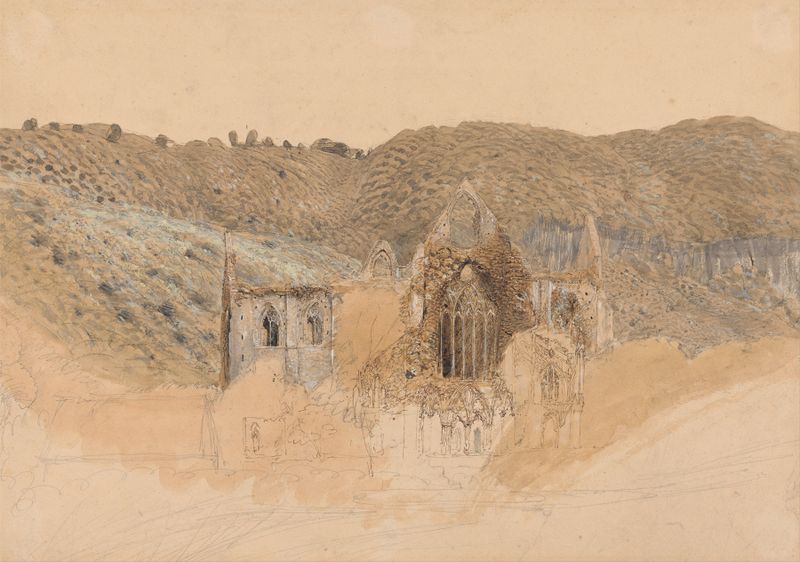
Tintern Abbey
Samuel Palmer





