
The Trap — History & Facts
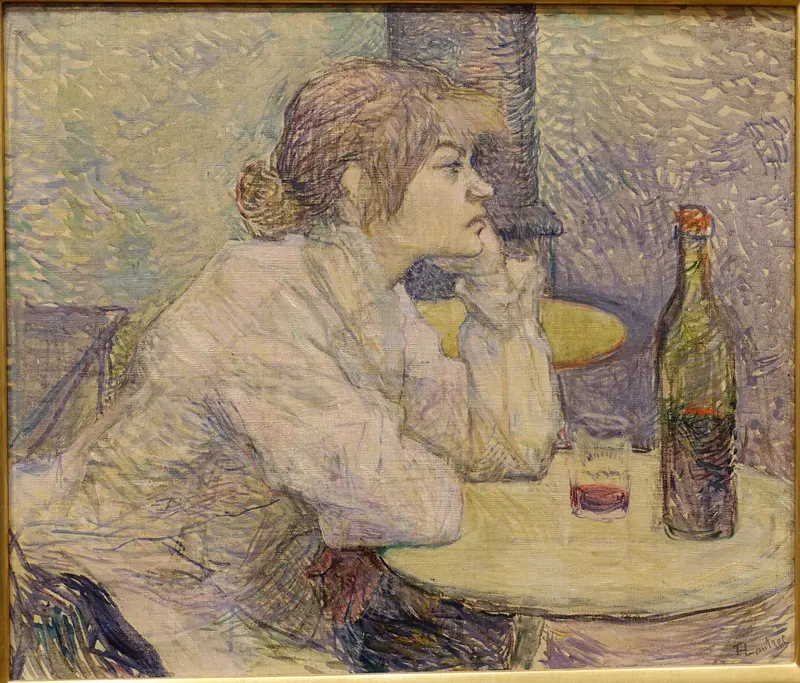
In The Trap, Henri de Toulouse-Lautrec presents a lively scene filled with vibrant colors. The painting features figures engaged in various activities, showcasing the social life of the late 19th century. The setting is likely a café or a social gathering place, typical of Toulouse-Lautrec's focus on Parisian nightlife.
The use of bold brushstrokes adds energy to the composition. The painting is executed in oil on canvas, a common medium for Toulouse-Lautrec. The dimensions are approximately 80 x 60 cm, making it a medium-sized work. The brushwork is characteristic of the Post-Impressionism style, with an emphasis on color and form rather than realistic representation.
The figures are stylized, reflecting Toulouse-Lautrec's unique approach to capturing human emotion. Henri de Toulouse-Lautrec was known for his depictions of Parisian nightlife, and The Trap is no exception. This work reflects his fascination with the vibrant social scene of the time, particularly the cabarets and cafés. An interesting fact about this painting is that it captures the essence of the bohemian lifestyle, which Toulouse-Lautrec often portrayed in his art.
His works remain influential in the study of modern art and the representation of urban life.
More Artworks by Henri de Toulouse-Lautrec
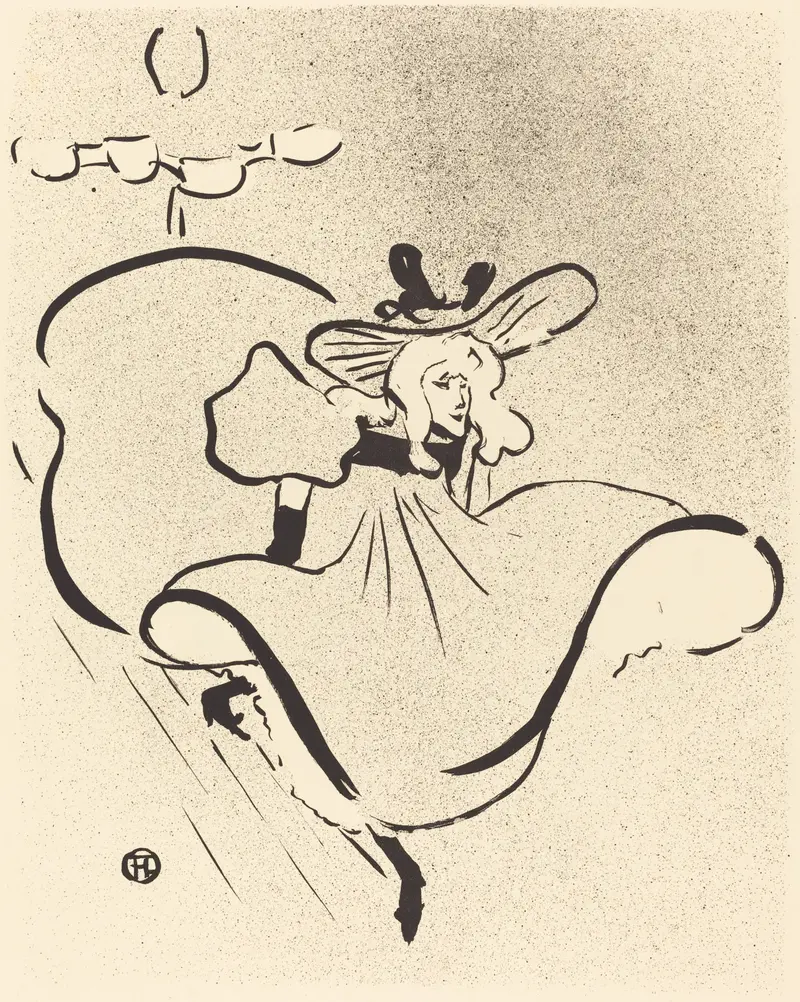
Jane Avril
Henri de Toulouse-Lautrec
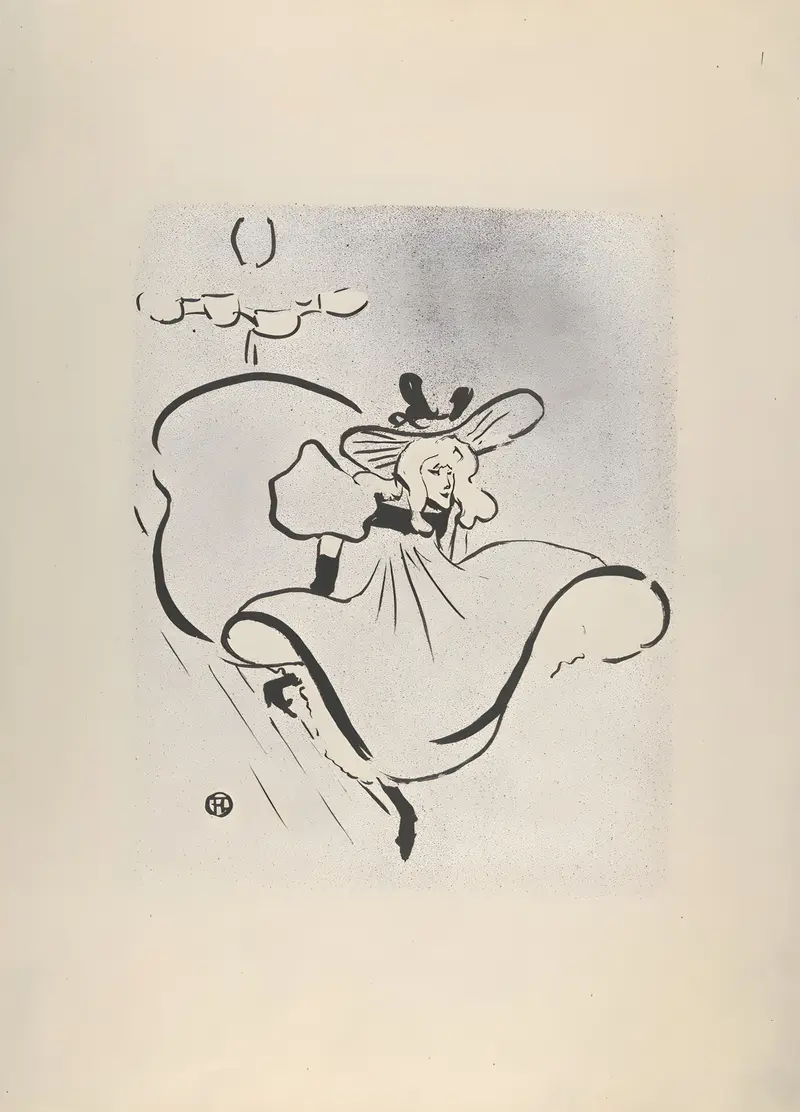
Jane Avril.
Henri de Toulouse-Lautrec

Quadrille at the Moulin Rouge
Henri de Toulouse-Lautrec
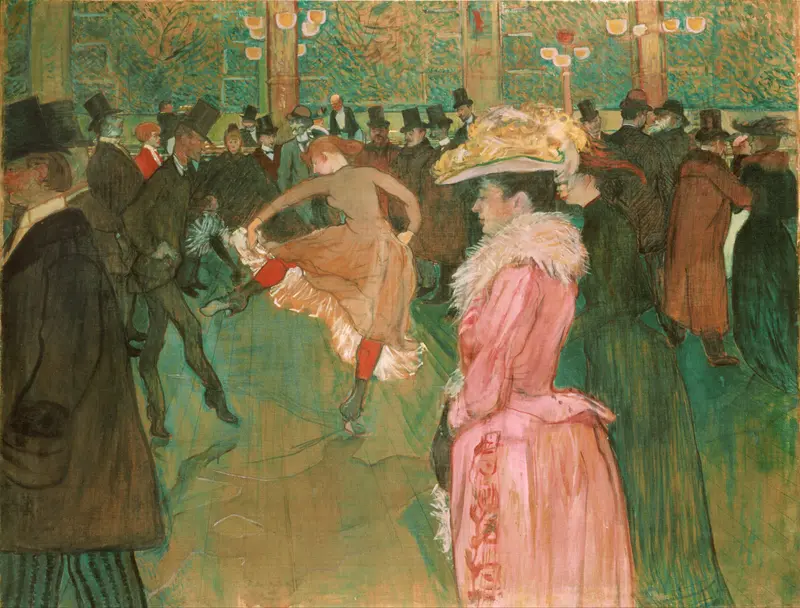
At the Moulin Rouge- The Dance
Henri de Toulouse-Lautrec
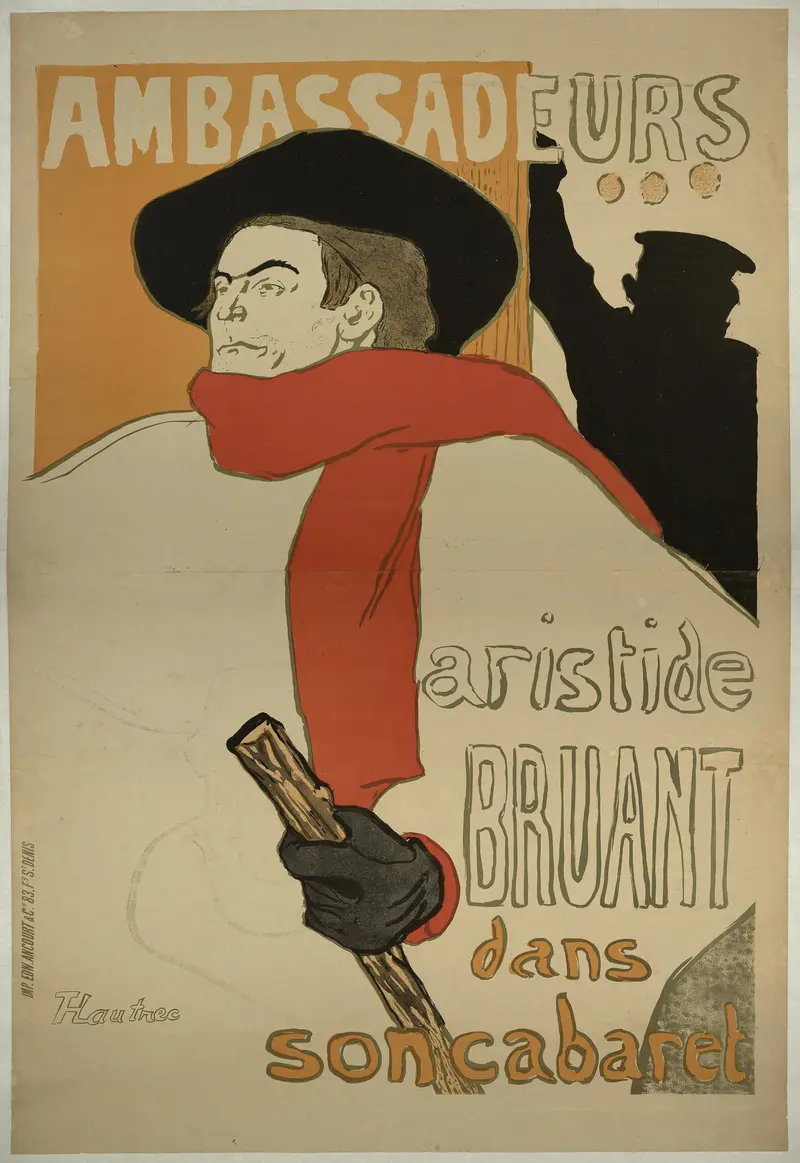
Ambassadeurs. Aristide Bruant dans son cabaret
Henri de Toulouse-Lautrec
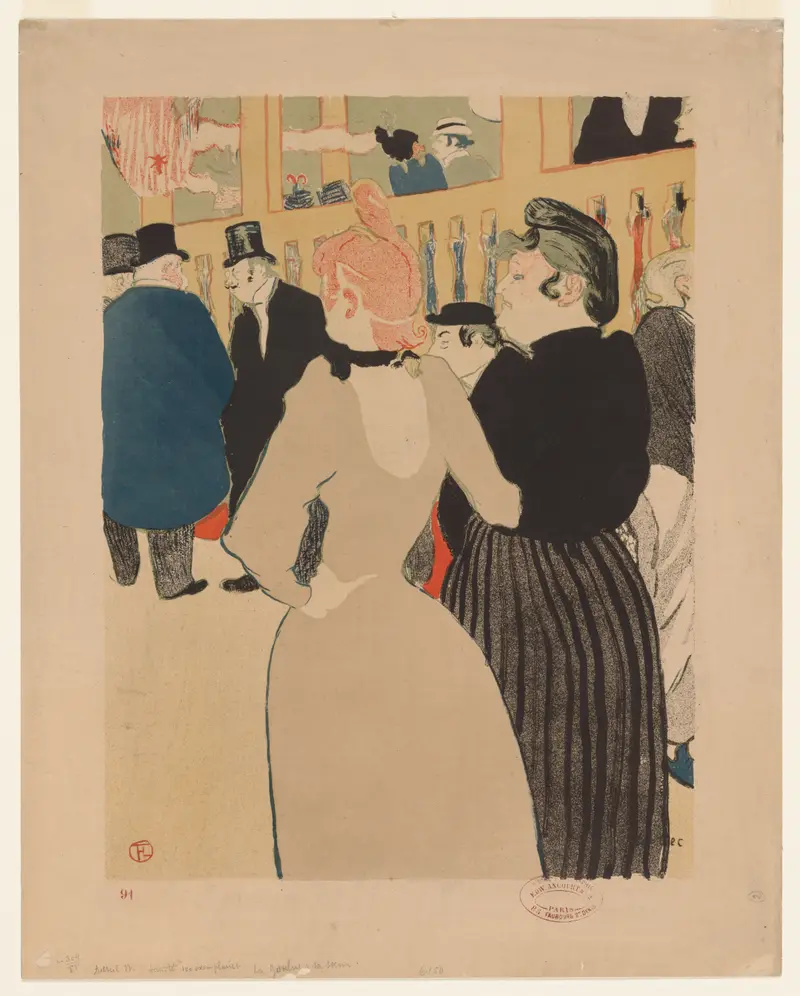
At the Moulin Rouge; La Goulue and Her Sister
Henri de Toulouse-Lautrec
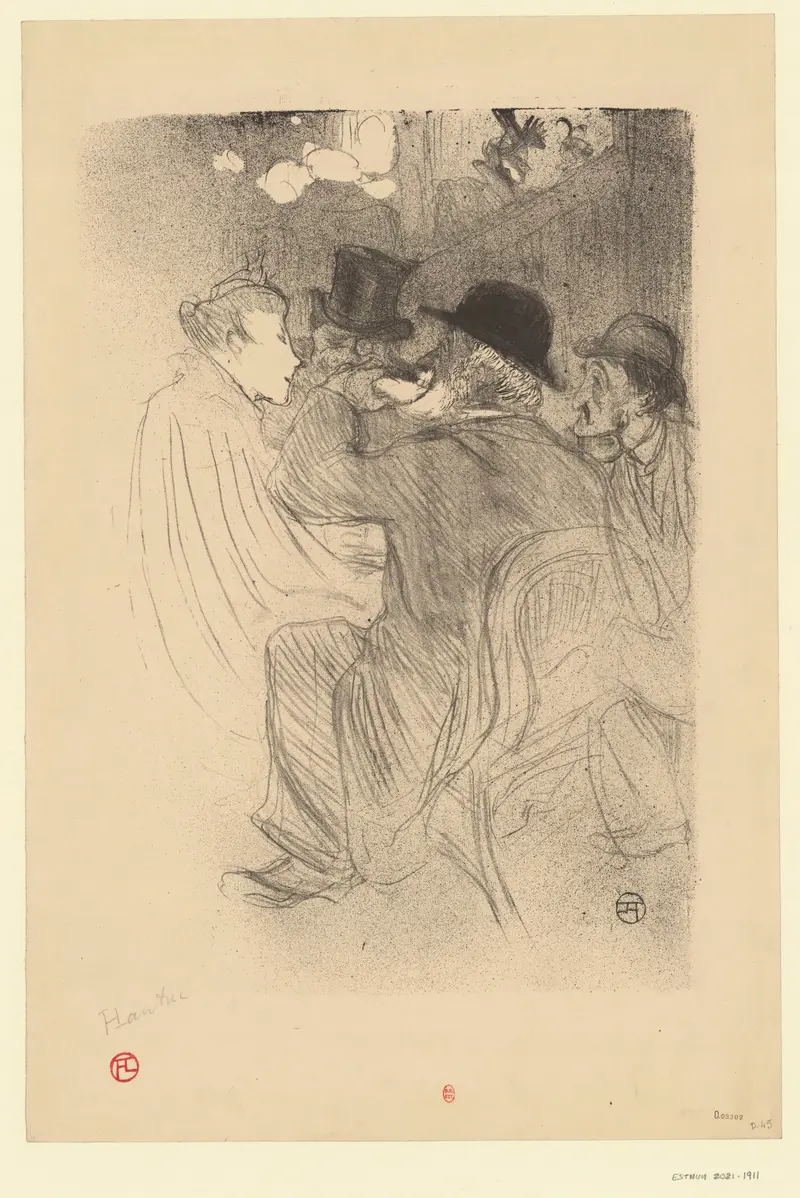
Au Moulin Rouge;Un Rude! Un Vrai Rude!
Henri de Toulouse-Lautrec
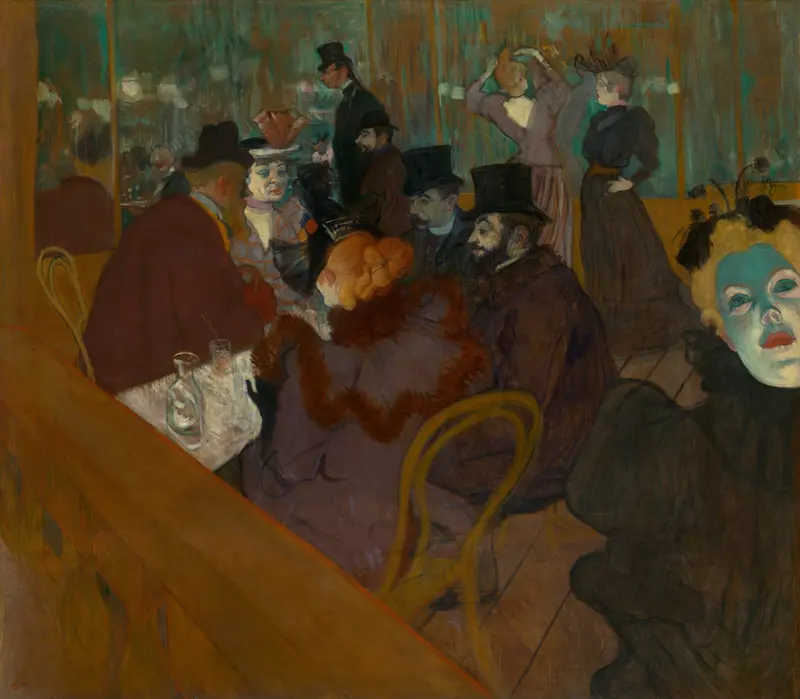
At the Moulin Rouge
Henri de Toulouse-Lautrec
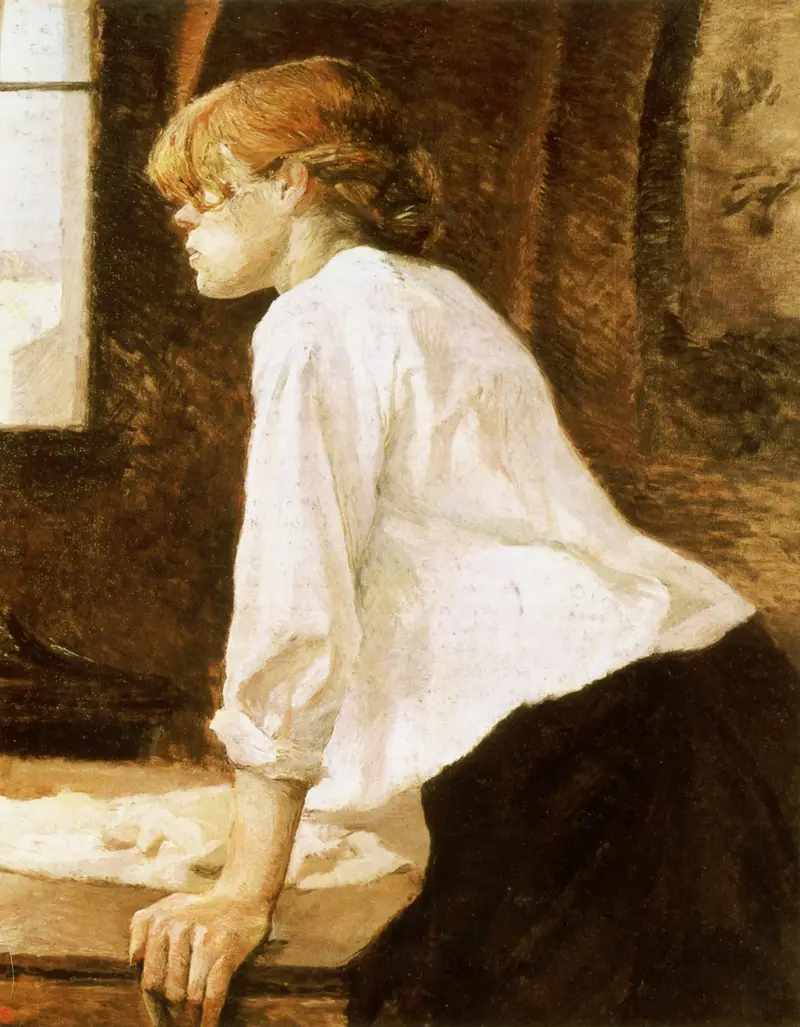
La Blanchisseuse
Henri de Toulouse-Lautrec
The Hangover (Suzanne Valadon)
Henri de Toulouse-Lautrec
More Genre Scene Art

Banquet of the Officers of the St George Civic Guard
Frans Hals

Rembrandt and Saskia in the Scene of the Prodigal Son
Rembrandt van Rijn

Bal du moulin de la Galette
Pierre-Auguste Renoir
Quadrille at the Moulin Rouge
Henri de Toulouse-Lautrec

A Burial at Ornans
Gustave Courbet

When Will You Marry?
Paul Gauguin