
The Triumph of Christianity over Paganism — History & Facts
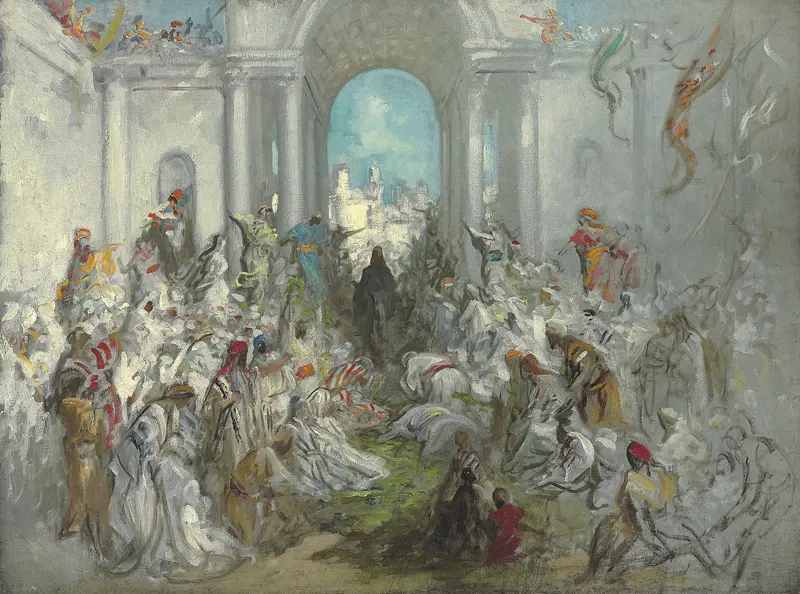
In 1868, Gustave Doré unveiled The Triumph of Christianity over Paganism at the Paris Salon, stirring both admiration and controversy for its sweeping vision of religious upheaval. This was a moment when France itself was wrestling with questions of faith and secularism, and Doré’s painting seemed to echo those tensions on a grand, mythic scale. Critics marveled at the sheer ambition of the work, which sought not just to illustrate a story, but to capture the seismic shift from the old gods to the new faith.
One contemporary reviewer wrote, “Doré paints the end of an era as if he had witnessed it himself.” The painting’s scale and drama marked it as one of Doré’s most ambitious forays into history painting, a genre he approached with the same energy he brought to his famous illustrations. At the heart of the canvas, the painter freezes the moment when Christianity’s light breaks through the ruins of a toppled pagan world. Broken statues of Roman deities lie scattered at the feet of triumphant Christian figures, while a radiant cross rises in the background, casting a golden glow over the scene. The defeated pagans—draped in classical robes, their faces turned away in despair—contrast sharply with the upward gaze and open gestures of the Christians, who seem to draw strength from the light.
Doré’s use of dramatic chiaroscuro heightens the sense of conflict and revelation, recalling the theatricality of Eugène Delacroix’s historical canvases, though Doré’s vision is more allegorical than literal. Every detail, from the shattered laurel wreaths to the fluttering banners, signals the end of an ancient order and the dawn of a new spiritual age. The exact medium of The Triumph of Christianity over Paganism remains uncertain, though Doré was known for both his oil paintings and his monumental engravings. Unlike many of his works, which were widely reproduced as prints, this painting was created for public exhibition rather than private commission, reflecting Doré’s desire to be recognized as a serious painter as well as an illustrator.
Its subsequent history is less well documented; while some of Doré’s major canvases entered museum collections, others remained in private hands or were lost. Today, the painting stands as a testament to Doré’s ambition and the turbulent spirit of the late nineteenth century—a period when the old certainties were crumbling, and artists like Doré sought to capture the drama of a world in transition.
More Artworks by Gustave Doré

The Deluge
Gustave Doré
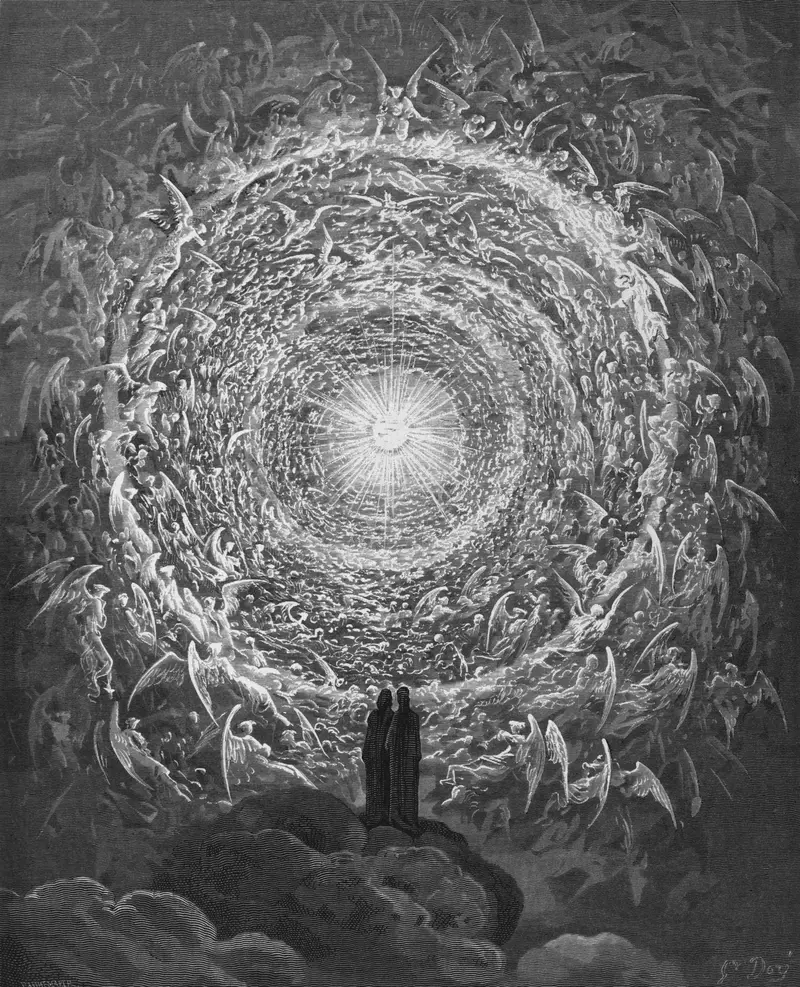
The Empyrean (Paradiso, Canto 31)
Gustave Doré
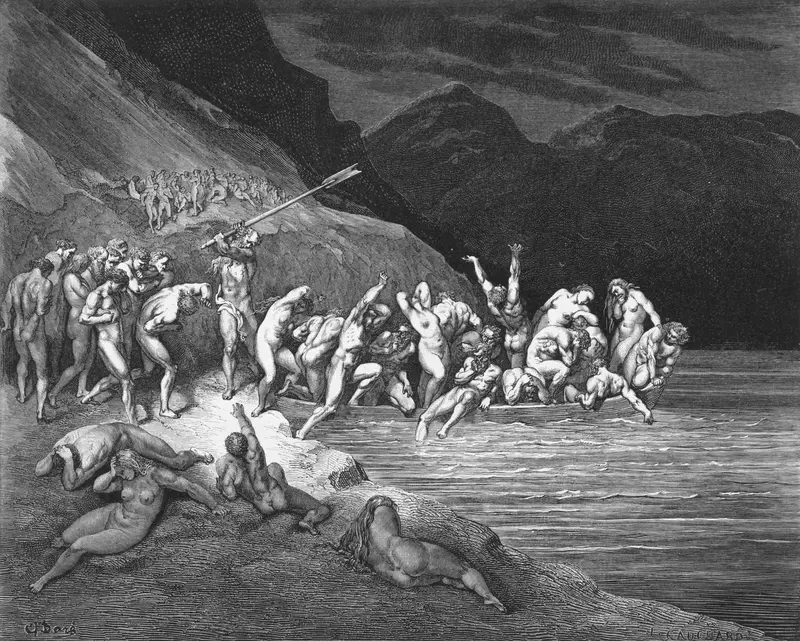
Charon (Inferno, Canto 3)
Gustave Doré
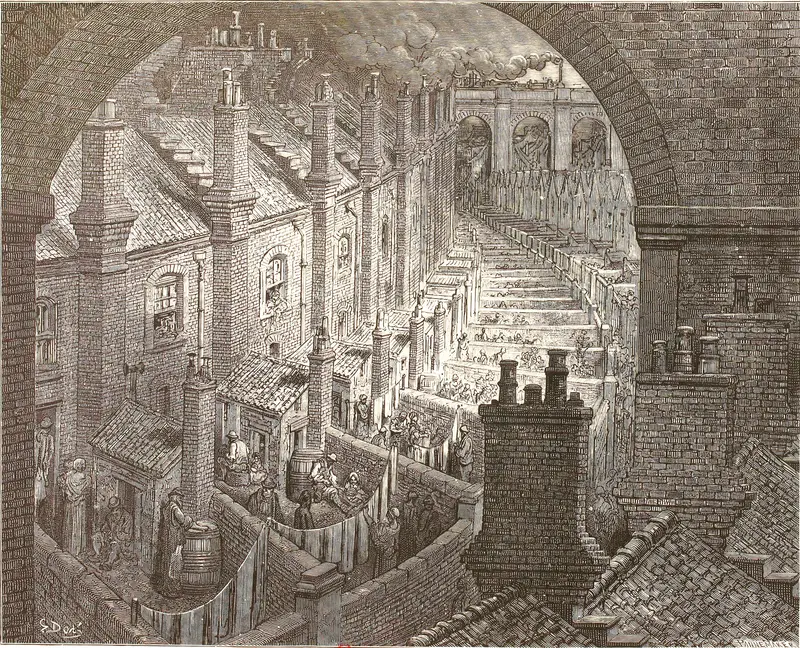
Over London by Rail
Gustave Doré
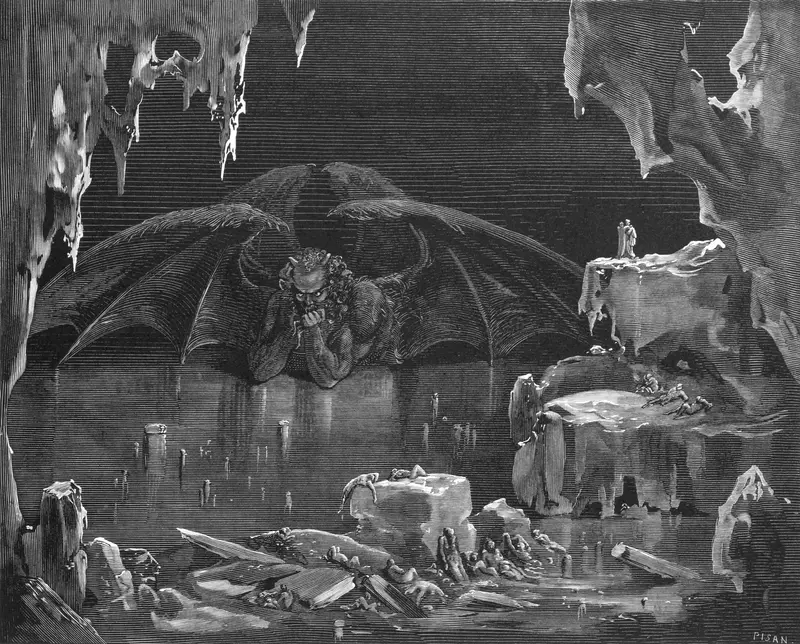
Lucifer, King of Hell
Gustave Doré
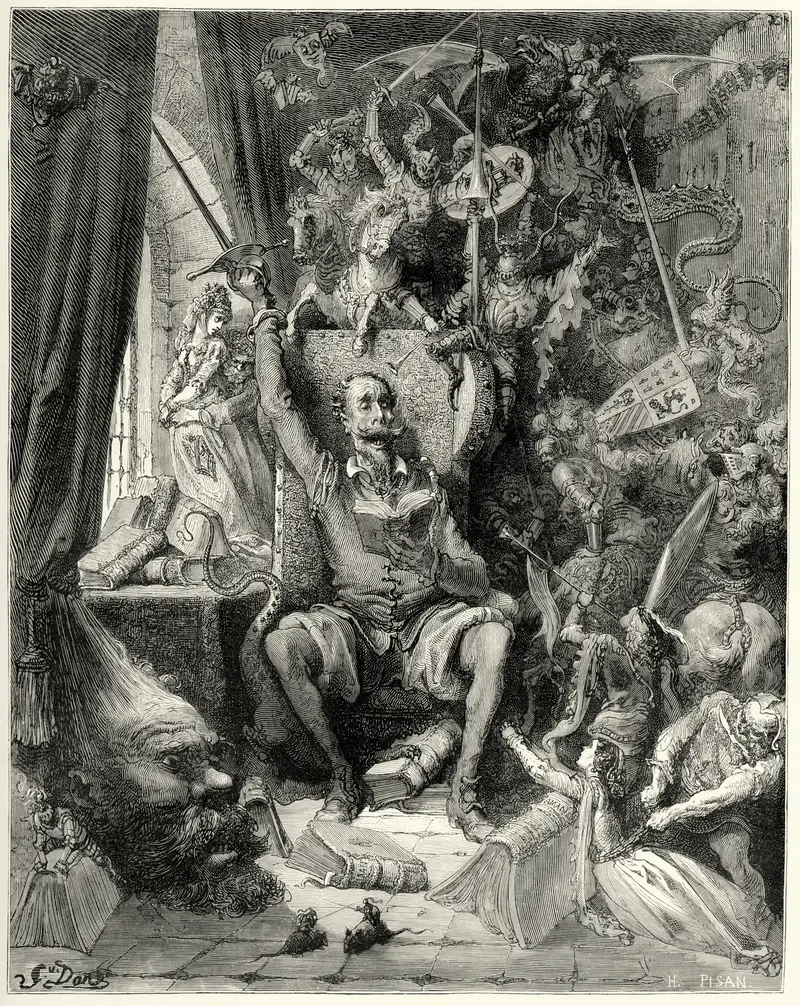
Don Quixote in His Library
Gustave Doré
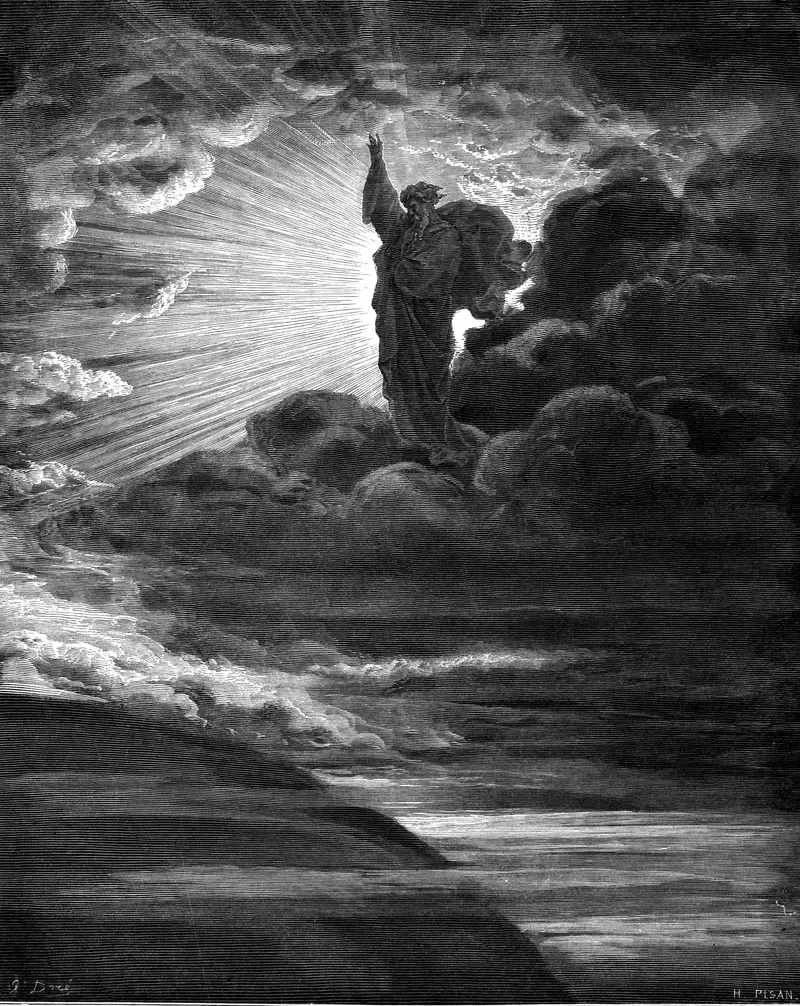
The Creation of Light
Gustave Doré
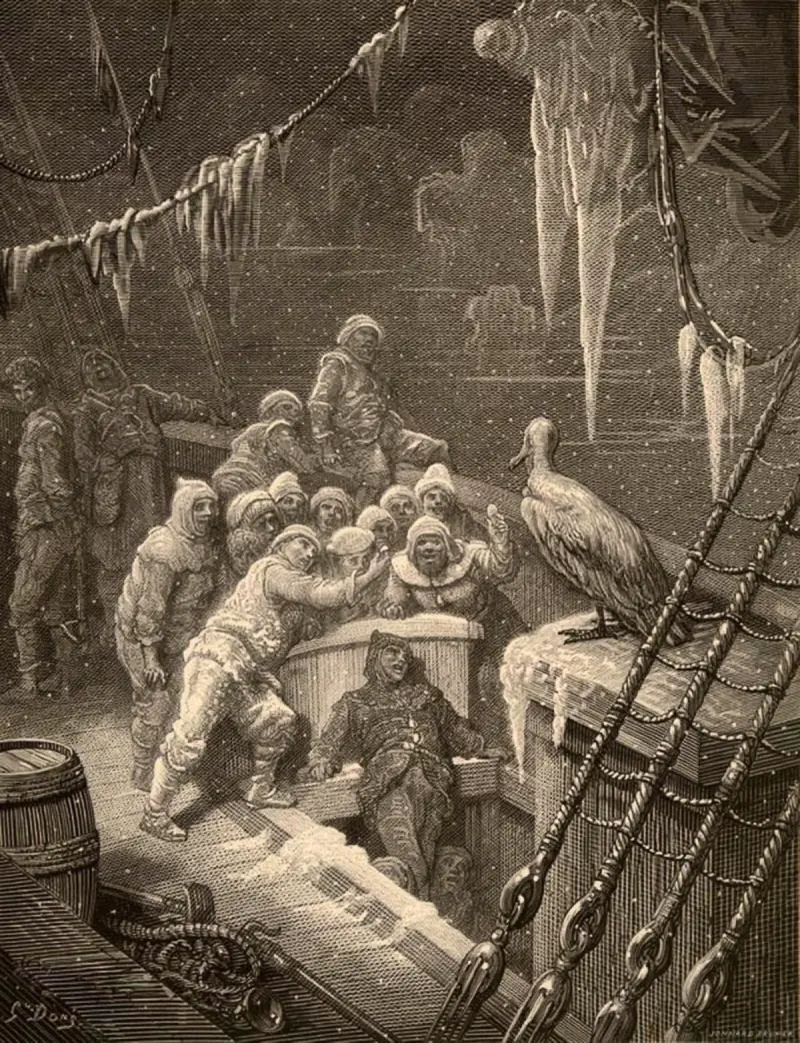
The Albatross (The Rime of the Ancient Mariner)
Gustave Doré
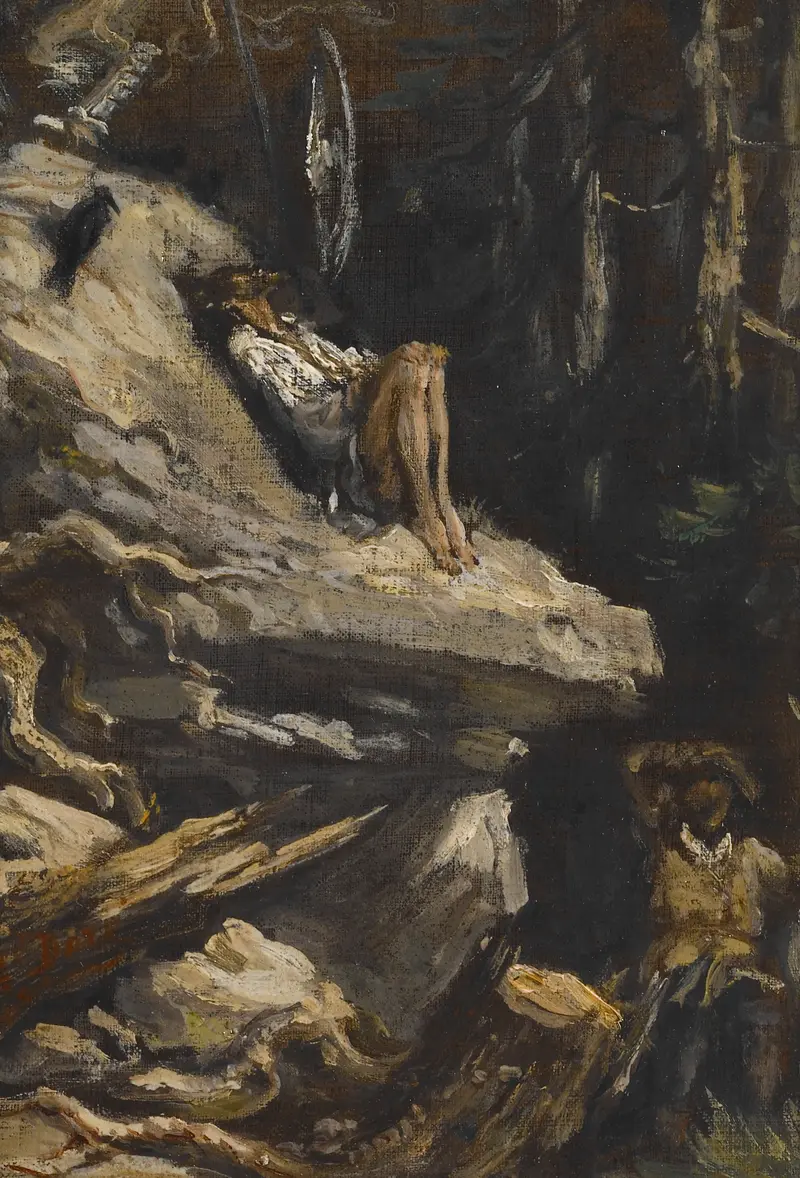
"'Alas!' answered Sancho, 'I found him in his shirt, lean, pale, and almost starved, sighing for his Lady Dulcinea'" from Don Quixote
Gustave Doré
Christ's Entry into Jerusalem
Gustave Doré





