
The Village in Flames (L’Incendie du Hameau) — History & Facts
Is this a mirror — or a memory? In the silence of The Village in Flames, the canvas vibrates with unspoken tension, echoing the devastation of loss and the haunting specter of destruction. Focus on the swirling smoke billowing upwards, capturing the viewer's attention as it dominates the horizon. The village, caught in the throes of fire, is painted with a palette of fiery reds and ominous blacks, evoking a visceral response. Notice how the light flickers across the charred remnants of the buildings, illuminating twisted forms that speak to both despair and resilience.
Each stroke of the brush seems to pulsate with the heat of the flames, while the stark, shadowy figures of villagers, barely discernible, reflect a haunting stillness amid chaos. Within the artwork lies a profound exploration of memory and identity. The flames, representing both destruction and transformation, force the viewer to confront the fragility of existence. The contrast between the vibrant colors of the fire and the darkness of the smoke evokes a duality of hope and despair.
This interplay invites reflection on how memories can both illuminate and consume, leaving behind only the outlines of what once was. Alphonse Legros created The Village in Flames in the years 1893–1894 while living in England, amidst a period marked by profound societal change and the rise of modernism in art. This time saw much experimentation and a departure from traditional techniques, as well as an exploration of darker themes reflecting the anxieties of an industrializing world. Legros, a French artist, embraced these shifts, imbuing this piece with the emotional weight of his experiences and observations.
More Artworks by Alphonse Legros
Browse all →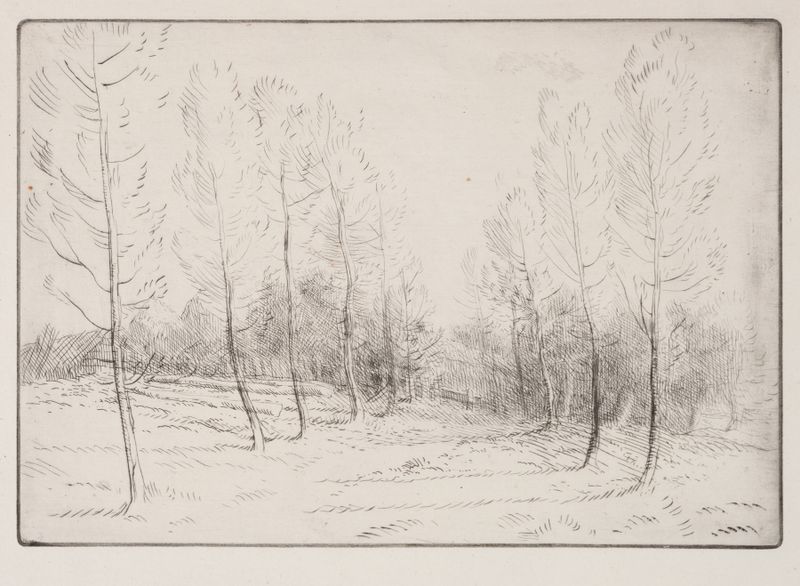
Avenue of Poplars
Alphonse Legros
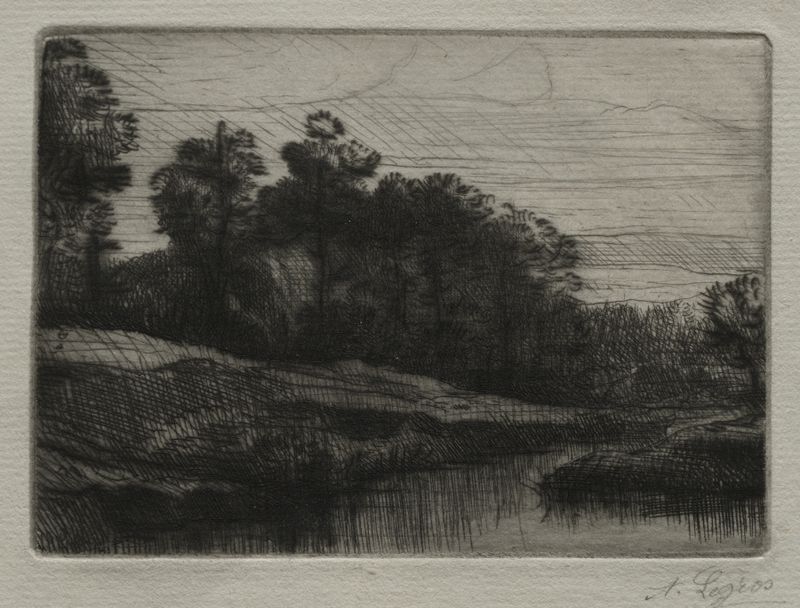
Evening
Alphonse Legros

The Fish in the Hoop Net
Alphonse Legros

The Little Beggar
Alphonse Legros
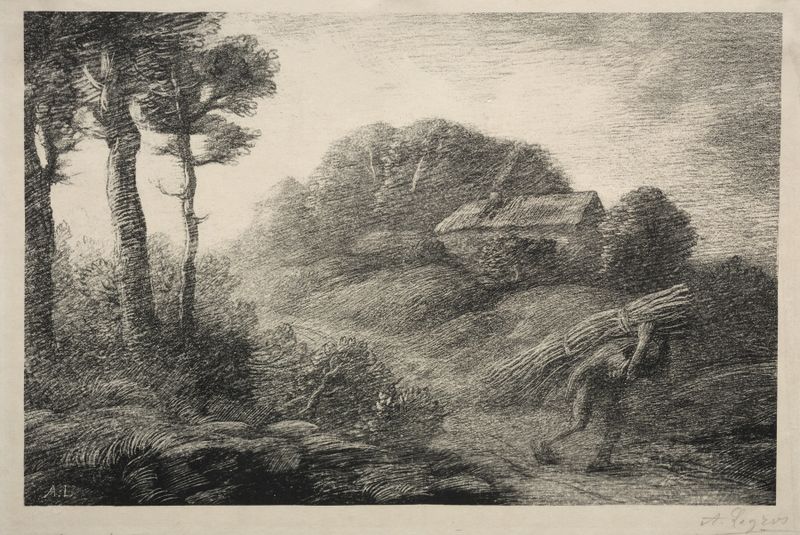
The Return of the Fagot Gatherer
Alphonse Legros

Storm
Alphonse Legros
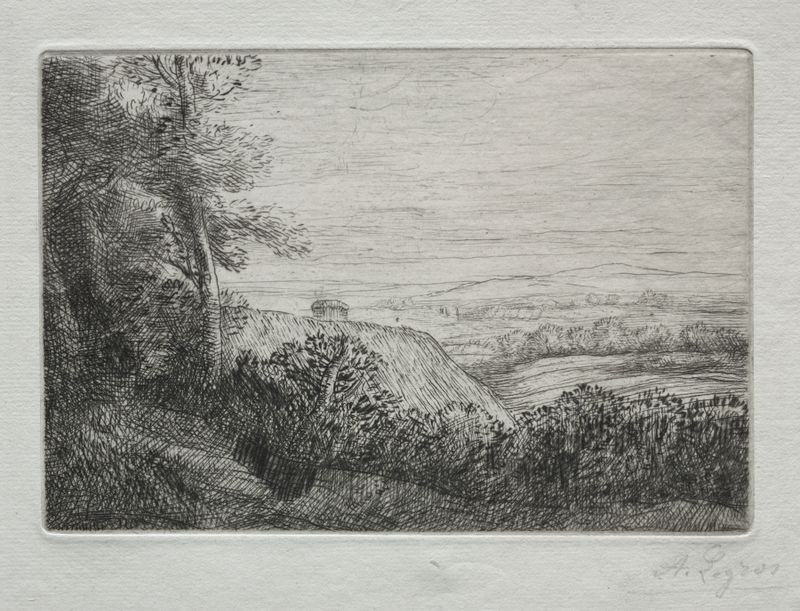
Les dernière Rayons de Soleil
Alphonse Legros
The Traveler Stretched out on the Grass
Alphonse Legros
Guard House
Alphonse Legros

Death of a Vagabond
Alphonse Legros





