
The Village School — History & Facts
A shaft of pale daylight slices through the dusty gloom, catching on the tangled hair of children huddled on the floor, their faces half-turned toward a stern figure at a battered desk. The room is all rough timber and shadow, the ceiling sloping low, as if the world outside is pressing in. In this cramped attic, the business of learning is a noisy, communal affair: children squirm, whisper, and sprawl, their postures as varied as their attentions.
The teacher, hunched and absorbed, seems both guardian and jailer, his quill scratching out lessons that may or may not be heeded by the restless crowd. The light draws the eye to the window and the teacher’s concentrated face, but the true center is the children—a swirl of energy and distraction, rendered with a warmth that undercuts any harshness. Works like The Village School by Adriaen van Ostade, painted in 1641, belong to a Dutch tradition that found fascination in the everyday lives of common people. In the bustling towns and quiet villages of the Dutch Republic, scenes of taverns, markets, and humble interiors filled the walls of prosperous burghers’ homes.
These paintings were not grand commissions for churches or courts, but intimate glimpses into the world just outside the door. Ostade’s choice to dwell on the unruly, earthy reality of a village classroom—rather than an idealized vision—reflects both the humor and the realism prized by collectors of his day. History has kept few traces of this particular classroom, but the painting’s rough beams and glowing faces invite the viewer to step closer, to listen for the murmur of lessons and laughter echoing through the centuries.
More Artworks by Adriaen van Ostade

Dans in de herberg
Adriaen van Ostade
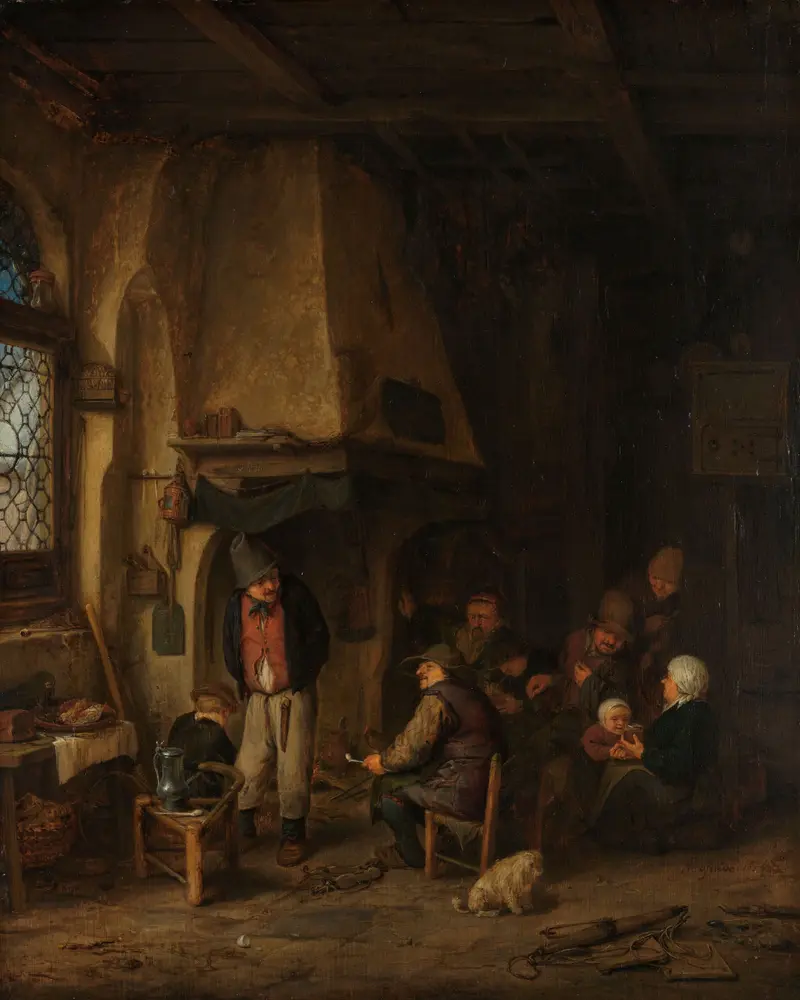
‘The Skaters’: Peasants in an Interior
Adriaen van Ostade
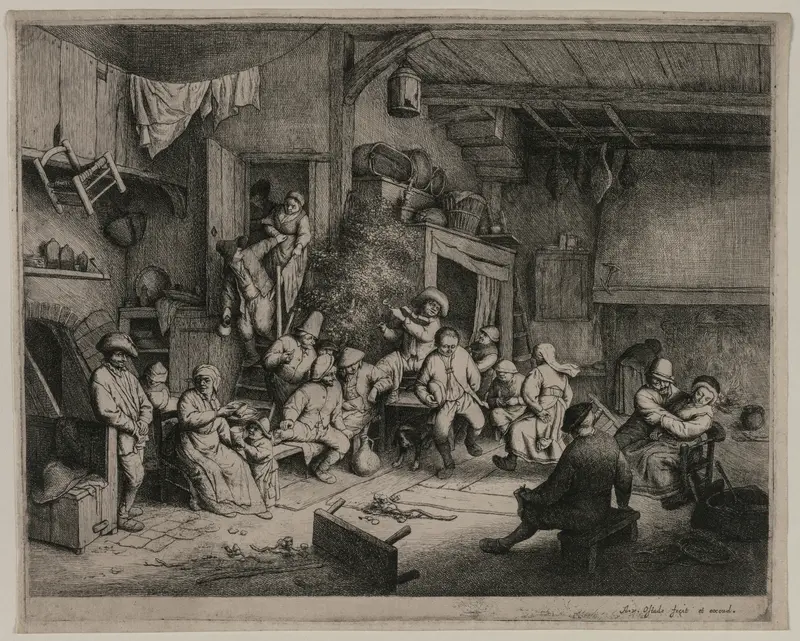
Dance at the Inn
Adriaen van Ostade
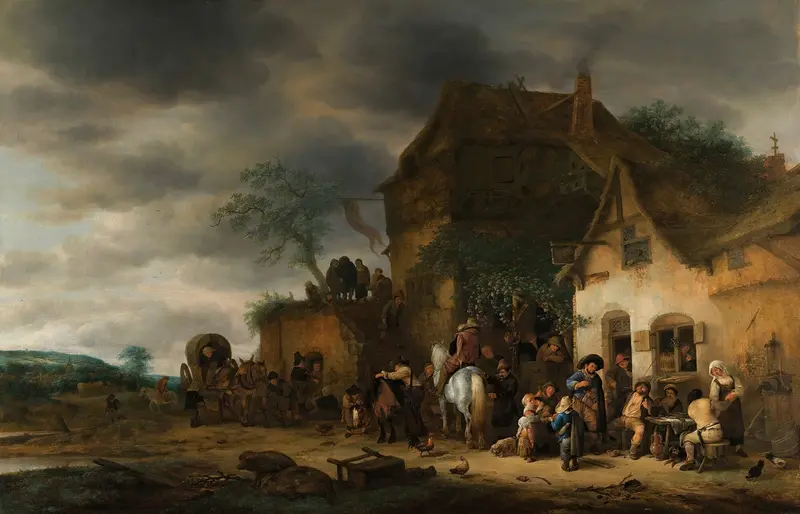
Travellers Halted At A Country Inn
Adriaen van Ostade
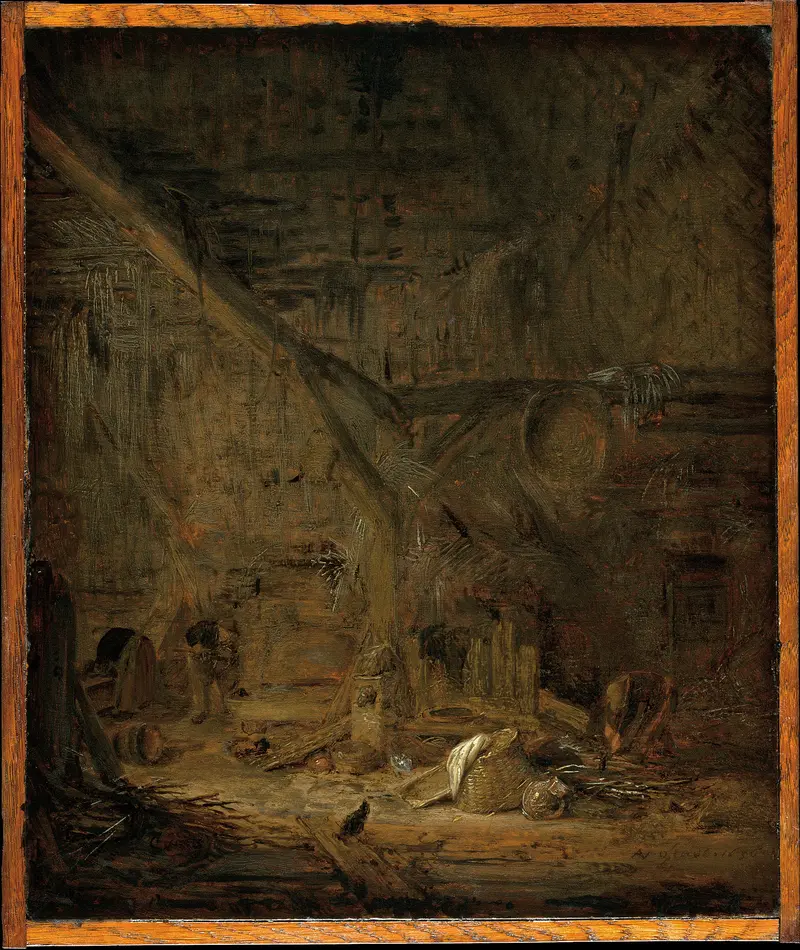
Interior of a Barn
Adriaen van Ostade
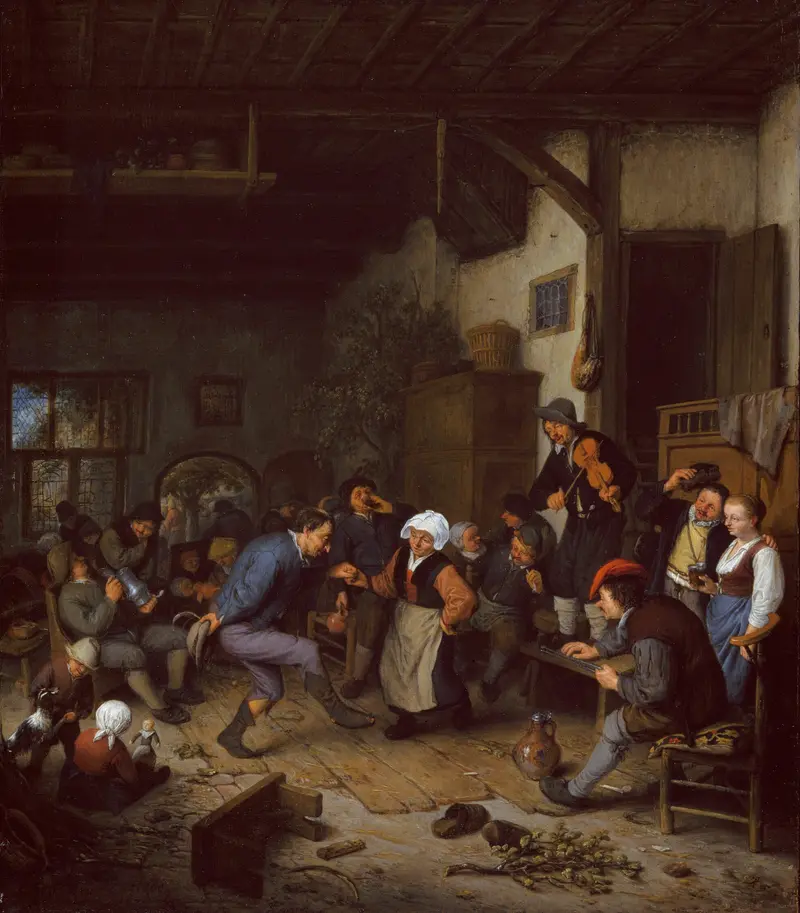
Merrymakers in an Inn
Adriaen van Ostade
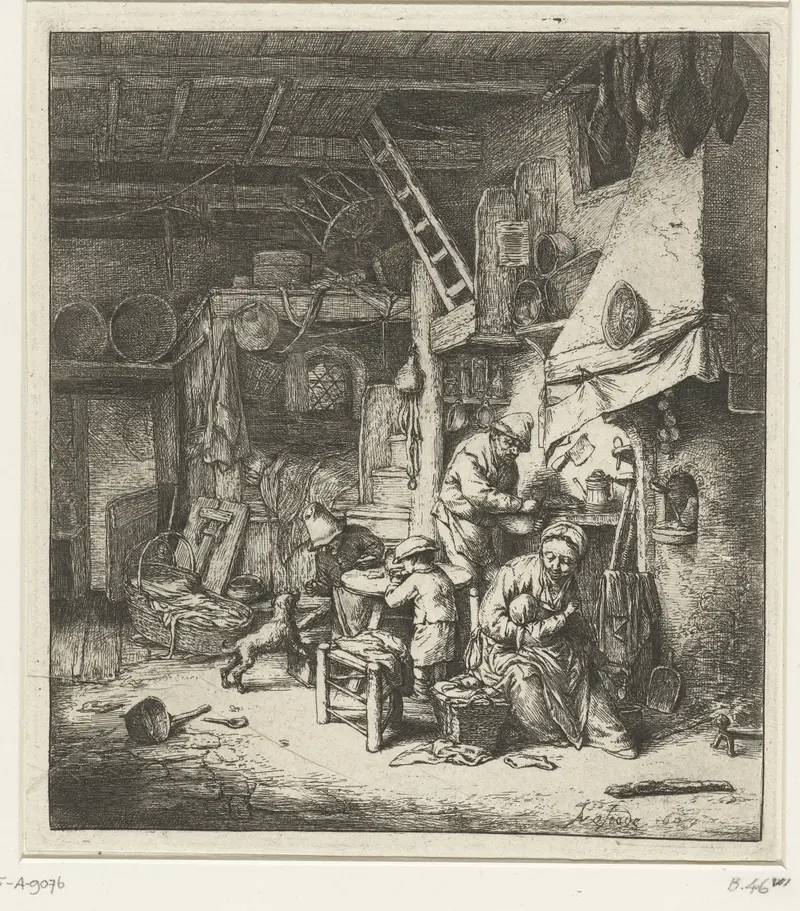
Boerengezin in interieur
Adriaen van Ostade
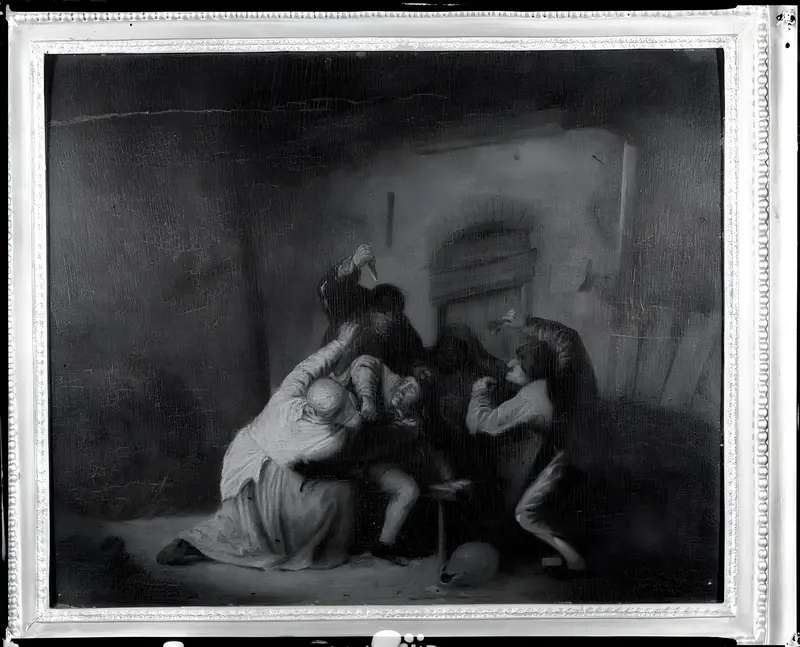
Peasants Brawling in a Tavern
Adriaen van Ostade
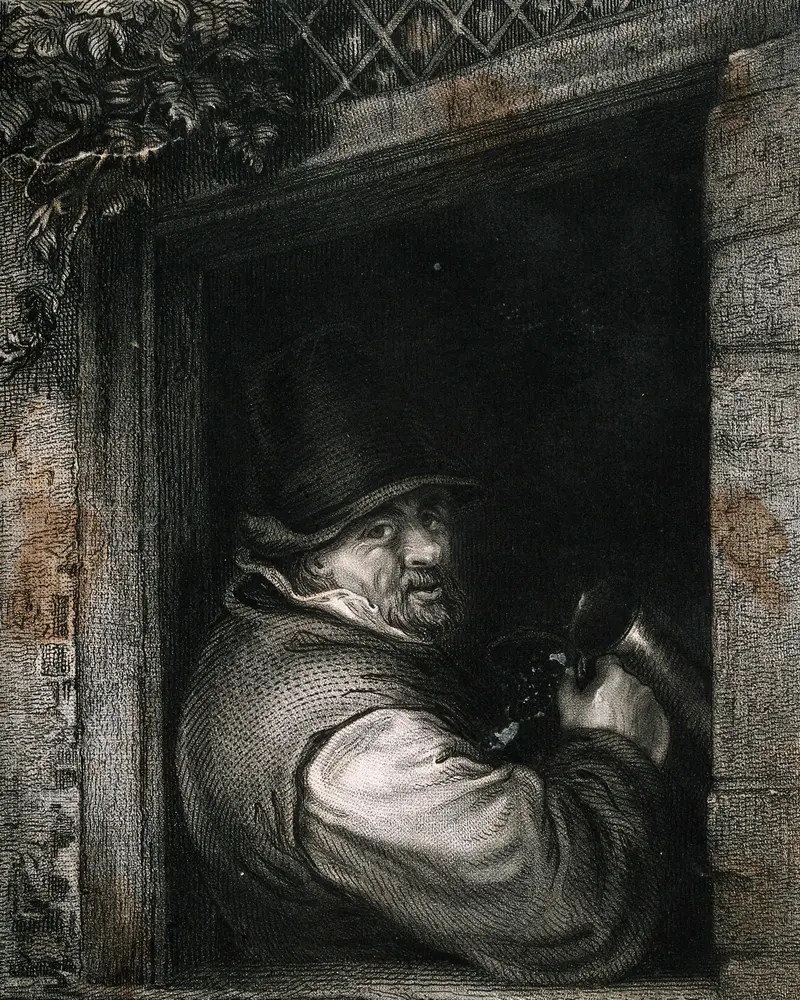
Man with a Tankard at a Window
Adriaen van Ostade
Dans in de herberg
Adriaen van Ostade
More Genre Scene Art

Banquet of the Officers of the St George Civic Guard
Frans Hals

Rembrandt and Saskia in the Scene of the Prodigal Son
Rembrandt van Rijn

Bal du moulin de la Galette
Pierre-Auguste Renoir

Quadrille at the Moulin Rouge
Henri de Toulouse-Lautrec

A Burial at Ornans
Gustave Courbet

When Will You Marry?
Paul Gauguin