
The Virgin Mary with the Child Jesus in a Shirt — History & Facts
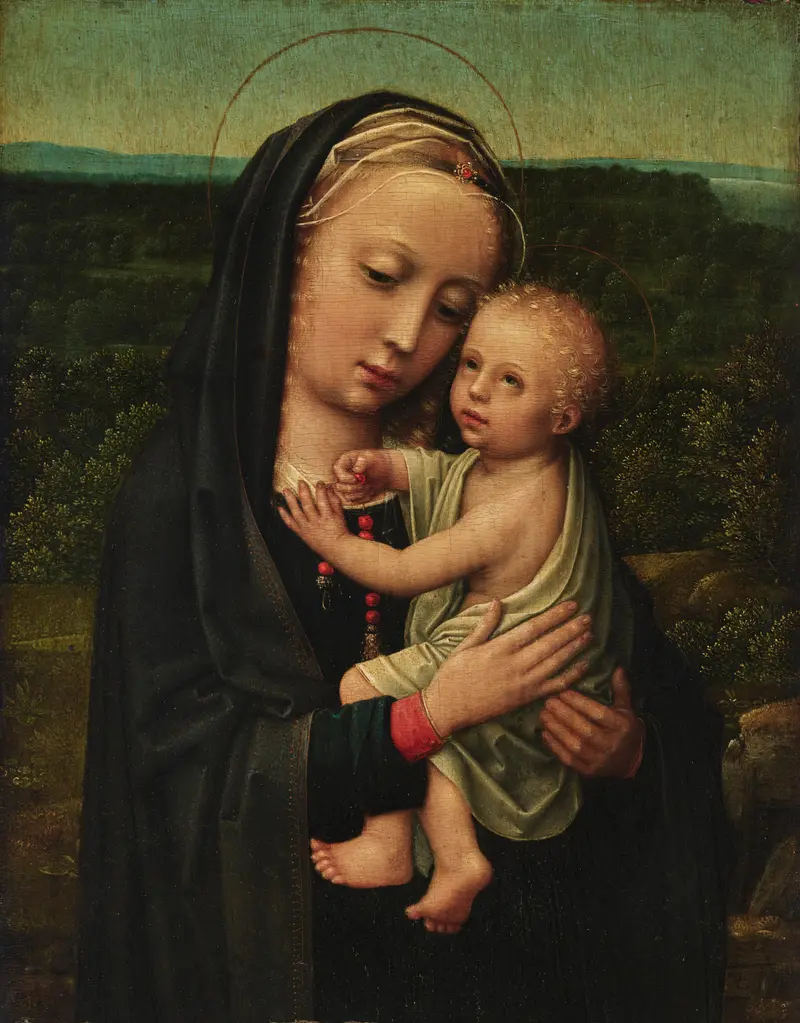
A hush seems to settle over the scene before you, as if the world itself has paused to witness the quiet exchange between mother and child. The artist has drawn the viewer’s gaze to the gentle interplay of hands: the Virgin Mary’s fingers, slender and careful, cradle the Christ Child with a tenderness that speaks more loudly than any gesture of grandeur. The Child’s gaze drifts downward, his small hand reaching outward in a gesture at once natural and symbolic, while his other arm rests with trust on his mother’s shoulder.
Light falls softly across their faces, illuminating their skin with a delicate glow that stands out against the deep, almost impenetrable darkness of Mary’s robe and the radiant gold of the background. Every detail—the parted lips, the careful rendering of translucent fabric—invites contemplation, not of distant divinity, but of a moment of human intimacy. Painted in the first half of the sixteenth century, this work by Adriaen Isenbrant belongs to a world where images of the Virgin and Child were both objects of devotion and displays of painterly skill. In the Low Countries, such scenes were often commissioned for private prayer, intended to bring the holy figures into the domestic sphere.
The golden background here recalls the lingering influence of earlier icon traditions, even as the naturalism of the faces and hands signals the Renaissance’s embrace of observation and emotion. History has kept few traces of this particular painting’s journey, but its survival in a modern collection allows us to witness how faith and artistry intertwined in a period of profound change. Look again at the Child’s shirt—its sheer fabric, its humble cut—and see how the artist’s world sought the sacred in the everyday.
More Artworks by Adriaen Isenbrant
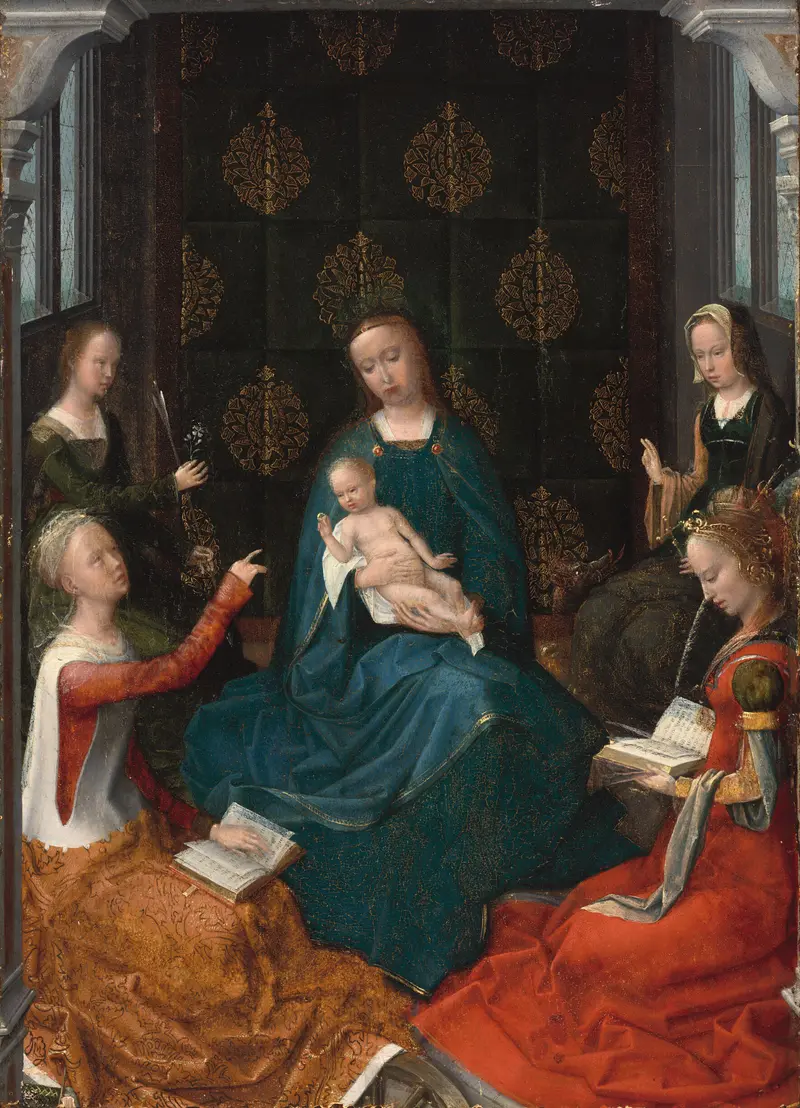
The Mystic Marriage of Saint Catherine of Alexandria with Three Female Saints: Ursula, Margaret of Antioch, and an Unidentified Martyr
Adriaen Isenbrant
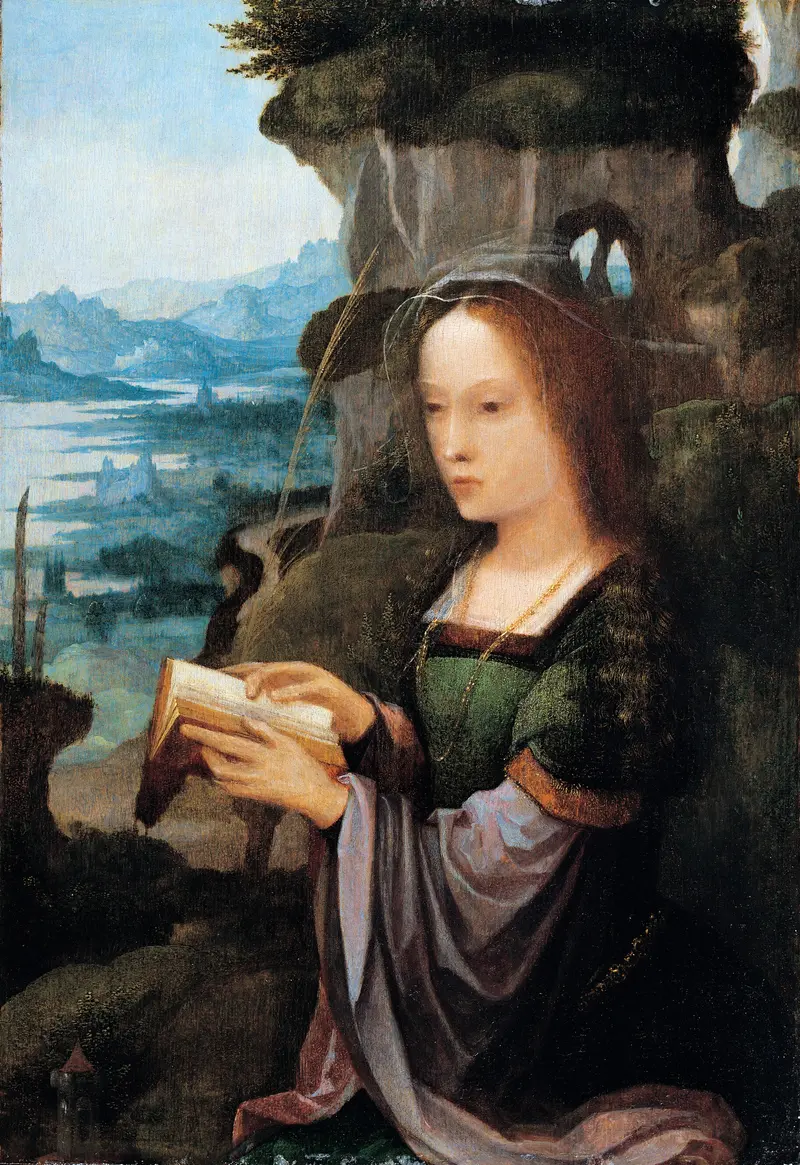
Saint Barbara
Adriaen Isenbrant
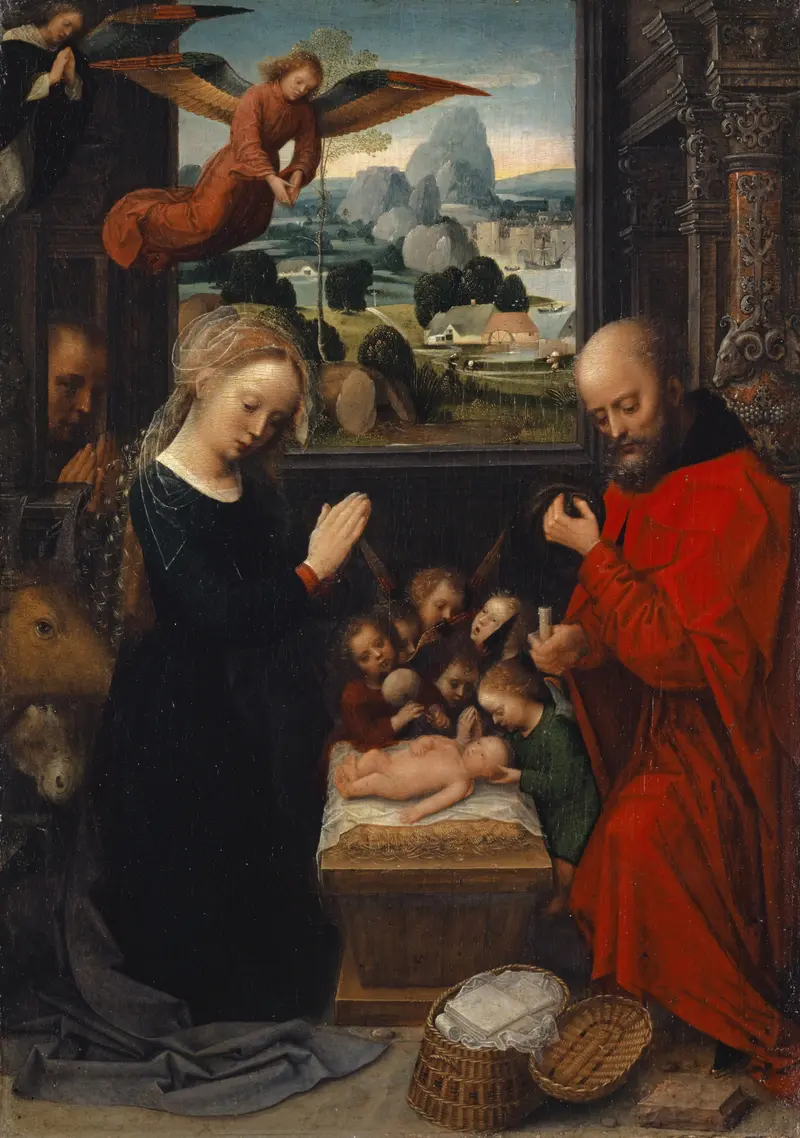
The Nativity
Adriaen Isenbrant
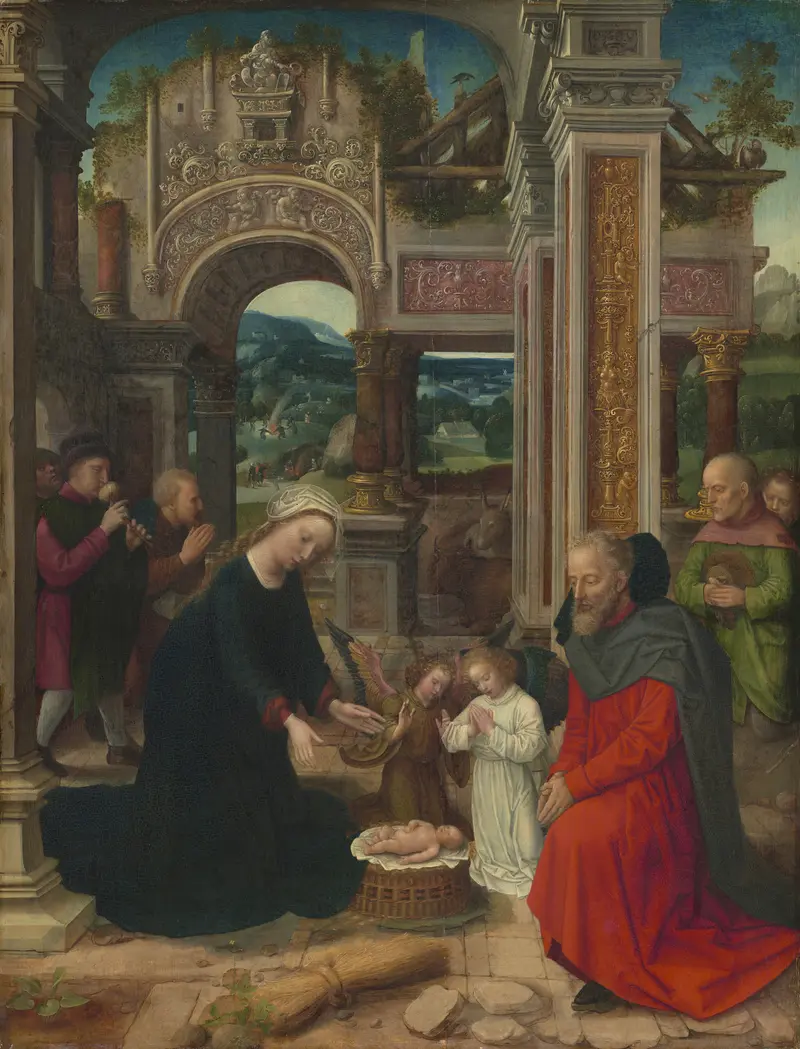
The Adoration of the Shepherds
Adriaen Isenbrant
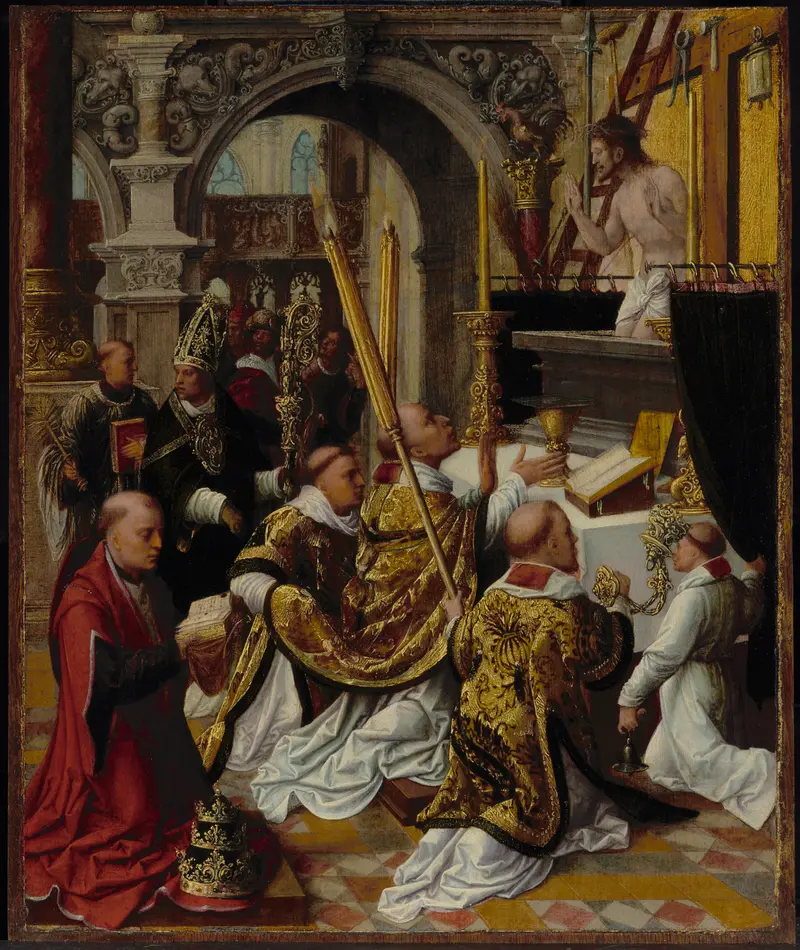
The Mass of Saint Gregory the Great
Adriaen Isenbrant
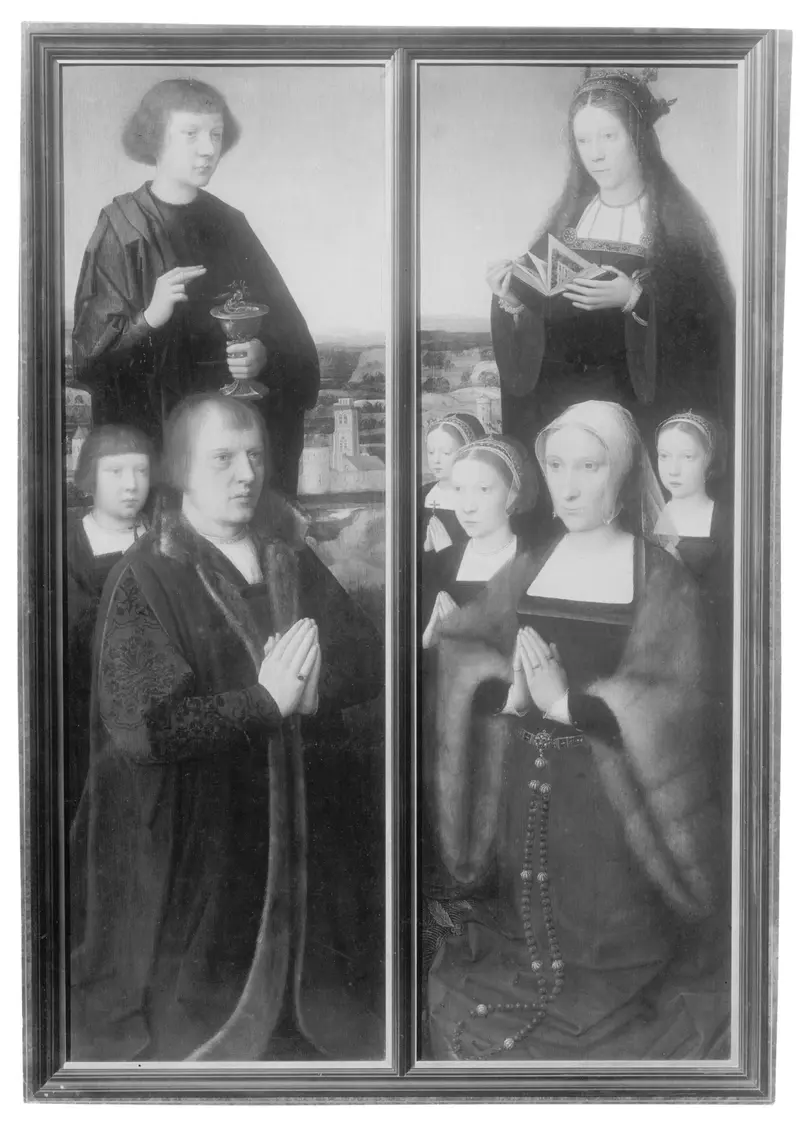
Wings of a polyptych with donors -Man with son and Saint, Woman with daughters and Saint (burned)
Adriaen Isenbrant
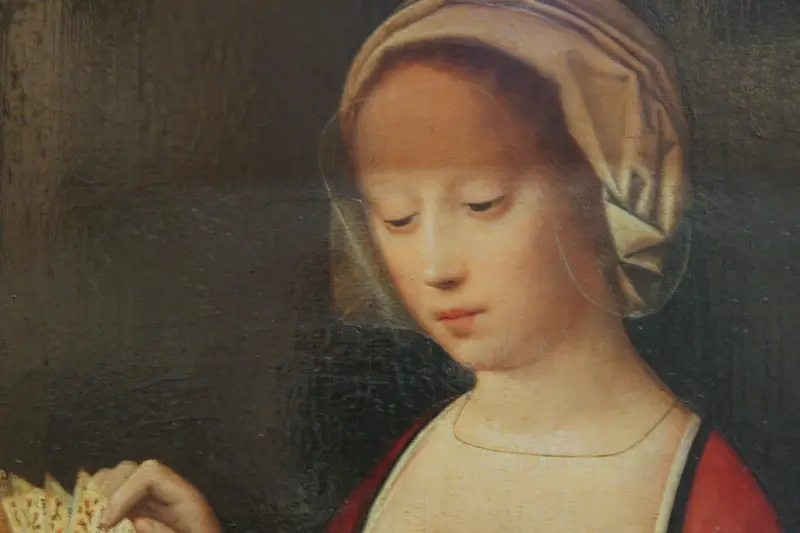
Mary Magdalene Reading
Adriaen Isenbrant
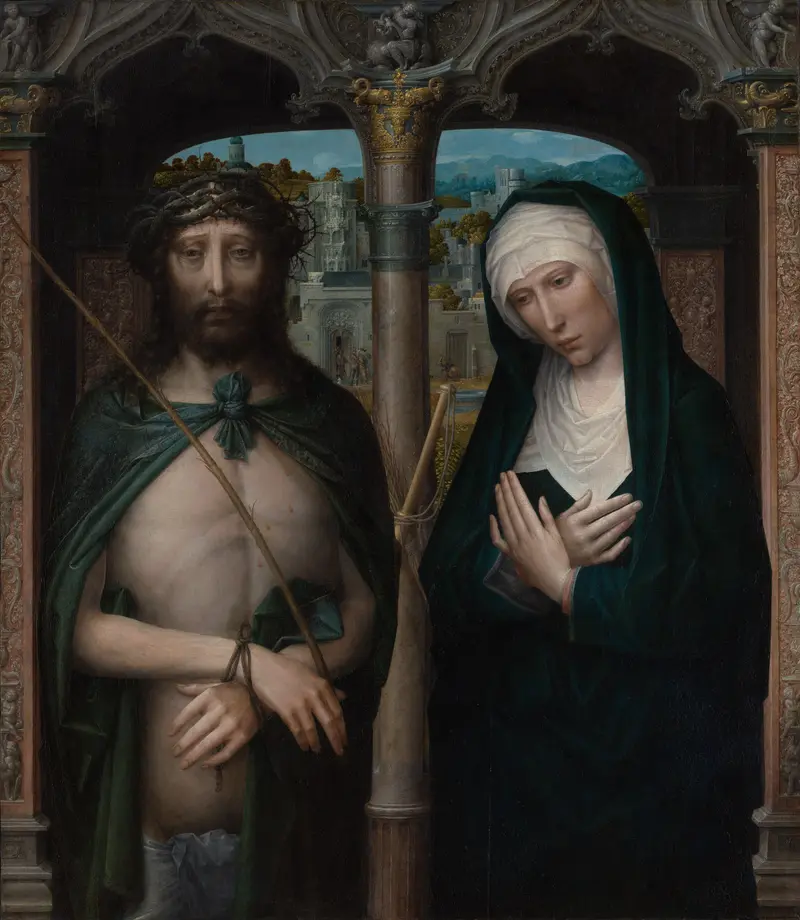
Christ Crowned with Thorns (Ecce Homo), and the Mourning Virgin
Adriaen Isenbrant
Madonna and Child
Adriaen Isenbrant
The 12-Year-Old Jesus in the Temple
Adriaen Isenbrant





