
The Wave — History & Facts
Can paint confess what words never could? In The Wave, the tumultuous sea captures a moment where nature's fury mirrors the depths of human emotion, whispering secrets of betrayal beneath its frothy surface. Look to the center, where the cresting wave looms, a towering testament to power and unpredictability. The palette is rich with deep blues and whites, contrasting with muted earth tones in the foreground. Notice how the light dances upon the wave’s surface, creating a shimmering effect that beckons the viewer closer, yet simultaneously warns of its ferocity.
The brushwork is dynamic, with swirling strokes that give the illusion of movement, evoking a sense of urgency and impending chaos. Beneath the surface, this painting reflects the tension between nature and human vulnerability. The ocean, often a symbol of freedom, here embodies betrayal—the heights of its cresting wave threatening to engulf and drown. The dark undertones suggest a struggle, possibly an internal conflict, mirroring the tumultuous relationship between man and nature.
Each glimmer of light on the water can be seen as a fleeting moment of hope amid the looming threat, revealing the complexity of human emotions intertwined with the natural world. Courbet created this work in 1869 during a time of significant transformation in both his personal life and the broader artistic community. He was entrenched in his quest for realism, moving away from romanticized art forms, and challenging conventional standards. The political climate of France, fraught with change, influenced his perception of nature and humanity, allowing him to capture that raw intensity in The Wave, a piece that transcends mere representation to speak of deeper truths.
More Artworks by Gustave Courbet
Browse all →
Marine
Gustave Courbet
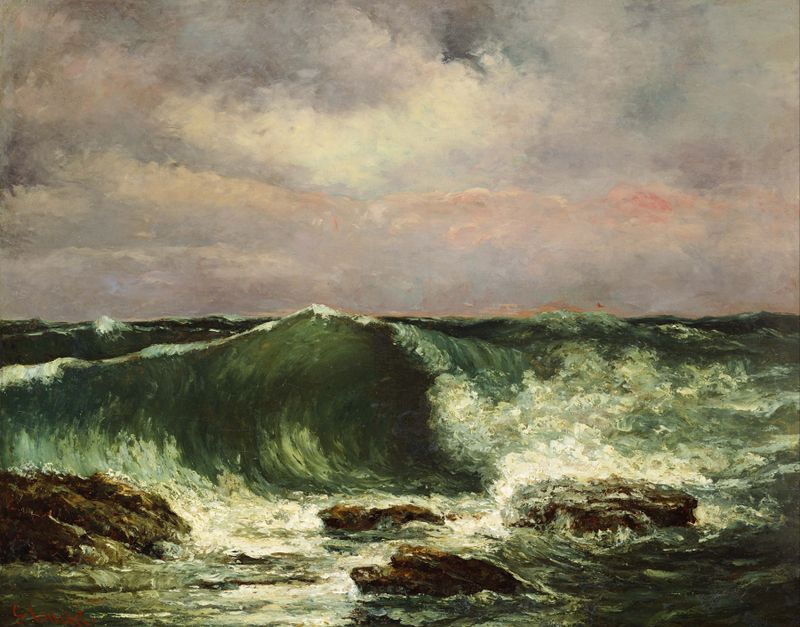
Waves
Gustave Courbet

Étretat; Les Falaises
Gustave Courbet
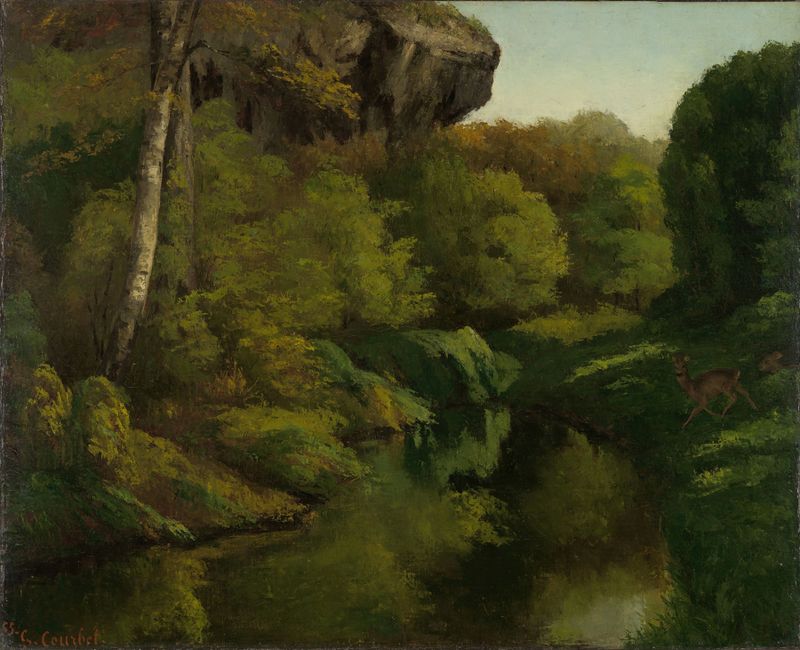
View in the Forest of Fontainebleau
Gustave Courbet
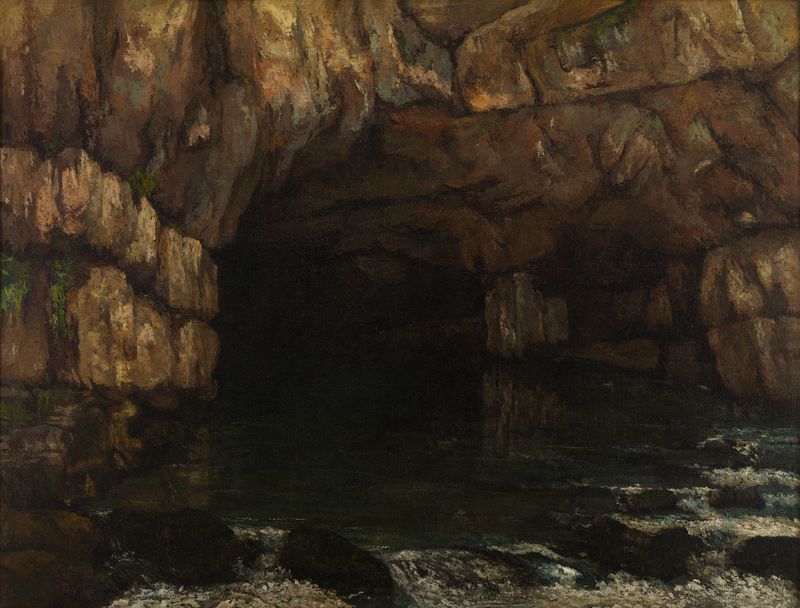
La source de la Loue (The Source of the Loue)
Gustave Courbet

Low Tide at Trouville
Gustave Courbet
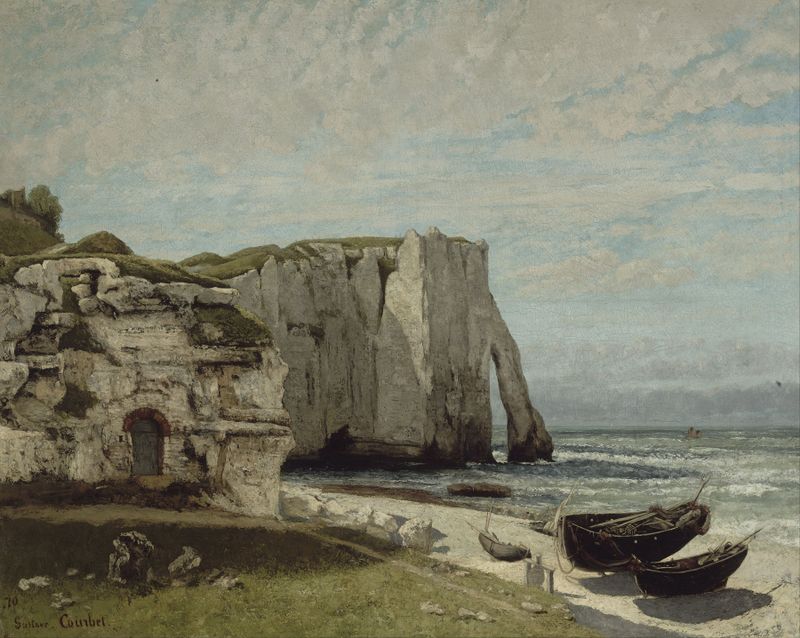
The Etretat Cliffs after the Storm
Gustave Courbet
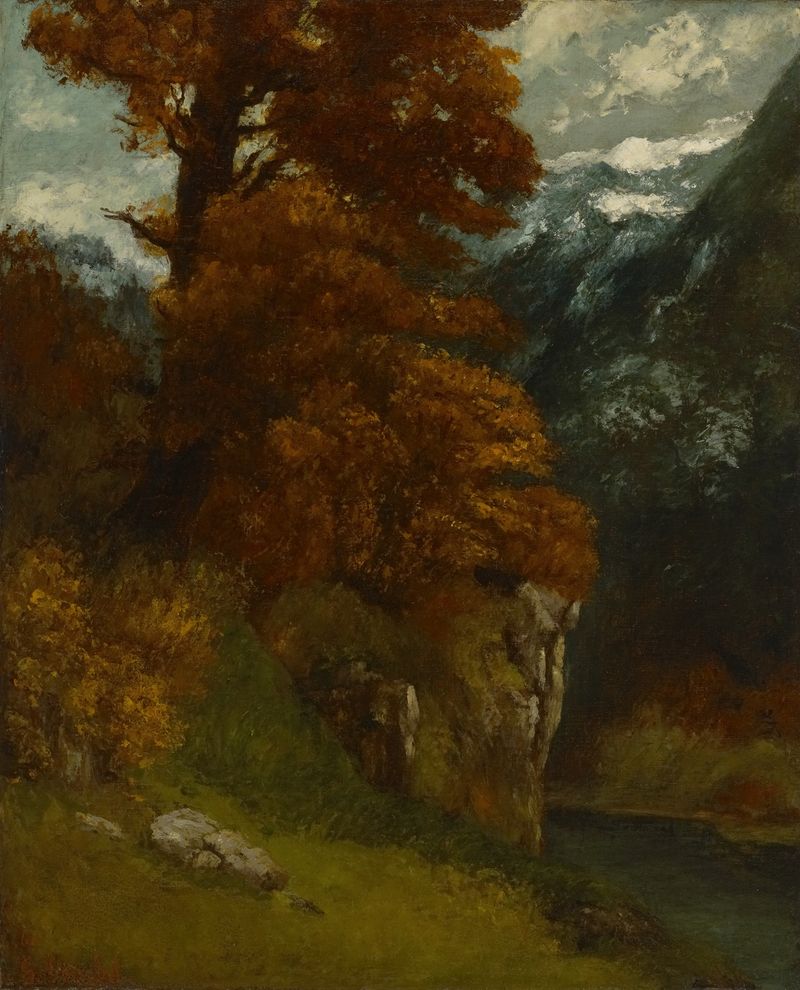
The Glen at Ornans (Bords du Doubs; Effet d’Automne)
Gustave Courbet
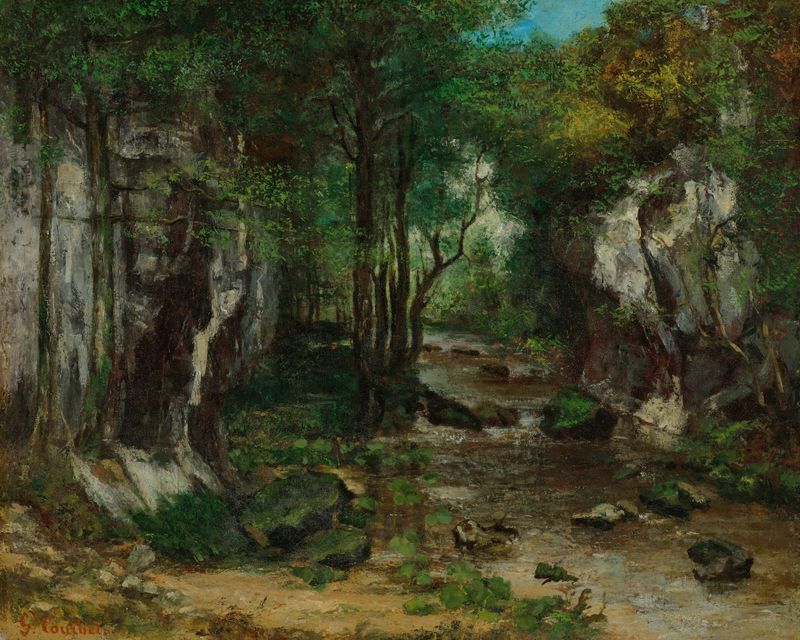
Le Ruisseau de Puits Noir
Gustave Courbet
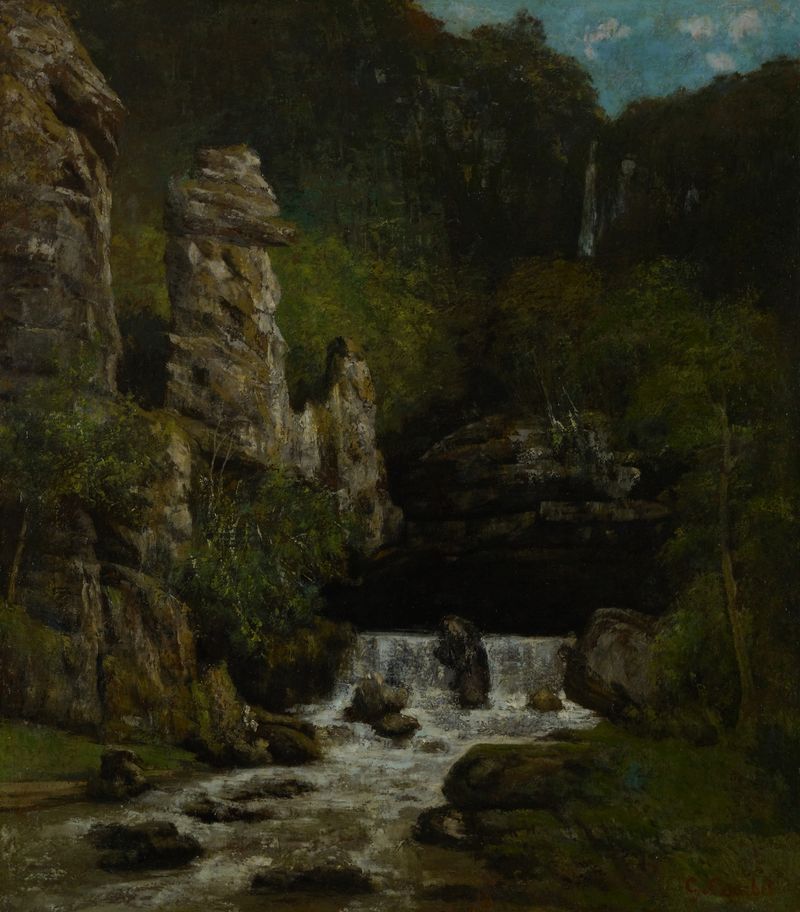
Landscape with a Waterfall
Gustave Courbet





