Discover insights about this artwork
The Wave — History & Facts
In The Wave, Gustave Courbet presents a dramatic seascape filled with tumultuous waves. The colors are rich and varied, with deep blues and whites dominating the canvas. The crashing waves are depicted with vigorous brushstrokes, conveying a sense of movement and energy.
The sky is overcast, adding to the painting's intensity and mood. Courbet employs oil on canvas to create this powerful marine scene, which measures approximately 100 x 150 cm. The texture of the paint is thick in areas, enhancing the visual impact of the waves. The artist's technique captures the raw energy of the sea, making it feel almost alive.
The contrast between light and dark adds depth to the composition. The Wave was painted during a time when Courbet was exploring the themes of nature and realism. This work reflects his interest in capturing the truth of the natural world, moving away from idealized representations. Interestingly, Courbet often painted en plein air, directly observing the landscapes and seascapes he depicted.
This approach allowed him to convey the immediacy and power of nature in his art.
More Artworks by Gustave Courbet
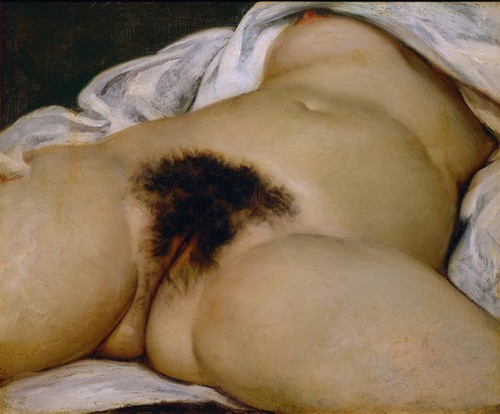
Origin of the World
Gustave Courbet
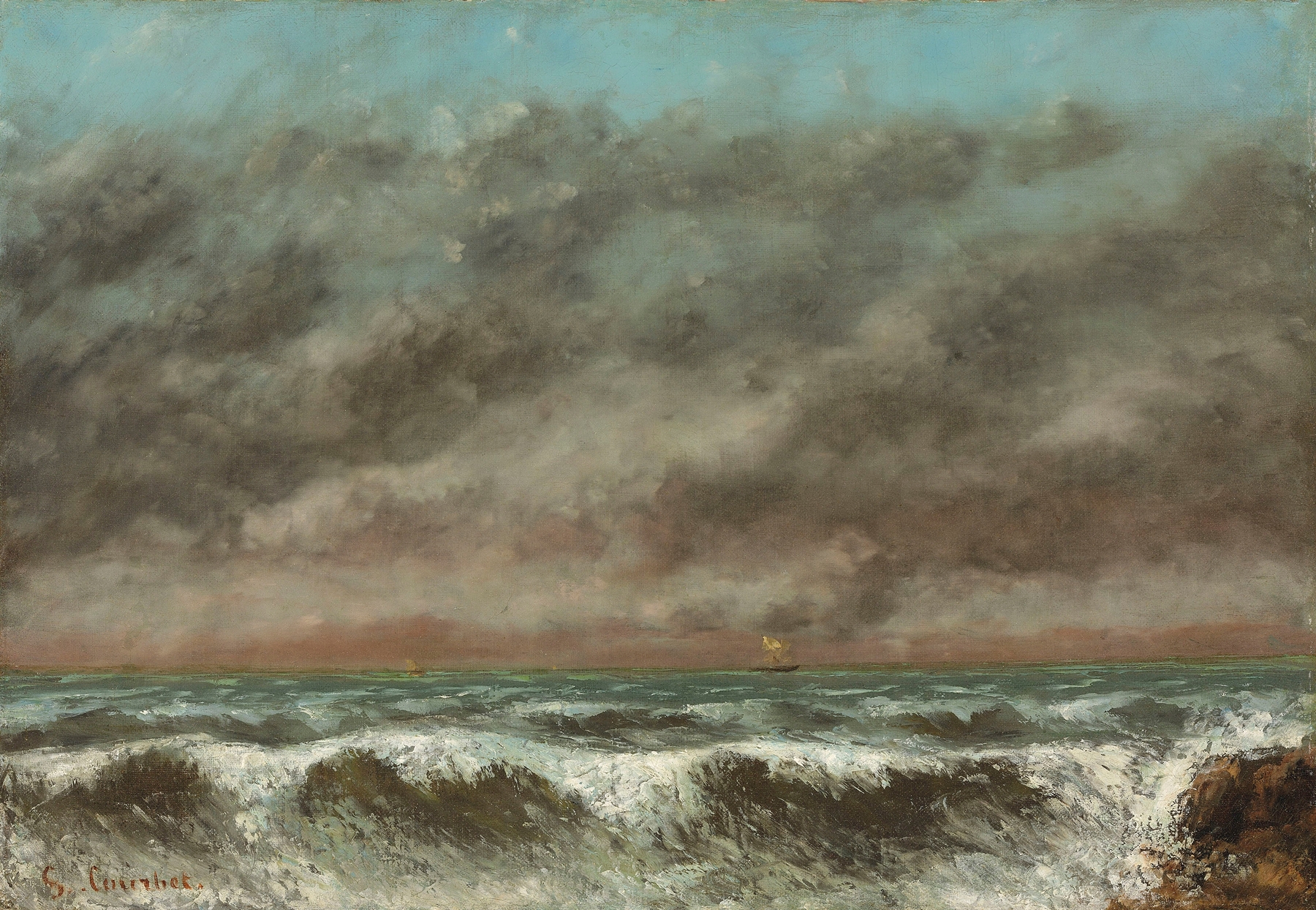
Marine
Gustave Courbet
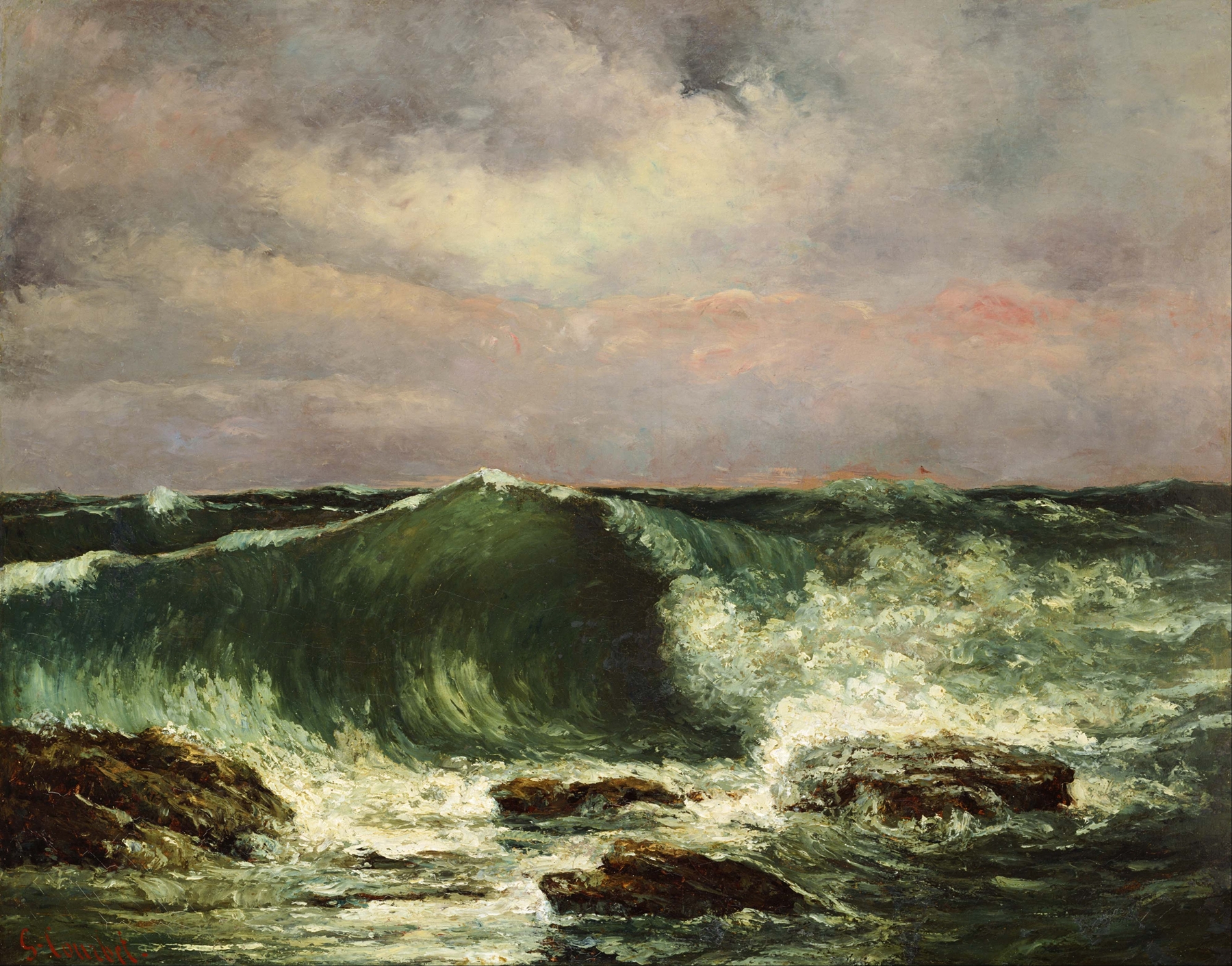
Waves
Gustave Courbet
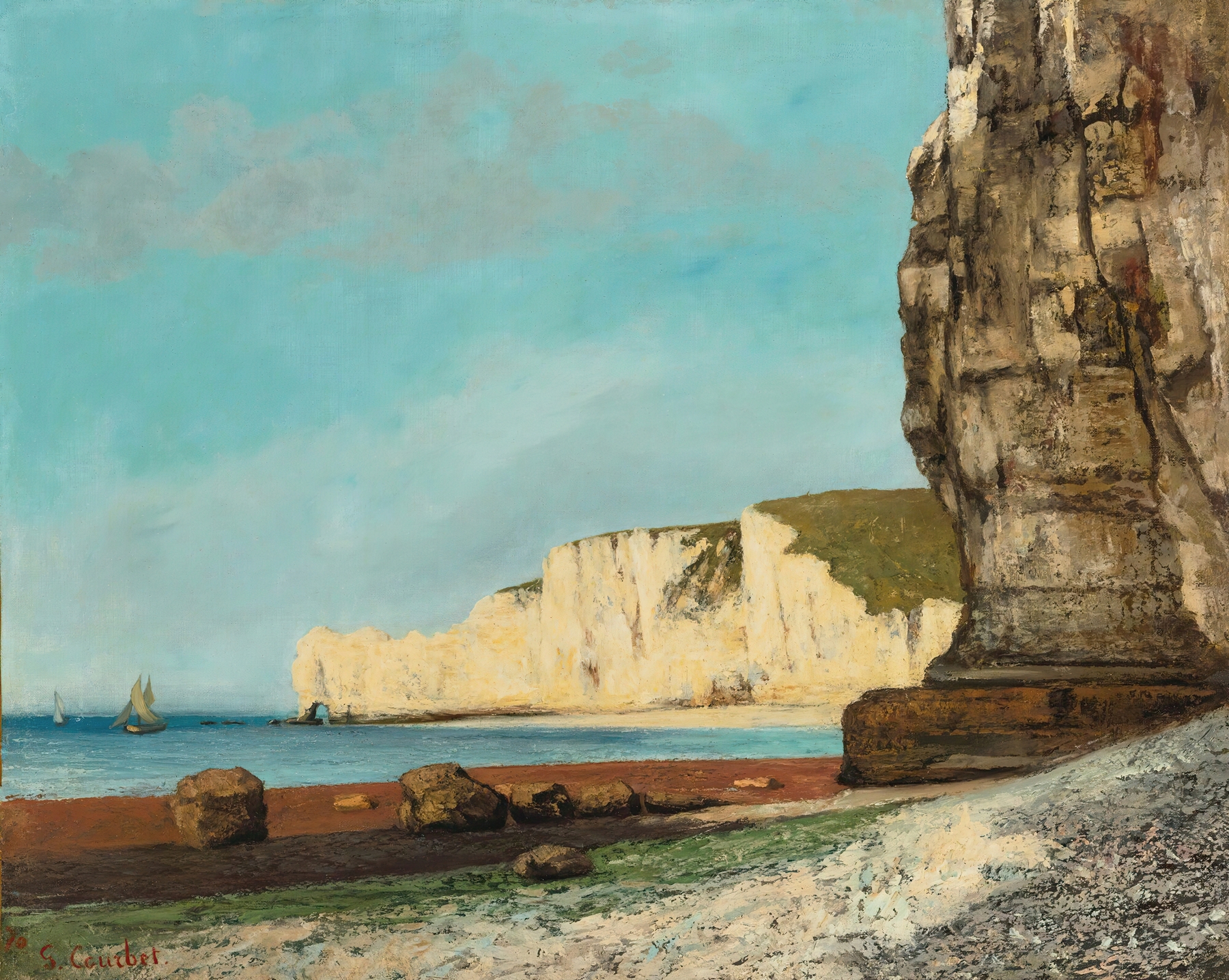
Étretat; Les Falaises
Gustave Courbet
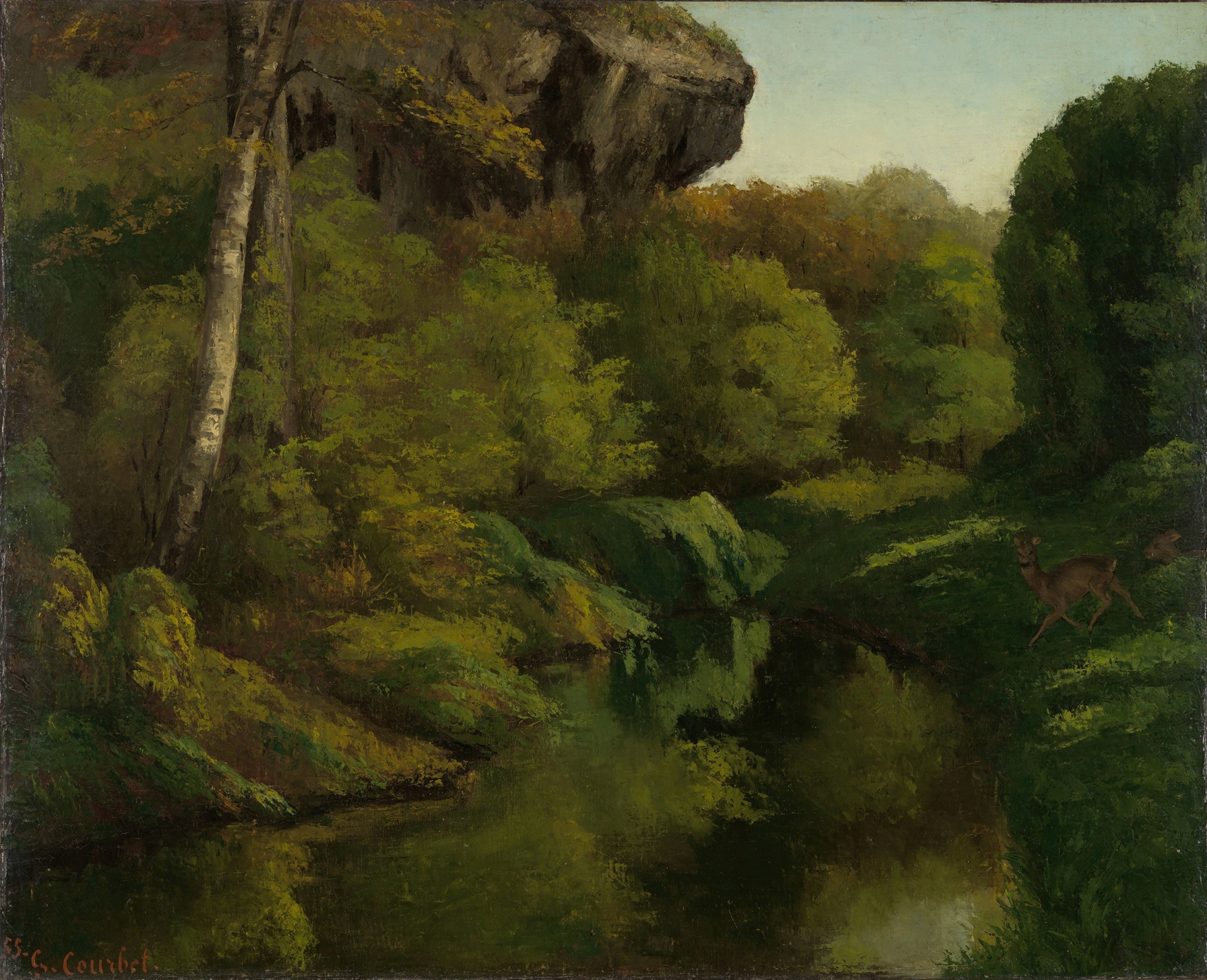
View in the Forest of Fontainebleau
Gustave Courbet
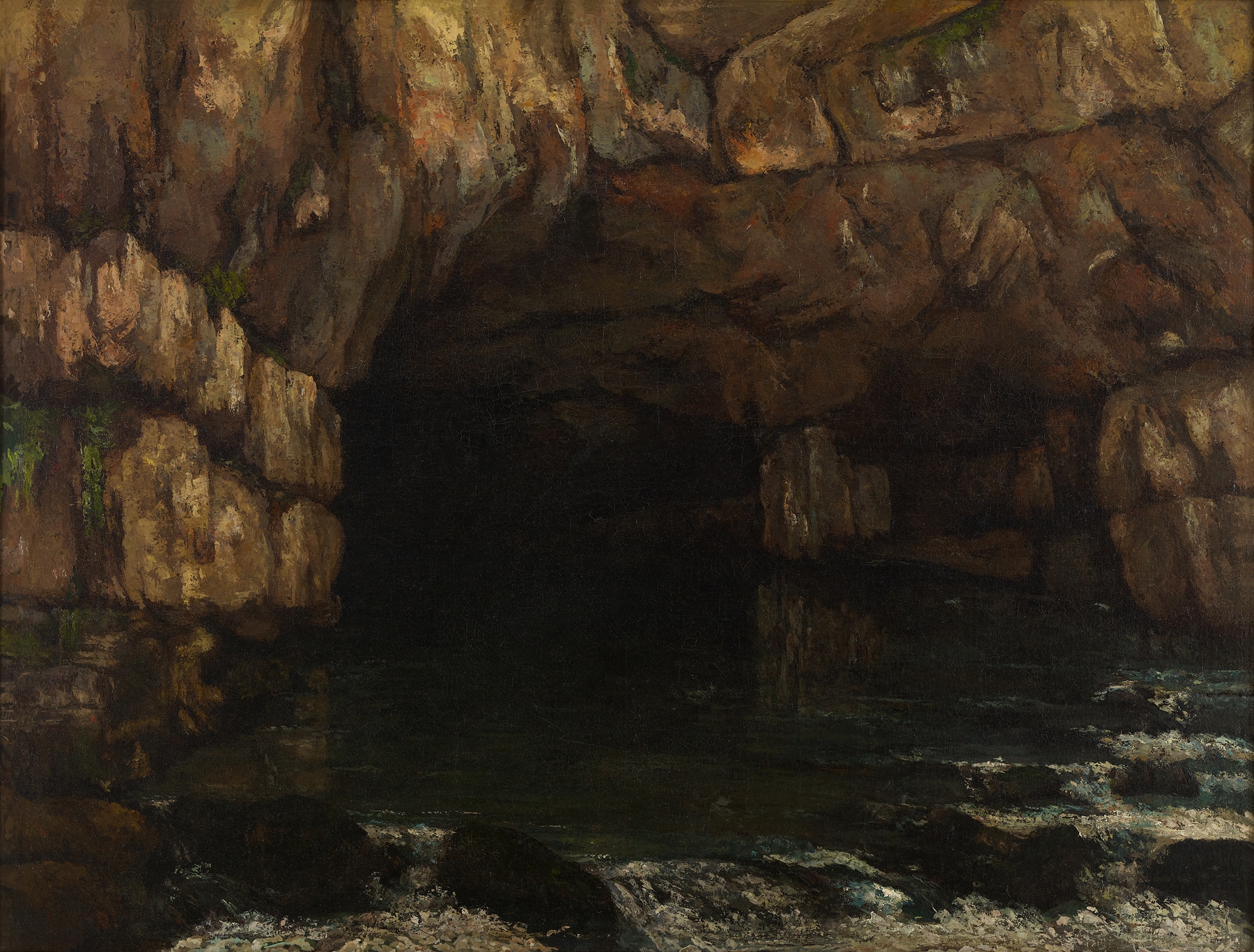
La source de la Loue (The Source of the Loue)
Gustave Courbet
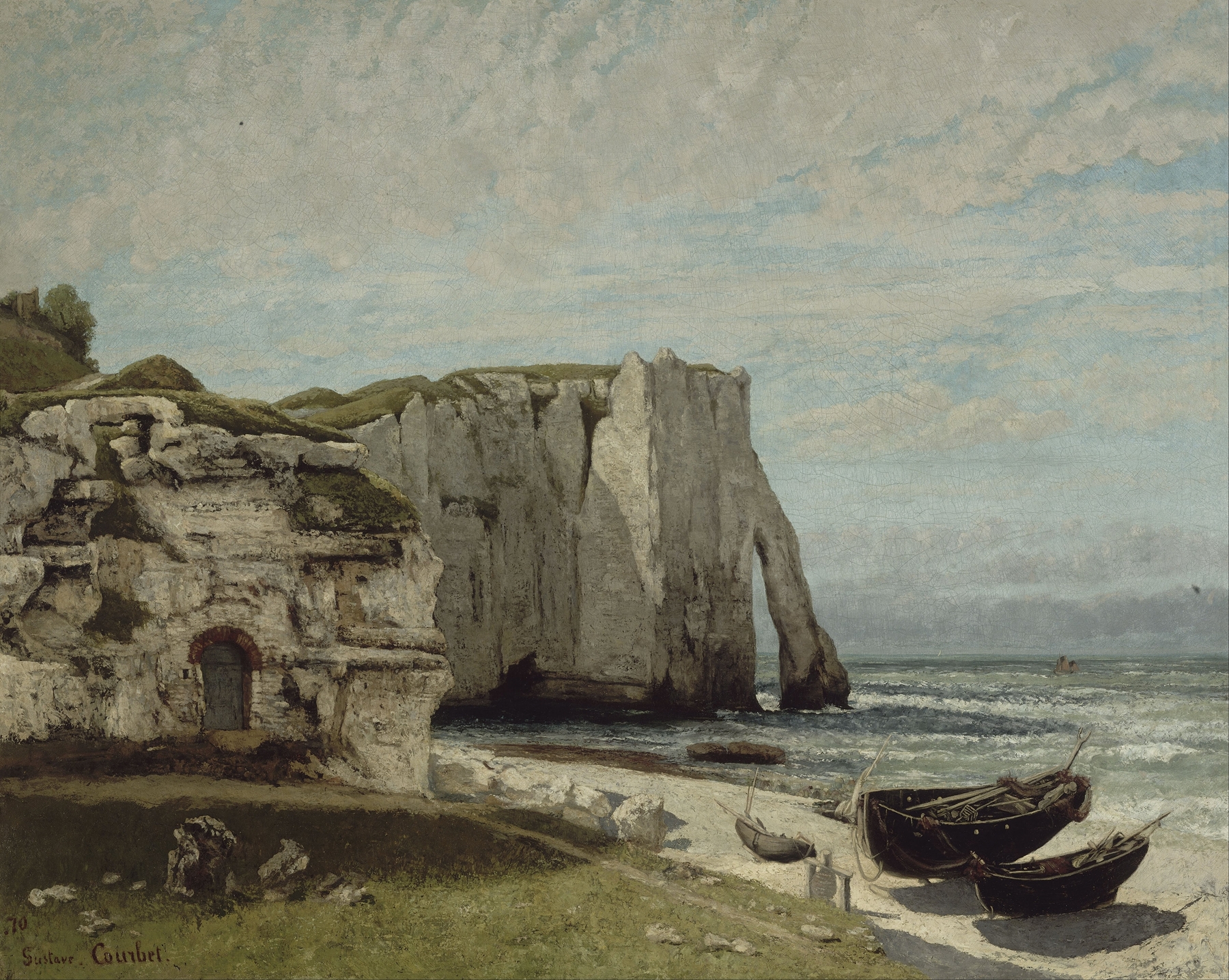
The Etretat Cliffs after the Storm
Gustave Courbet
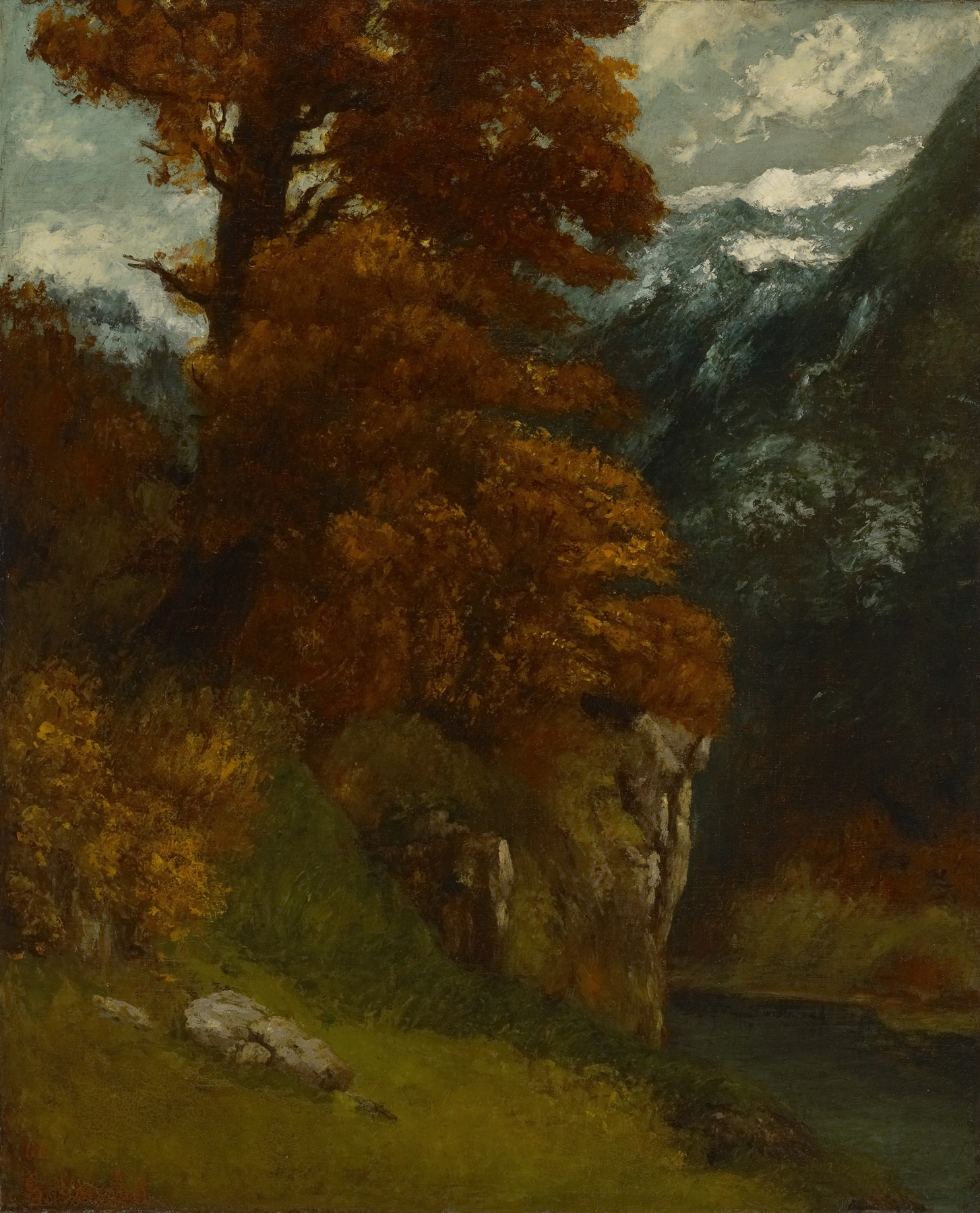
The Glen at Ornans (Bords du Doubs; Effet d’Automne)
Gustave Courbet
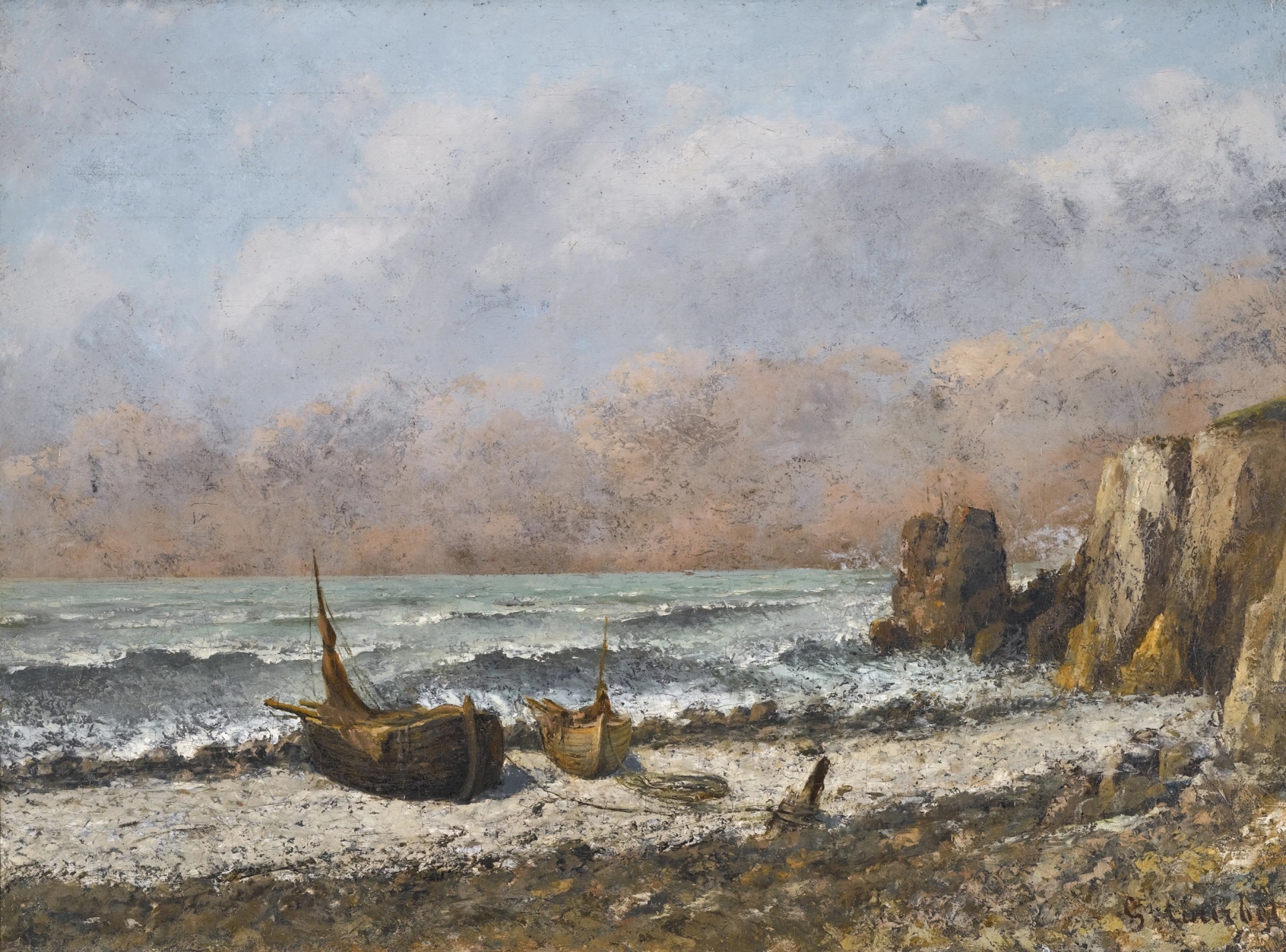
Deux bateaux sur la plage
Gustave Courbet
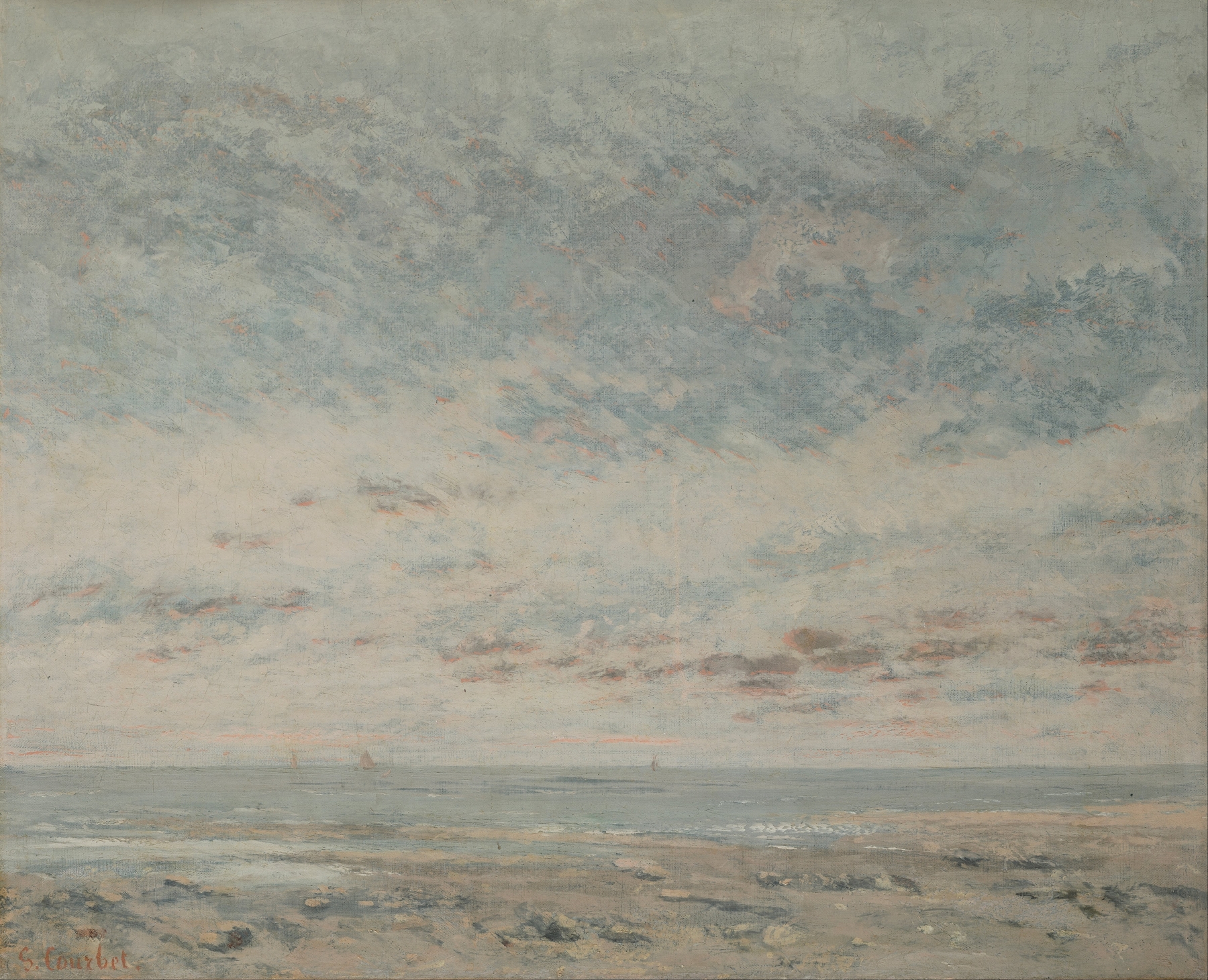
Low Tide at Trouville
Gustave Courbet