Discover insights about this artwork
The Wave — History & Facts
In The Wave, Gustave Courbet presents a dramatic seascape filled with tumultuous waves crashing against the shore. The painting is dominated by deep blues and whites, capturing the energy and movement of the ocean. The sky is a mix of gray and blue, suggesting an impending storm.
The overall composition conveys a sense of chaos and power inherent in nature. Courbet employs oil on canvas to create this striking marine scene, showcasing his skill in depicting realistic textures and forms. The brushwork is dynamic, with visible strokes that enhance the sense of movement in the waves. The contrast between light and shadow adds depth to the painting, making the waves appear almost three-dimensional.
This technique is characteristic of Courbet's Realist style, focusing on the rawness of nature. Gustave Courbet was a leading figure in the Realism movement, known for his commitment to portraying everyday subjects. The Wave reflects his fascination with nature and its untamed aspects. Interestingly, this work was painted during a period when Courbet was exploring the relationship between humanity and the natural world.
It stands as a testament to his belief in the importance of depicting reality as it is, without idealization.
More Artworks by Gustave Courbet
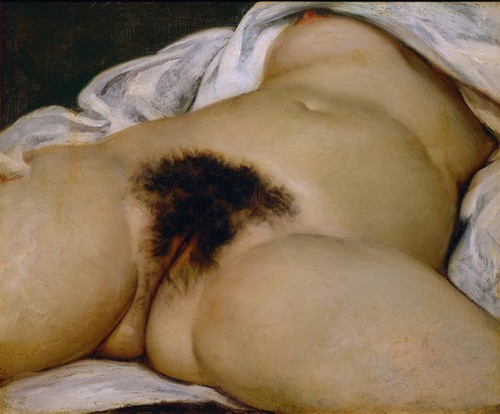
Origin of the World
Gustave Courbet
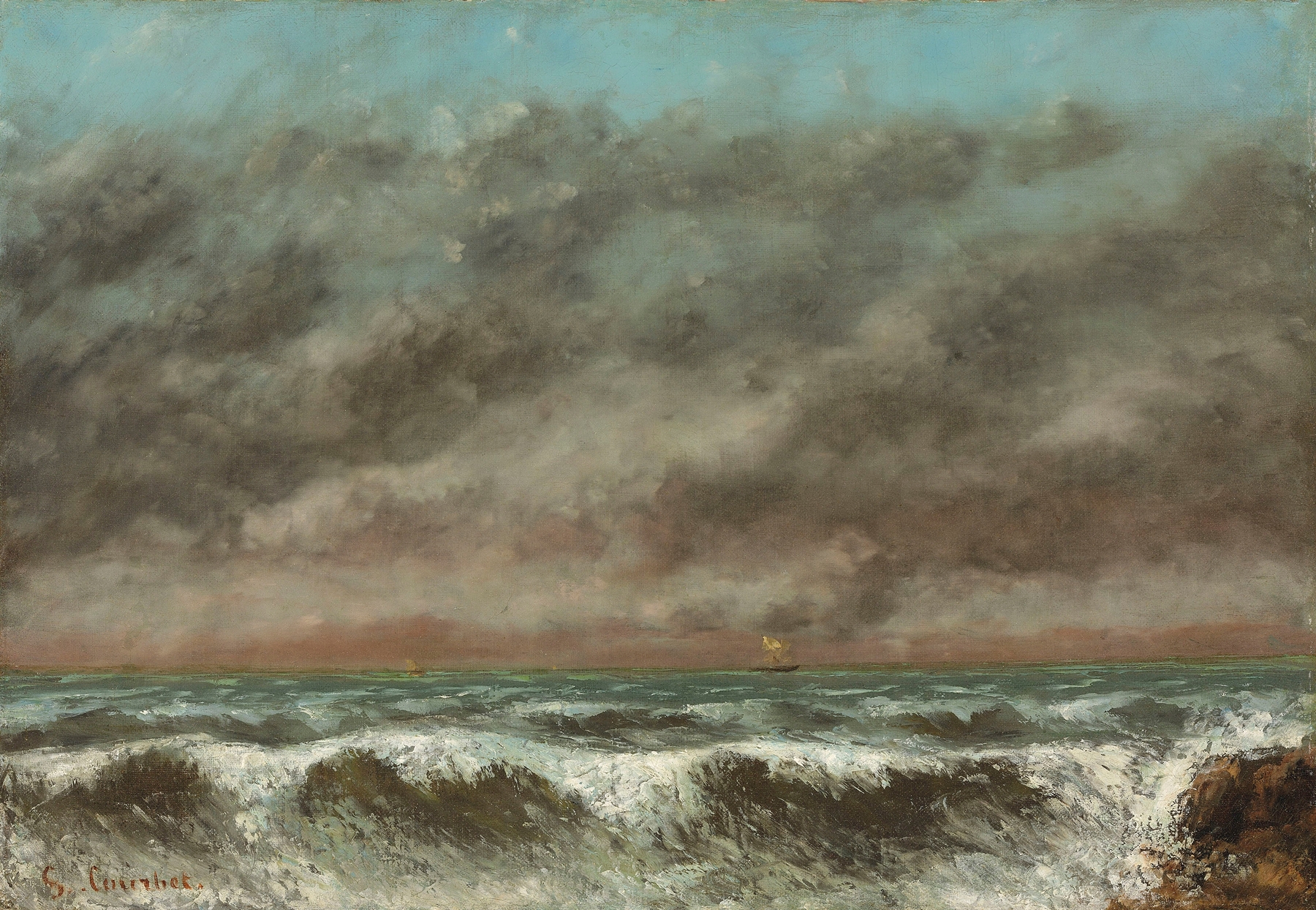
Marine
Gustave Courbet
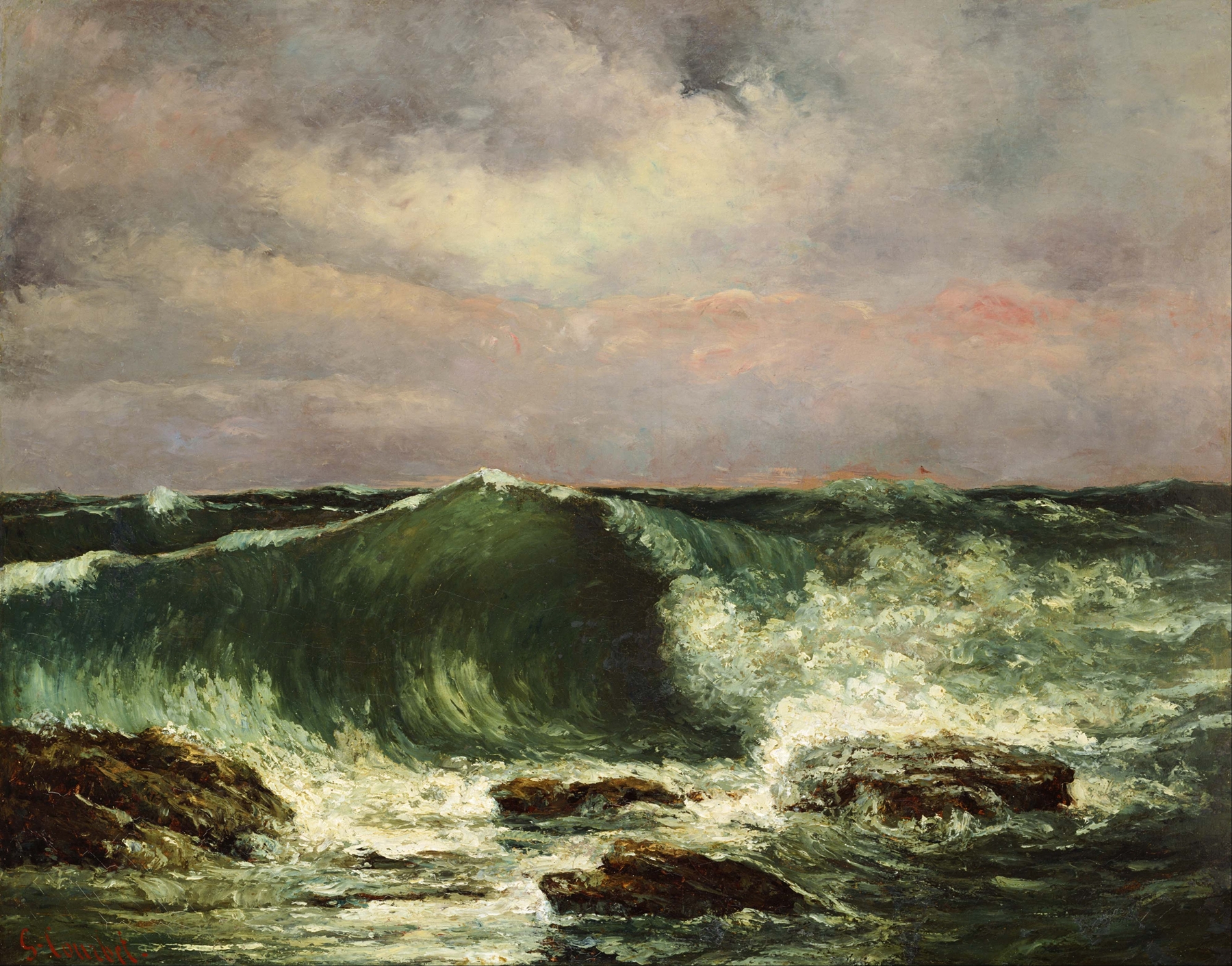
Waves
Gustave Courbet
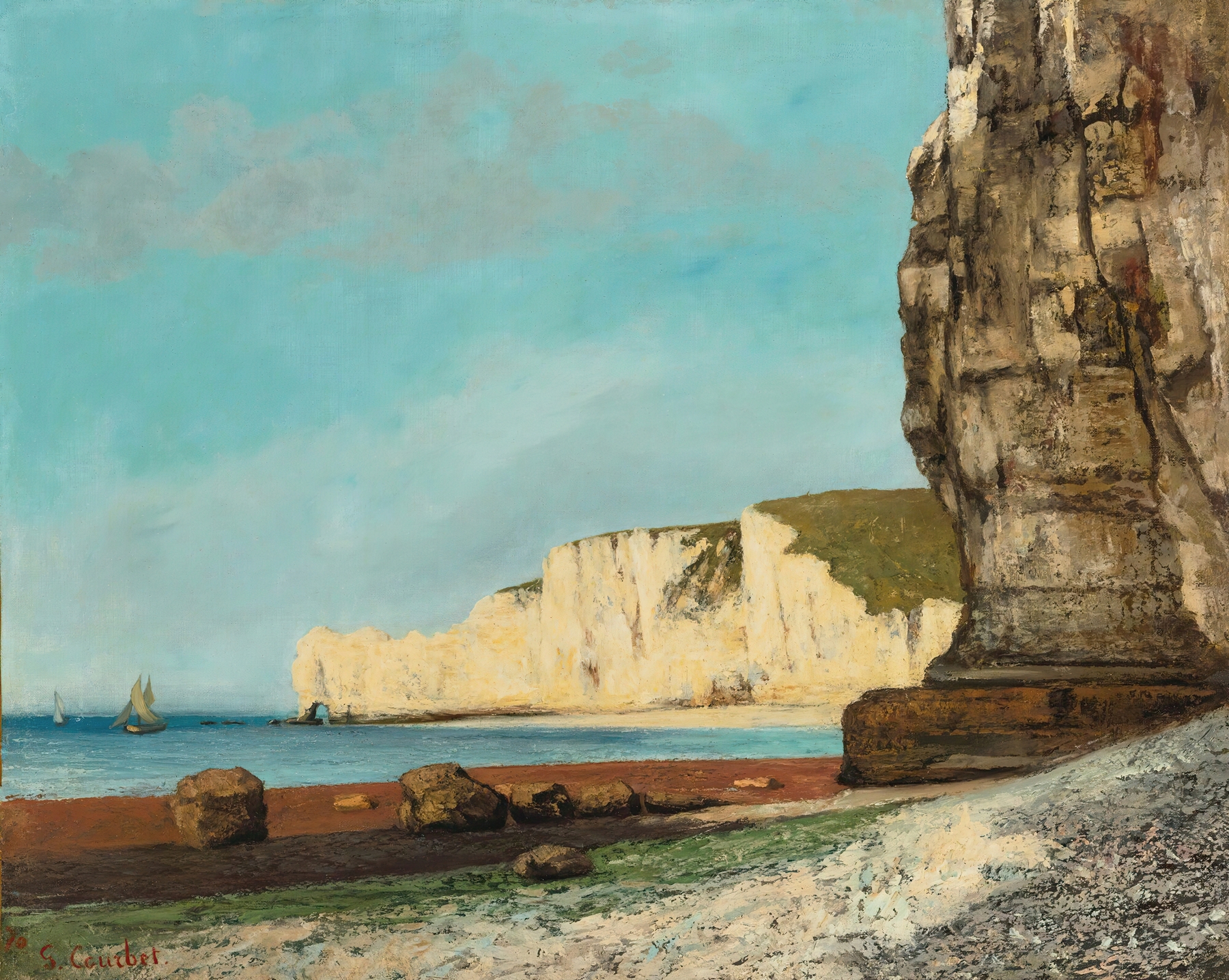
Étretat; Les Falaises
Gustave Courbet
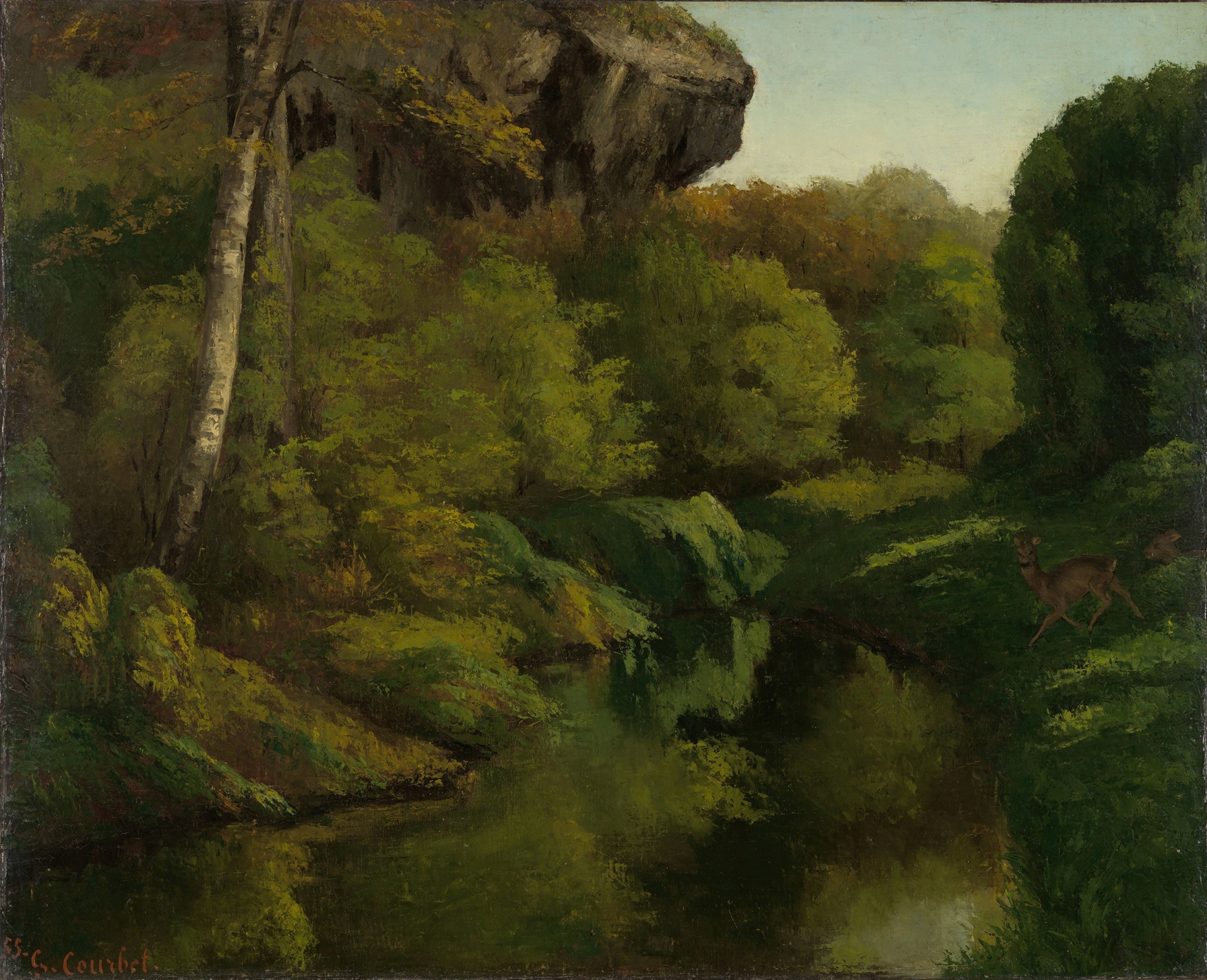
View in the Forest of Fontainebleau
Gustave Courbet
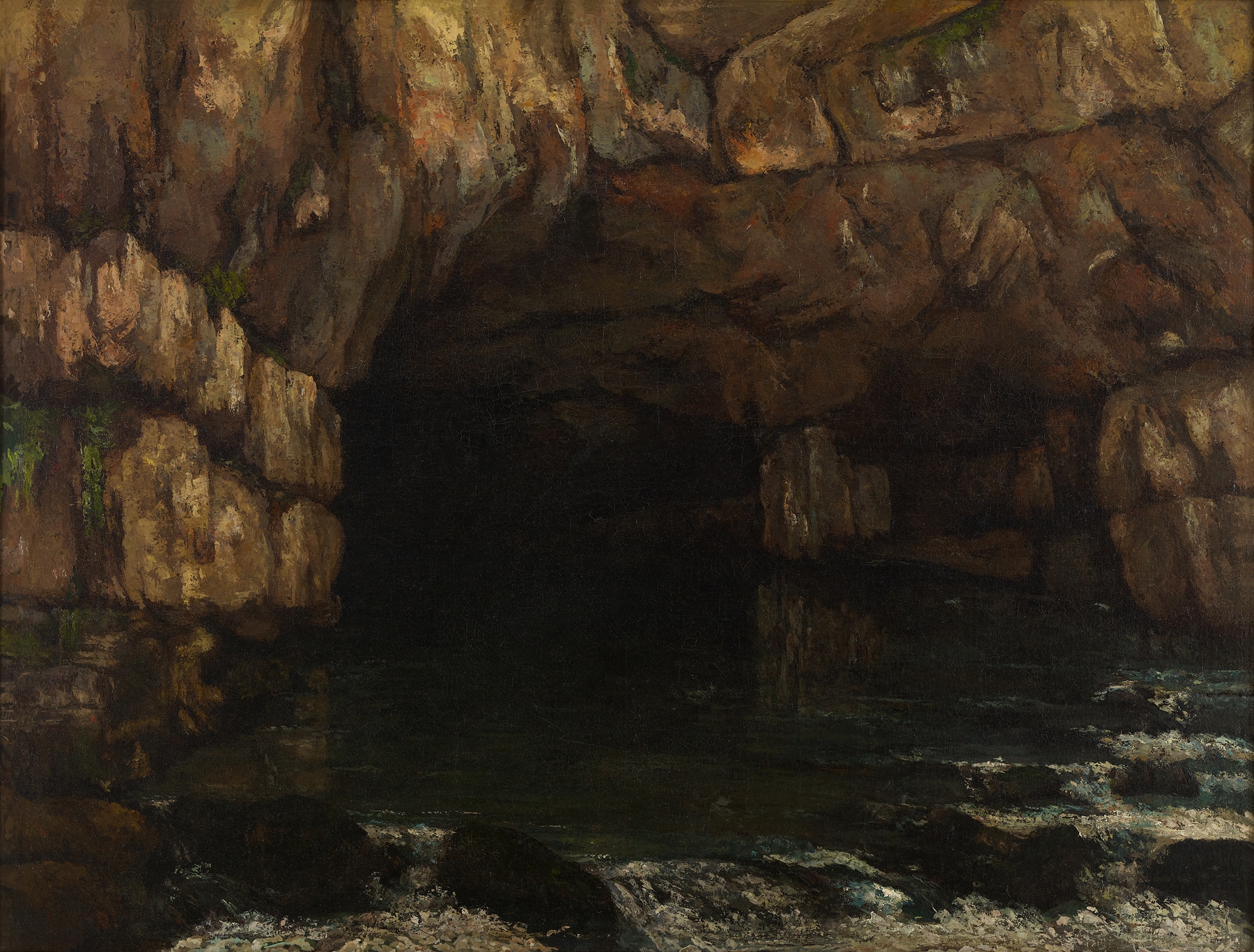
La source de la Loue (The Source of the Loue)
Gustave Courbet
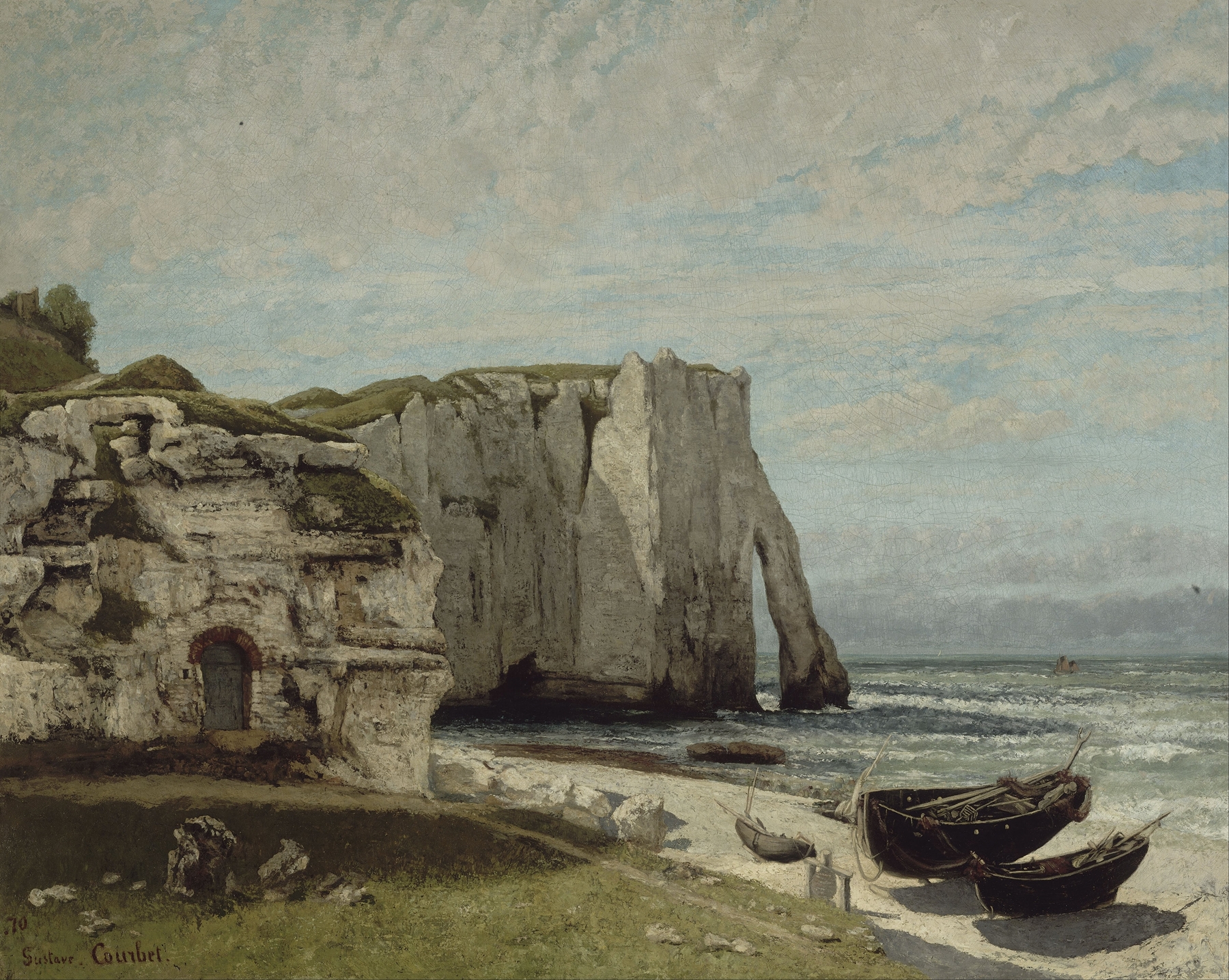
The Etretat Cliffs after the Storm
Gustave Courbet
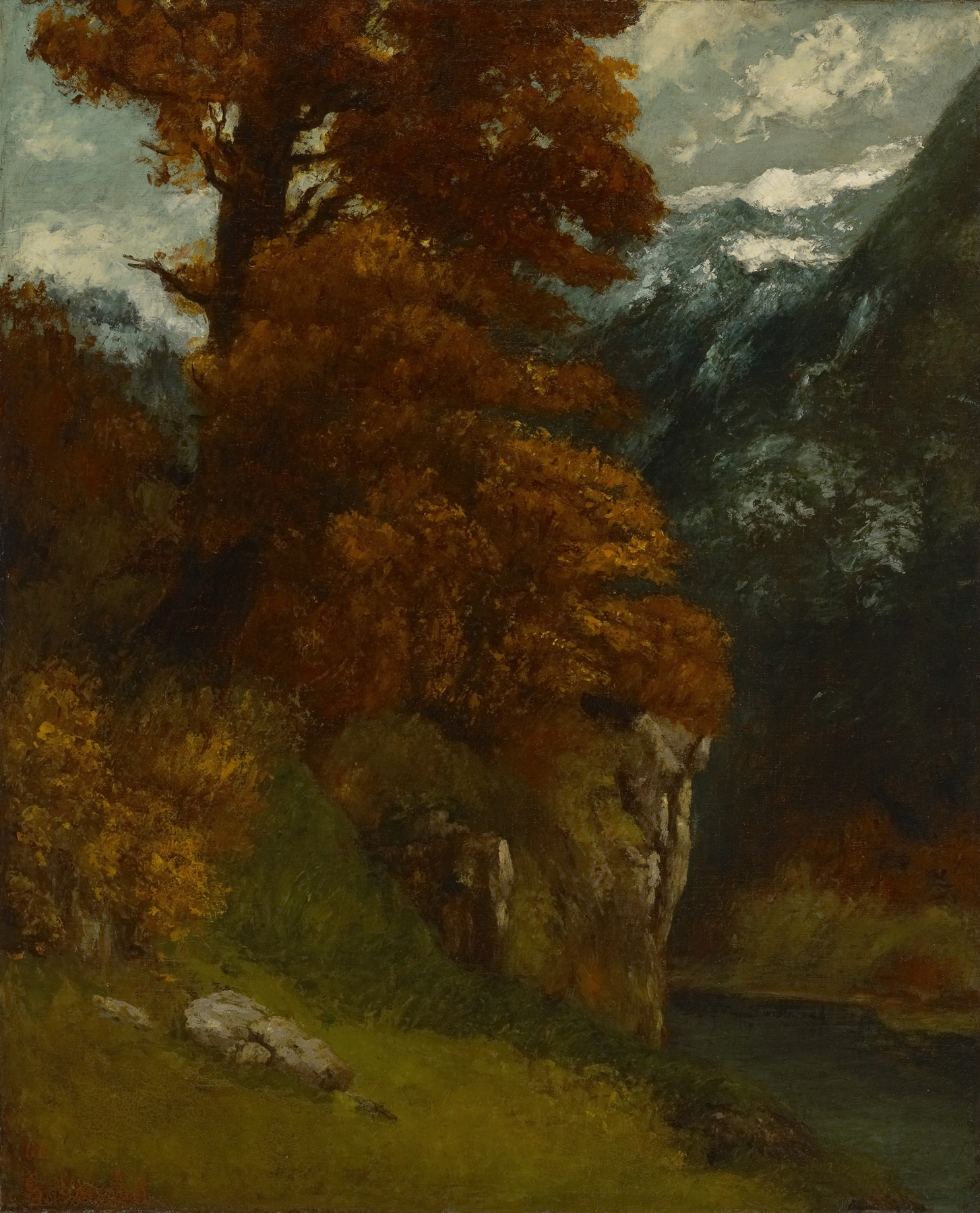
The Glen at Ornans (Bords du Doubs; Effet d’Automne)
Gustave Courbet
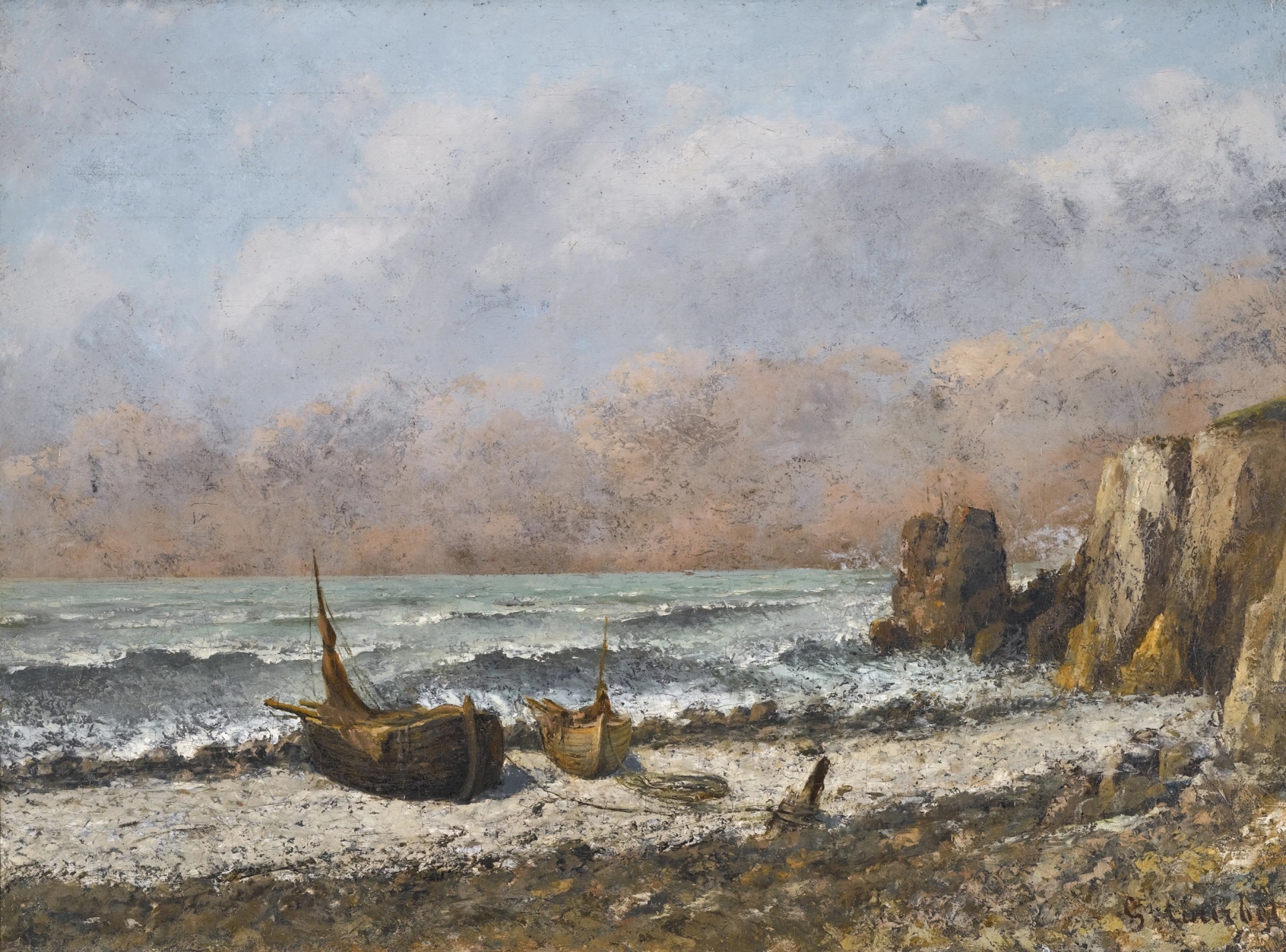
Deux bateaux sur la plage
Gustave Courbet
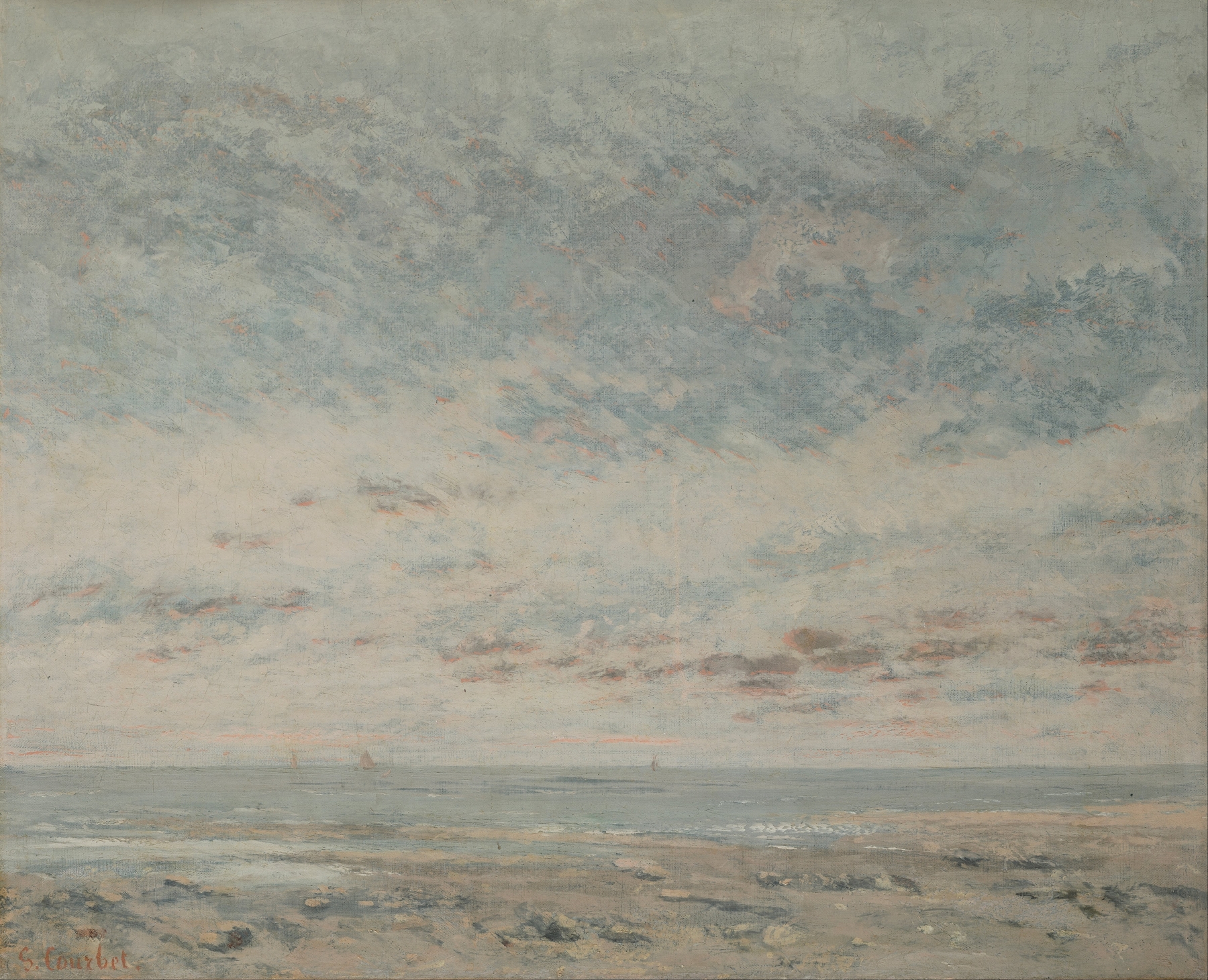
Low Tide at Trouville
Gustave Courbet