
The Weald of Kent — History & Facts
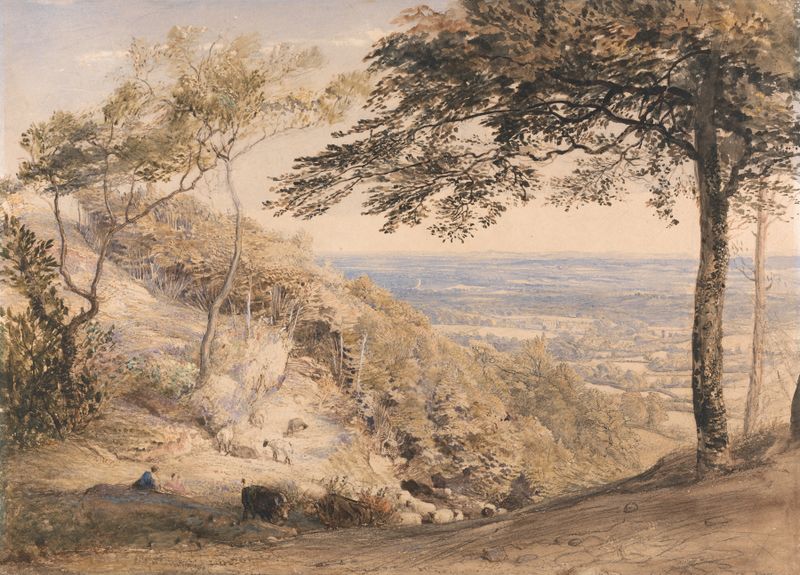
Who listens when art speaks of silence? In The Weald of Kent, a pastoral dream unfolds, inviting contemplation in the stillness of nature. Look to the center of the composition, where gentle hills roll beneath a soft, golden light. The intricate details of the foliage draw the eye, guiding you through a tapestry of greens and muted ochres. Notice how the artist’s delicate brushwork creates a rich texture that evokes the rustling leaves and whispering winds.
The horizon shimmers with a warm glow, suggesting the time just before twilight, when the world holds its breath in quiet anticipation. Within the serene landscape, the interplay of light and shadow hints at deeper emotional currents. The trees stand like sentinels, both welcoming and somber, embodying the duality of life and solitude. The winding path invites exploration, yet it also speaks of journeys untraveled, emphasizing a longing for connection amidst nature’s embrace.
Each element carries a weight of nostalgia, evoking a yearning that resonates far beyond the canvas. During his time creating this work, Palmer was deeply influenced by the Romantic movement, seeking to capture the spiritual essence of the English countryside. Painted in the early 19th century, when he was living in Kent, Palmer was exploring a new style that emphasized emotion and personal experience, reflecting broader shifts in the artistic landscape as artists began to embrace nature as both muse and sanctuary.
More Artworks by Samuel Palmer
Browse all →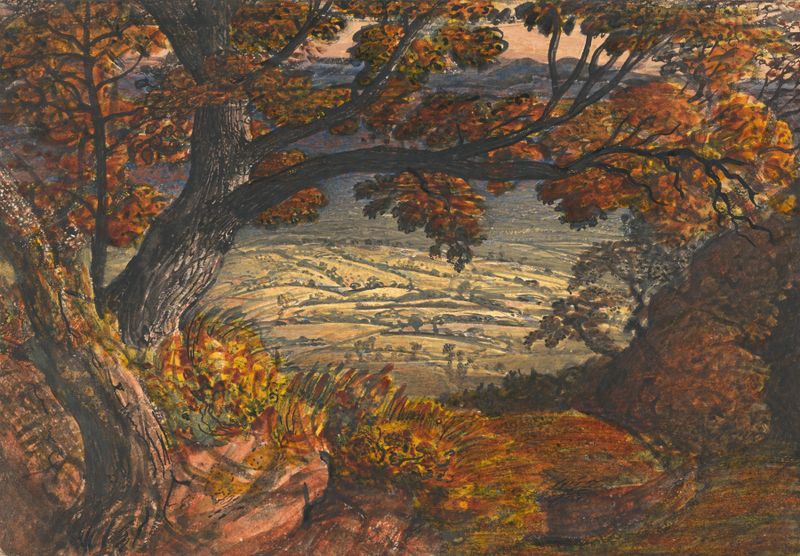
The Weald of Kent
Samuel Palmer
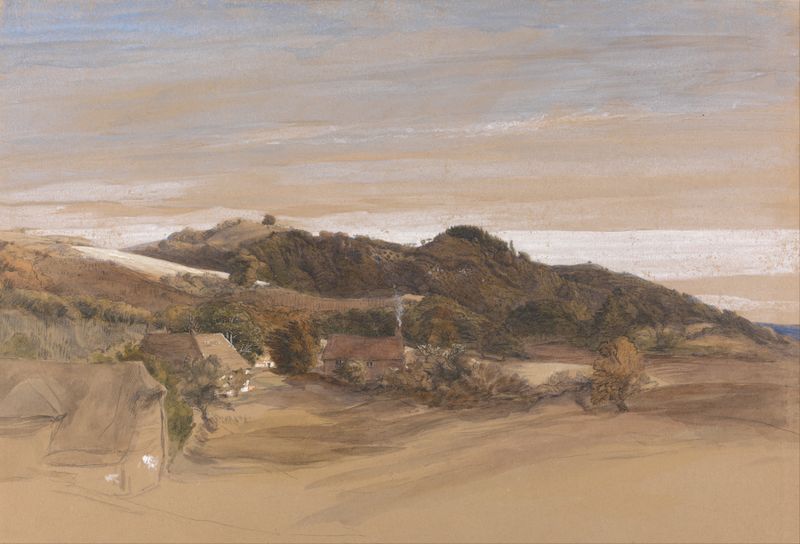
Underriver Hills, near Sevenoaks, Kent, from the Grounds of J. Herries, Esq.
Samuel Palmer
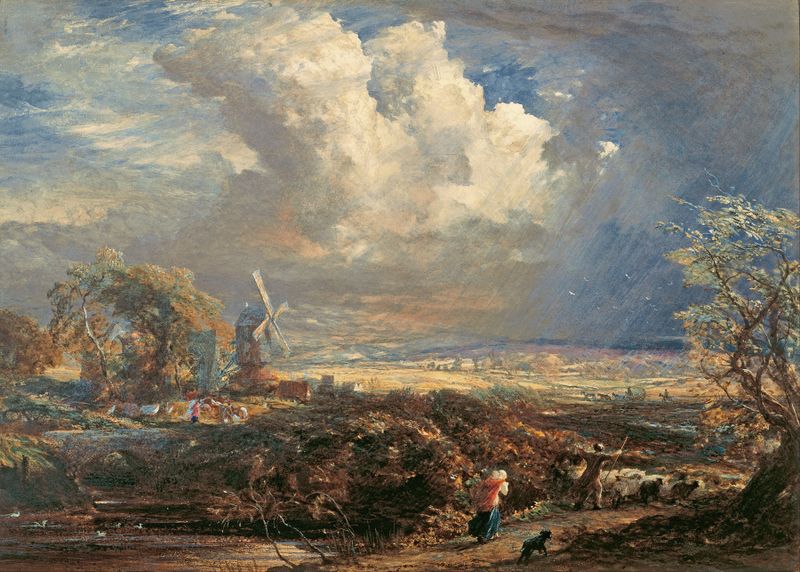
Summer Storm near Pulborough, Sussex
Samuel Palmer
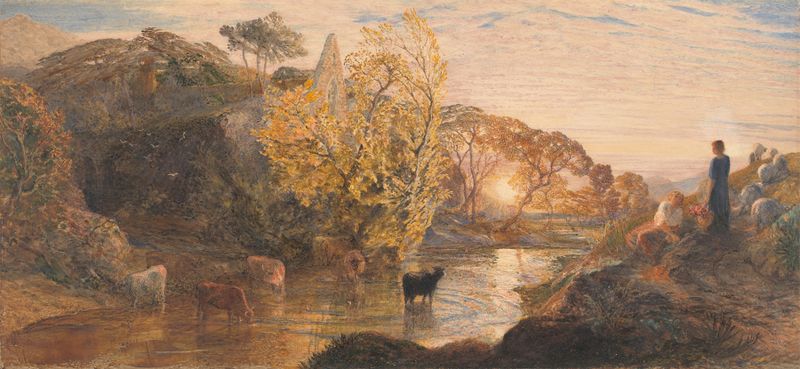
Tintern Abbey at Sunset
Samuel Palmer
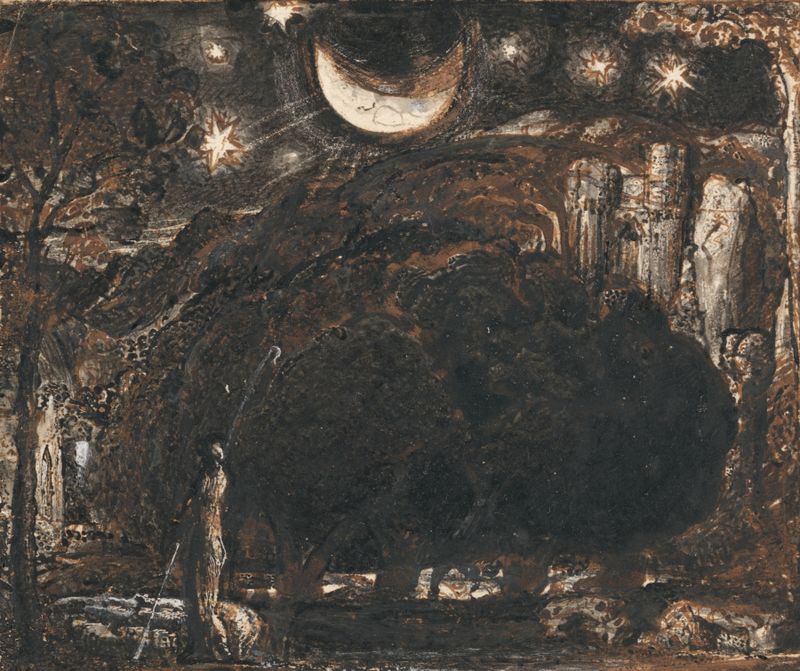
A Shepherd and his Flock under the Moon and Stars
Samuel Palmer
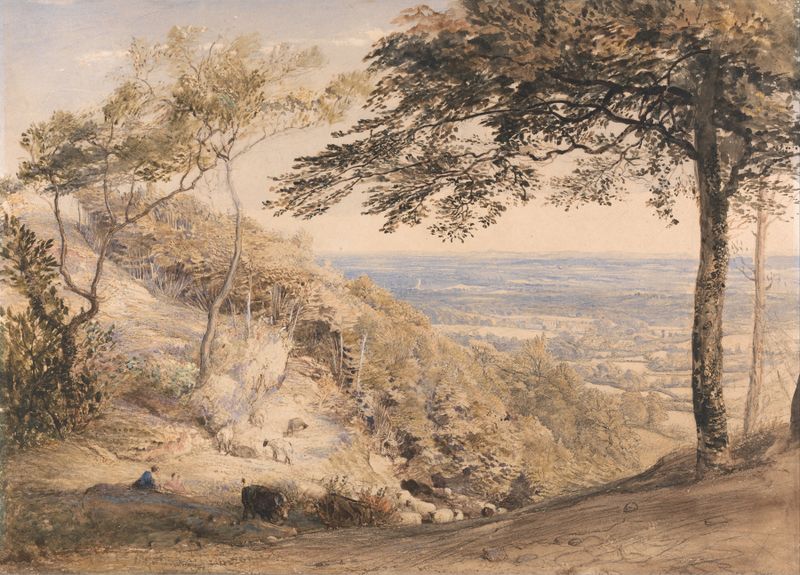
Wilmot’s Hill, Kent
Samuel Palmer
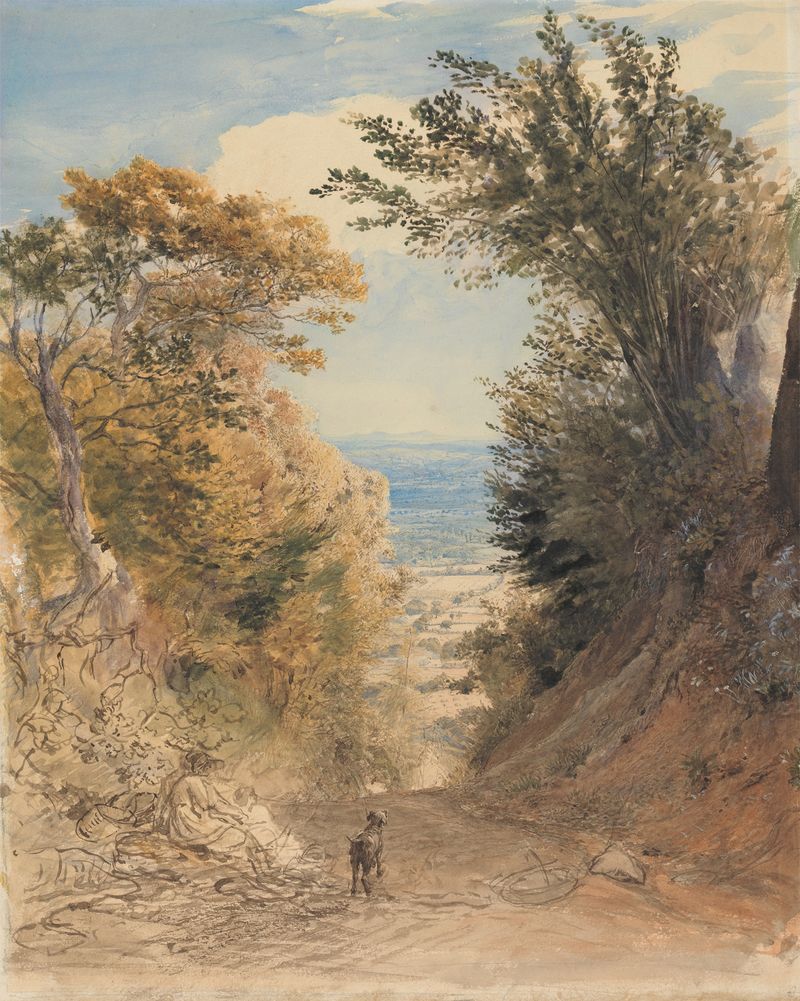
View from Rook’s Hill, Kent
Samuel Palmer
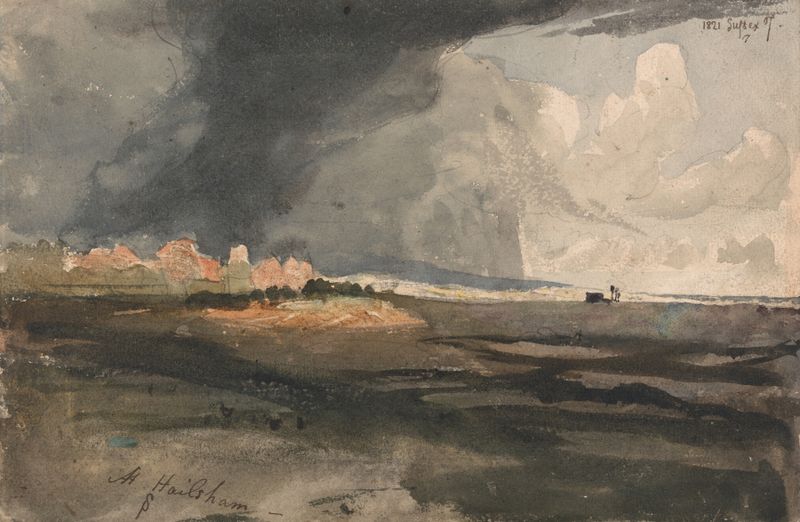
At Hailsham, Sussex; a Storm Approaching
Samuel Palmer
Wilmot’s Hill, Kent
Samuel Palmer
Tintern Abbey
Samuel Palmer





