
The Wharf at Trouville — History & Facts
In the stillness of a harbor, echoes of solitude linger, reminding us of our transient existence. Here, amidst the boats and the shoreline, the weight of loneliness drapes like a heavy mist, seeping into the very fabric of the scene. Focus on the horizon where the dusky sky melds into the waters of the port, painted with hues of gray and deep blue. Notice how the delicate brushstrokes capture the ripples of the sea, each wave a whisper of untold stories.
The boats, moored yet restless, stand as silent witnesses to the passage of time, while the figures on the wharf carry an air of isolation, their gestures oddly disconnected from one another, evoking a poignant sense of yearning. Look closely at the subtle details: the textures of the weathered wood, the gentle play of light on the water, and the shadows that elongate as the day wanes. Each element contributes to an overarching narrative of solitude, inviting viewers to ponder their own moments of quiet introspection. The interplay between the bustling wharf and the stillness of the sea creates a striking contrast, summoning both nostalgia and contemplation. In 1877, when this piece was created, the artist was navigating through a period of personal and professional challenges in France.
The Impressionist movement was blossoming around him, yet Buhot often maintained a distinct style that intertwined realism with an emotional depth. This painting reflects both his unique vision and the broader themes of isolation present in the rapidly changing world of 19th-century art.
More Artworks by Félix Hilaire Buhot
Browse all →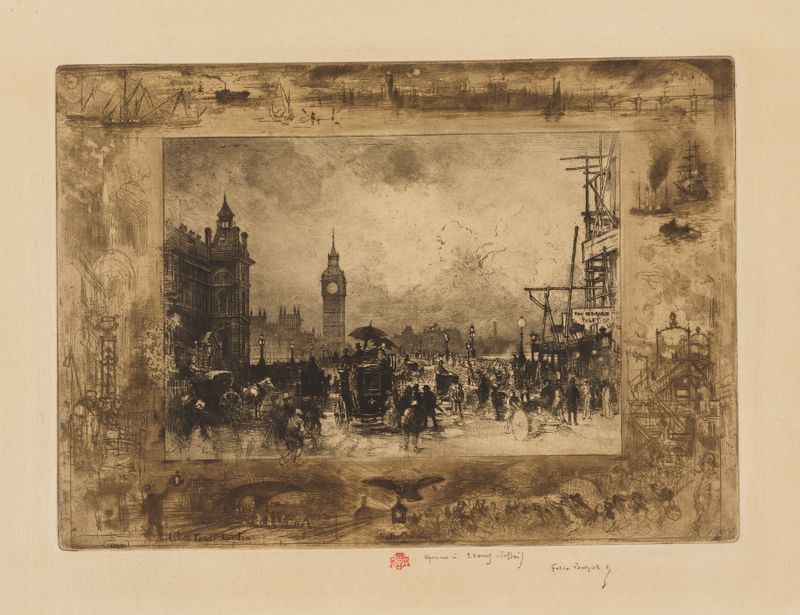
Westminster Bridge, or Westminster Clock Tower
Félix Hilaire Buhot
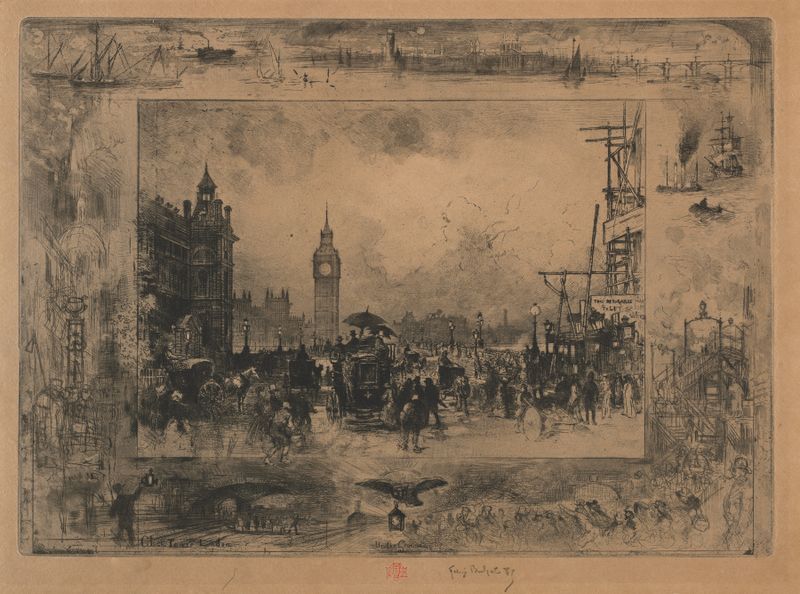
Westminster Bridge, or Westminster Tower
Félix Hilaire Buhot
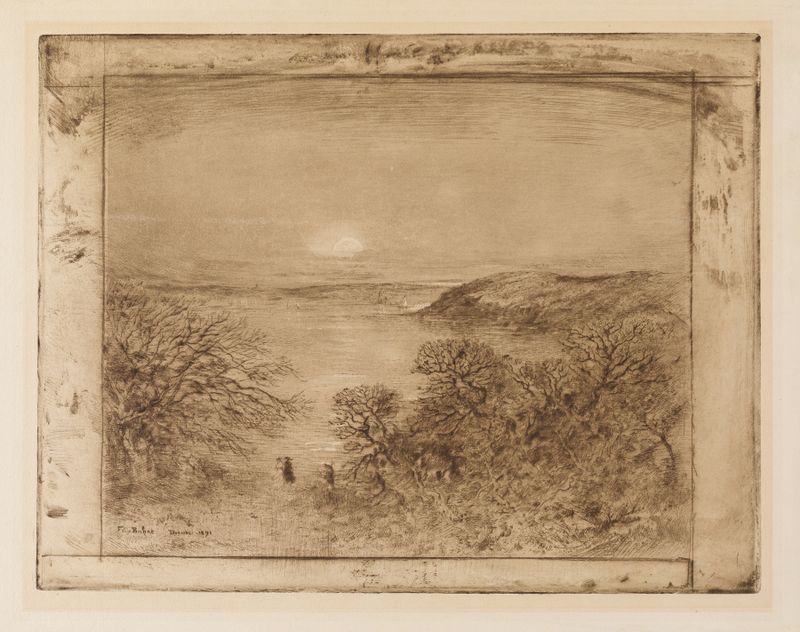
Moonrise at Dinard
Félix Hilaire Buhot
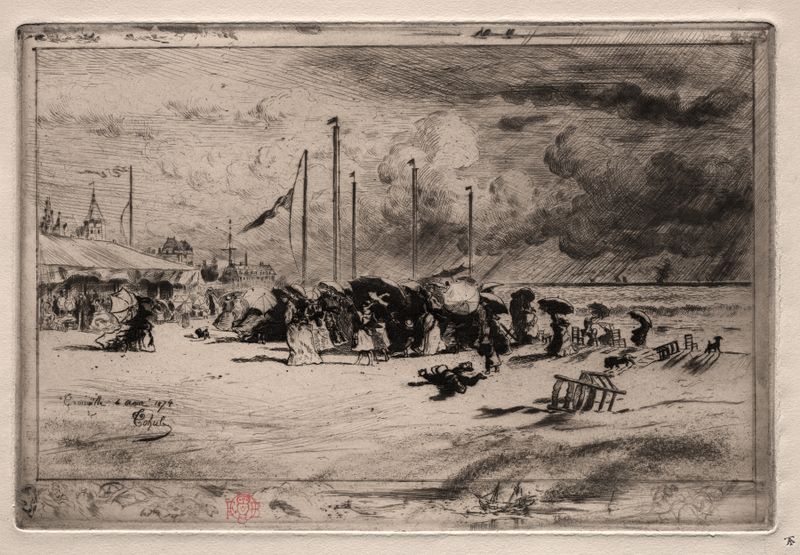
A Squall at Trouville
Félix Hilaire Buhot
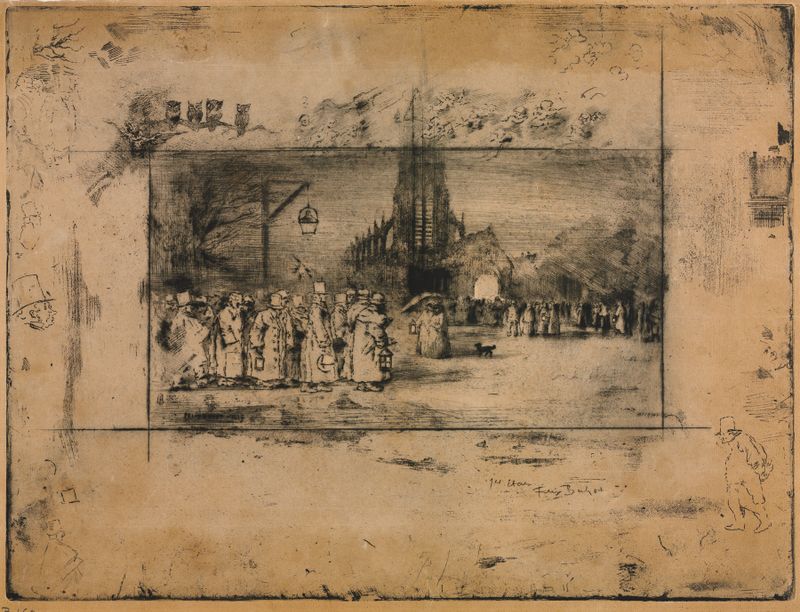
The Midnight Mass
Félix Hilaire Buhot
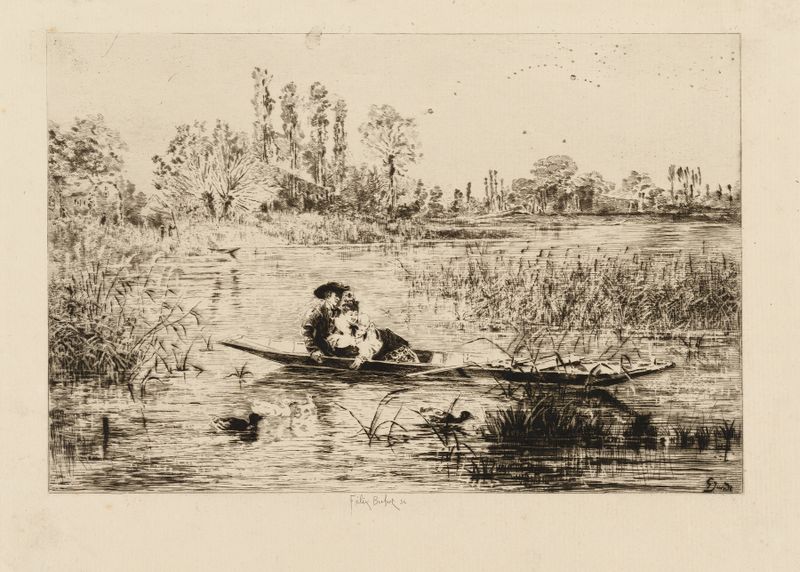
On the Thread of the Water
Félix Hilaire Buhot
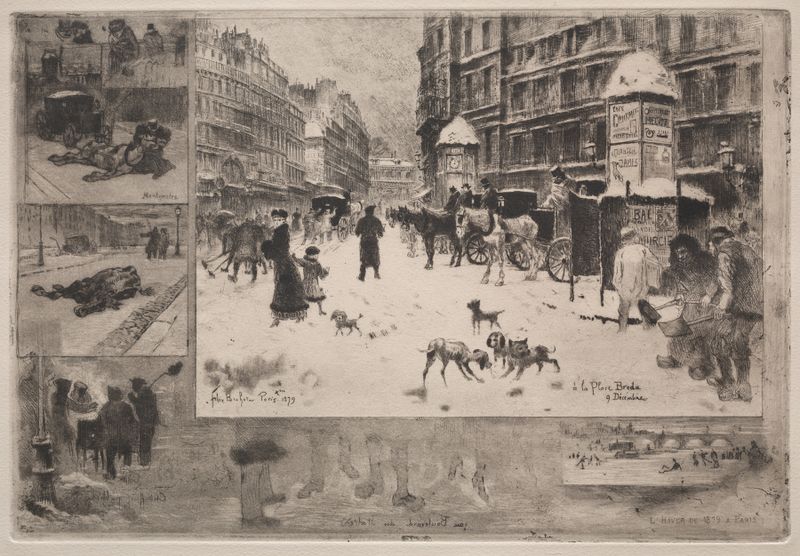
Winter in Paris
Félix Hilaire Buhot
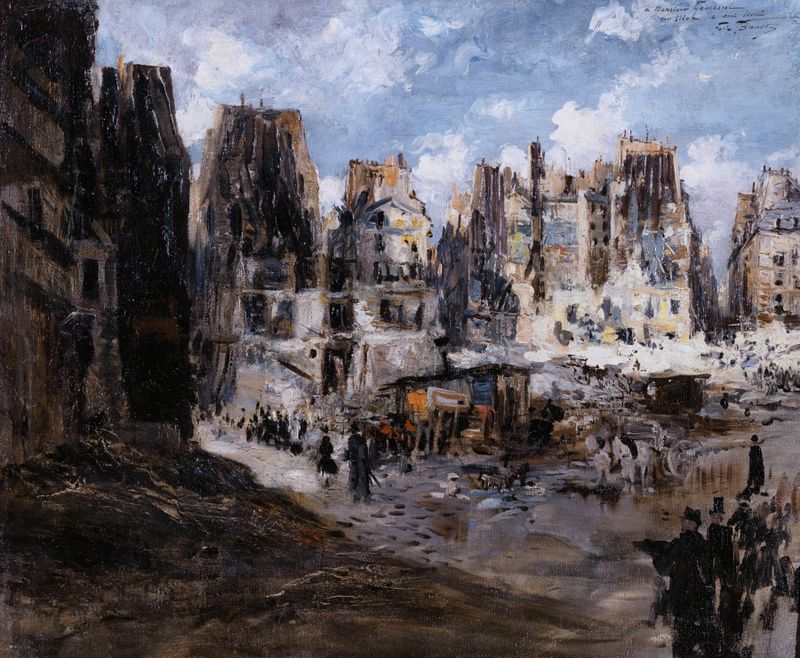
Le percement de l’avenue de l’Opéra.
Félix Hilaire Buhot
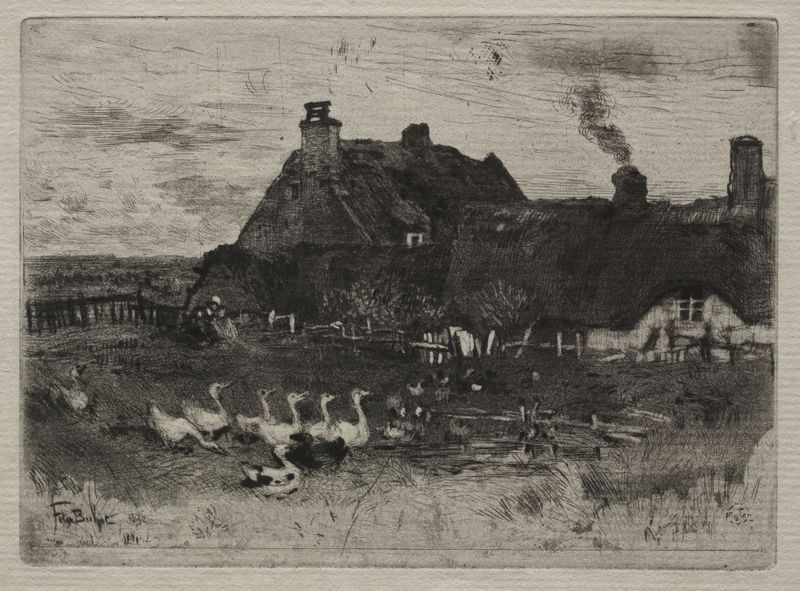
Thatched Cottages
Félix Hilaire Buhot
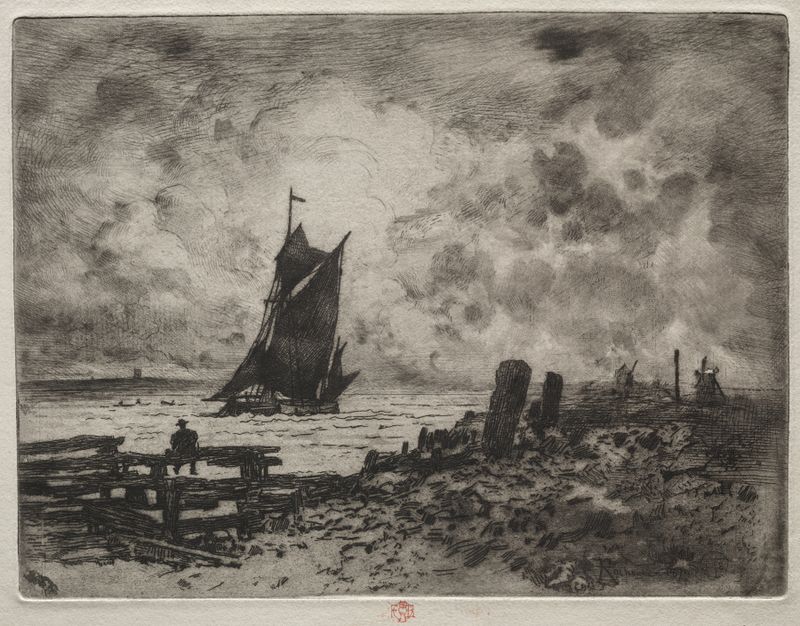
The Little Marine; Souvenir of Medway
Félix Hilaire Buhot





