
Theagenes Receiving The Palm of Honour From Chariclea — History & Facts
Few Dutch artists of the early seventeenth century explored the world of ancient romance as vividly as Abraham Bloemaert. His Theagenes Receiving The Palm of Honour From Chariclea stands out for its rare subject, drawn from the Greek novel Aethiopica by Heliodorus—a literary source seldom depicted in painting. While the exact date and circumstances of its creation remain uncertain, the work is remarkable for introducing a moment of dramatic recognition and reward, a scene that would have resonated with the learned circles of Bloemaert’s Utrecht, where classical tales enjoyed a quiet revival. At the heart of the painting, Theagenes, a young Greek noble, kneels before the radiant Chariclea, who presents him with a palm branch—a symbol of victory and virtue.
This moment captures the climax of their trials: after surviving shipwrecks, battles, and mistaken identities, Theagenes is finally acknowledged as a hero. Bloemaert arranges the figures with theatrical clarity: Theagenes’ lowered gaze and outstretched hands express humility, while Chariclea’s upright posture and gentle gesture convey both gratitude and authority. Rich costumes and classical columns anchor the scene in an imagined antiquity.
Unlike the more restrained approach of Nicolas Poussin in his mythological works, Bloemaert favors vibrant color and expressive faces, inviting viewers into the emotional core of the story. The painting’s early history is not fully documented, and it is unclear for whom Bloemaert created this scene or whether it was part of a series. As with many of his narrative works, it likely appealed to patrons interested in humanist learning and the revival of classical literature. Over time, the painting has been attributed securely to Abraham Bloemaert, whose long career spanned the transition from Mannerism to the early Dutch Baroque.
Today, Theagenes Receiving The Palm of Honour From Chariclea is valued as an example of Bloemaert’s inventive storytelling and his ability to translate rare literary episodes into vivid, accessible images.
More Artworks by Abraham Bloemaert

Adam and Eve
Abraham Bloemaert
Intercession of Christ and Mary before God the Father
Abraham Bloemaert
Joseph and his Brothers
Abraham Bloemaert
Caritas Romana
Abraham Bloemaert
A seated woman facing right
Abraham Bloemaert
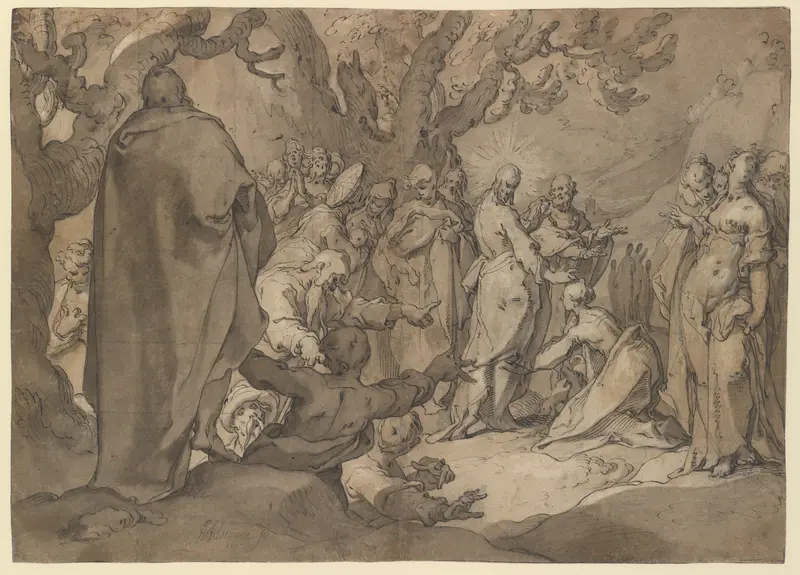
Christ and the Canaanite Women
Abraham Bloemaert
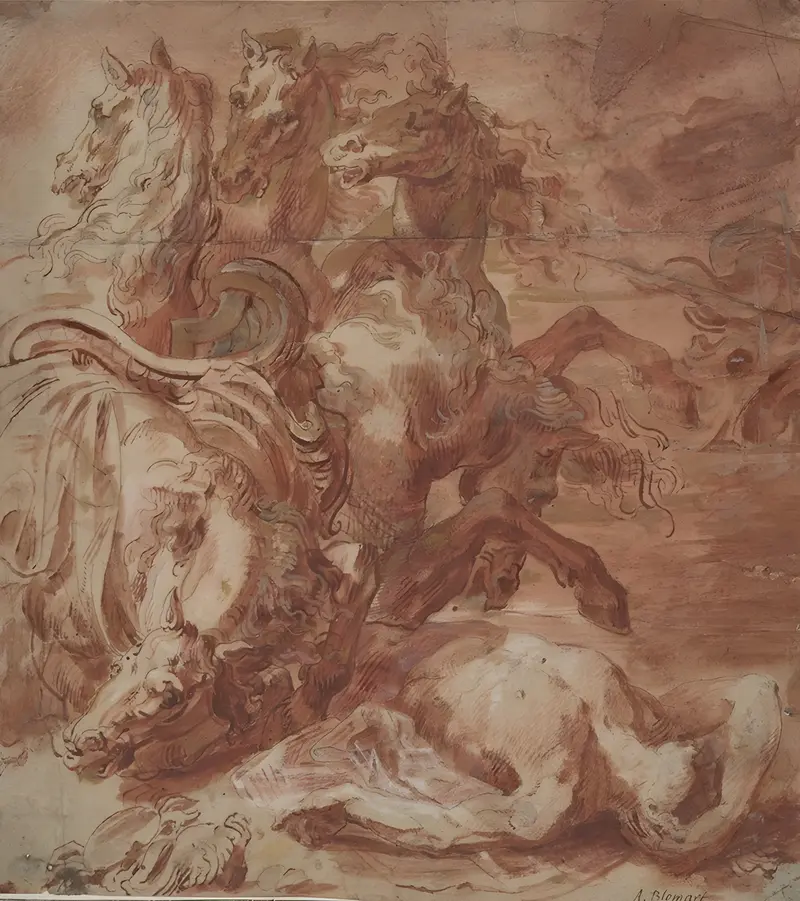
Hippolytus
Abraham Bloemaert
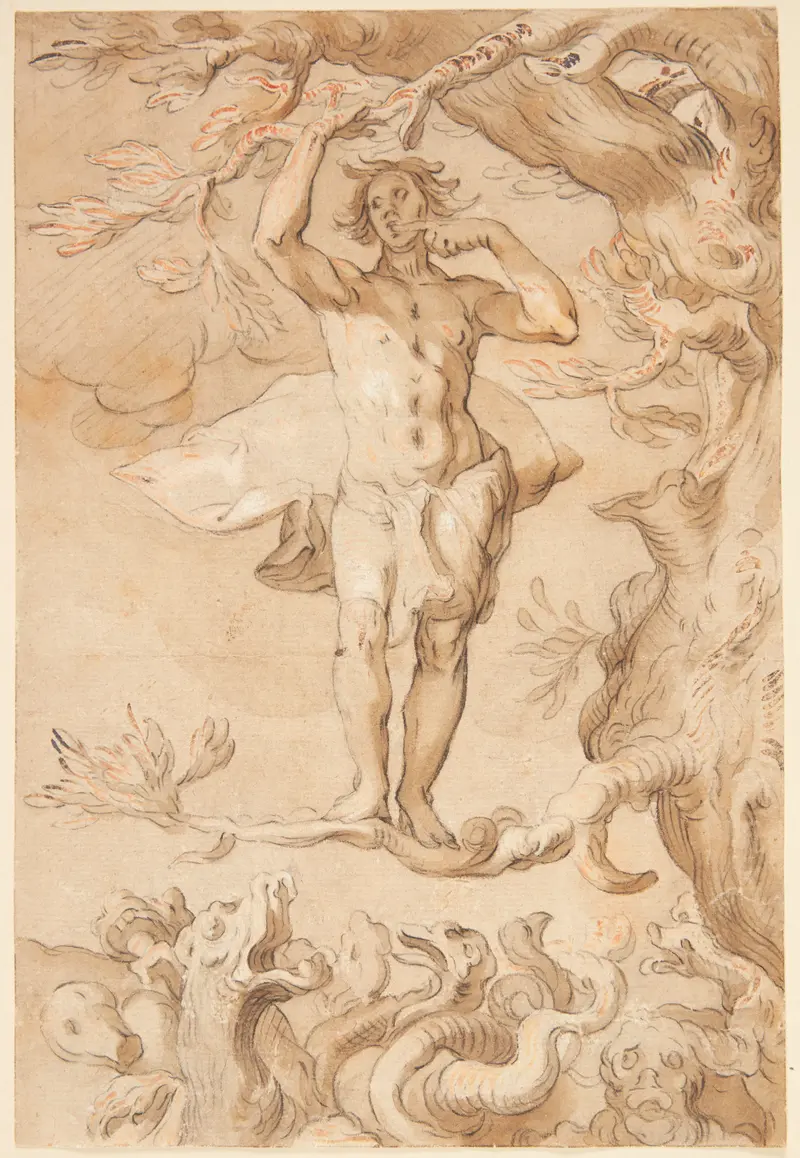
Den menneskelige glædes skrøbelighed En mand, der jages af en drage, klynger sig til en gren, mens han slikker honning af sin finger
Abraham Bloemaert

Moses Striking the Rock
Abraham Bloemaert
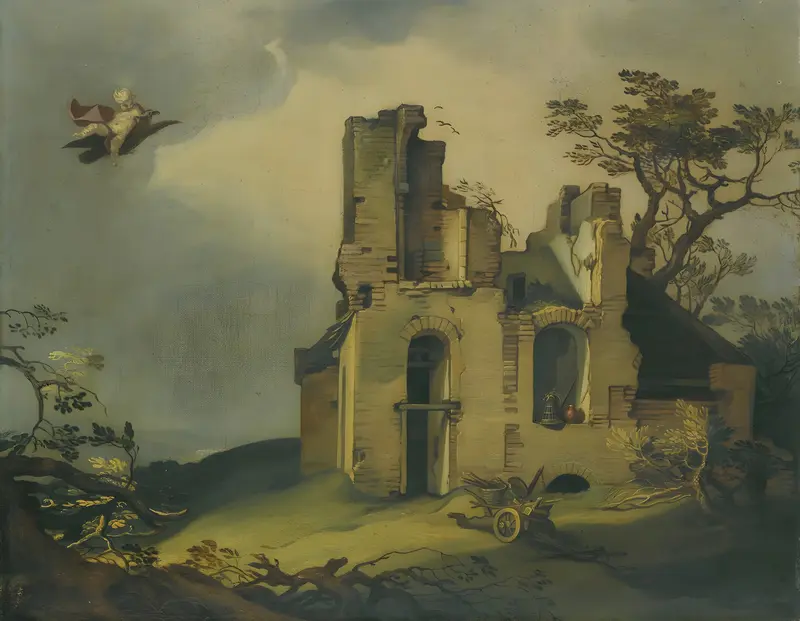
A Landscape With Ruins, With The Rape Of Ganymede
Abraham Bloemaert





