
Thermen van Caracalla — History & Facts
In the stillness of a moment captured, the fragility of human endeavor echoes through ancient ruins, revealing the delicate interplay between time and memory. Focus on the central architectural structure, the imposing ruins of the Baths, rising majestically amidst a serene landscape. Notice how soft light filters through the scene, casting gentle shadows that emphasize the textured stonework. The brilliant hues of ochre and umber blend seamlessly, evoking the warmth of the sun on weathered surfaces, while the figures in the foreground, dwarfed by the grand architecture, exude a sense of scale and reverence. The contrast between the vibrant life surrounding the crumbling edifices and their fading glory speaks to the impermanence of existence.
Look closely at the dappled reflections in the pools of water, which mirror both the grandeur of human achievement and its inevitable decay. Here, the artist captures a moment of contemplation on fragility; the bustling activity of the figures hints at a fleeting vitality, juxtaposed against the slow erosion of history itself. In 1639, Bartholomeus Breenbergh painted this evocative piece amidst the Baroque art movement, when many artists explored themes of transience and impermanence. Living in Rome at the time, he was surrounded by the remnants of ancient civilizations, drawing inspiration from the artistry and historical significance of their ruins as he sought to blend the divine and the earthly in his own work.
More Artworks by Bartholomeus Breenbergh
Browse all →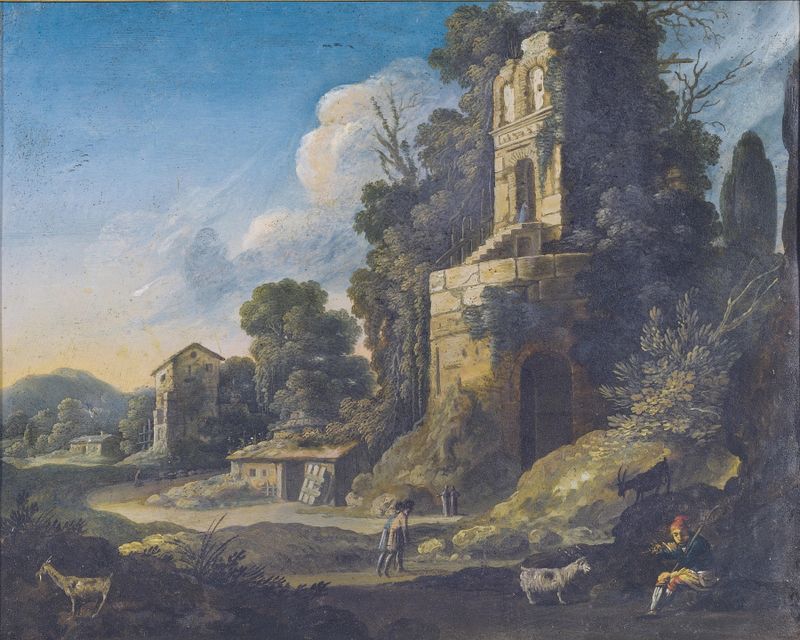
Italianate landscape with buildings and a herdsman playing pipes
Bartholomeus Breenbergh

Arcadian Landscape
Bartholomeus Breenbergh

Ruïnes van keizerlijk paleis te Rome
Bartholomeus Breenbergh

Ruïne van het Colosseum
Bartholomeus Breenbergh
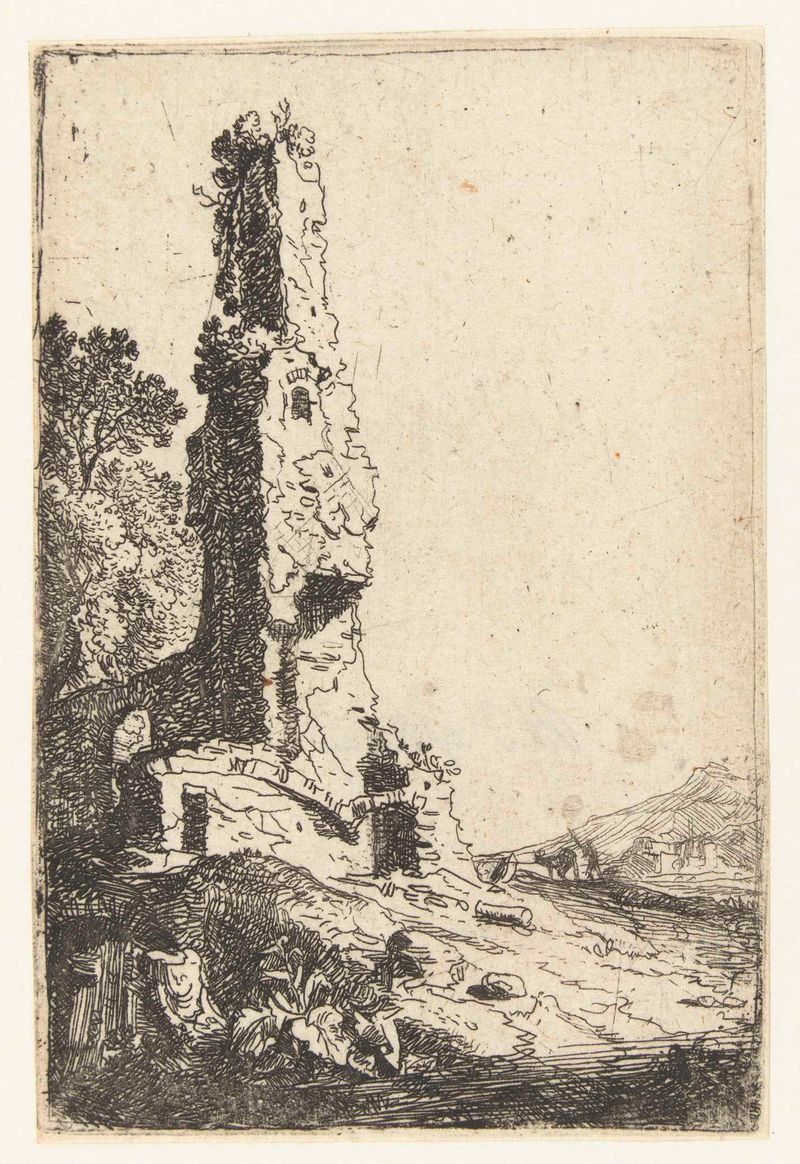
Ruïnes van de stadsmuren van Rome
Bartholomeus Breenbergh
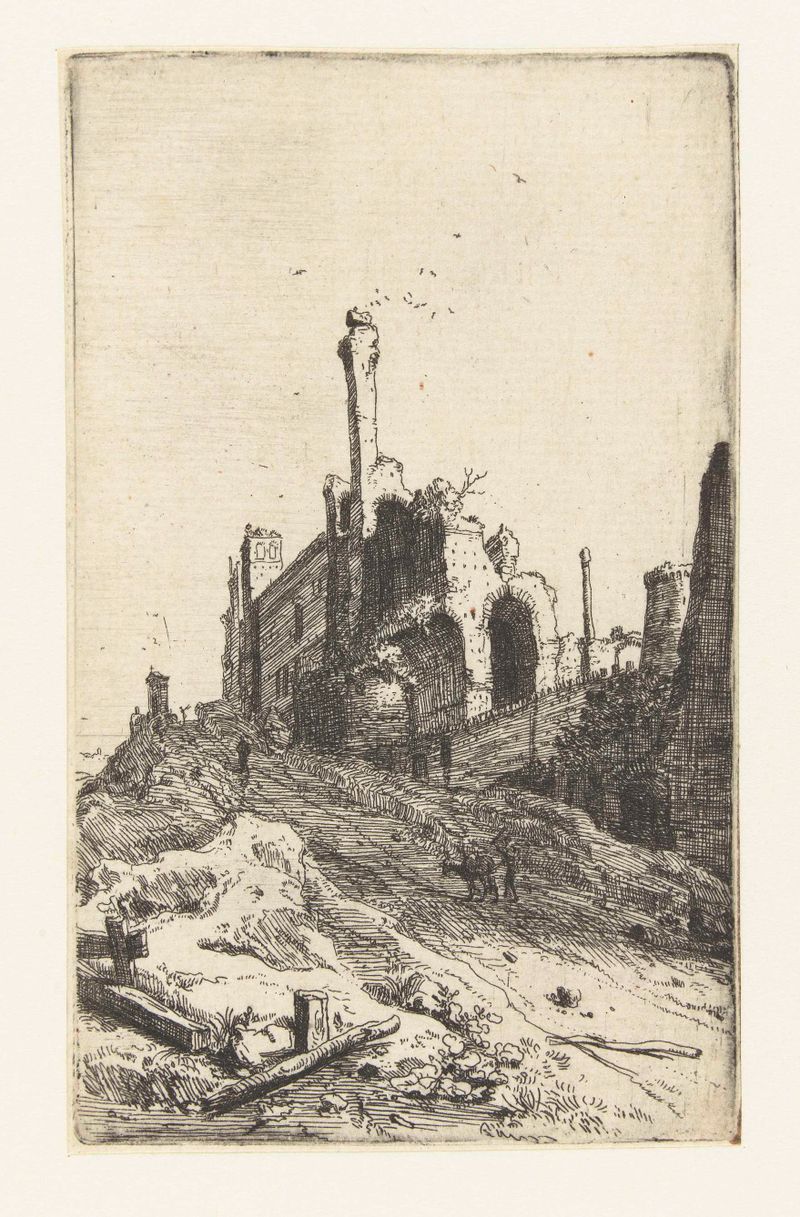
Ruïnes van een paleis te Tivoli
Bartholomeus Breenbergh

Figures Among Ruins By The Tiber
Bartholomeus Breenbergh

Italian Landscape with the Aurelian Wall
Bartholomeus Breenbergh
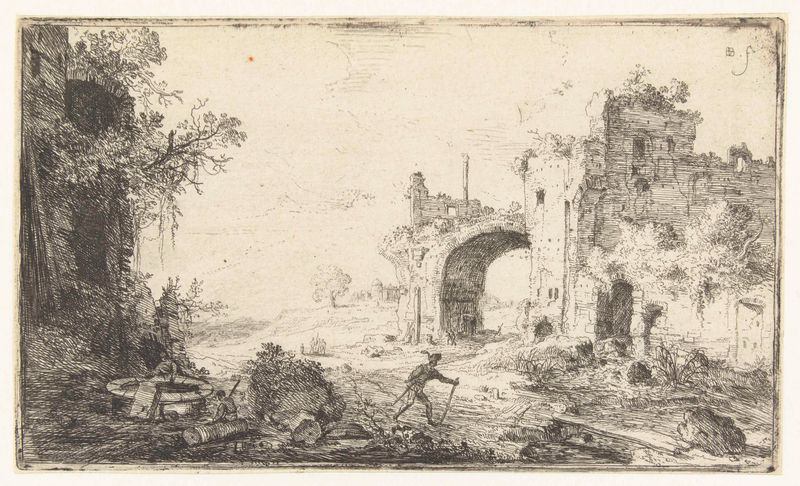
Ruïnes van de thermen van Caracalla
Bartholomeus Breenbergh
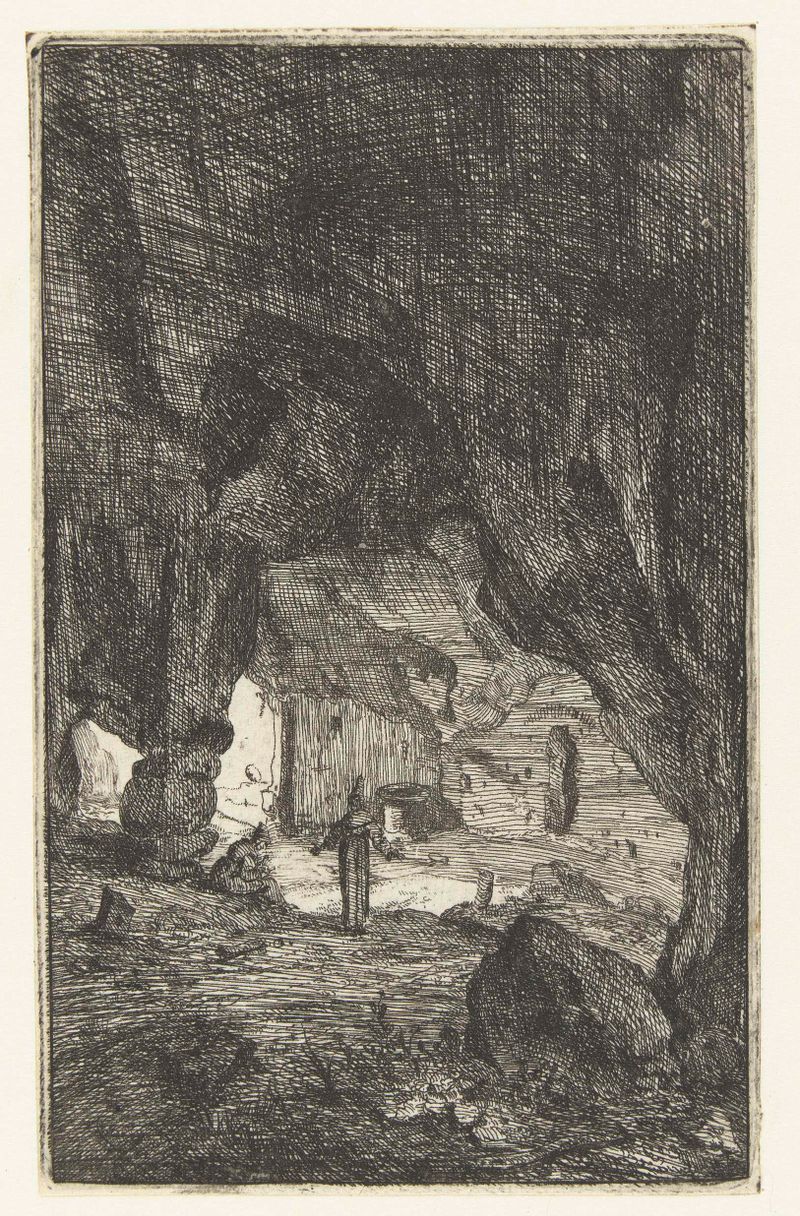
Interieur van een grot
Bartholomeus Breenbergh
More Architecture Art
Browse all →
The statue of Liberty
Frédéric Auguste Bartholdi

View of Houses in Delft, Known as ‘The Little Street’
Johannes Vermeer

View of Houses in Delft, Known as ‘The Little Street’
Johannes Vermeer

The Cathedral in Rouen. The portal, Grey Weather
Claude Monet

The yellow house
Vincent van Gogh

The Church in Auvers-sur-Oise, View from the Chevet
Vincent van Gogh