
Thierstein — History & Facts
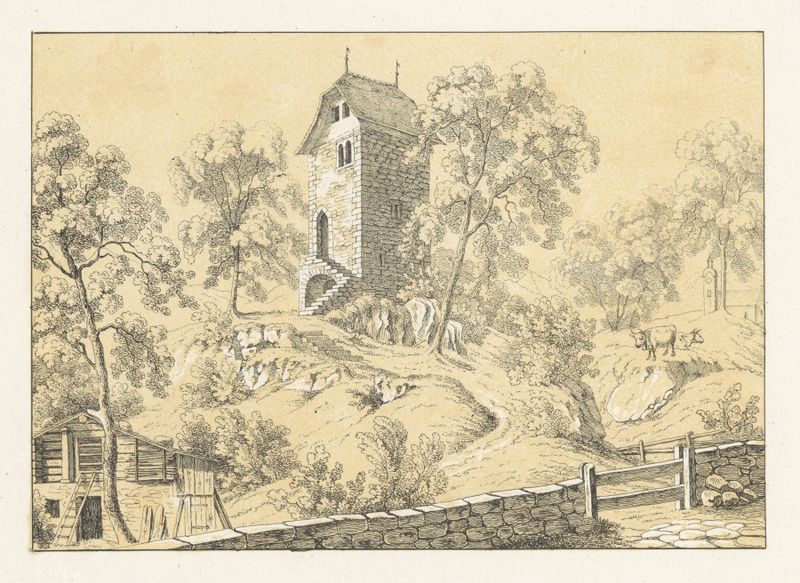
When did color learn to lie? In the realm where pigment meets perception, Thierstein beckons us to confront layers of truth and illusion. Look closely at the vibrant hues, particularly the verdant greens that dominate the foreground. Notice how the brushstrokes blend seamlessly, creating a dappled texture that mimics the play of light upon the leaves. The deep blues of the sky contrast dramatically with the earth’s palette, inviting your gaze upward, yet the balance feels precarious, as if the colors themselves are hovering between reality and dream. As you delve deeper into the canvas, subtle tensions emerge.
The juxtaposition of light and shadow creates an almost surreal quality, suggesting that this landscape is not merely a representation of nature but a reflection of the inner psyche. The scattered forms in the background hint at an unseen presence, evoking feelings of nostalgia and longing. Here, nature becomes a character, one that whispers secrets and stories only to those willing to listen. Johann Friedrich Wagner painted Thierstein between 1840 and 1844 during a time of personal and artistic exploration.
Living in an era marked by Romantic ideals, he sought to capture not just the physical beauty of landscapes but their emotional depth, a reflection of the tumultuous changes in society. This period saw a growing interest in the interplay of light and color, which would significantly influence his work and the broader art movements of the time.
More Artworks by Johann Friedrich Wagner
Browse all →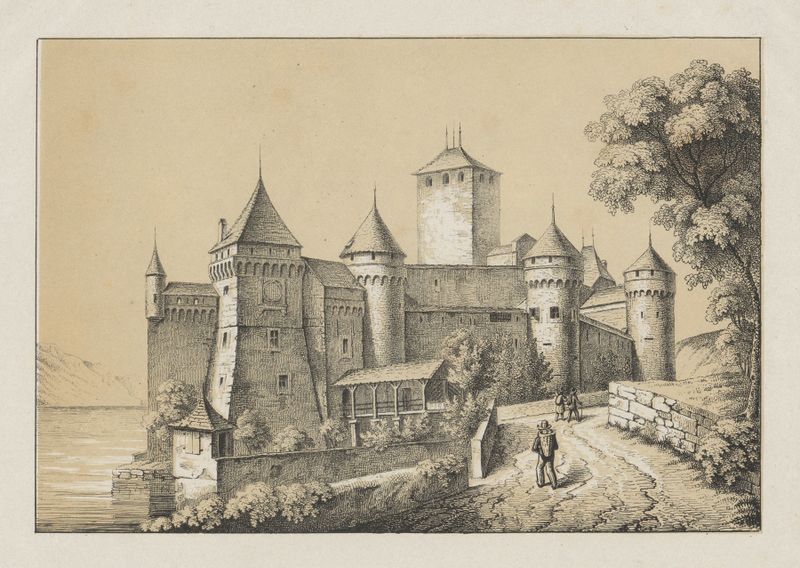
Chillon
Johann Friedrich Wagner

Valangin
Johann Friedrich Wagner
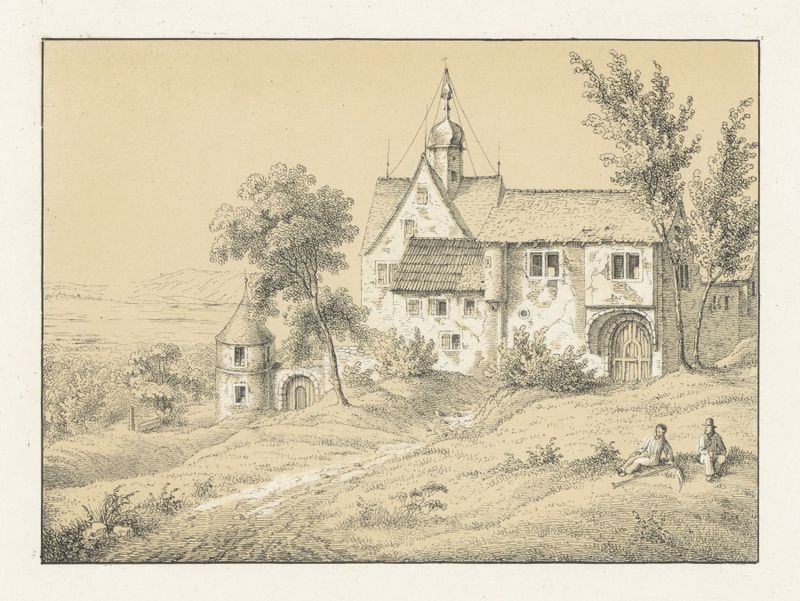
Greifenstein
Johann Friedrich Wagner

Vorburg
Johann Friedrich Wagner
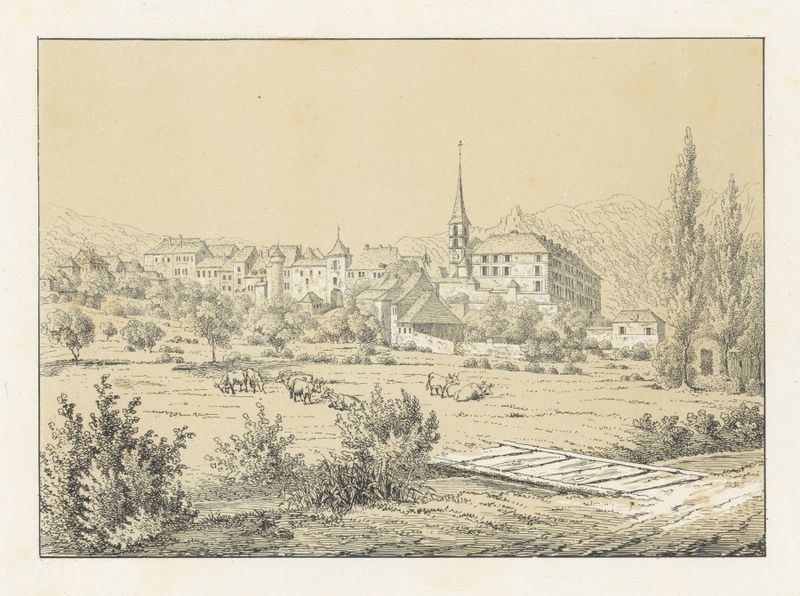
Delémont
Johann Friedrich Wagner

Pleujouse
Johann Friedrich Wagner

Challay
Johann Friedrich Wagner
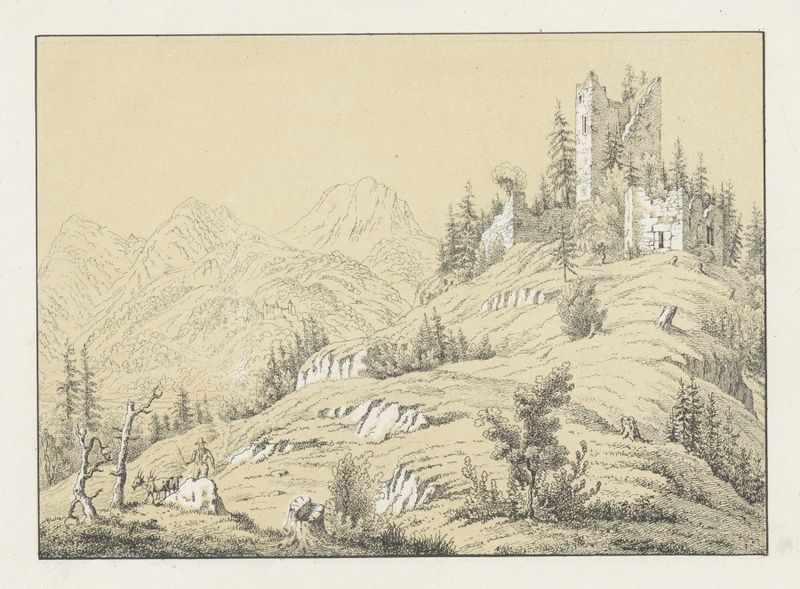
Mont Salvant
Johann Friedrich Wagner
Aha. Od. Untere Burg von Sarnen
Johann Friedrich Wagner
Lausanne
Johann Friedrich Wagner





