
Thomas Alphonso Hayley (1780–1800) — History & Facts
When William Blake painted Thomas Alphonso Hayley (1780–1800) in 1800, he immortalized not just a young man, but the fragile hope of a patron’s family. Thomas was the beloved son of William Hayley, the poet and Blake’s own benefactor during his years in Felpham. The portrait was completed just months before Thomas’s untimely death at age twenty, a loss that deeply affected both his father and Blake.
The work stands as a rare and intimate record of Blake’s brief but intense connection with the Hayley household, a relationship that shaped his life and art at the turn of the century. The portrait captures Thomas at a moment of quiet introspection, his gaze turned away from the viewer, lost in thought. Blake’s handling is gentle, almost tender, with soft modeling of the face and careful attention to the sitter’s delicate features. The light falls across Thomas’s brow, illuminating his thoughtful expression and suggesting a mind preoccupied with study or contemplation—fitting for a young man known for his intelligence and sensitivity.
Unlike the grand, formal portraits of the era, Blake’s approach is intimate and direct, more akin to his own visionary works than to the society portraits of Joshua Reynolds or Thomas Lawrence. The simplicity of the background and the sitter’s modest attire focus all attention on the inner life of the subject. The exact medium of Thomas Alphonso Hayley (1780–1800) remains uncertain, though it is likely a drawing or tempera painting, as was Blake’s custom for portraits of this period. The work was commissioned by William Hayley during Blake’s stay in Felpham, a period that saw the artist produce several portraits and illustrations for his patron.
After Thomas’s death, the portrait became a cherished memento for the grieving father, though its subsequent history is less well documented. Today, the piece is recognized as a rare example of Blake’s portraiture, a genre he seldom pursued, and it offers a glimpse into the personal connections that shaped his creative world.
More Artworks by William Blake
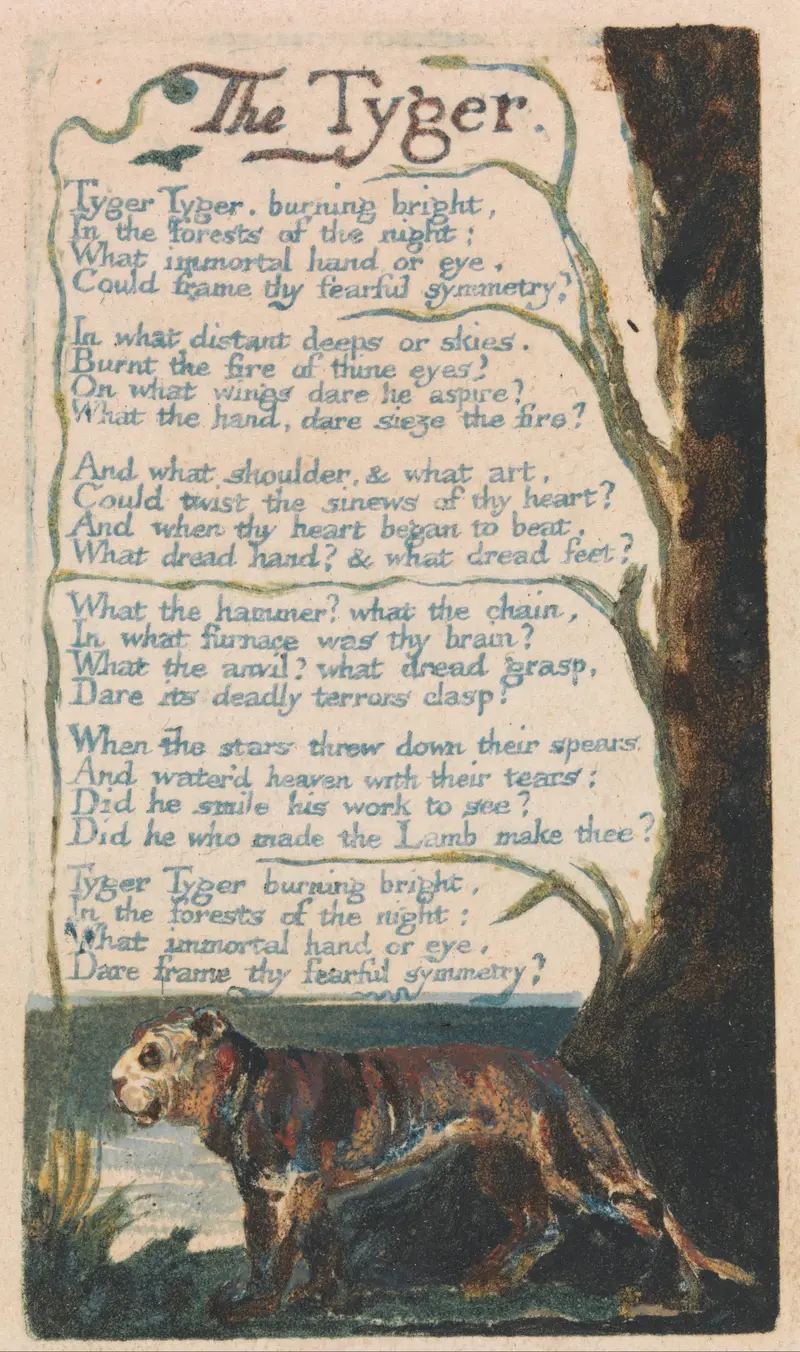
The Tyger
William Blake

Christ Blessing
William Blake
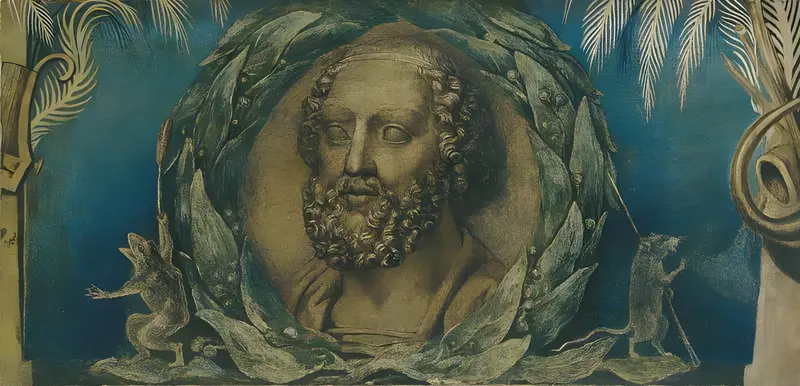
Homer
William Blake
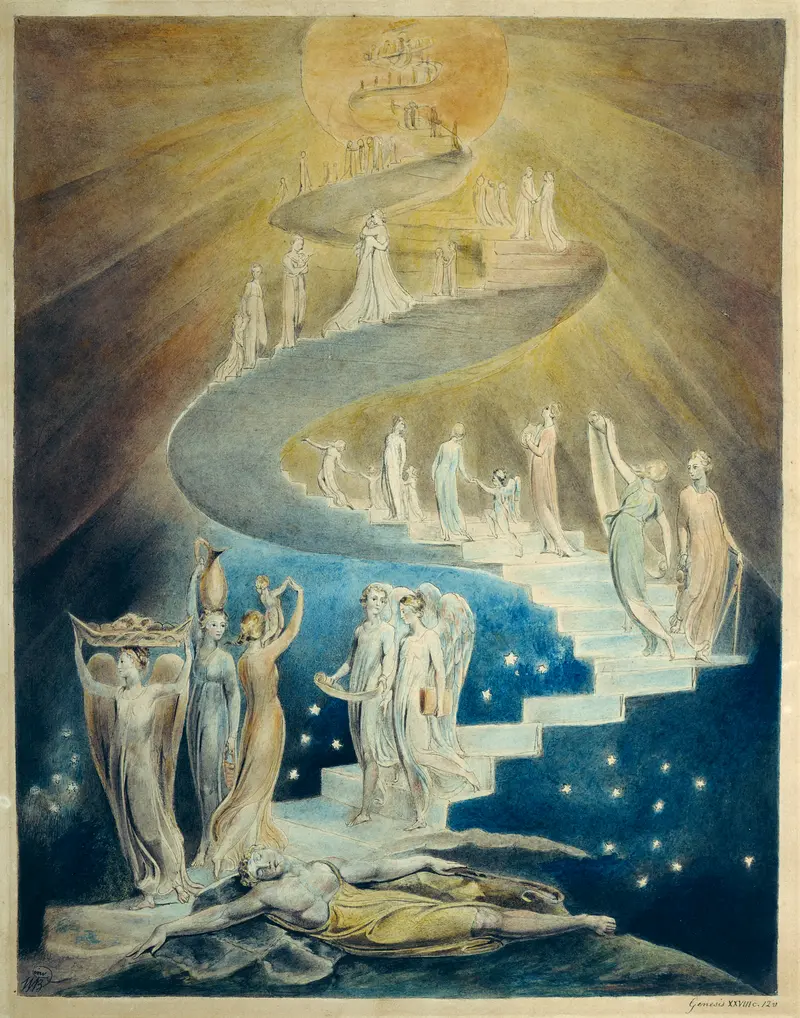
Jacob's Ladder
William Blake
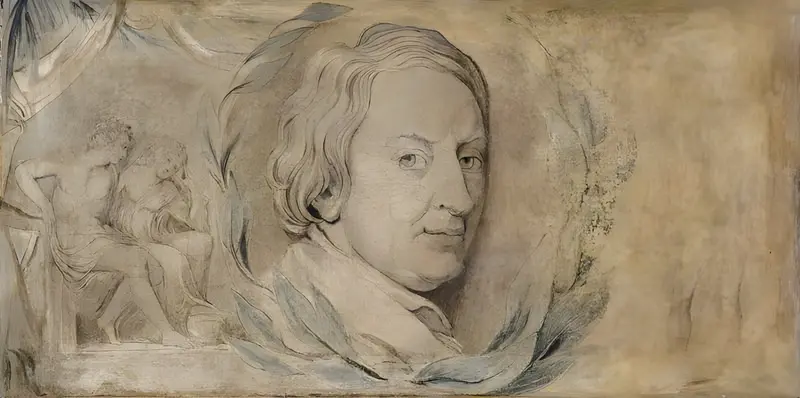
John Dryden (1631–1700)
William Blake

Landscape near Felpham
William Blake
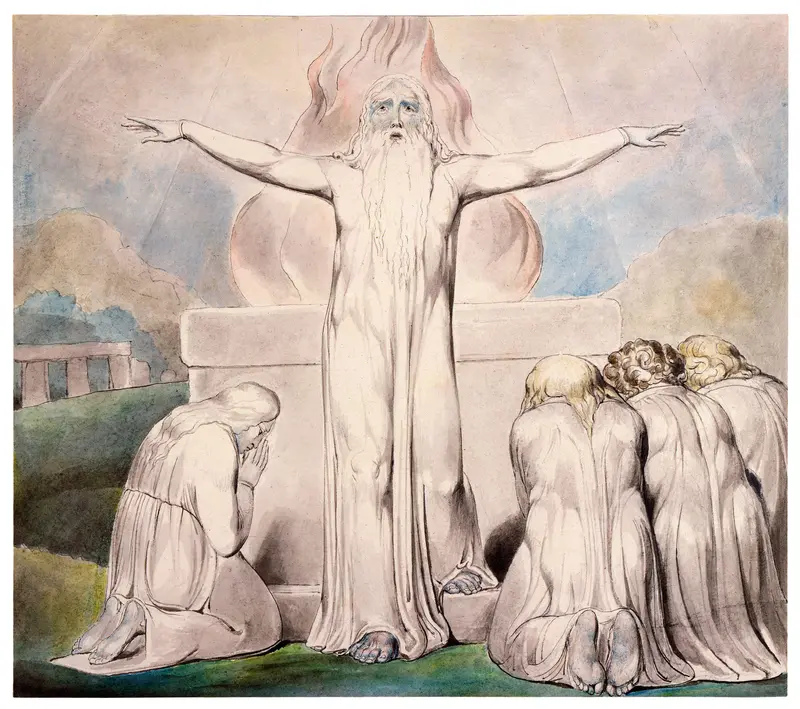
Sacrifice of Job
William Blake
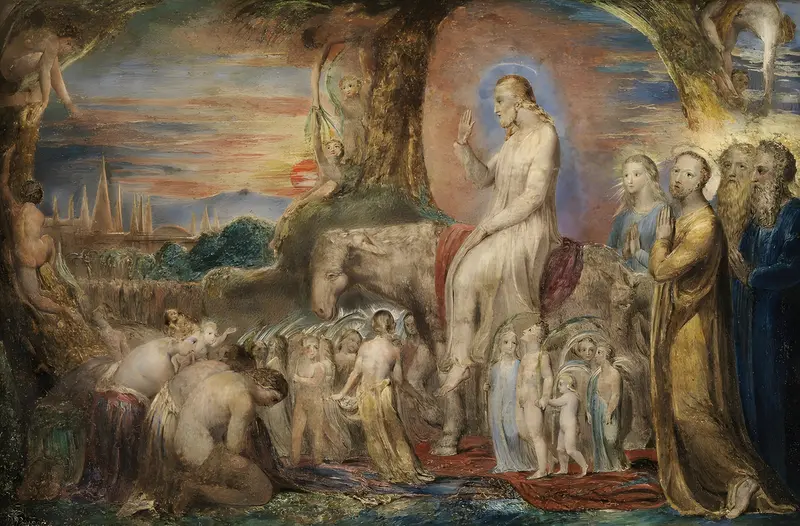
Christ's Entry into Jerusalem
William Blake
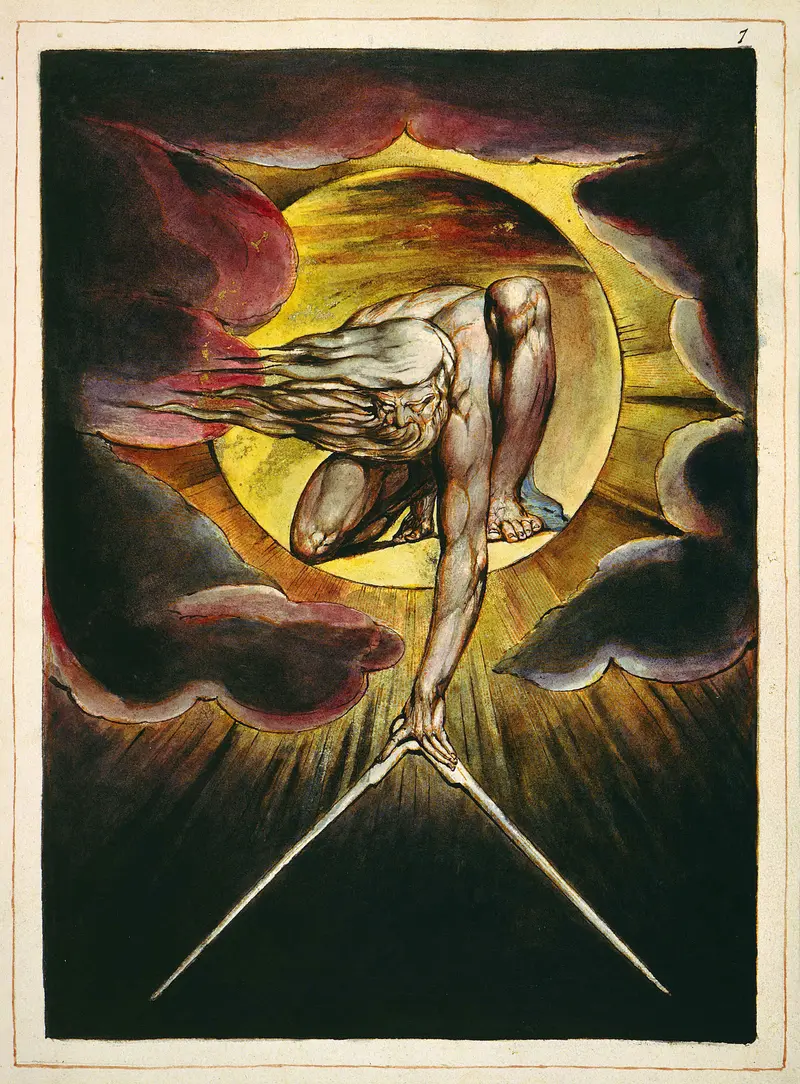
The Ancient of Days
William Blake
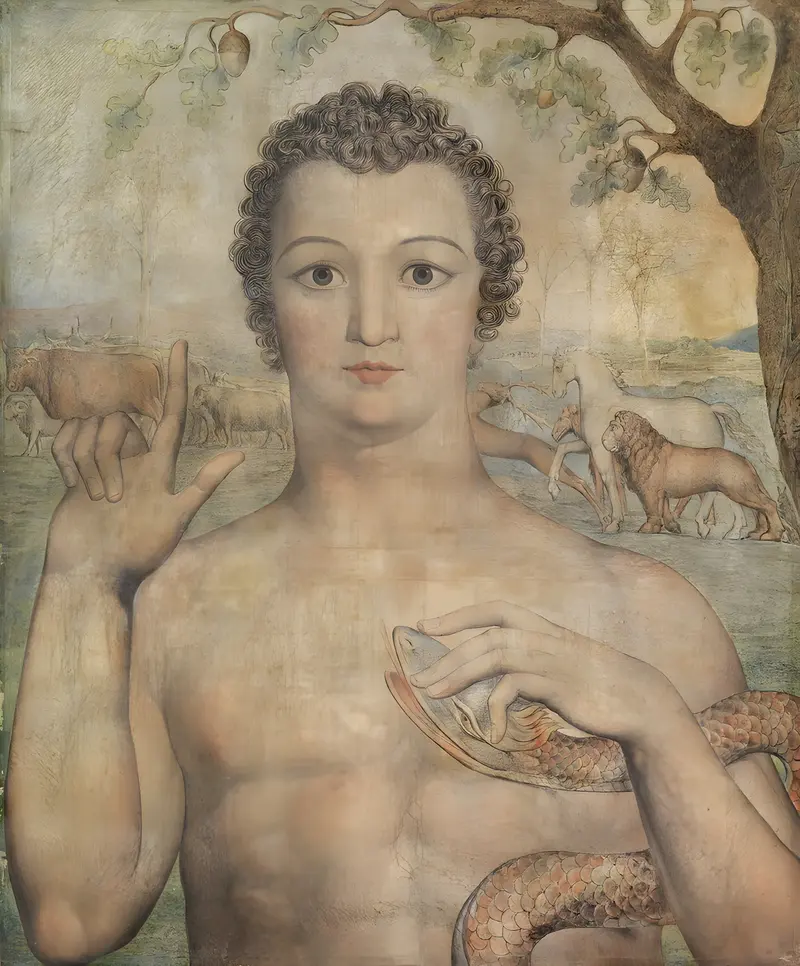
Adam Naming the Beasts
William Blake





