
Three Peasants at an Inn — History & Facts
A flash of laughter, a raised glass, and the scrape of a fiddle—Three Peasants at an Inn by Adriaen van Ostade captures a moment of raucous camaraderie that feels as immediate as any gathering today. The eye is drawn first to the young man in the red cap, mid-toast, his mouth open in a broad grin, cheeks flushed with drink and good company. Light pours across the rough table and its occupants, picking out the gleam of glass and the worn texture of their clothes, while the rest of the inn recedes into shadow.
Every detail—the scattered pipe, the slouch of the fiddler, the cat curled by the hearth—signals a world of humble pleasures and shared stories. The palette is warm, earthy, and intimate, anchoring the scene in the everyday rather than the heroic. Painted in 1647, this work belongs to the golden age of Dutch genre painting, when scenes of ordinary life became prized possessions for a rising class of urban collectors. Artists like van Ostade specialized in these glimpses of rural and tavern life, offering both a celebration and a gentle satire of peasant customs.
Such paintings were not grand commissions for churches or courts, but rather private treasures for burghers who saw themselves reflected—sometimes humorously, sometimes critically—in the foibles and joys of their neighbors. History has kept few traces of this particular painting’s journey, but its presence in a digital collection today invites us to linger over the same pleasures that first enchanted viewers nearly four centuries ago. Look again, and you may hear the echo of laughter and the scrape of a bow across strings.
More Artworks by Adriaen van Ostade

Dans in de herberg
Adriaen van Ostade
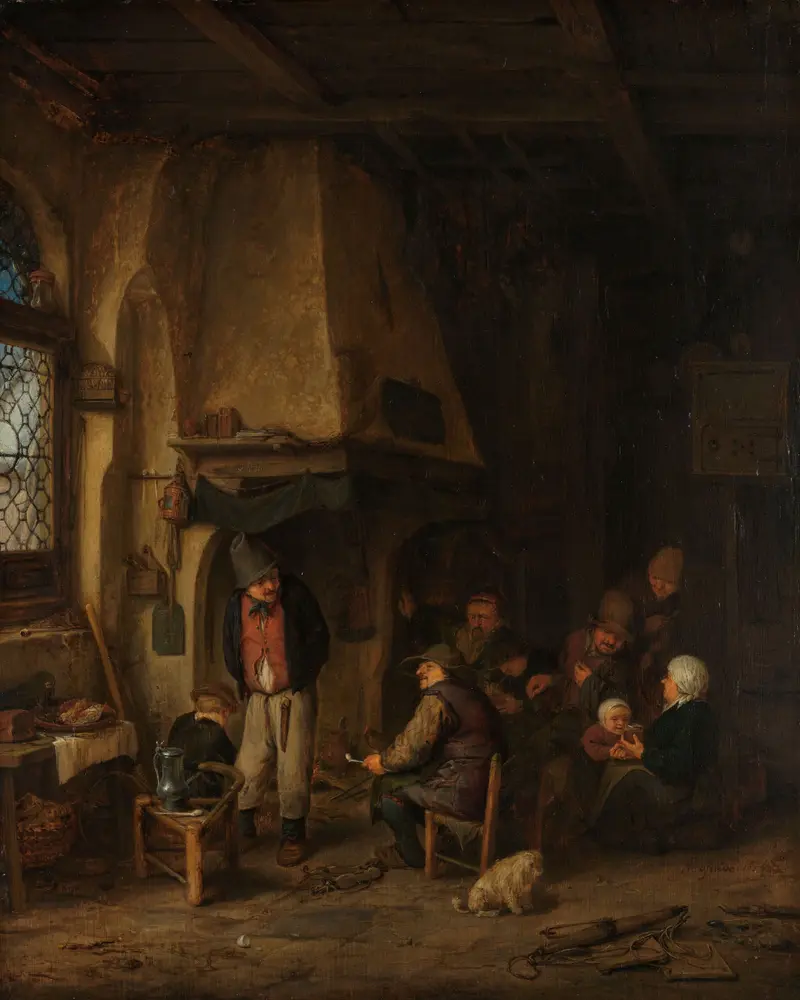
‘The Skaters’: Peasants in an Interior
Adriaen van Ostade
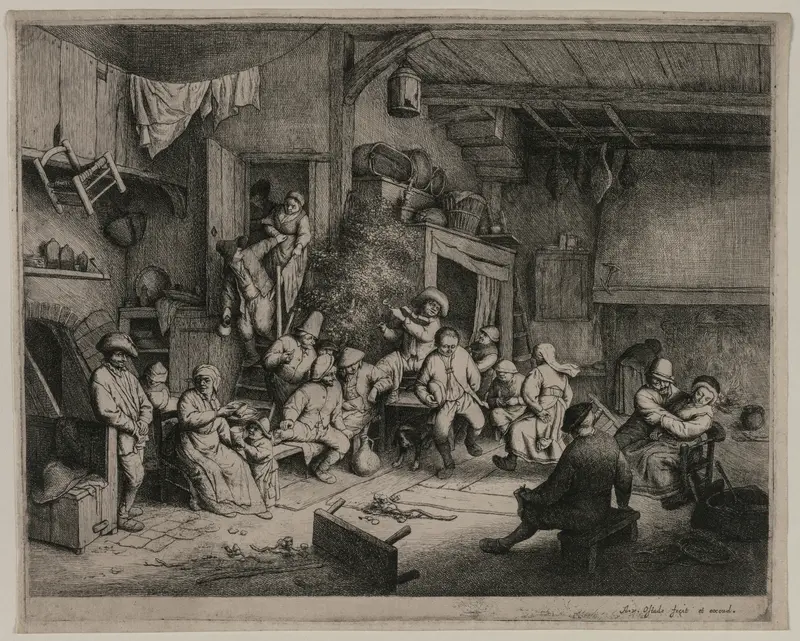
Dance at the Inn
Adriaen van Ostade
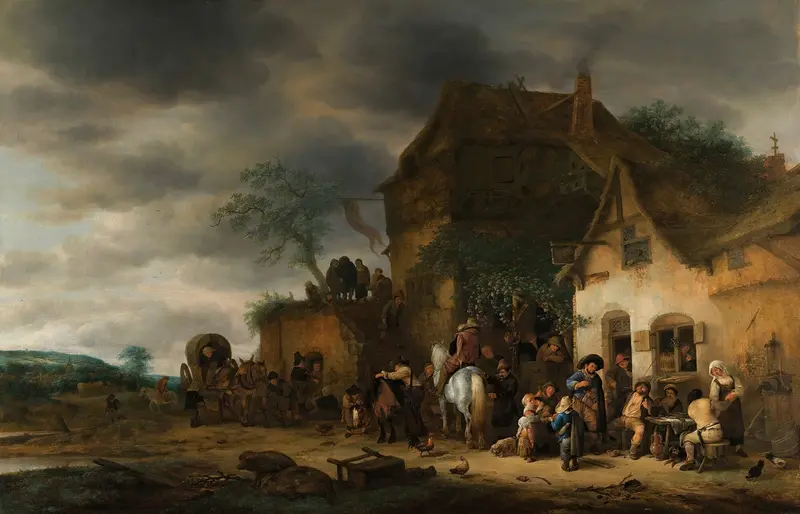
Travellers Halted At A Country Inn
Adriaen van Ostade
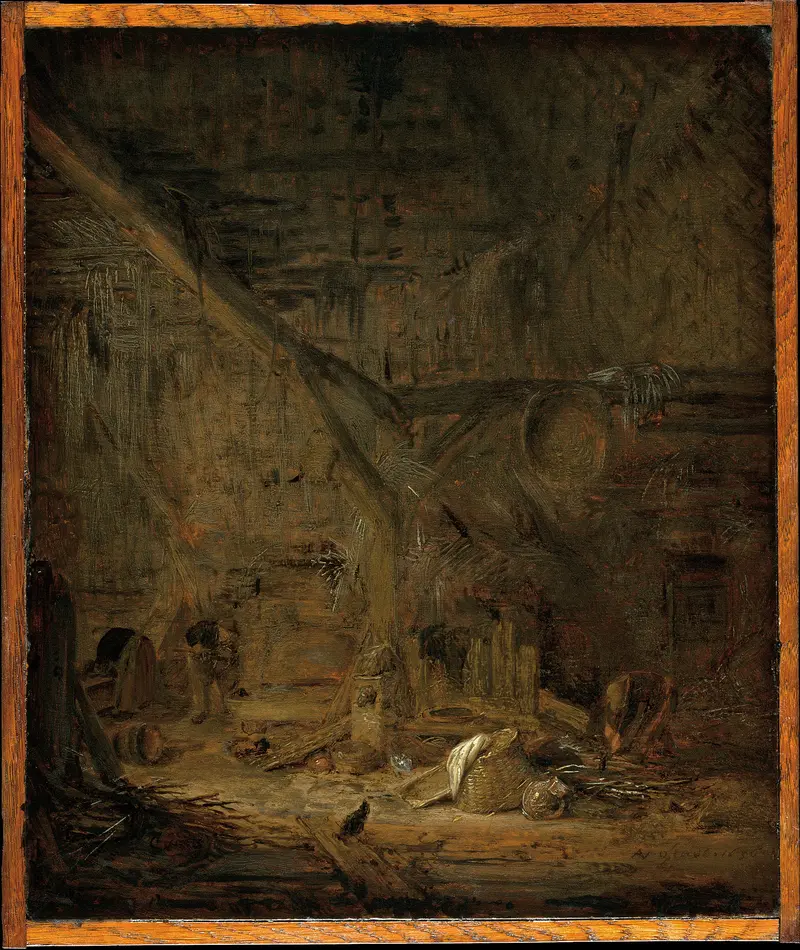
Interior of a Barn
Adriaen van Ostade
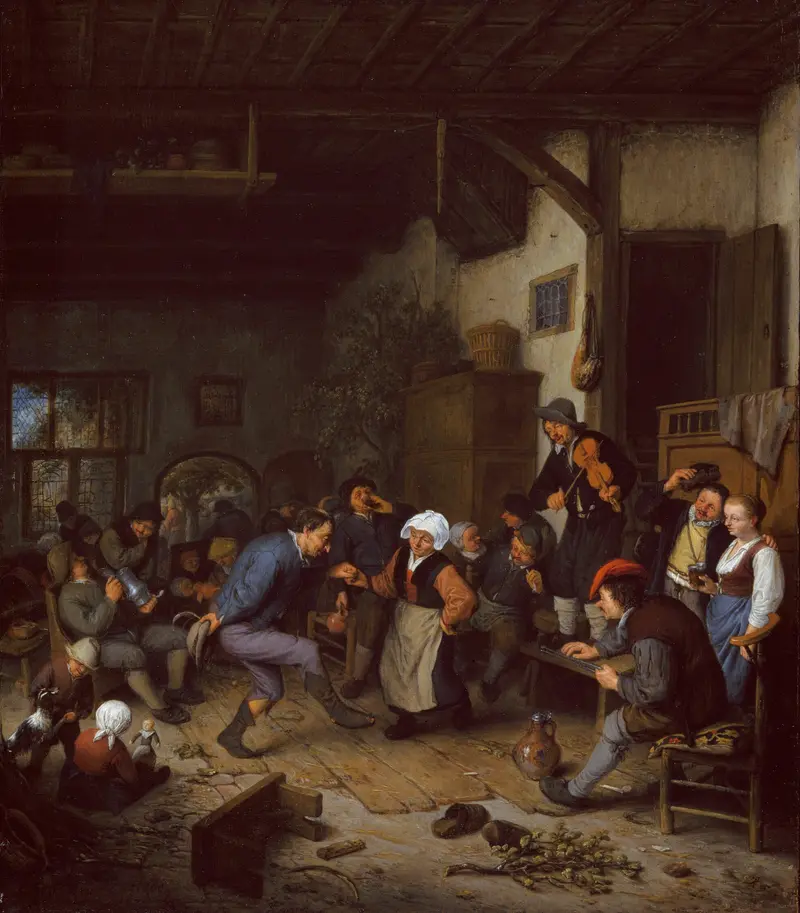
Merrymakers in an Inn
Adriaen van Ostade
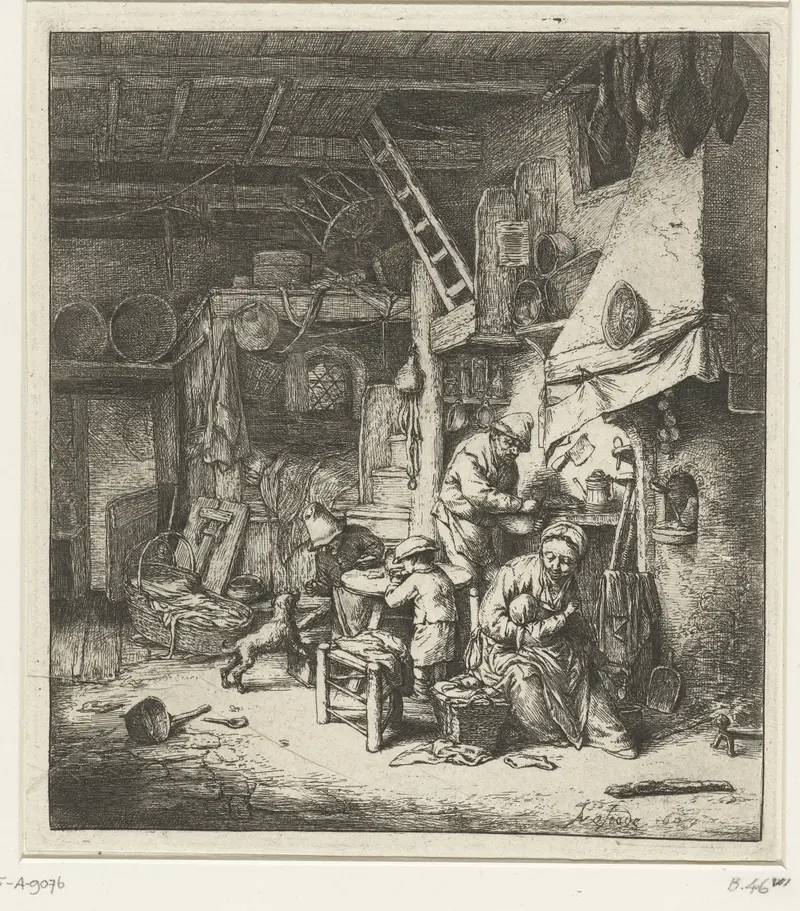
Boerengezin in interieur
Adriaen van Ostade
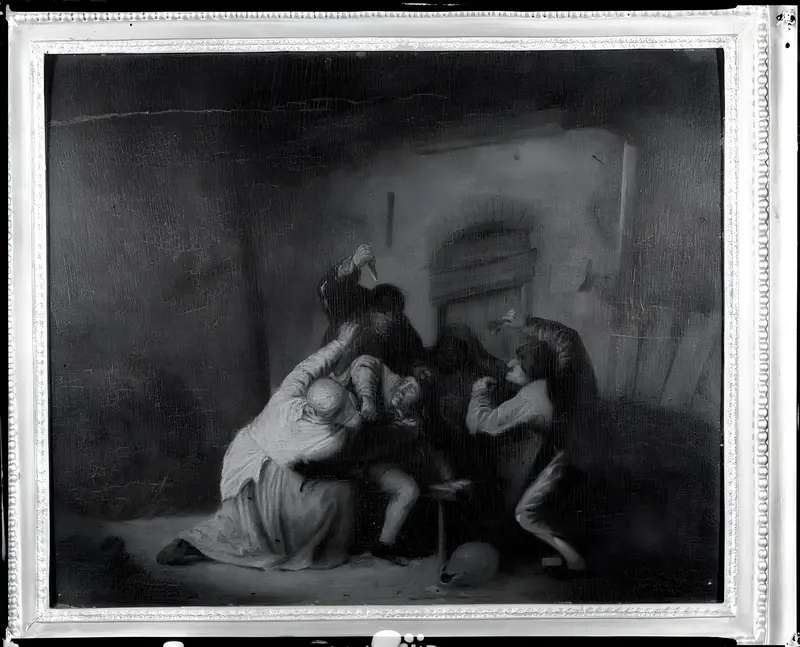
Peasants Brawling in a Tavern
Adriaen van Ostade
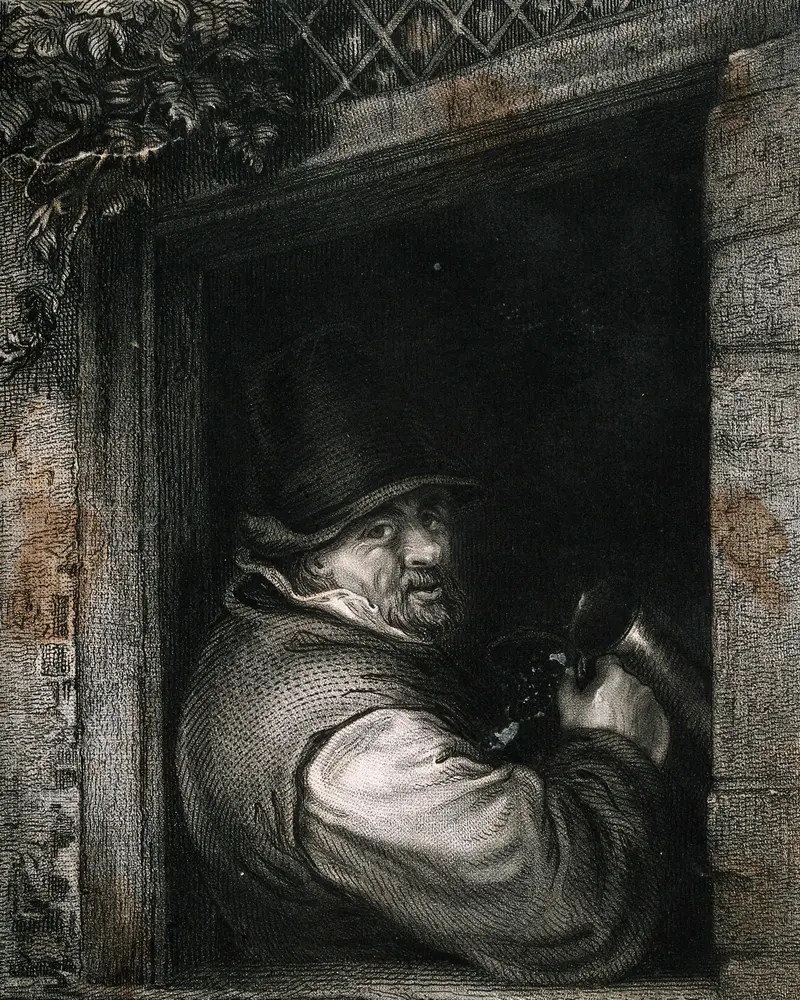
Man with a Tankard at a Window
Adriaen van Ostade
Dans in de herberg
Adriaen van Ostade
More Genre Scene Art

Banquet of the Officers of the St George Civic Guard
Frans Hals

Rembrandt and Saskia in the Scene of the Prodigal Son
Rembrandt van Rijn

Bal du moulin de la Galette
Pierre-Auguste Renoir

Quadrille at the Moulin Rouge
Henri de Toulouse-Lautrec

A Burial at Ornans
Gustave Courbet

When Will You Marry?
Paul Gauguin