
Titus Manlius Torquatus laat zijn zoon onthoofden — History & Facts
The stark reality of sacrifice renders the heart heavy, whispering secrets of duty and honor beneath the weight of parental love. Look closely at the central figure, where powerful gestures collide with oppressive stillness. Notice how the artist employs a muted palette, primarily grays and browns, creating a somber atmosphere that envelops the scene. The raw tension is palpable as the father, resolute and unwavering, stands poised, his hand gripping the sword, while his son kneels—vulnerable and accepting.
The contrast of light on the father’s determined face and the shadows that envelop the son accentuates the emotional chasm between them, compelling the viewer to confront the implications of loyalty and sacrifice. Within this haunting composition lies a narrative steeped in moral conflict. The father’s unwavering stance speaks to the brutal expectation of adherence to civic duty, while the son’s acceptance hints at a tragic resignation to fate. The intricate detailing of the figures’ expressions reveals a spectrum of emotions: pride, fear, and inevitability.
Furthermore, the stark division of light and dark symbolizes the tension between personal devotion and societal obligation, inviting contemplation of how these forces shape one's choices. In 1535, Georg Pencz, working in Nuremberg, engages with the evolving Renaissance ethos, where classical themes intermingle with the human experience. During this period, the artist was influenced by the growing interest in morality and civic virtue, reflecting a society grappling with its values amidst political and religious upheaval. This painting captures not just a moment, but also the complex interplay of familial bonds and the harsh demands of honor, grounding its timeless relevance in the fabric of human existence.
More Artworks by Georg Pencz
Browse all →
Parabel van de zaaier
Georg Pencz

Parabel van de arbeiders in de wijngaard
Georg Pencz
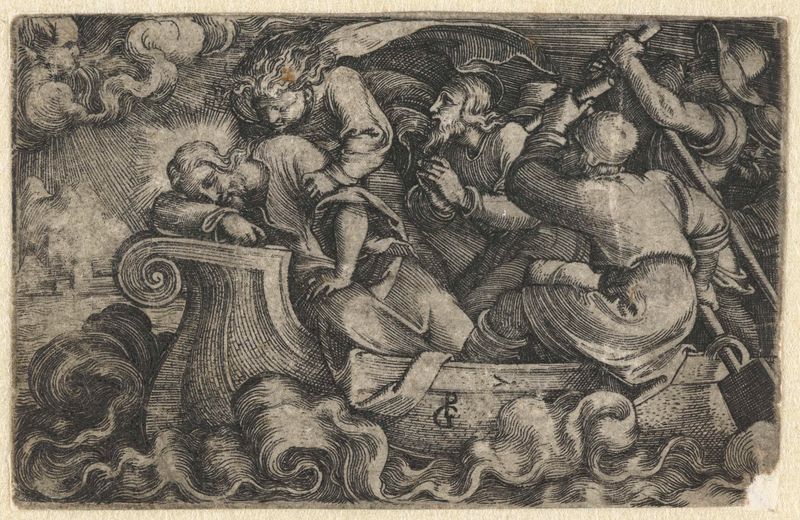
Discipelen wekken slapende Christus tijdens storm op Meer van Galilea
Georg Pencz

Afgunst (Invidia)
Georg Pencz
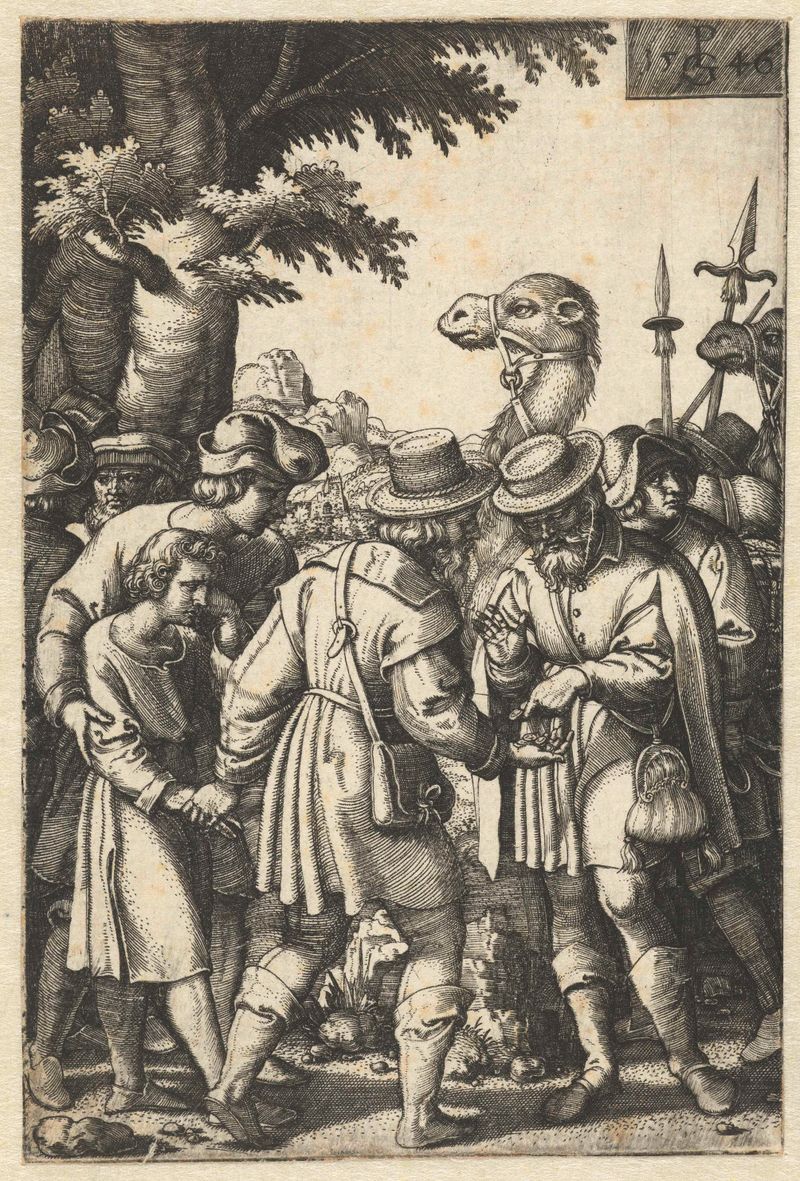
Jozef wordt verkocht aan kooplieden op weg naar Egypte
Georg Pencz

Aanbidding der koningen
Georg Pencz
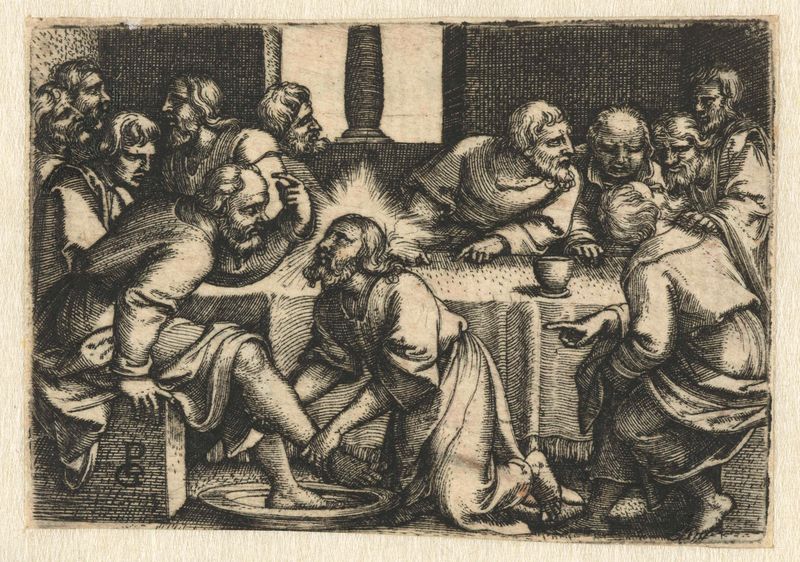
Petrus protesteert als Christus zijn voeten wast
Georg Pencz
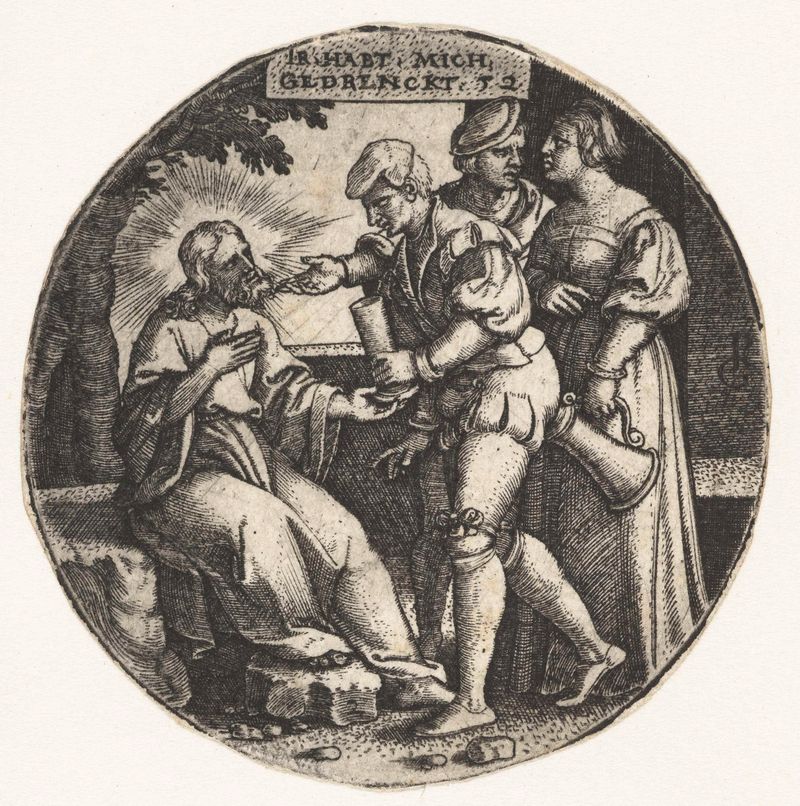
Christus heeft dorst en krijgt drinken aangeboden
Georg Pencz
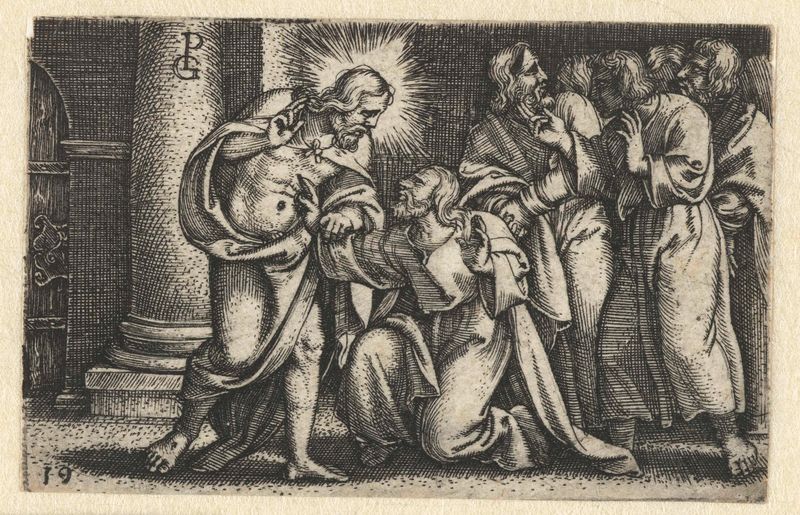
Ongelovige Thomas raakt wonden Christus aan
Georg Pencz

Offer van Abraham van Isaak
Georg Pencz
More Historical Art
Browse all →
The Night Watch Militia Company of District II under the Command of Captain Frans Banninck Cocq
Rembrandt van Rijn
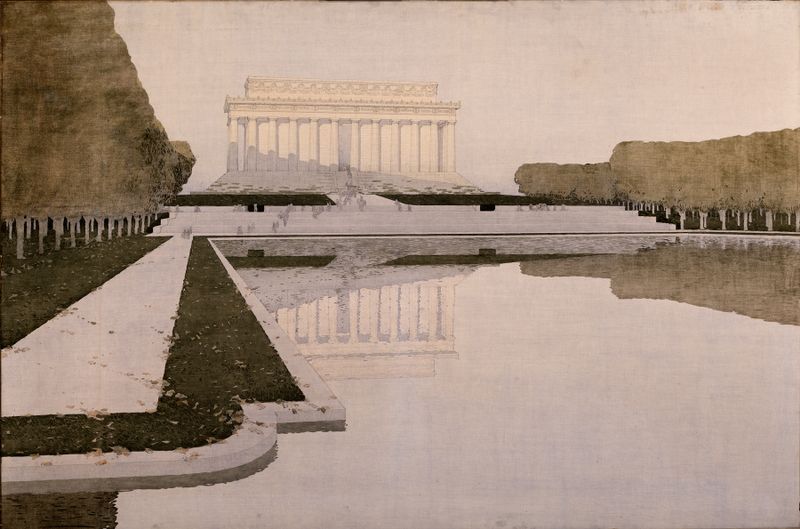
Lincoln Memorial
Henry Bacon
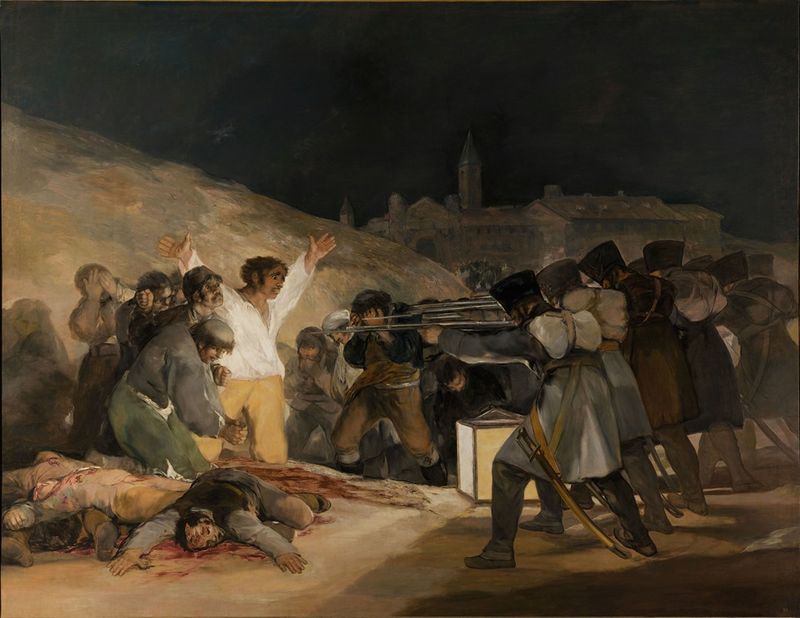
The Third of May 1808
Francisco de Goya

Isaac and Rebecca, Known as ‘The Jewish Bride’
Rembrandt van Rijn
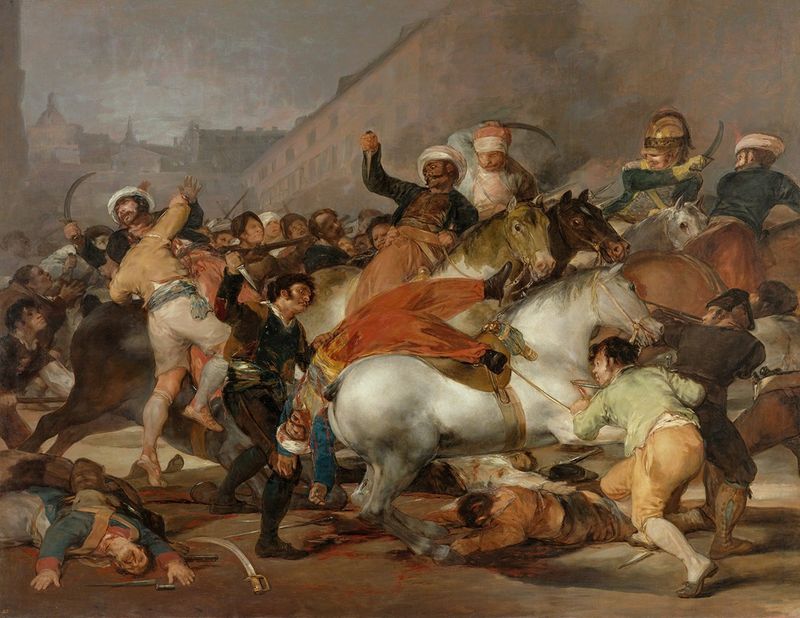
The Charge of the Mamelukes (1814)
Francisco de Goya

De vier ruiters van de apocalyps
Albrecht Dürer