
Tomb of Jeremiah — History & Facts
Did the painter know this moment would outlive them? In a world of fleeting shadows and whispers, every brushstroke carries an echo of eternity, weaving a dream into the fabric of time. Look to the left at the imposing tomb, meticulously rendered in rich earth tones that ground the work in solemnity. The solemnity of the stone contrasts sharply with the delicate human figures positioned nearby, their postures a blend of reverence and melancholy. Notice how the soft light filters through the surrounding greenery, illuminating the inscriptions and bringing a palpable warmth to the otherwise austere scene.
This interplay of light and dark not only guides the eye but also evokes a meditative serenity. Within the composition lies a profound tension between permanence and transience. The tomb, a symbol of enduring legacy, stands in juxtaposition to the ephemeral human presence, suggesting a moment caught between time. The slight tilt of the mourners’ heads reflects an intimate connection to their surroundings, hinting at personal losses or collective grief that transcends their individual stories.
This duality immerses the viewer in contemplation, each detail a reminder of the fragility of life amid the steadfastness of history. Painted in 1810, this work emerged during a period of profound change in Europe, where the aftermath of the Napoleonic Wars was reshaping national identities. Luigi Mayer, then residing in England, sought to capture the cultural remnants of the past amidst the encroaching modernity. This artwork not only showcases his skill in depicting architectural grandeur but also serves as a poignant reflection on memory and mortality in a rapidly evolving world.
More Artworks by Luigi Mayer
Browse all →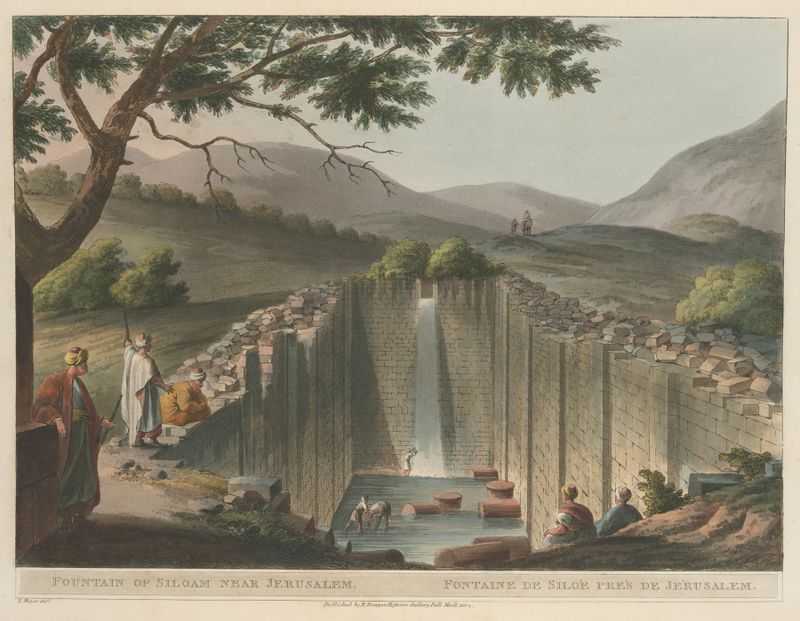
Fountain of Siloam Near Jerusalem
Luigi Mayer

View of the Dardanelles
Luigi Mayer
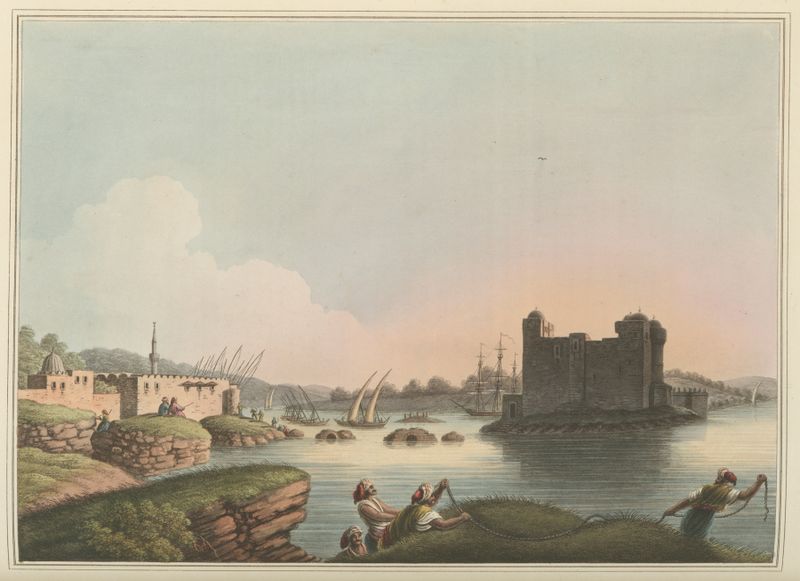
Port of Latachia
Luigi Mayer

Stadium at Ephesus
Luigi Mayer

Ancient Temples at Agrigentum
Luigi Mayer
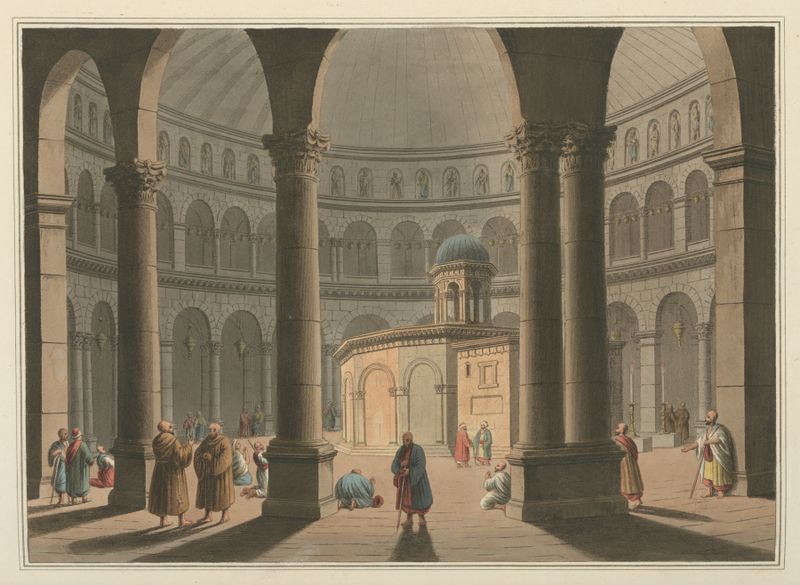
Church of the Holy Sepulchre
Luigi Mayer
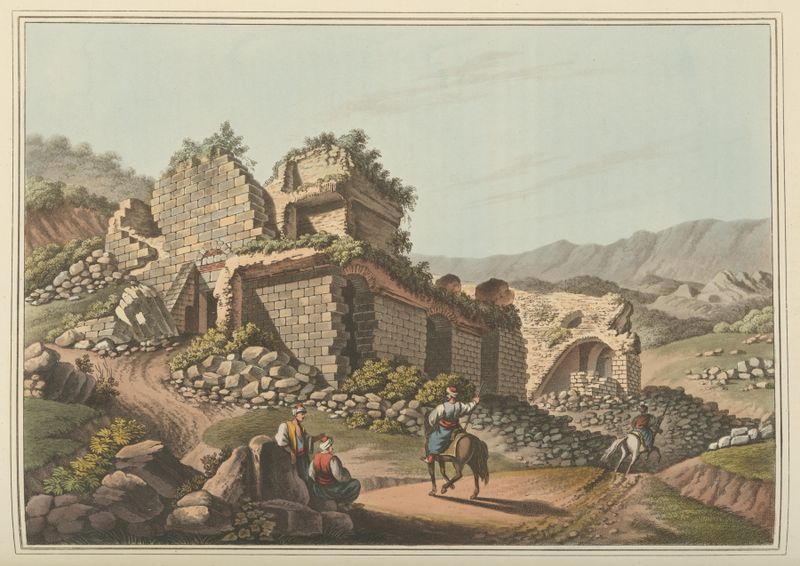
Theatre at Ephesus
Luigi Mayer
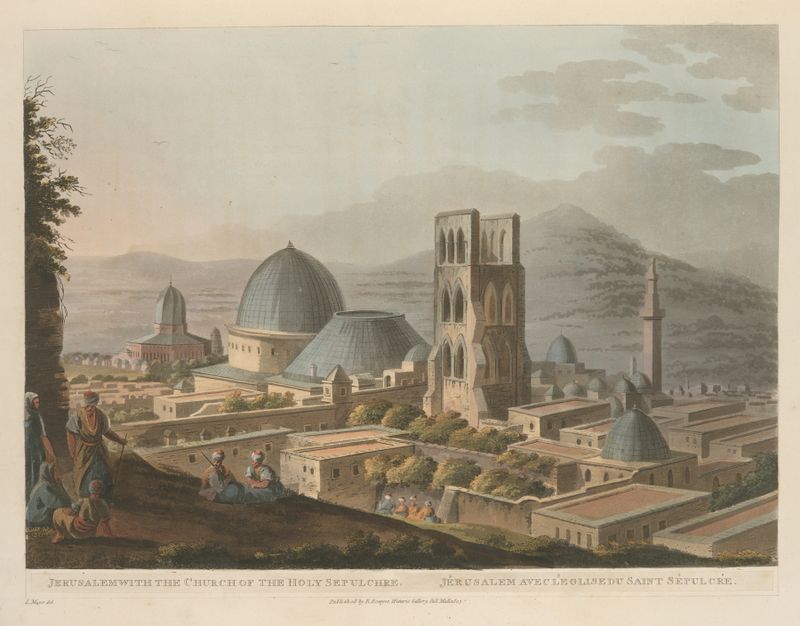
Jerusalem with the Church of the Holy Sepulchre
Luigi Mayer
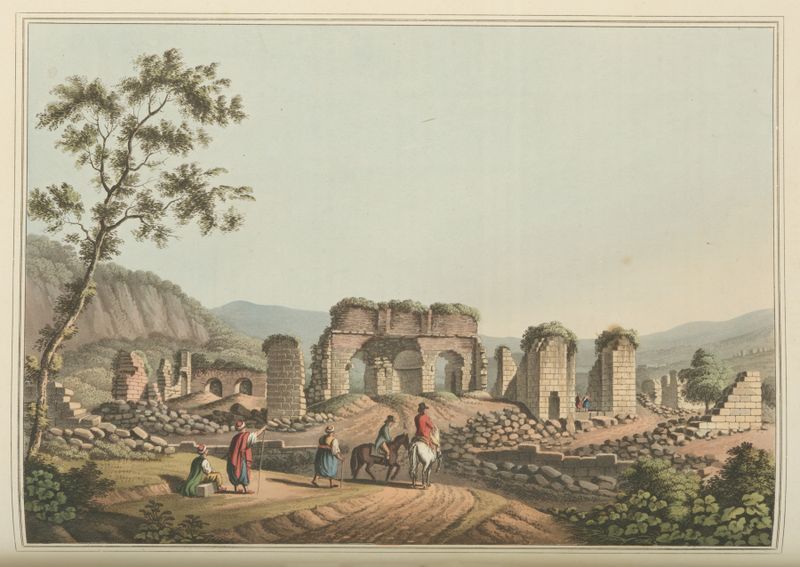
Ruins of the Temple of Diana at Ephesus
Luigi Mayer

Crater in the Island of Volcano
Luigi Mayer
More Historical Art
Browse all →
The Night Watch Militia Company of District II under the Command of Captain Frans Banninck Cocq
Rembrandt van Rijn

Lincoln Memorial
Henry Bacon

The Third of May 1808
Francisco de Goya

Isaac and Rebecca, Known as ‘The Jewish Bride’
Rembrandt van Rijn

The Charge of the Mamelukes (1814)
Francisco de Goya

De vier ruiters van de apocalyps
Albrecht Dürer