
Tomyris doopt hoofd van Cyrus in bloed — History & Facts
What secret hides in the quiet of the canvas? Beneath the surface, Tomyris doopt hoofd van Cyrus in bloed reveals a visceral reflection on mortality, power, and justice. Focus first on the dramatic contrast between the rich crimson and the somber tones that envelop the figures. Notice how the blood-drenched crown looms above, casting a spectral shadow over the defeated emperor's head. The meticulous attention to detail in the fabric draping Tomyris exemplifies Pencz's mastery, drawing your eye to the textures that evoke both strength and vulnerability.
Each brushstroke pulsates with the tension of impending fate, as the background fades into an almost ethereal haze, allowing the figures to emerge with haunting clarity. Deeper meanings unfold in the juxtaposition of the conquering queen and her vanquished foe. The intense gaze of Tomyris, fierce yet sorrowful, suggests a complex interplay of triumph and grief. Her actions speak to the struggle against tyranny, yet the dripping blood symbolizes the inescapable nature of death.
Each element encapsulates the fine line between power and morality, illuminating the cost of vengeance. In this moment, the painting invites the viewer to grapple with the weight of justice—not merely in victory, but in the bloodshed that accompanies it. Georg Pencz crafted this chilling piece in 1539 amidst the upheaval of the Renaissance, a time when art flourished alongside the exploration of human experience. Living in Nuremberg, he was influenced by the reformation of ideas around power and morality, which often reflected in his works.
This painting not only marks a significant moment in his career but also serves as a commentary on the turbulent political climate of his time, where the specter of war and the quest for justice intertwined.
More Artworks by Georg Pencz
Browse all →
Parabel van de zaaier
Georg Pencz

Parabel van de arbeiders in de wijngaard
Georg Pencz
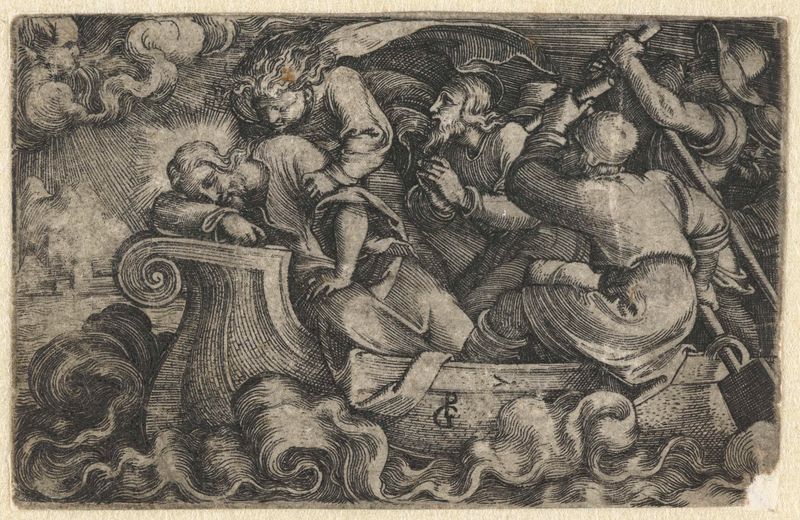
Discipelen wekken slapende Christus tijdens storm op Meer van Galilea
Georg Pencz

Afgunst (Invidia)
Georg Pencz
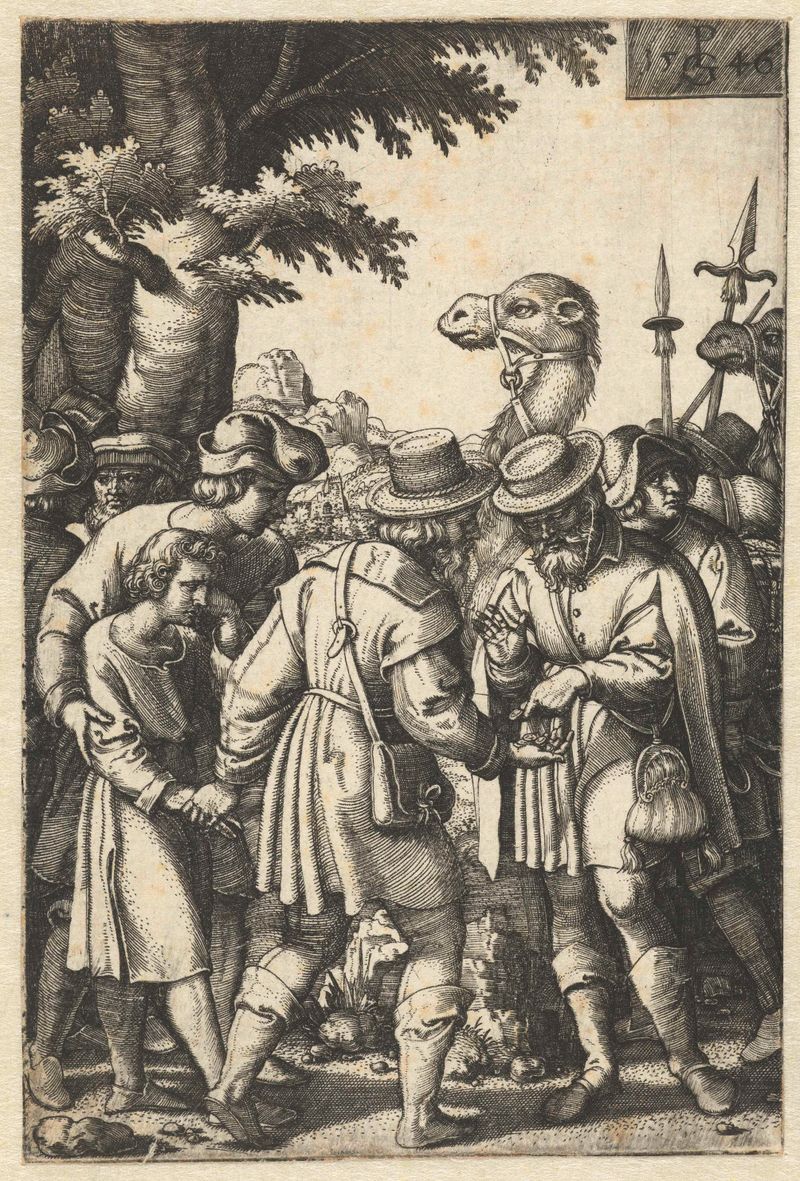
Jozef wordt verkocht aan kooplieden op weg naar Egypte
Georg Pencz

Aanbidding der koningen
Georg Pencz
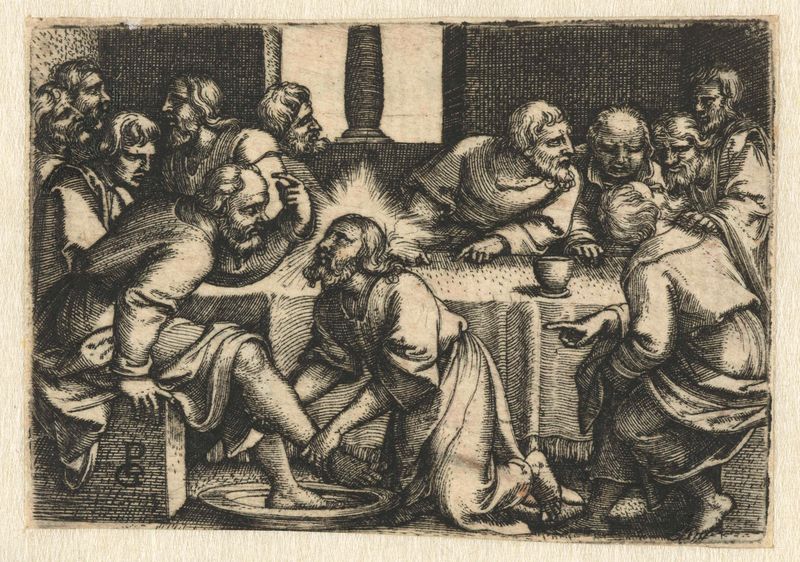
Petrus protesteert als Christus zijn voeten wast
Georg Pencz
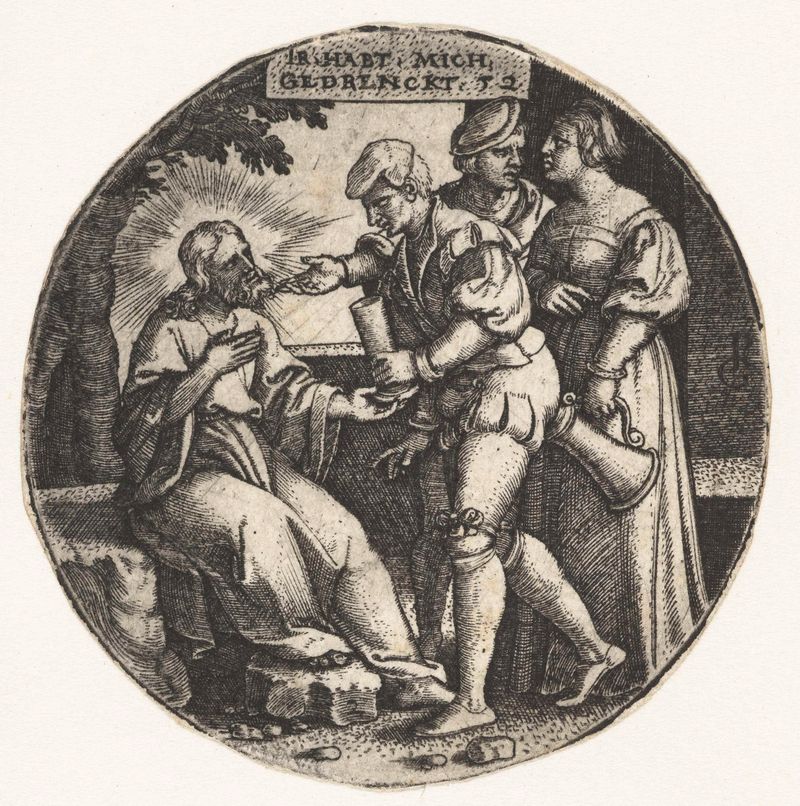
Christus heeft dorst en krijgt drinken aangeboden
Georg Pencz
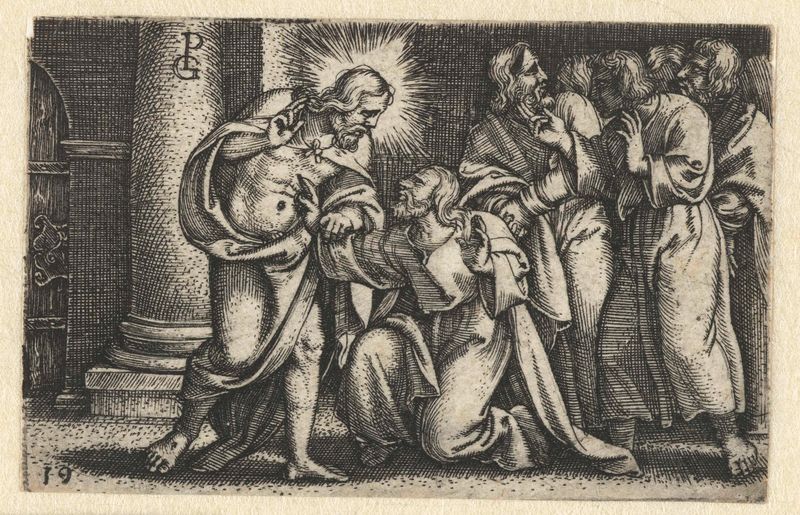
Ongelovige Thomas raakt wonden Christus aan
Georg Pencz

Offer van Abraham van Isaak
Georg Pencz
More Historical Art
Browse all →
The Night Watch Militia Company of District II under the Command of Captain Frans Banninck Cocq
Rembrandt van Rijn

Lincoln Memorial
Henry Bacon

The Third of May 1808
Francisco de Goya

Isaac and Rebecca, Known as ‘The Jewish Bride’
Rembrandt van Rijn

The Charge of the Mamelukes (1814)
Francisco de Goya

De vier ruiters van de apocalyps
Albrecht Dürer