
Toreador — History & Facts
What draws the eye first is not bravado, but a quiet moment of inwardness—a toreador, arms folded, head bowed, wrapped in a checkered cloth that seems to shield him from the world as much as from the cold. The artist, Francisco Pradilla, captures a pause rather than a spectacle: the famous matador’s public persona is set aside, replaced by a private reverie. The rough wall behind him offers no distraction, forcing our gaze onto the subtle play of shadow along his cheek, the soft pink of his cap, the cigarette held loosely in his lips.
Every brushstroke in the checked pattern feels deliberate, a rhythm that echoes the subject’s self-containment, while the muted palette keeps the mood introspective, almost tender. Works like this, created sometime between 1870 and 1921, belong to a period when Spanish painters explored everyday life and national identity with new intimacy. The late nineteenth century saw a fascination with local customs and characters, often commissioned by collectors eager to celebrate—or romanticize—their own culture. Pradilla, better known for grand historical canvases, here turns his attention to the ordinary heroism of daily existence.
History has kept few traces of this particular Toreador, but its presence in the Google Arts & Culture collection invites us to linger over a quieter kind of drama—a fleeting, human moment, preserved in watercolor and time.
More Artworks by Francisco Pradilla

Spring Mist in Italy
Francisco Pradilla
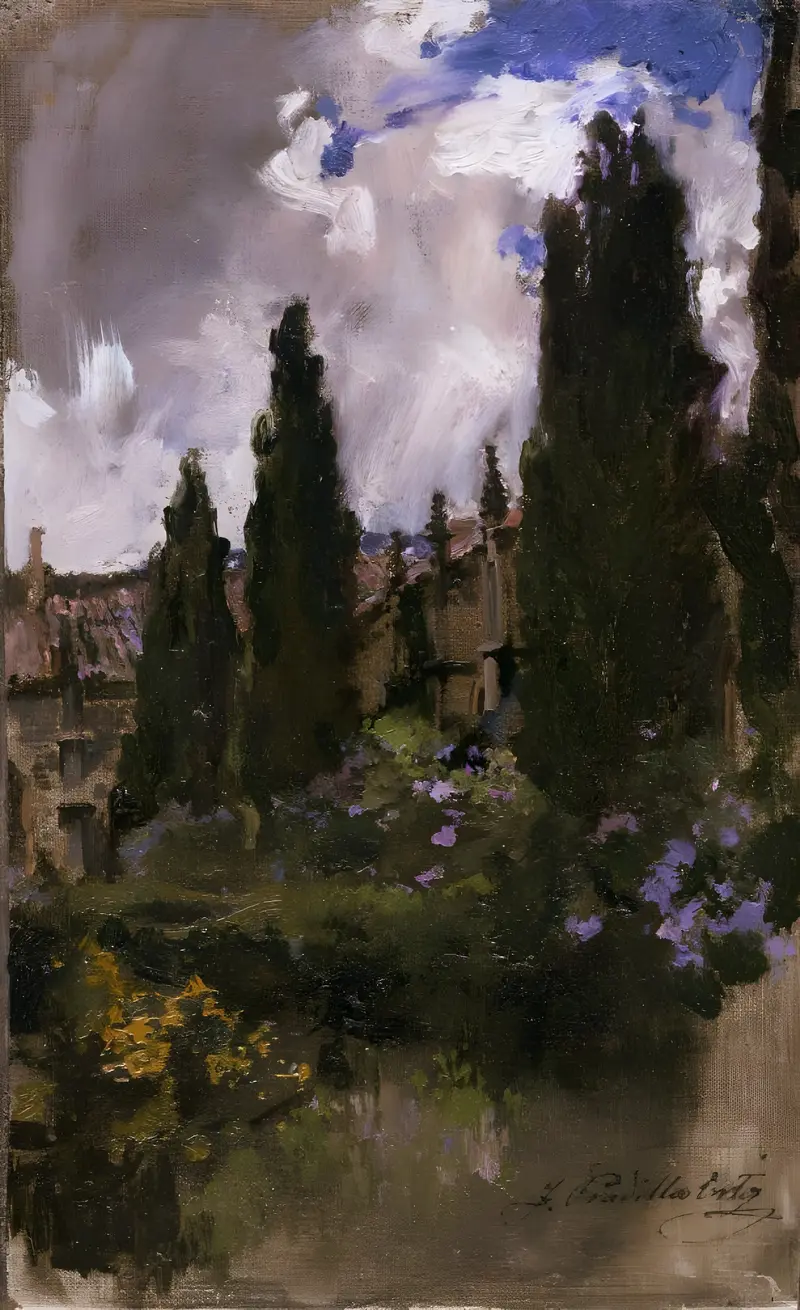
Among the Bulls of Guisando
Francisco Pradilla
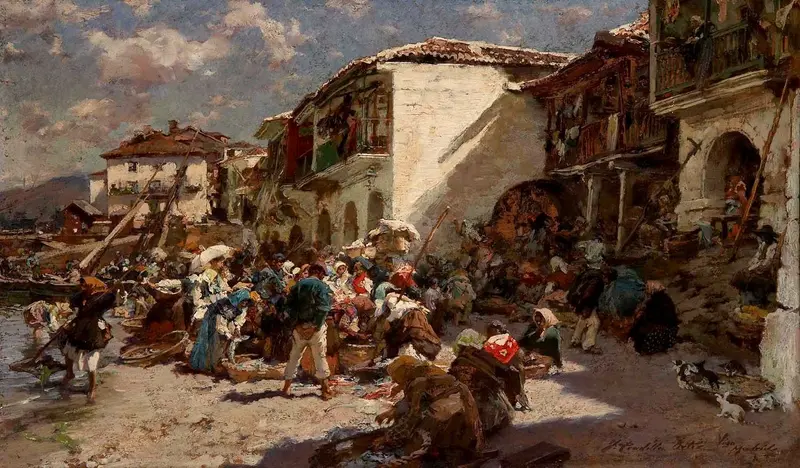
Selling Fish on Vigo Beach
Francisco Pradilla
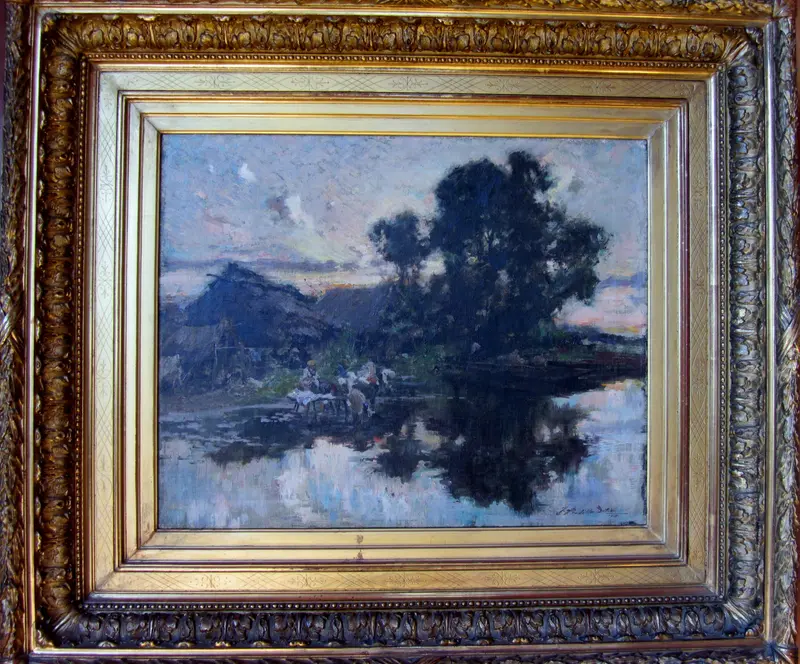
On the Riverbank
Francisco Pradilla

Raimunda Osorio, Marchioness of Linares
Francisco Pradilla
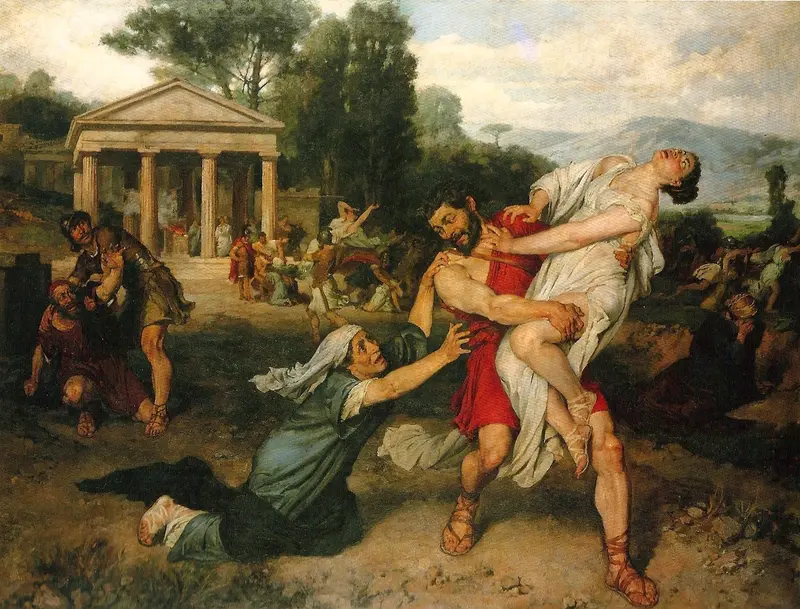
The Rape of the Sabine Women
Francisco Pradilla
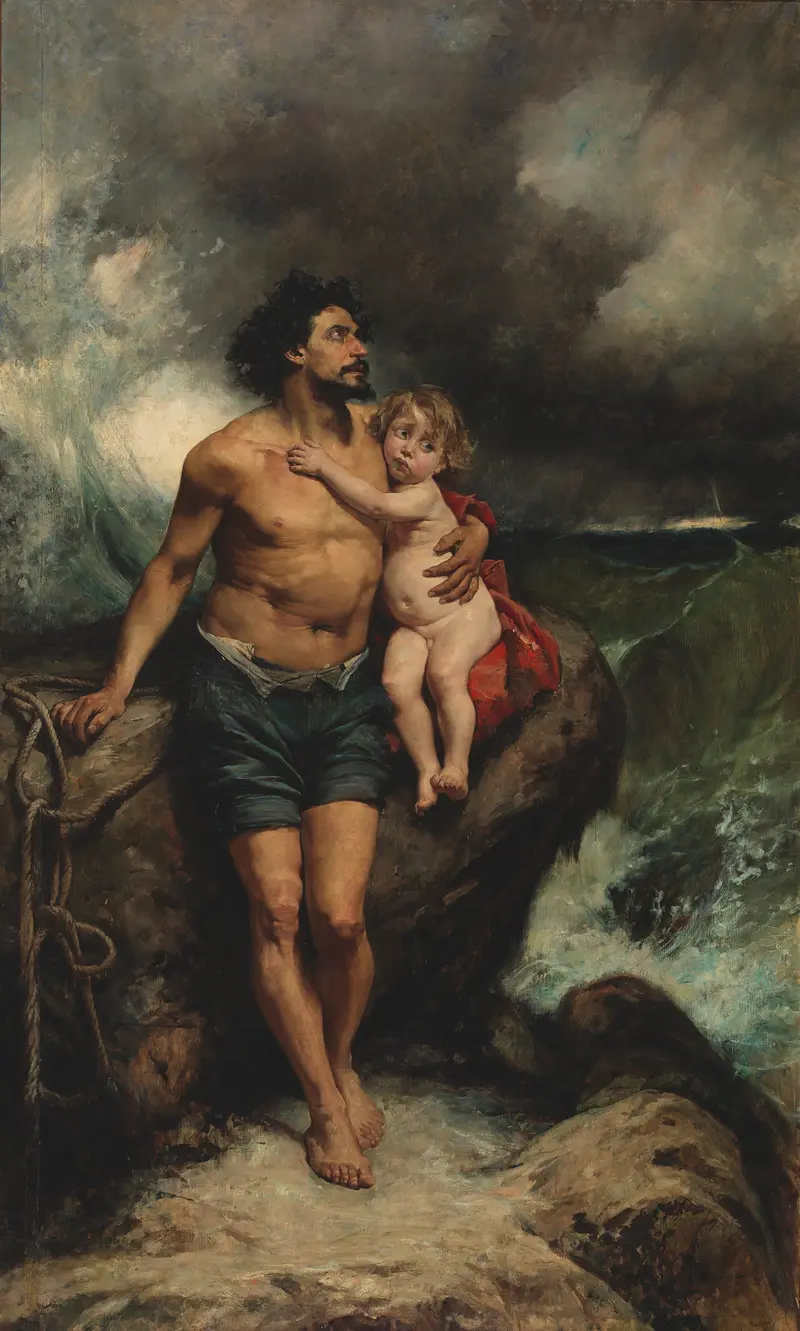
The Shipwrecked
Francisco Pradilla
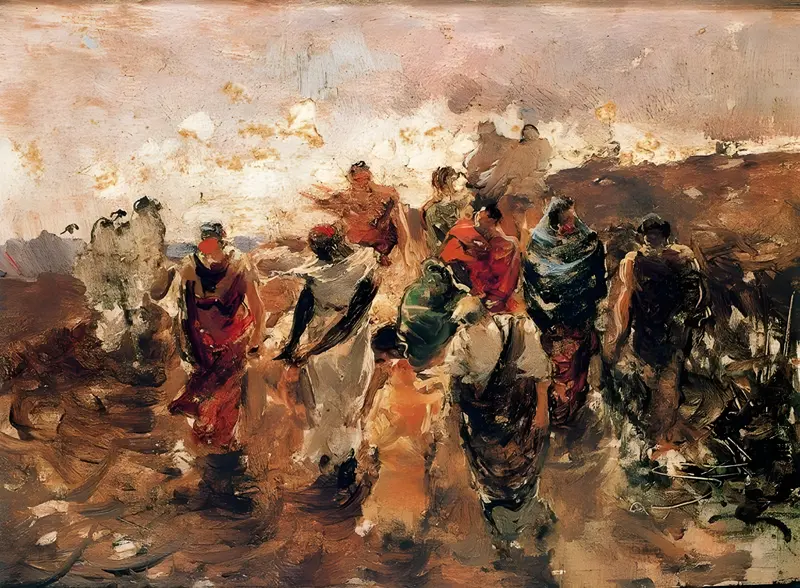
Impression
Francisco Pradilla
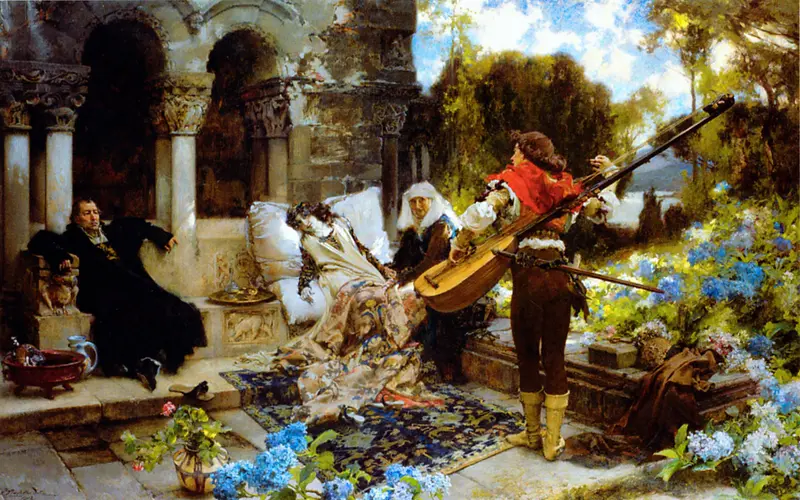
Lovesickness
Francisco Pradilla
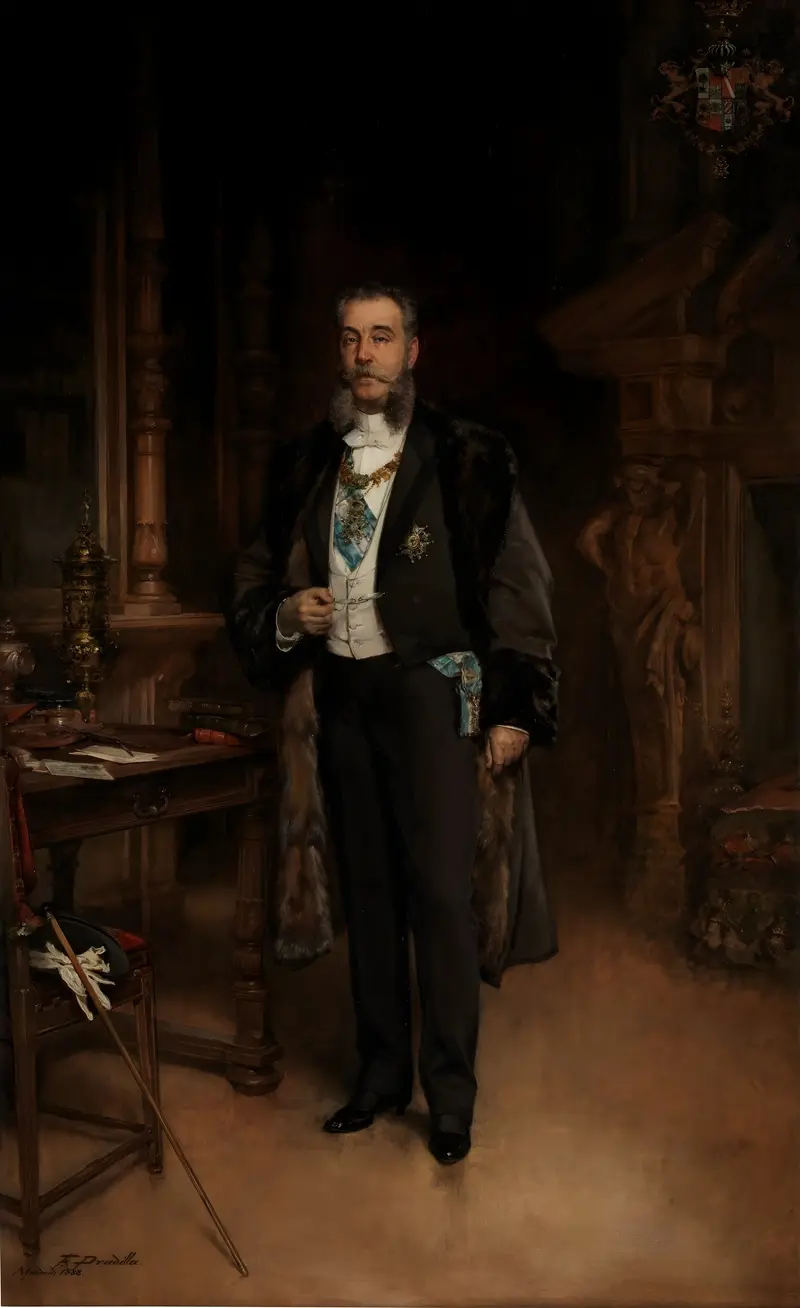
José María de Murga, Marquis of Linares
Francisco Pradilla



