
Torse du Printemps Maillol Orsay 2 — History & Facts
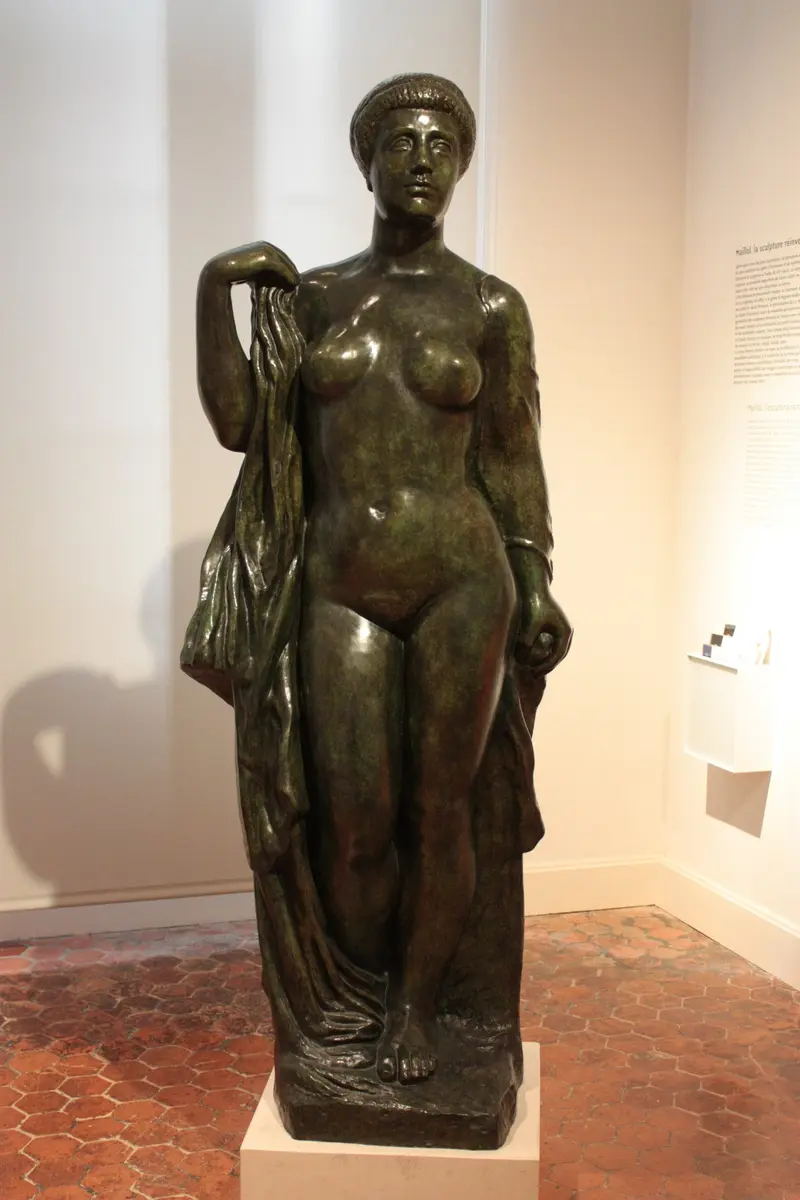
What first draws the eye in Torse du Printemps Maillol Orsay 2 is the quiet confidence of its stance—an upright, almost serene torso, headless and armless, yet unmistakably alive with a sense of poised balance. The sculpture’s rounded forms and gentle curves invite the viewer to trace the subtle transitions of muscle and flesh, the way the weight shifts onto one leg, the tender arch of the foot. Light glides across the polished surface, accentuating the fullness of the hips and the firmness of the abdomen, while the absence of limbs and head focuses attention on the essential, almost abstracted, vitality of the human body.
The pose is neither rigid nor slack: it suggests a moment of stillness, as if the figure is pausing in the midst of a slow, graceful movement. Created by Aristide Maillol sometime between 1902 and 1921, this work belongs to a period when artists across Europe were rethinking the classical nude. Where earlier sculptors might have chased dramatic gesture or overt narrative, Maillol’s figures are known for their calm introspection and harmonious proportions. Such torsos, often commissioned for public or private admiration, reflected a new appreciation for the body as a vessel of quiet strength rather than turbulent emotion.
History has kept few traces of the individual journeys of works like this, but its presence in a modern collection invites us to look again—at the ways artists of the early twentieth century found new beauty in ancient forms, and at how much can be said with so little.
More Artworks by Aristide Maillol

Paysage à Banyuls
Aristide Maillol
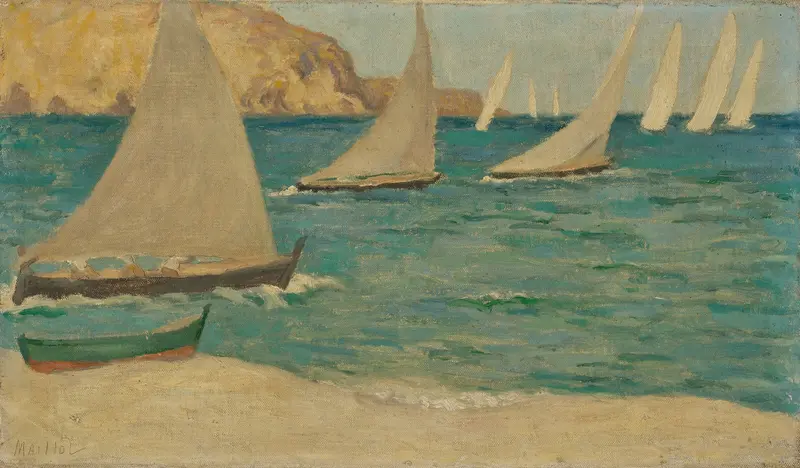
Les Régates
Aristide Maillol
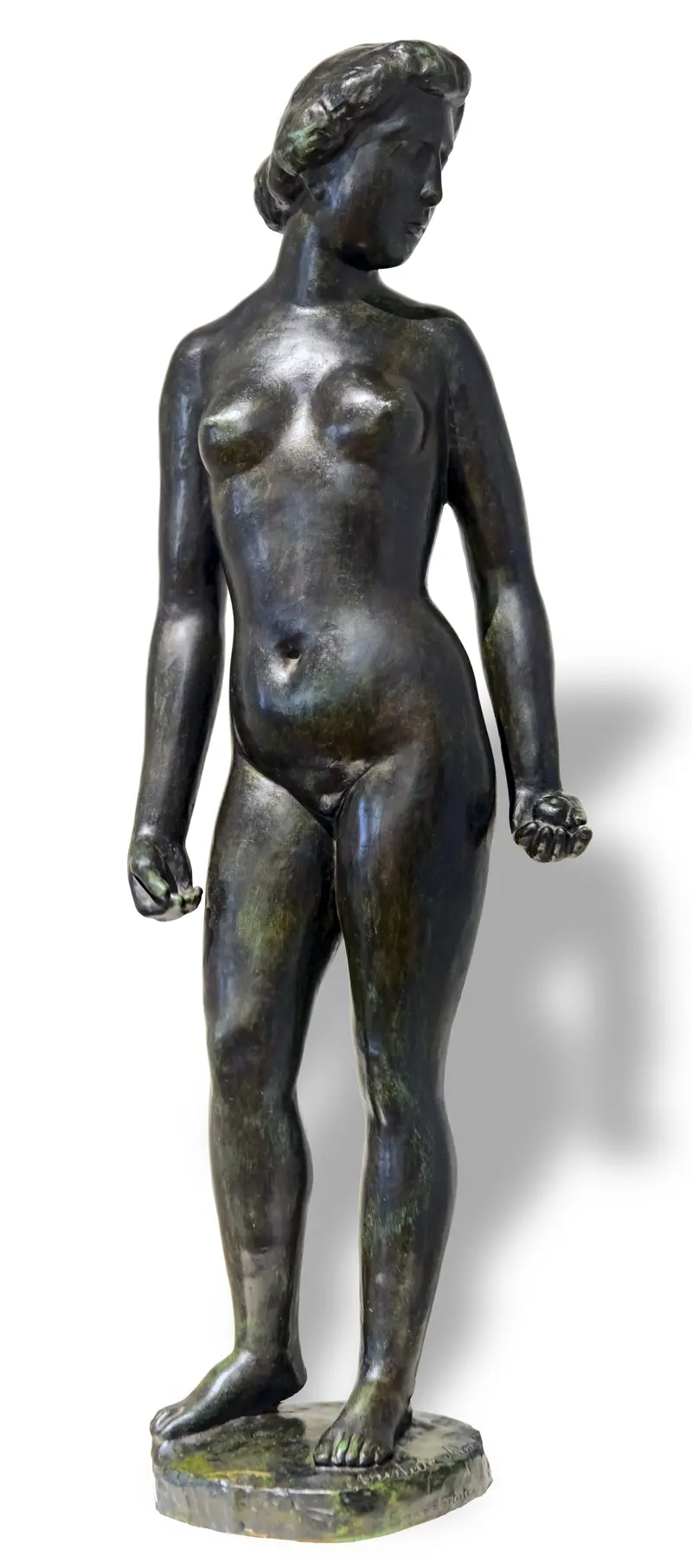
Eve with the Apple
Aristide Maillol
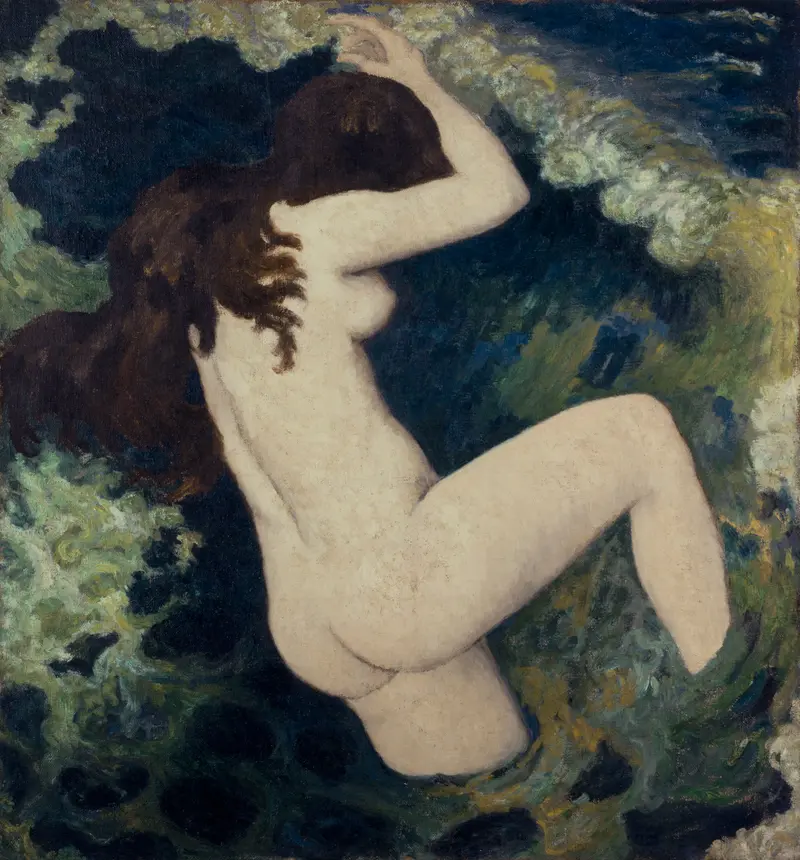
La vague
Aristide Maillol
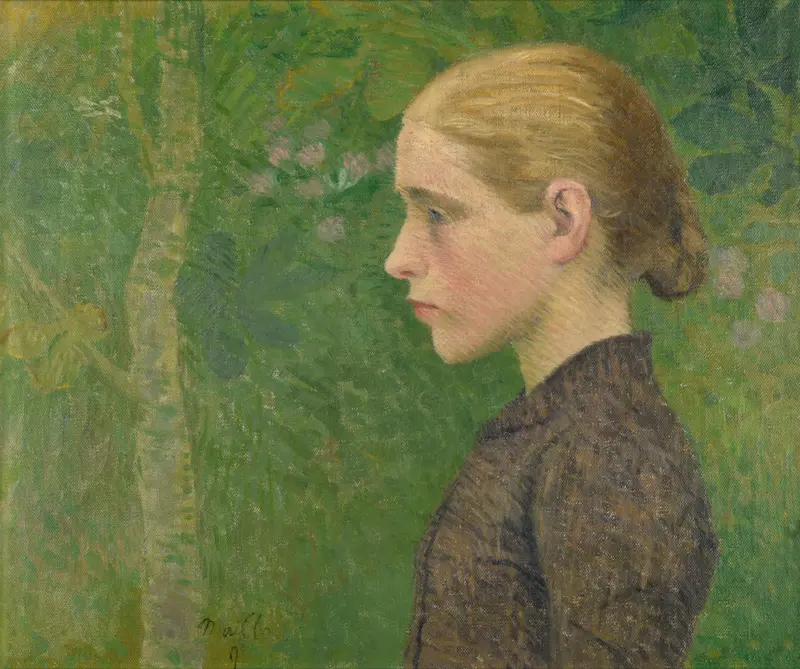
Jeune paysanne en buste
Aristide Maillol
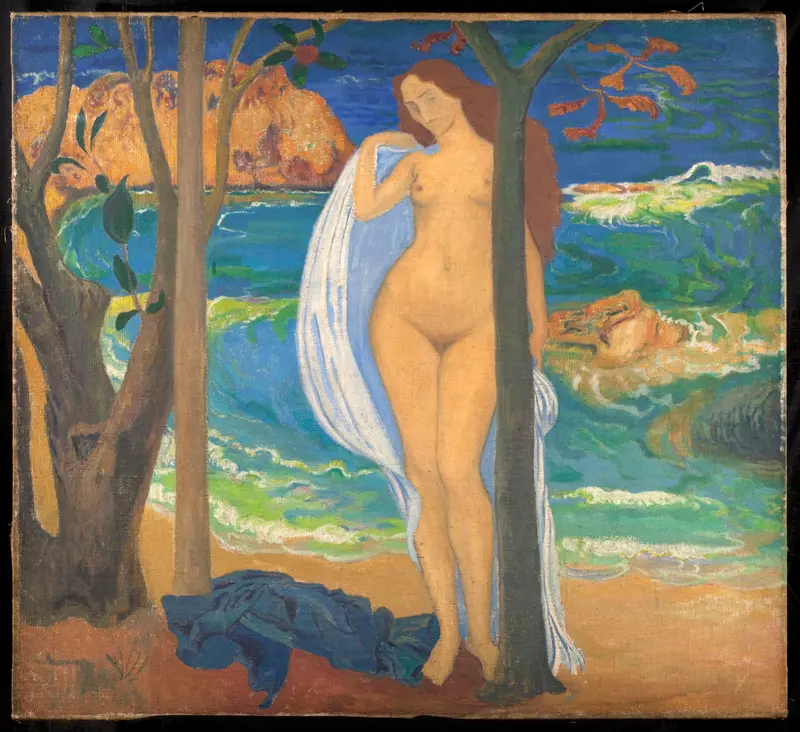
Méditerranée
Aristide Maillol
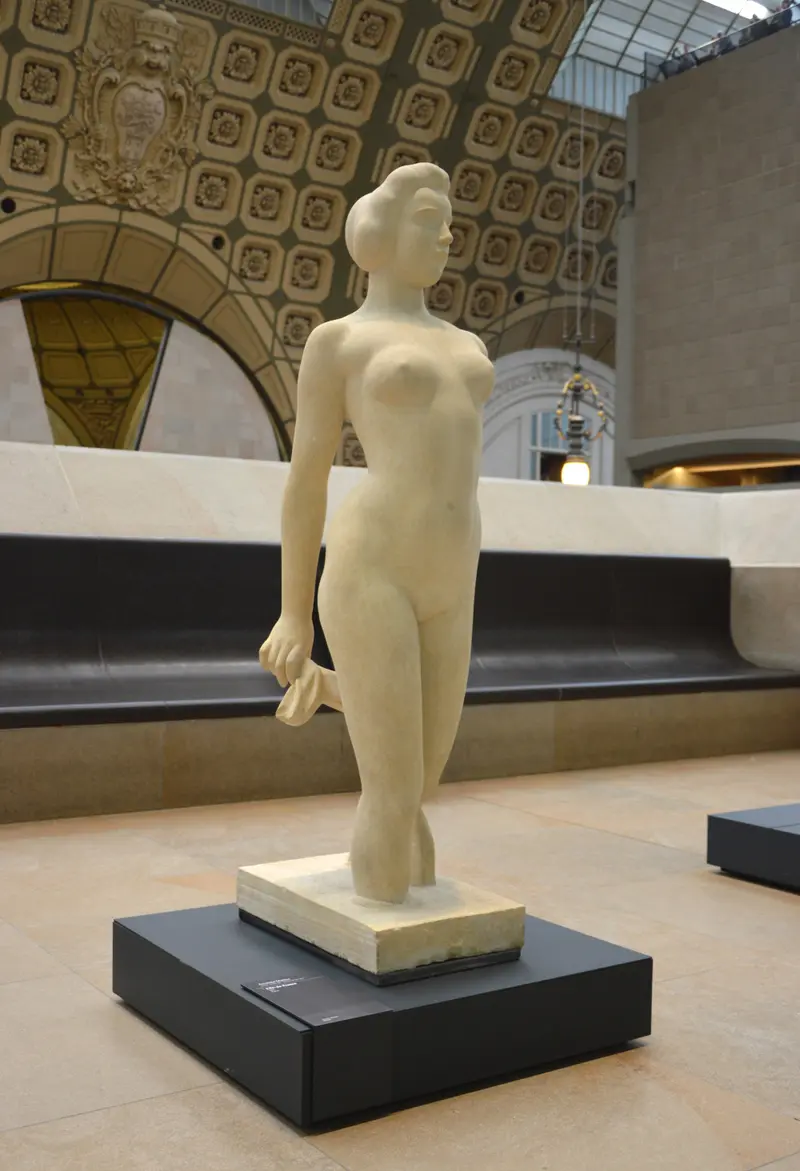
Ile de France
Aristide Maillol
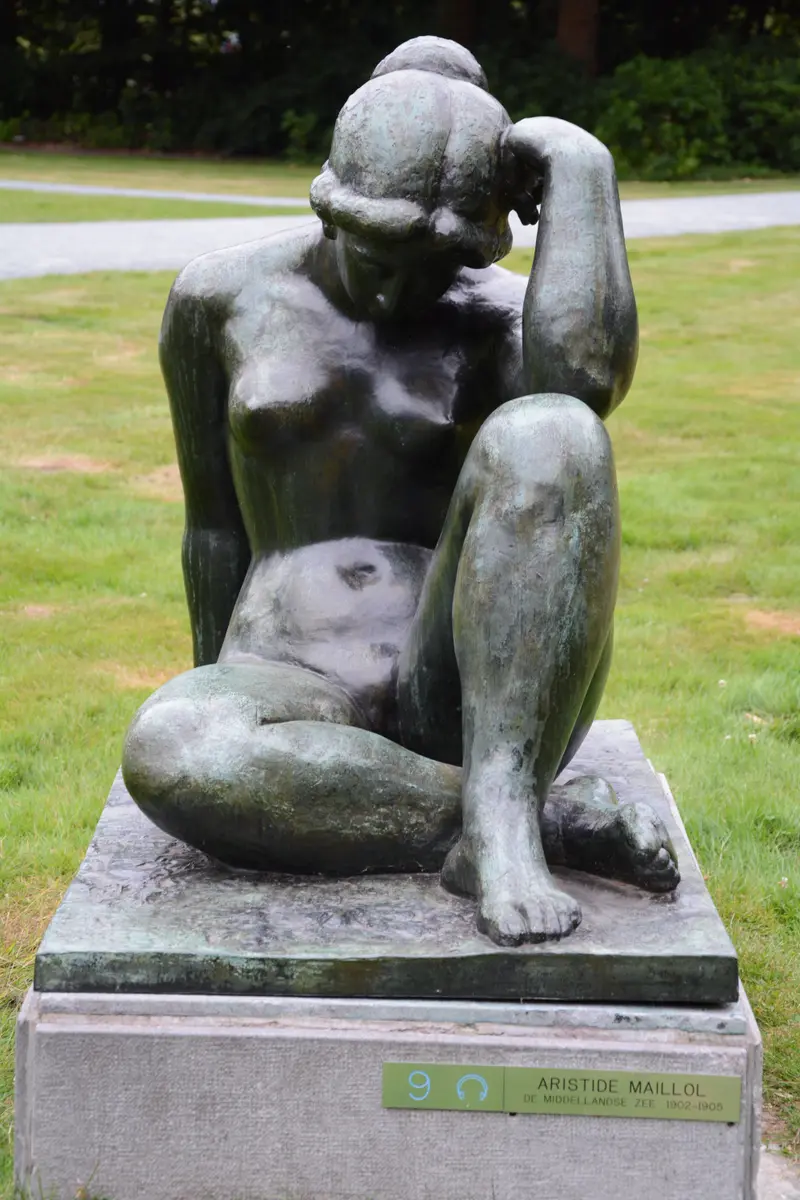
La Méditerranée
Aristide Maillol
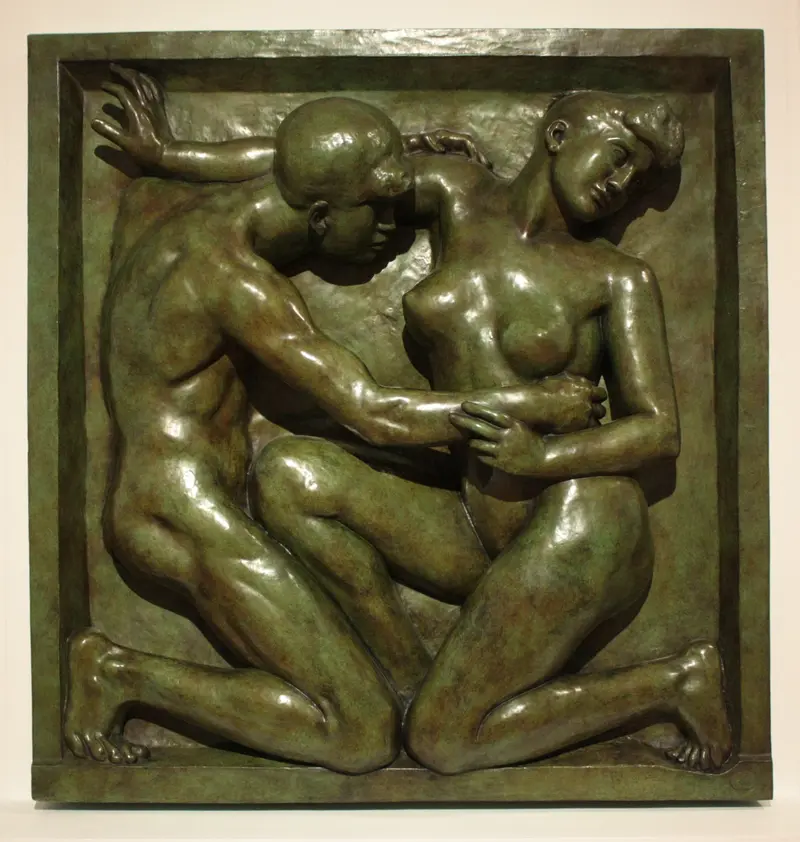
Le Désir
Aristide Maillol
La Baigneuse drapée by Aristide Maillol
Aristide Maillol



