
Tour en ruine — History & Facts
What secret hides in the quiet of the canvas? In Tour en ruine, serenity envelops the viewer, inviting contemplation of nature’s gentle embrace and the remnants of human creativity. Focus on the soft hues that fill the landscape, where muted greens and tranquil blues blend seamlessly. The crumbling tower stands proudly against a backdrop of lush trees, drawing your gaze toward its weathered stones, telling tales of time. Notice how the light delicately kisses the foliage, creating a dappled effect that dances across the ground, infusing the scene with a calm vibrancy.
The brushwork is both fluid and precise, capturing the essence of decay and renewal within the same breath. Yet, hidden beneath this serene exterior lies a profound contrast. The ruin speaks to the passage of time, a reminder of human fragility against nature's enduring strength. The encroaching greenery envelops the tower, suggesting rebirth even in decay—a juxtaposition of life and death that echoes the inevitability of change.
Each detail, from the moss creeping along the stones to the soft shadows beneath the trees, contributes to a narrative that is both poignant and reflective. In 1862, when this work was created, Harpignies was deeply influenced by the Barbizon school, which championed the beauty of rural landscapes. He was in the midst of establishing his career, turning towards plein air painting to capture the subtleties of light in nature. This period marked a significant shift in his artistic focus, aligning with a broader movement that valued the emotional resonance of the natural world, setting the stage for the Impressionist wave that was soon to follow.
More Artworks by Henri-Joseph Harpignies
Browse all →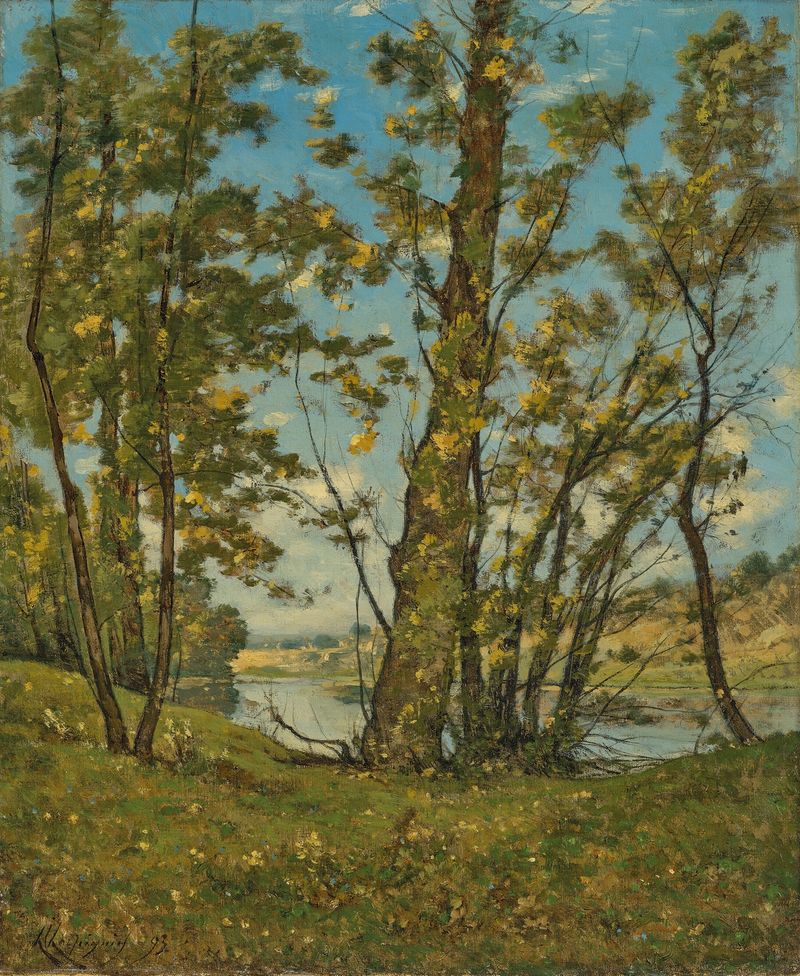
La Loire à Bonny
Henri-Joseph Harpignies
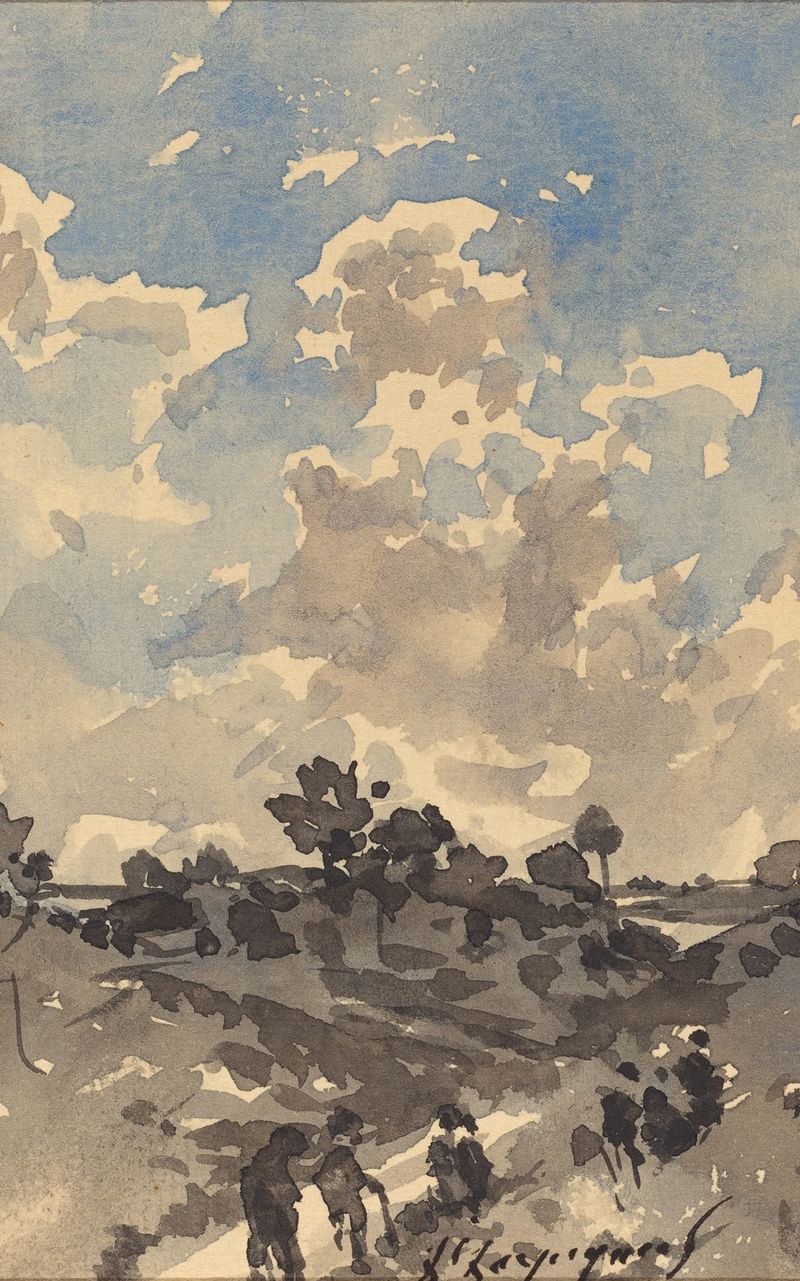
A Landscape with Figures Walking along a Path
Henri-Joseph Harpignies
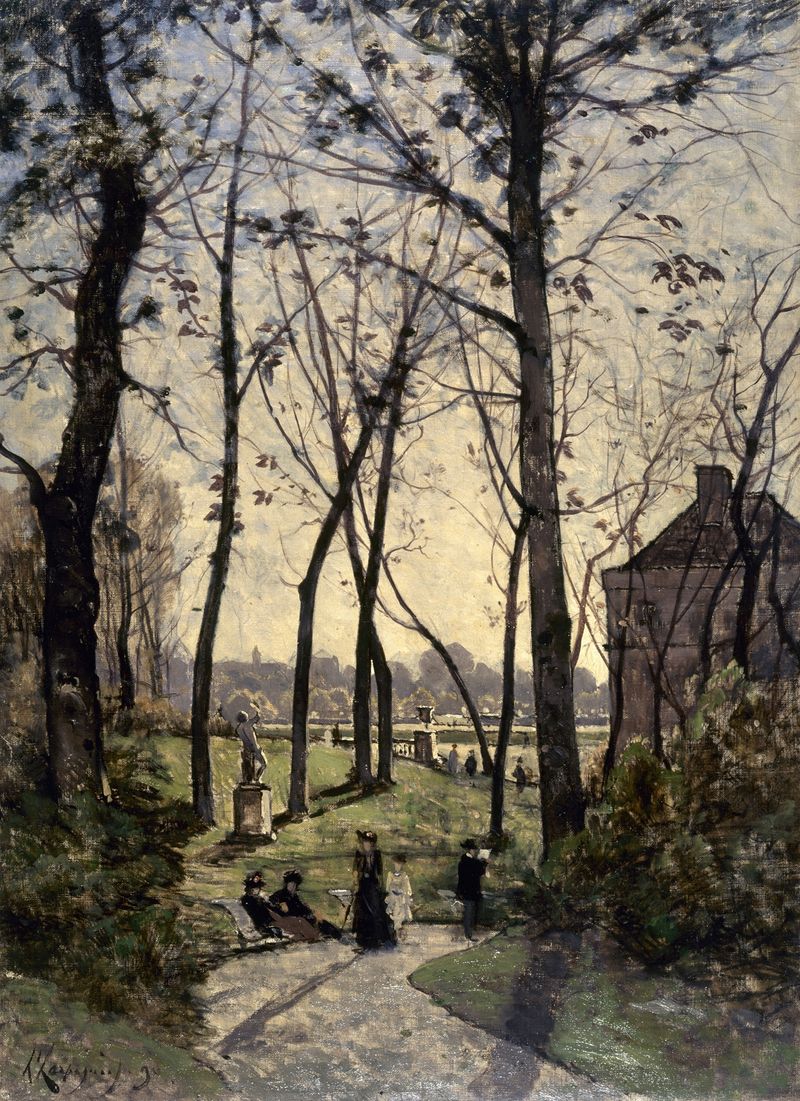
Le jardin du Luxembourg
Henri-Joseph Harpignies
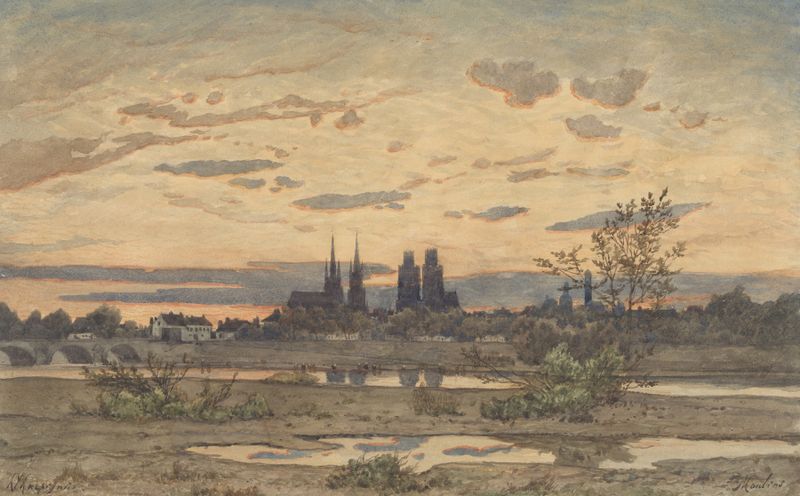
A View of Moulins
Henri-Joseph Harpignies
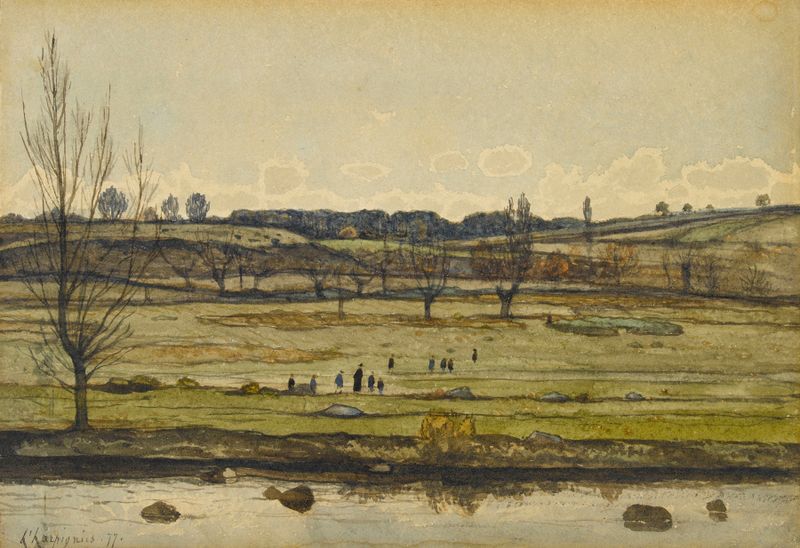
Paysage
Henri-Joseph Harpignies
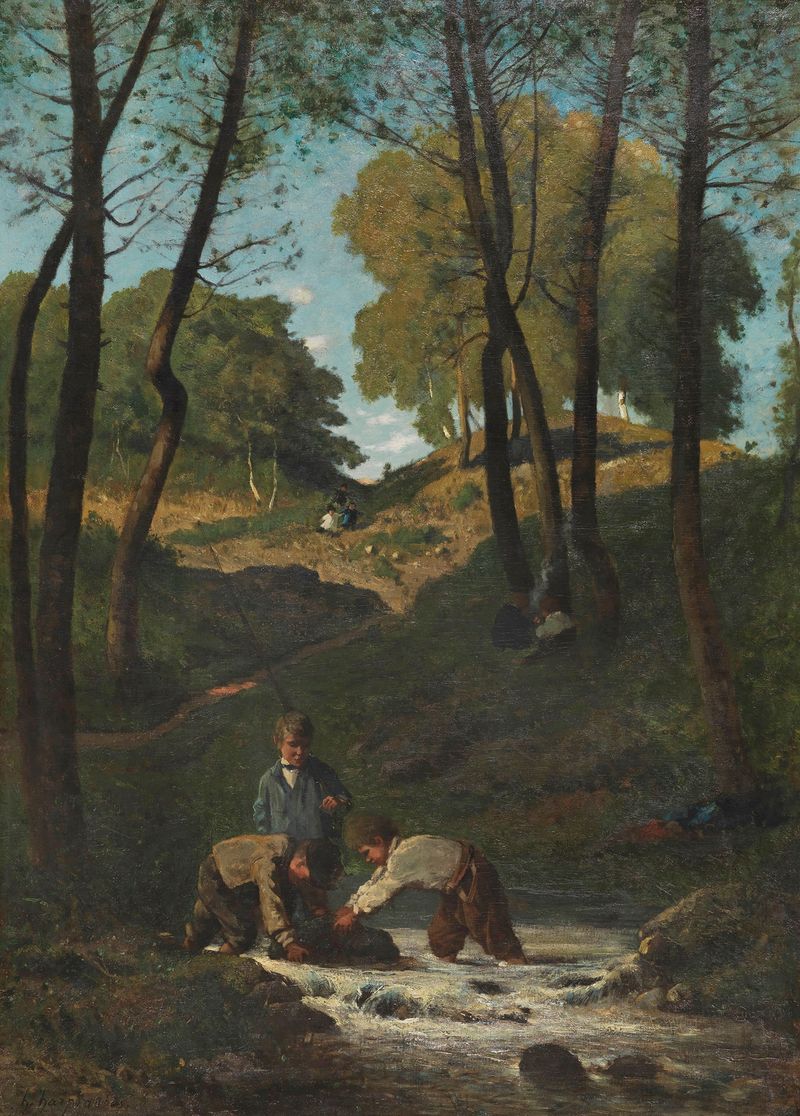
Chercheurs d’écrevisses
Henri-Joseph Harpignies
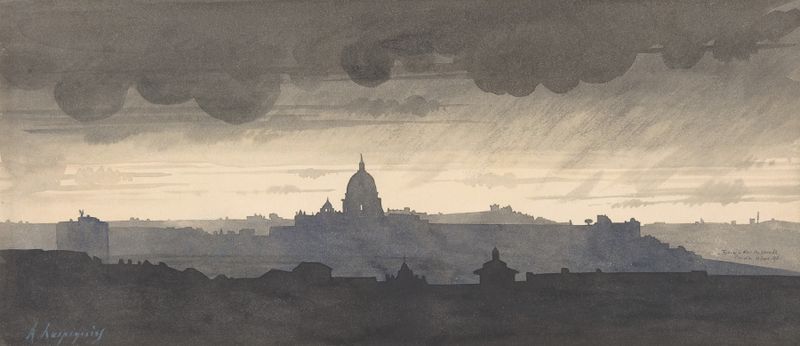
Saint Peter’s Seen From the Pincio, Rome
Henri-Joseph Harpignies
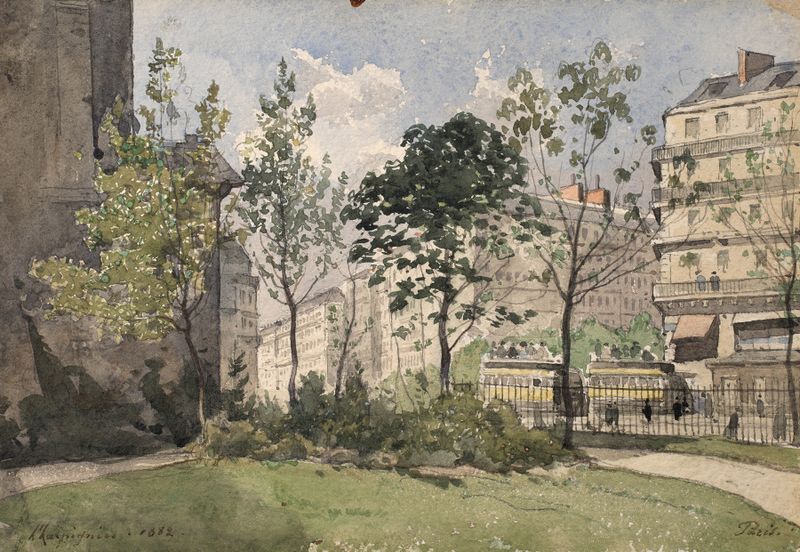
View of the forecourt of the Saint-Germain-des-Prés church
Henri-Joseph Harpignies
Le Colisée à Rome
Henri-Joseph Harpignies

Villefranche
Henri-Joseph Harpignies





