
Trabaccoli carrying wood, San Giorgio Maggiore and the Dogana beyond — History & Facts
In the quiet embrace of stillness, the yearning for connection and understanding pulses beneath the surface of this artwork. Focus your gaze on the sweeping expanse of water that dominates the composition, its gentle ripples mirroring the delicate interplay of light and shadow. Notice how the muted tones of the sky blend seamlessly with the earthy colors of the boats, leading your eyes to the figures laboring diligently amid the boats, their gestures infused with both purpose and fatigue. The faint outlines of San Giorgio Maggiore and the Dogana stand vigil in the background, their architectural grace anchoring the scene while infusing it with a sense of historical grandeur. The contrasting elements at play draw attention to the tension between nature and human endeavor.
The serene backdrop of Venice's iconic structures contrasts sharply with the toil of the trabaccoli; these humble vessels symbolize the relentless pursuit of livelihood, evoking both admiration and empathy. Furthermore, the slight haze enveloping the horizon hints at a world beyond the physical, a metaphor for aspirations that reach beyond the quotidian struggles captured here. In 1859, Edward William Cooke painted this piece during his time in Venice, a city that inspired numerous artists with its unique charm and light. At this juncture in his career, Cooke was exploring maritime themes, reflecting a personal commitment to capturing the spirit of daily life by the water's edge, as Europe grappled with rapid industrial change and the shifting tides of modernity.
More Artworks by Edward William Cooke
Browse all →
Demolition of the Great or Chapel Pier of Old London Bridge
Edward William Cooke

New London Bridge from Billingsgate
Edward William Cooke
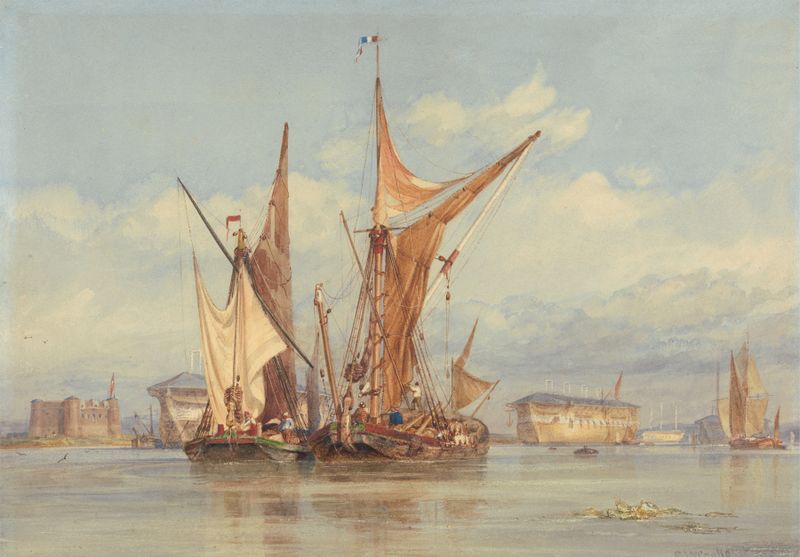
Bomb Proof Battery near Gillingham, on the Medway….
Edward William Cooke
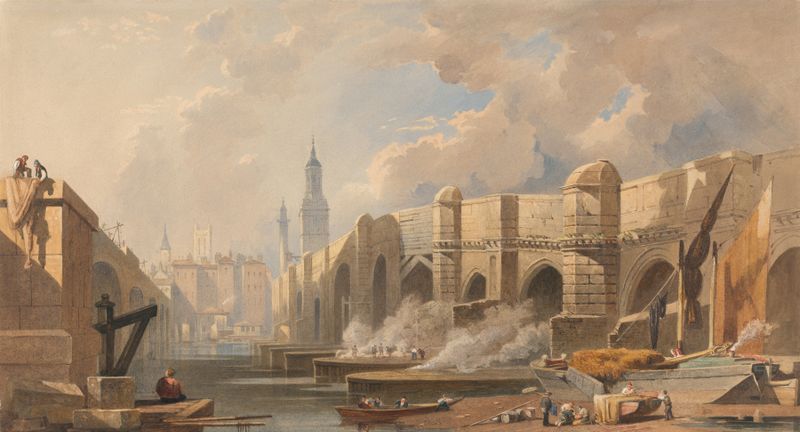
Old and New London Bridge
Edward William Cooke
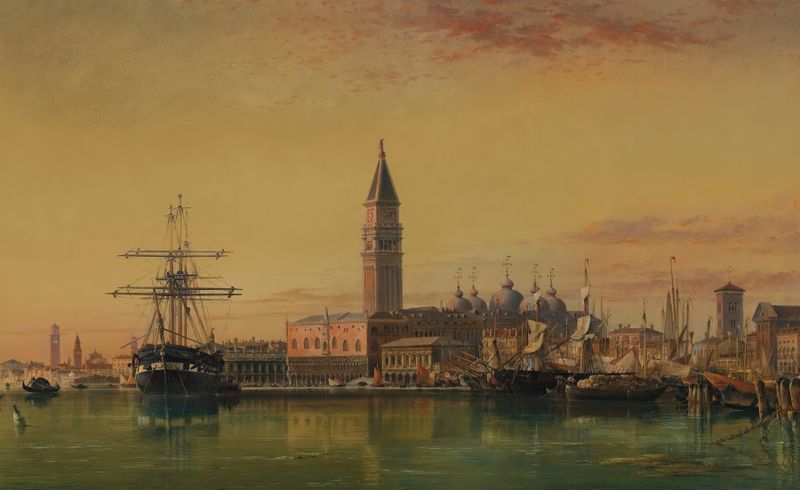
Venice
Edward William Cooke

Bridge of Sighs, Venice
Edward William Cooke

Off the Needles, Isle of Wight
Edward William Cooke
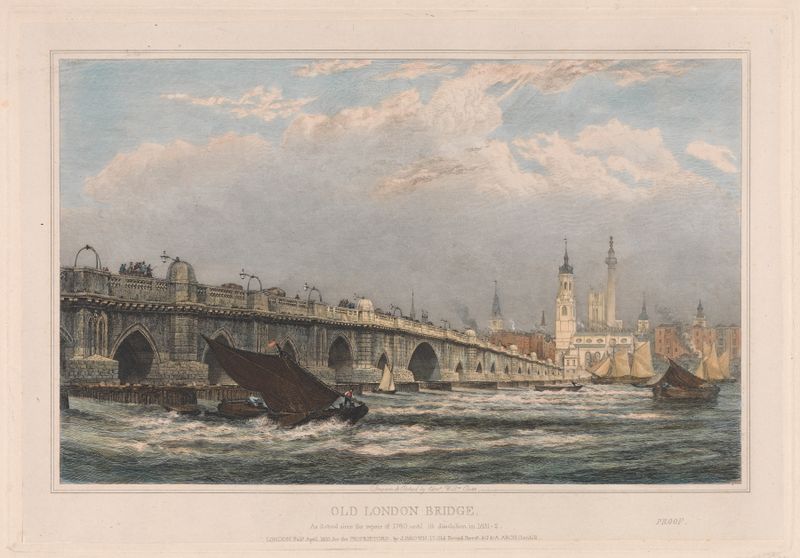
Old London Bridge after the Repair of 1700 until 1831
Edward William Cooke

The Old and New London Bridge
Edward William Cooke
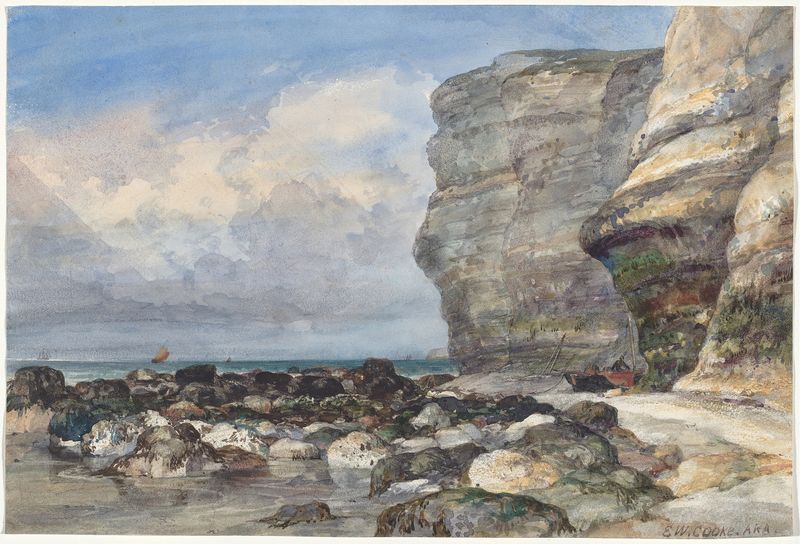
The Rocky Beach and Cliffs at Fécamp
Edward William Cooke





