
Transfiguration of Christ — History & Facts
In the mid-fifteenth century, a young Giovanni Bellini tackled the theme of Christ’s Transfiguration—a subject that would become central to Venetian painting—at a time when his own artistic identity was still forming. This early Transfiguration of Christ, dated to around 1455, is among the very first known treatments of the scene in Venetian art, and its authorship was once hotly debated, with some attributing it to Andrea Mantegna, Bellini’s brother-in-law. The painting’s uncertain medium and somewhat experimental handling have fueled scholarly discussions for decades, marking it as a key work in tracing Bellini’s evolution from the influence of the Paduan school toward his own distinctive style. Bellini captures the pivotal moment atop Mount Tabor when Christ, flanked by Moses and Elijah, is transfigured before the apostles Peter, James, and John.
In this composition, Christ stands elevated and radiant at the center, his figure illuminated against a serene landscape, while the apostles below shield their eyes or fall to the ground in awe and fear. The rocky outcrop and the clear separation between the divine and earthly realms echo the narrative’s dual nature—revelation and mystery. Bellini’s approach is more restrained and intimate than the later, more dramatic Transfiguration by Raphael, focusing on the quiet astonishment of the witnesses rather than a theatrical display.
The soft modeling of the figures and the gentle, almost hesitant light suggest an artist still absorbing the lessons of his mentors while searching for his own visual language. The painting’s early date places it at the threshold of Bellini’s long and influential career, before the luminous color and atmospheric depth that would define his later works. Its provenance remains somewhat obscure; there is no surviving record of its original commission or early ownership, and even its current home is a matter of scholarly inference rather than documented fact. What is clear is that this Transfiguration of Christ stands as a testament to the fertile artistic exchanges in Venice and Padua during the 1450s, and to Bellini’s pivotal role in shaping the direction of Venetian Renaissance painting.
Today, the work is valued not only for its subject but also as a rare window into the formative years of one of the Renaissance’s most influential painters.
More Artworks by Giovanni Bellini
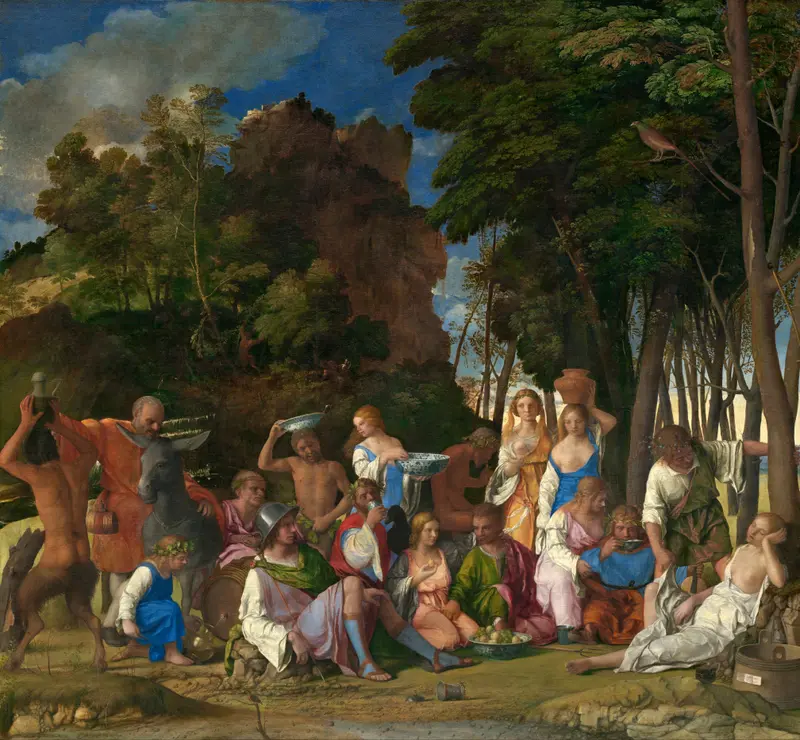
The Feast of the Gods
Giovanni Bellini

Madonna and Child enthroned with Saints and Angels
Giovanni Bellini
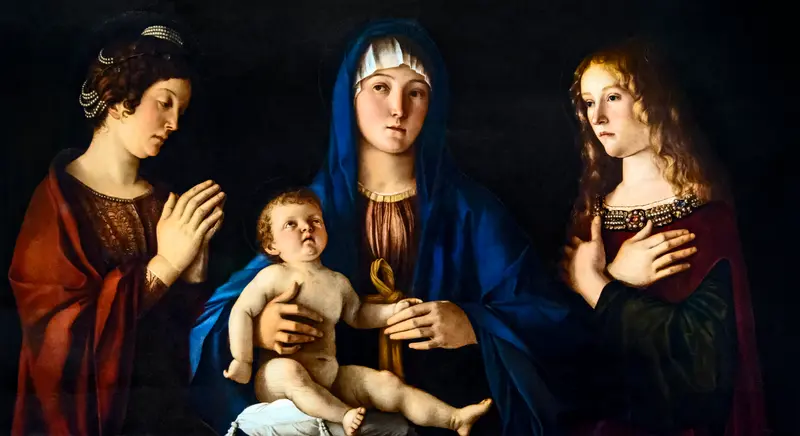
Madonna and Child between Saints Catherine and Mary Magdalene
Giovanni Bellini
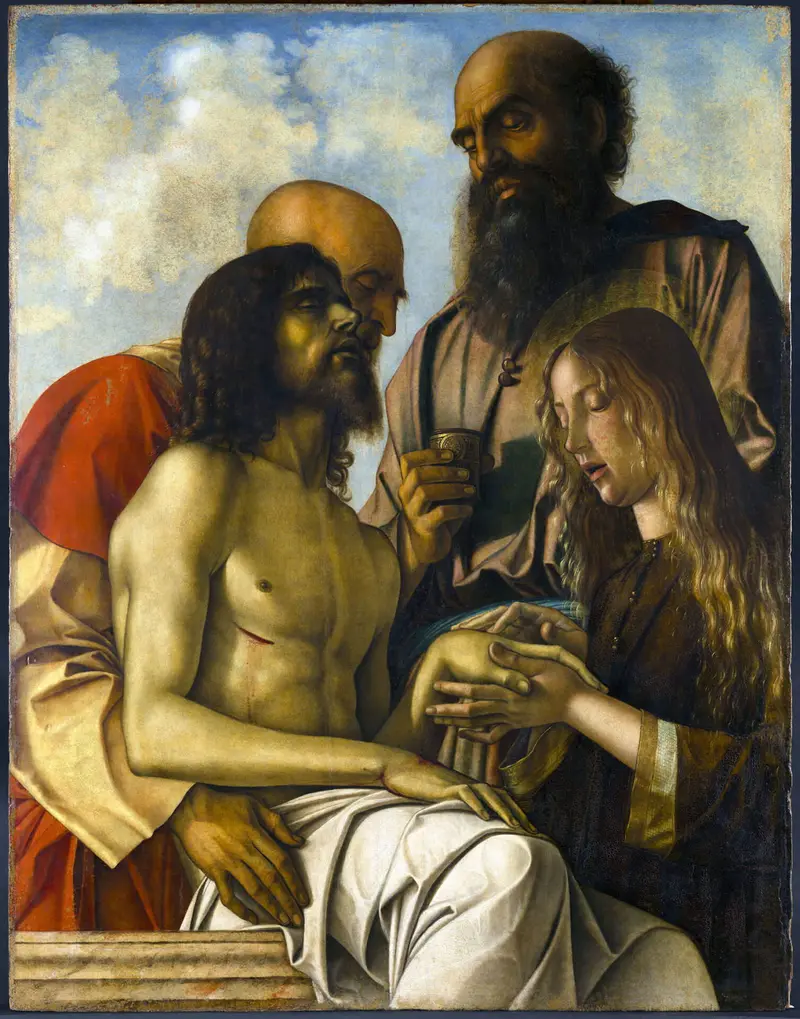
Lamentation over the Dead Christ
Giovanni Bellini
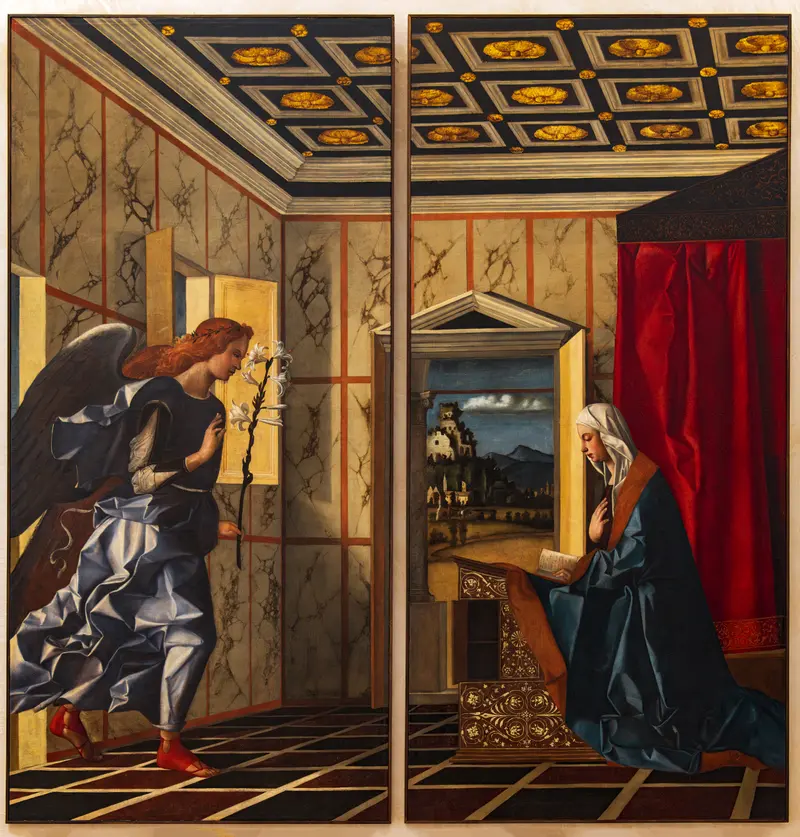
Annunciation
Giovanni Bellini
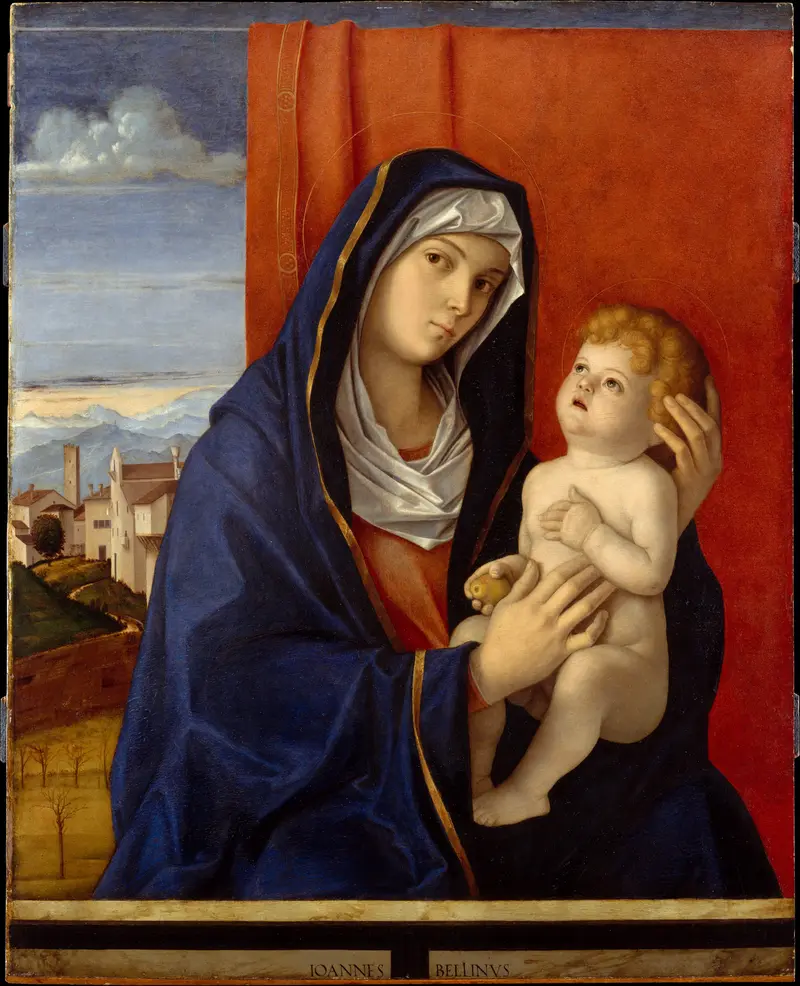
Madonna and Child
Giovanni Bellini
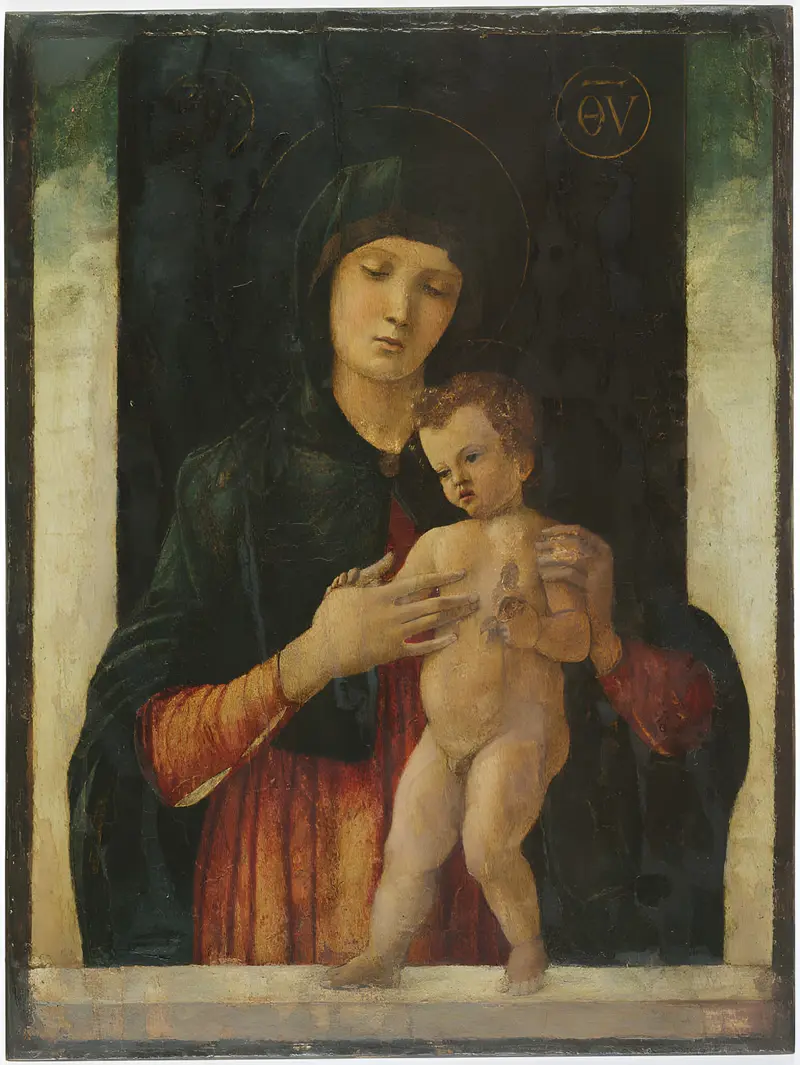
The Virgin and Child
Giovanni Bellini
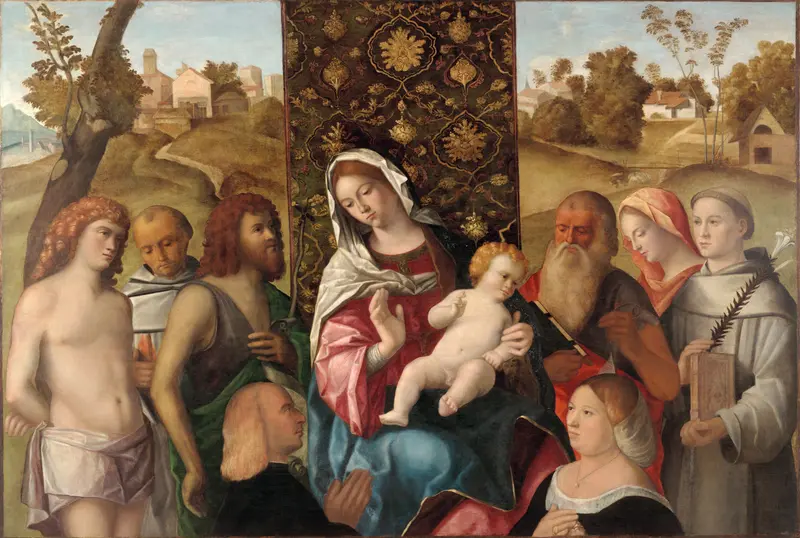
Virgin and Child with Saints Sebastian, Francis, John the Baptist, Jerome, an unidentified female saint, Saint Anthony of Padua and two donors
Giovanni Bellini
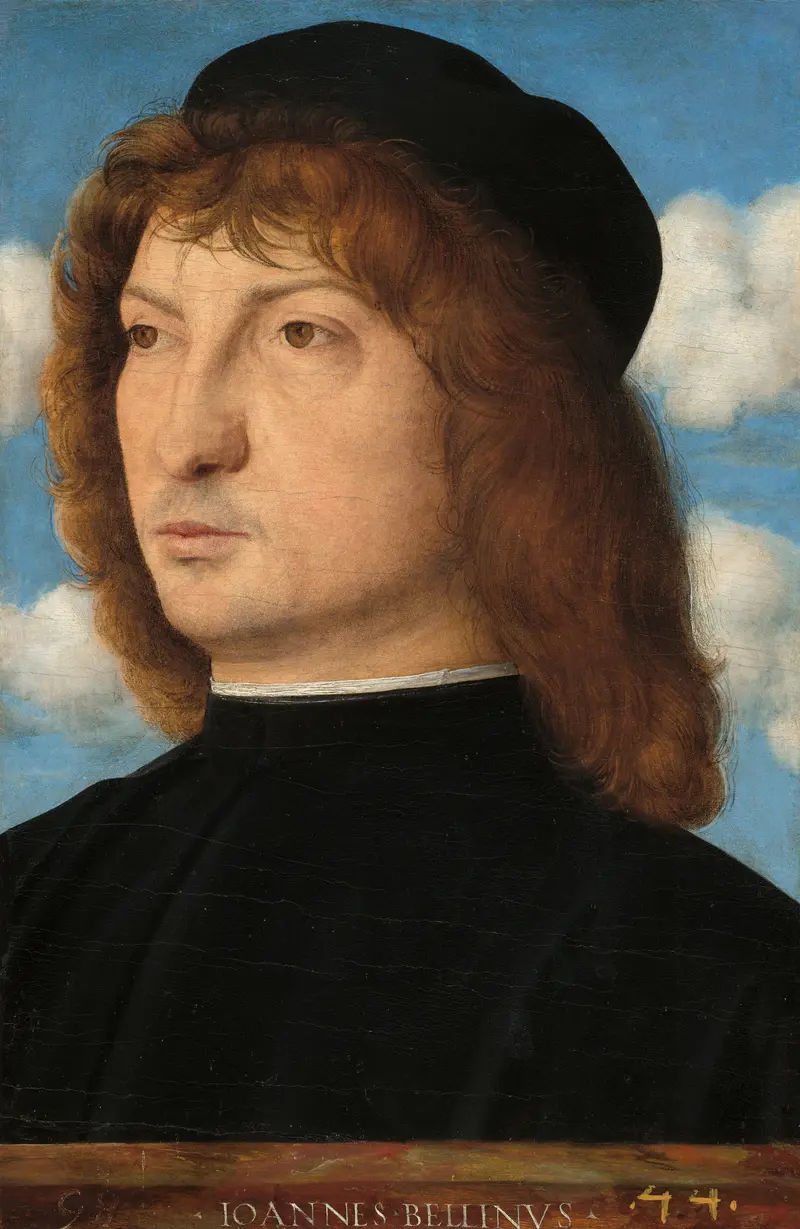
Portrait of a Venetian Gentleman
Giovanni Bellini
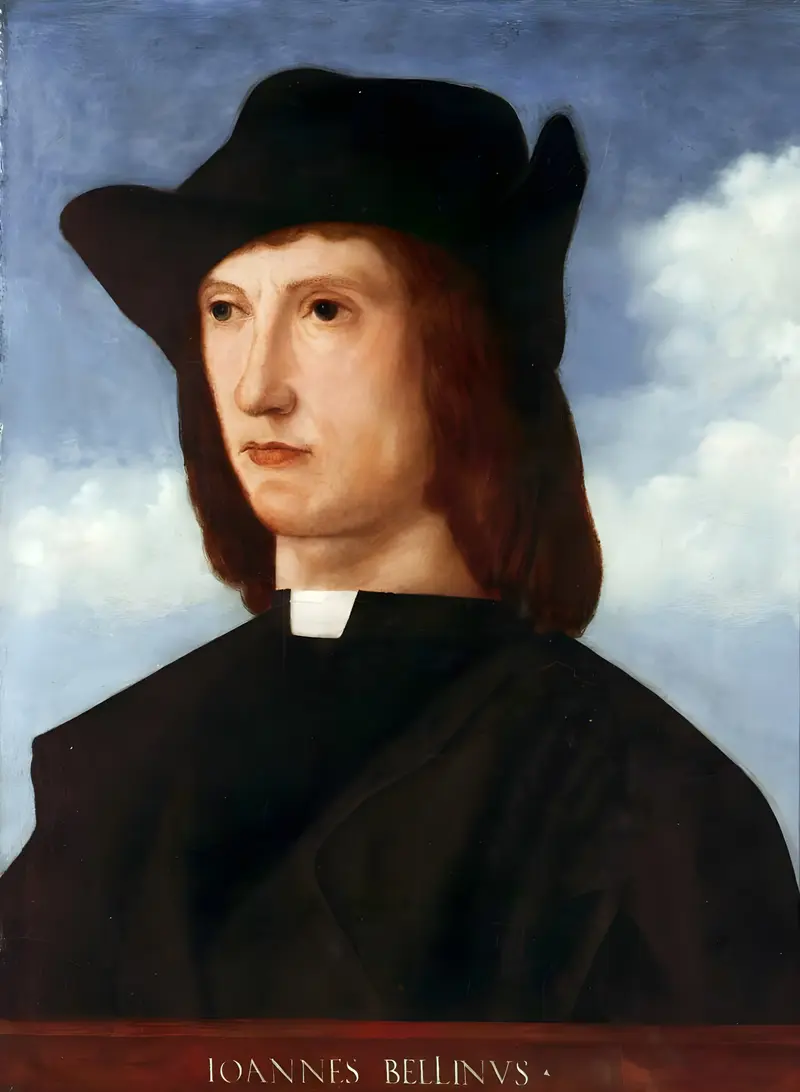
Portrait of a Young Man
Giovanni Bellini





