
Tree in the countryside — History & Facts
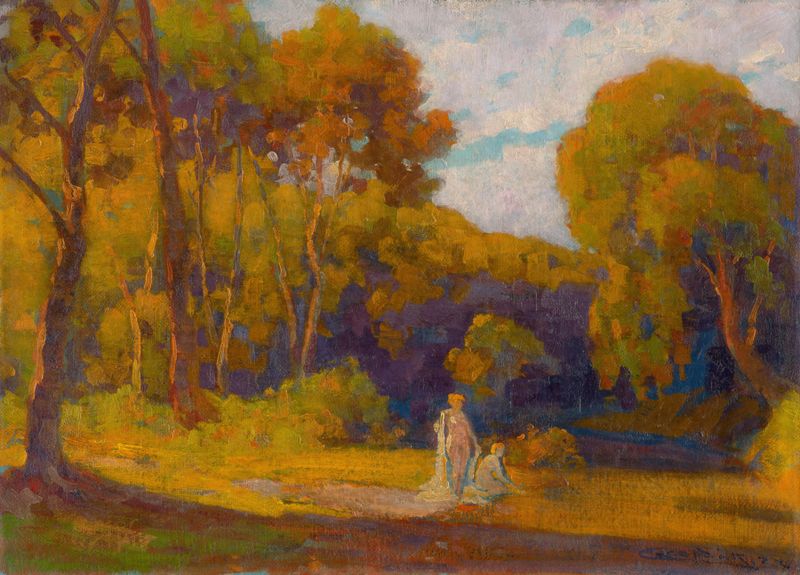
When did color learn to lie? The vivid hues of green and gold seem to whisper secrets of a forgotten past, inviting nostalgia into the heart of the observer. Look to the center of the canvas, where a solitary tree stands resolute against a backdrop of rolling hills. The artist employs soft brush strokes to create a gentle texture that evokes the wind’s subtle caress. Notice how the sunlight filters through the leaves, casting dapples of warmth on the ground.
The interplay of light and shadow invites you to step into this tranquil landscape, where time seems to stand still. Yet, beneath the serenity lies a poignant contrast. The tree, while vibrant and alive, symbolizes resilience amid a shifting world. The golden fields surrounding it hint at both abundance and the inevitability of change, mirroring the passage of time.
The colors, rich yet mournful, tug at the heartstrings, suggesting memories that cling to the landscape, even as they fade. Created in 1902, this work emerged during a period of transformation in Central Europe, as artists began to explore new expressions of identity and connection to nature. At this time, Čordák was deeply influenced by the burgeoning movement of Impressionism, which sought to capture fleeting moments of beauty. This painting reflects his desire to combine realism with an emotional depth, embodying the spirit of a landscape that holds both personal significance and universal resonance.
More Artworks by Ľudovít Čordák
Browse all →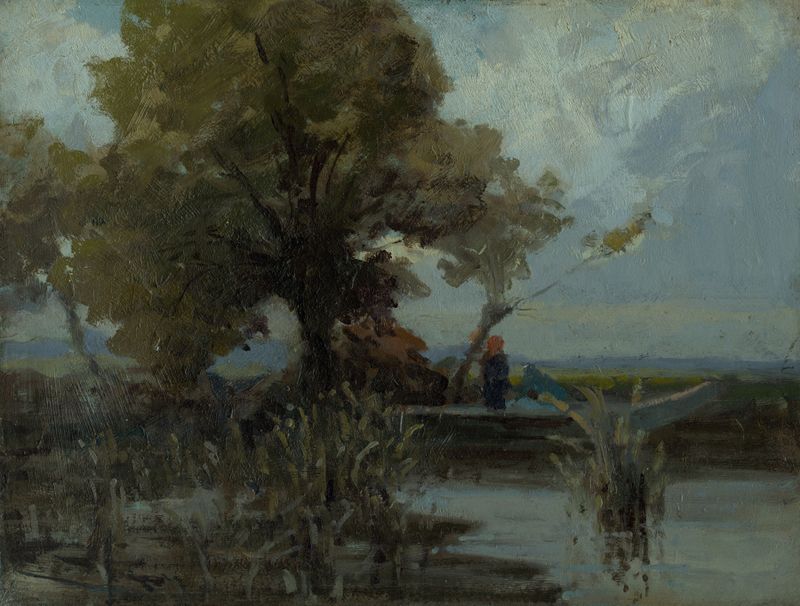
Košatý strom pri jazere
Ľudovít Čordák
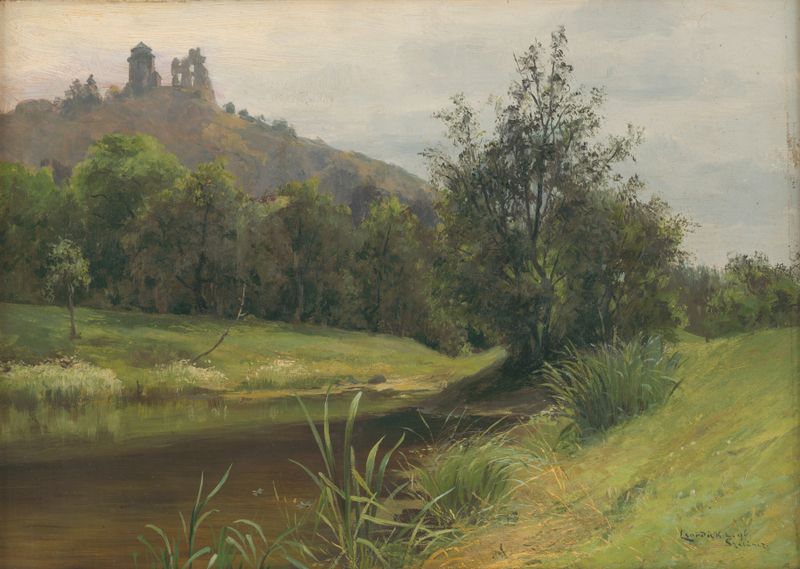
Močarina pod Slaneckým hradom
Ľudovít Čordák
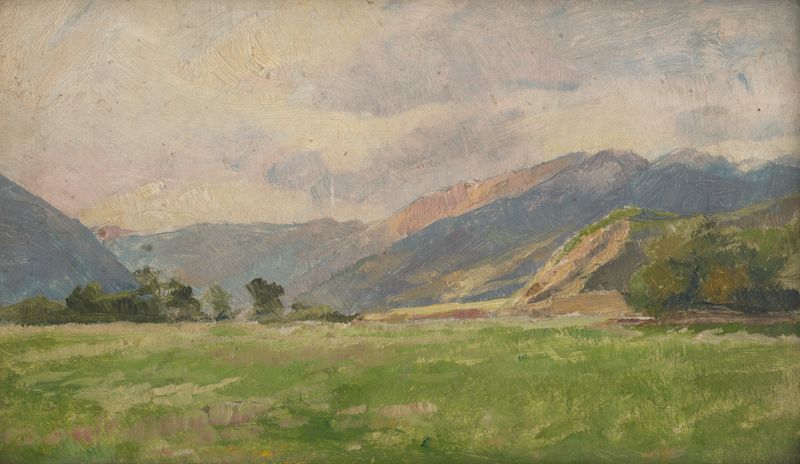
Mountain Meadow
Ľudovít Čordák
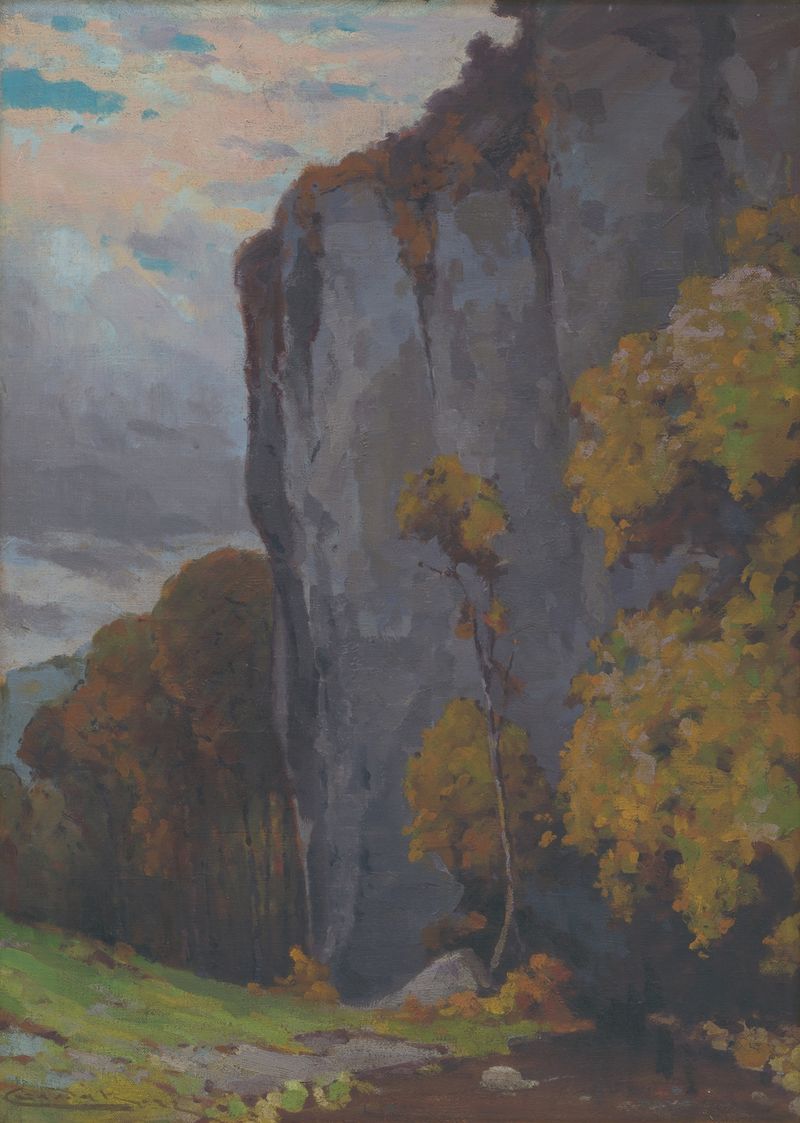
Zádiel
Ľudovít Čordák
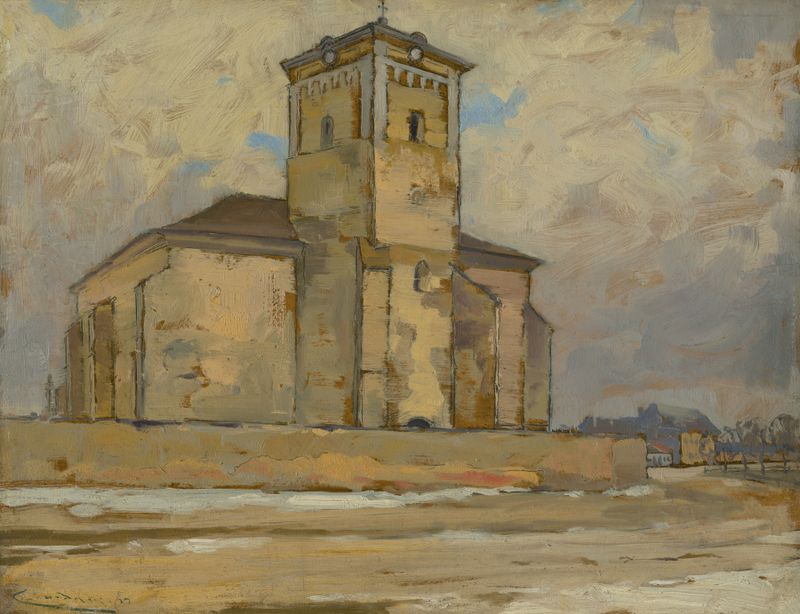
Church in Moldova
Ľudovít Čordák
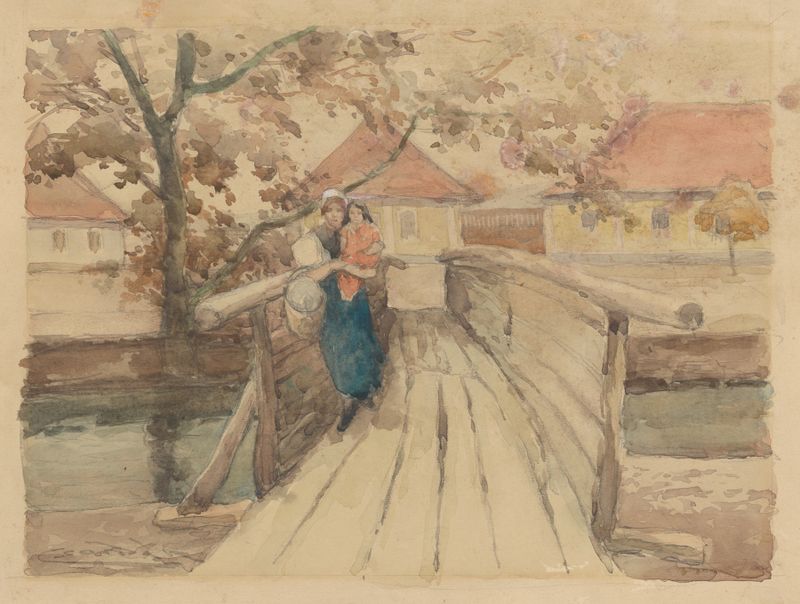
Wooden bridge
Ľudovít Čordák
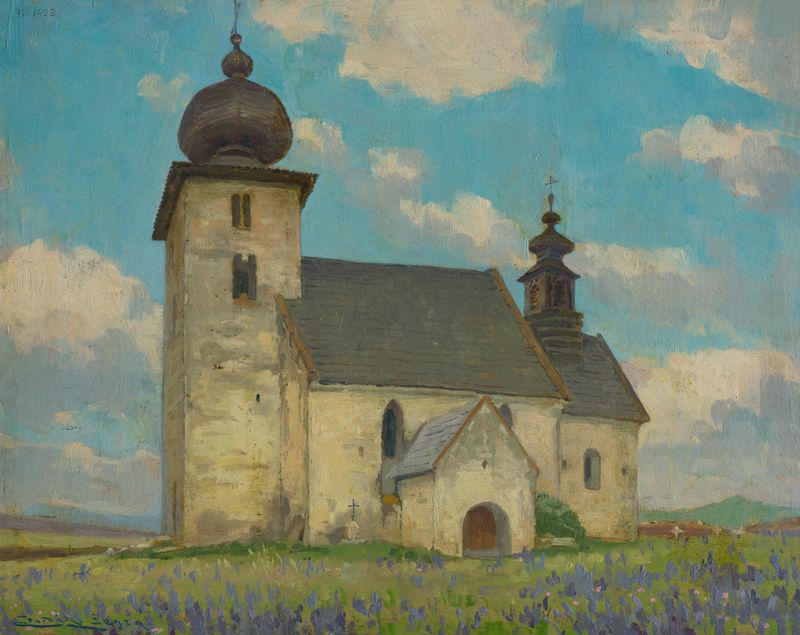
Gothic church in Žehra
Ľudovít Čordák
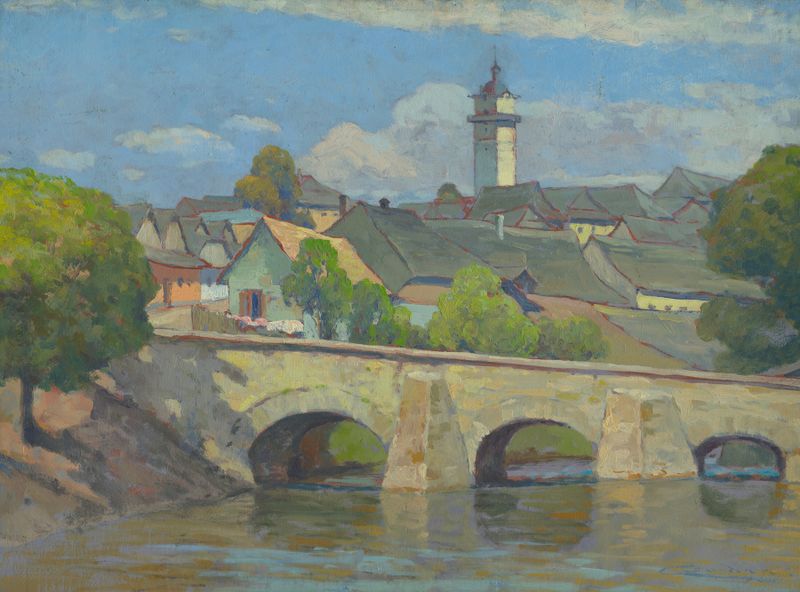
A small town in Spiš
Ľudovít Čordák
At Sunset
Ľudovít Čordák
Forest
Ľudovít Čordák





