
Trees on the Lakeshore — History & Facts
Who listens when art speaks of silence? In Trees on the Lakeshore, a profound yearning resonates through the tranquil interplay of color and form, inviting viewers to pause and reflect. Look to the left at the tall, verdant trees that stretch skyward, their leaves a vibrant green that dances with dappled sunlight. Notice how the water, calm and mirror-like, reflects their majesty, blurring the boundaries between earth and sky. The soft pastels of the landscape blend harmoniously, creating an ethereal atmosphere that underscores the painting's serene essence.
Each stroke reveals a careful balance of detail and softness, manifesting a moment of stillness that beckons exploration. Hidden within this idyllic scene are layers of emotional depth. The trees, steadfast yet whispering in the breeze, evoke a sense of longing and continuity—perhaps a gentle reminder of nature’s resilience amid the fleeting passage of time. The peaceful lake, a solitary witness, amplifies the silence, urging contemplation and introspection.
As the viewer’s gaze wanders, they may sense the poignant contrast between the tranquility of the landscape and the inevitable changes life brings, stirring an empathetic connection to the natural world. Harpignies painted Trees on the Lakeshore between 1900 and 1910, a period marked by his deep engagement with plein air techniques. Living in France during a time of artistic innovation, he embraced Impressionism while developing his own unique style. This work reflects his mastery of light and atmosphere, as well as his deep appreciation for nature’s quiet beauty, characteristic of his later years as he solidified his place in the art community.
More Artworks by Henri-Joseph Harpignies
Browse all →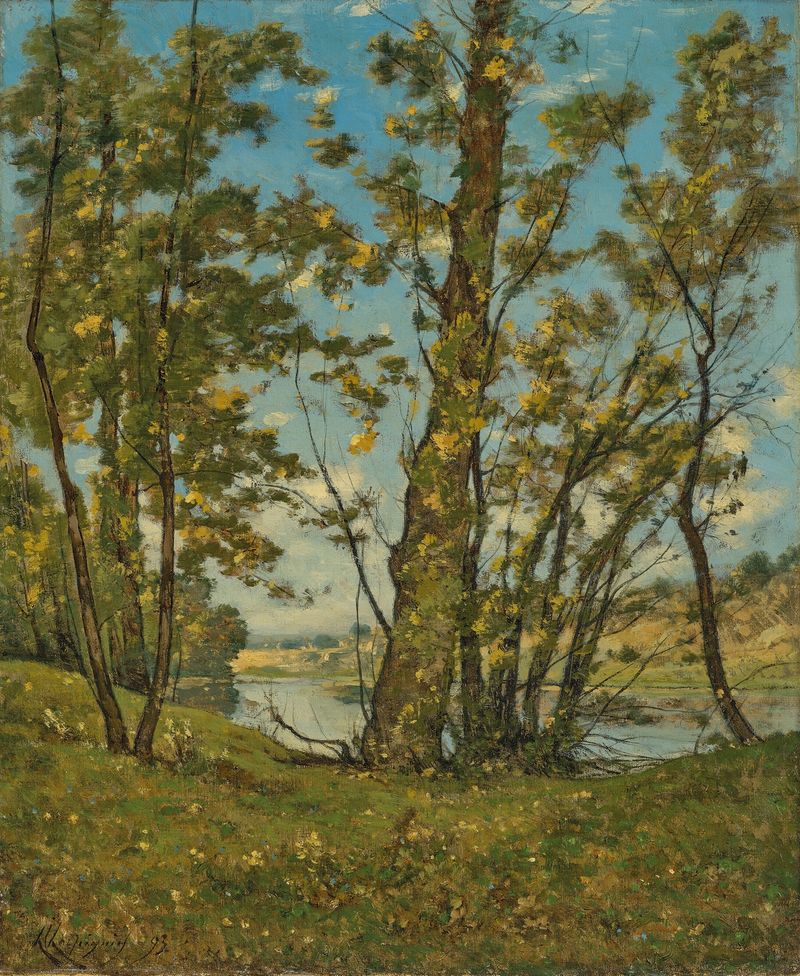
La Loire à Bonny
Henri-Joseph Harpignies
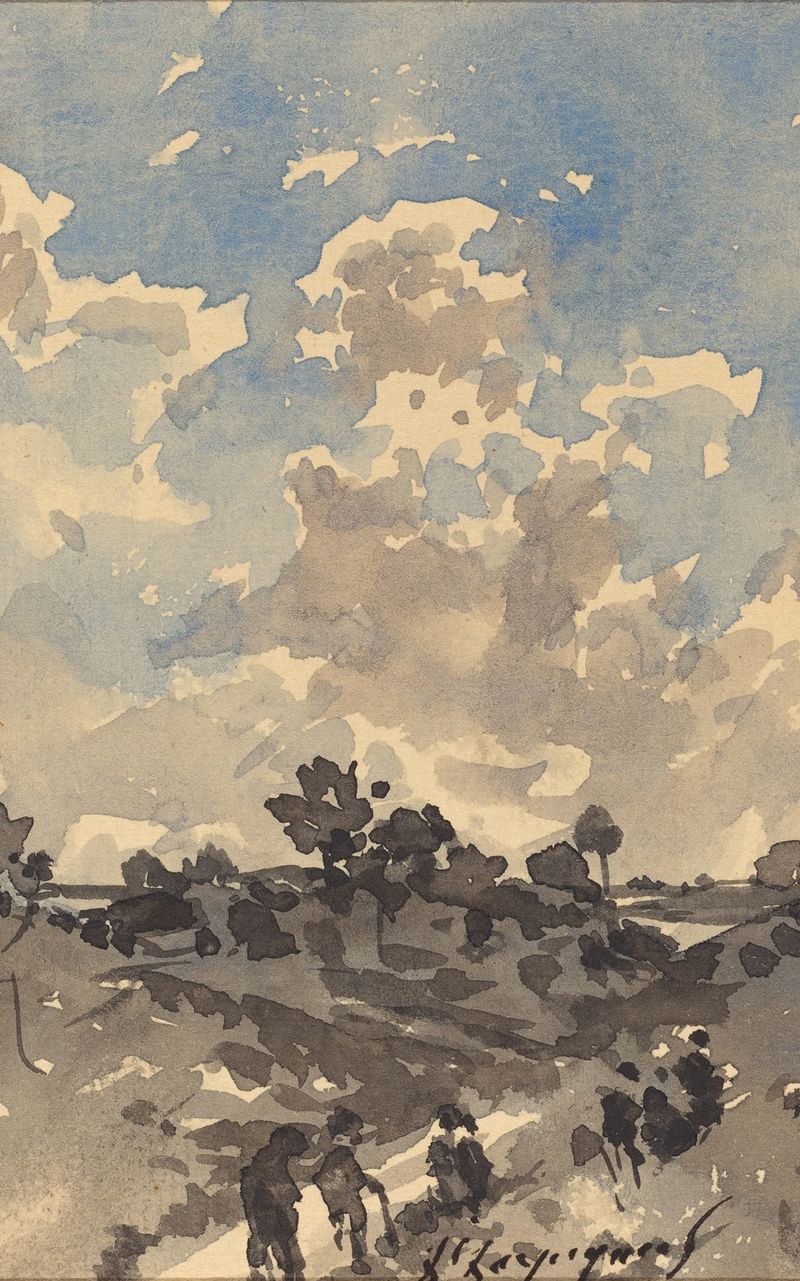
A Landscape with Figures Walking along a Path
Henri-Joseph Harpignies
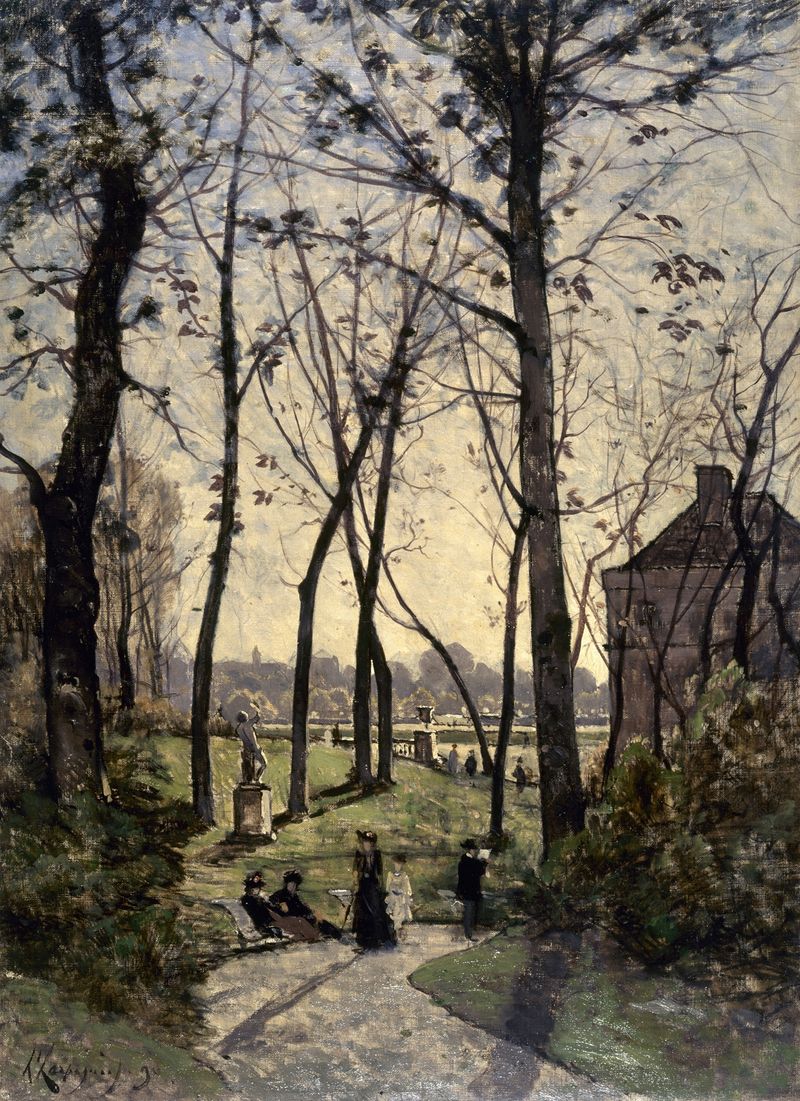
Le jardin du Luxembourg
Henri-Joseph Harpignies
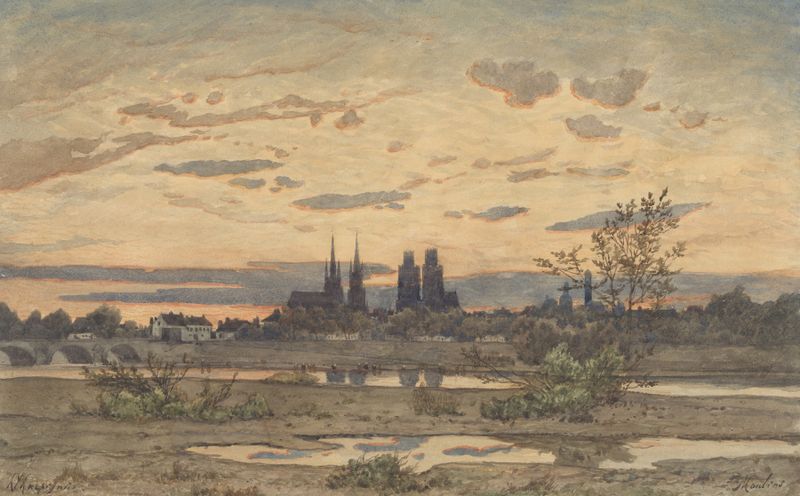
A View of Moulins
Henri-Joseph Harpignies
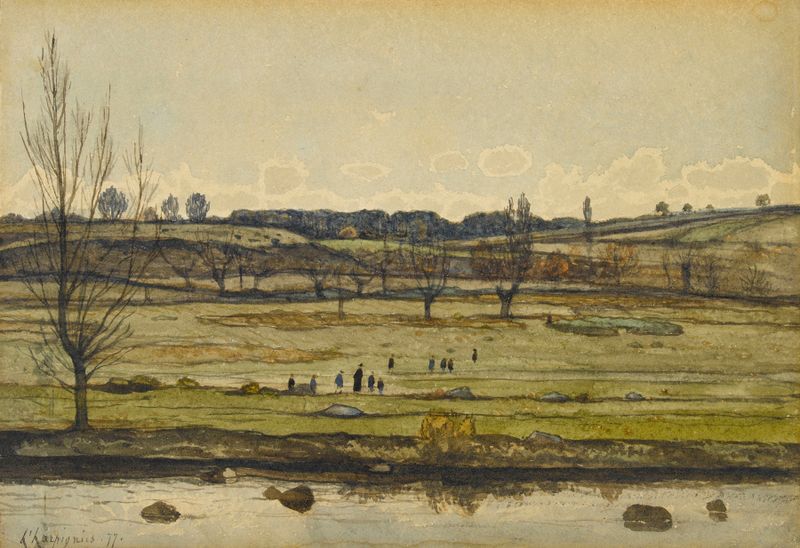
Paysage
Henri-Joseph Harpignies
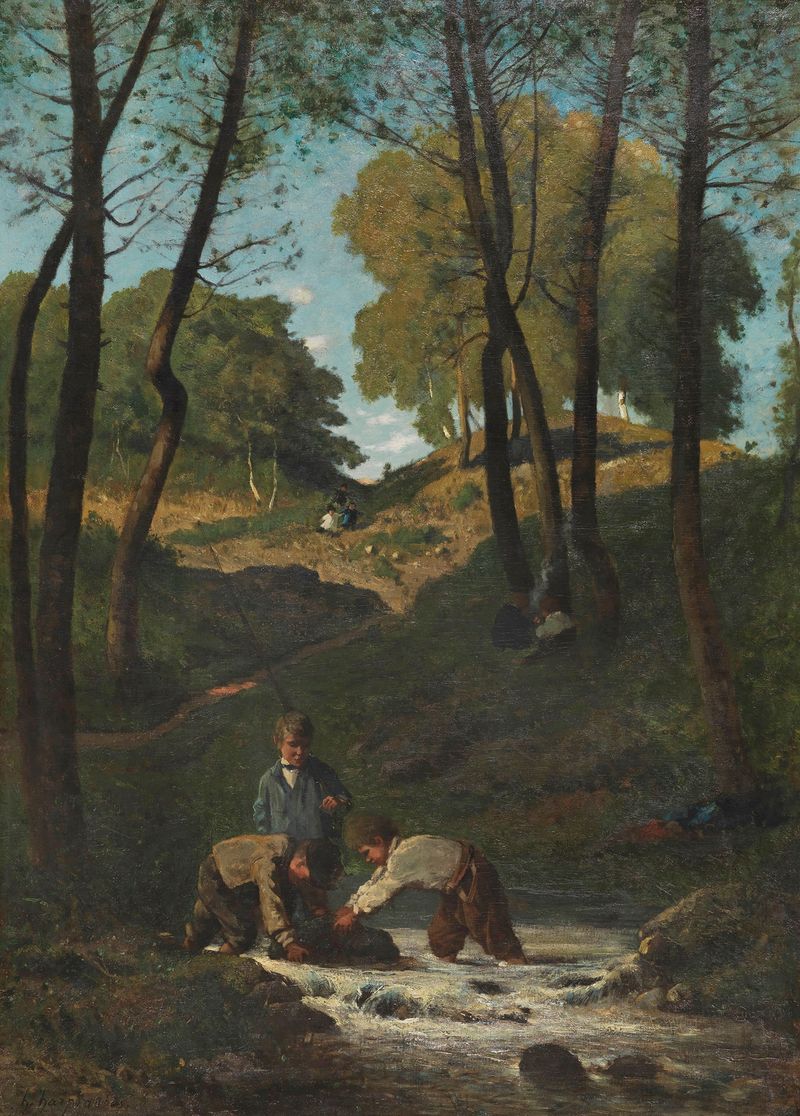
Chercheurs d’écrevisses
Henri-Joseph Harpignies
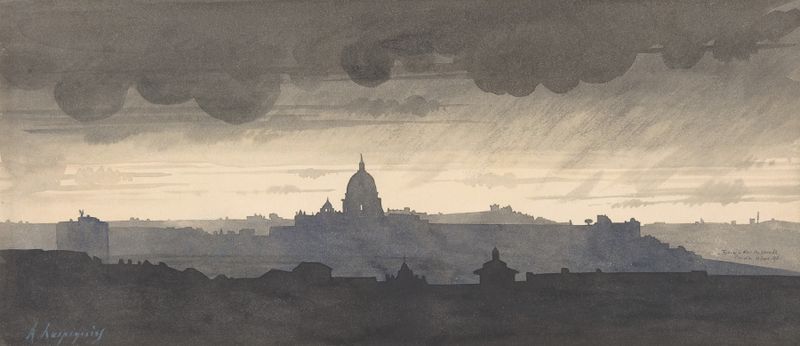
Saint Peter’s Seen From the Pincio, Rome
Henri-Joseph Harpignies
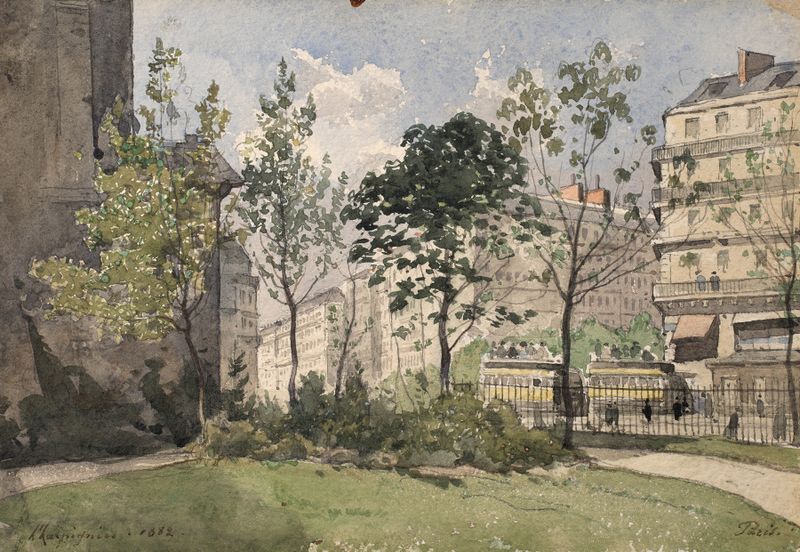
View of the forecourt of the Saint-Germain-des-Prés church
Henri-Joseph Harpignies
Le Colisée à Rome
Henri-Joseph Harpignies

Villefranche
Henri-Joseph Harpignies





