Triomf van de Dood — History & Facts
Can paint confess what words never could? In Triomf van de Dood, the brush reveals the somber truth of mortality and decay, a testament to the fleeting nature of life and beauty. Look at the center, where skeletal figures dominate the composition, their bony hands reaching outward, beckoning both the living and the dead. Notice how the muted palette of browns and greys casts a pallor over the scene, emphasizing the starkness of the figures against the light refracted in the distant background. The meticulous detail in the fabric draped over the cadaverous forms juxtaposes the vibrancy of life, a haunting reminder of what once was.
Each element meticulously placed, guides the eye through a narrative steeped in existential dread. Delve deeper into the emotional landscape of the painting. The contrast between the lively expressions on the faces of the living and the cold indifference of death speaks to the inevitable fate that awaits all. Each skeletal figure is adorned with symbols of decay, yet their gestures inspire a sense of urgency, as if urging us to contemplate our own existence.
The haunting stillness of the scene envelops the viewer, prompting a reflection on the transient nature of wealth and status, embodied by the lavish attire juxtaposed against the decay of the flesh. Created between 1537 and 1541, this piece emerged during a transformative period for Georg Pencz, a German painter influenced by the broader themes of the Northern Renaissance. Living in Nuremberg, he navigated the complex interplay of humanism and religious thought, mirroring the cultural shifts of his time. As death loomed large in the societal consciousness, Pencz captured not just the macabre, but a profound commentary on the human condition, echoing sentiments that resonate throughout history.
More Artworks by Georg Pencz
Browse all →
Parabel van de zaaier
Georg Pencz

Parabel van de arbeiders in de wijngaard
Georg Pencz
Discipelen wekken slapende Christus tijdens storm op Meer van Galilea
Georg Pencz

Afgunst (Invidia)
Georg Pencz
Jozef wordt verkocht aan kooplieden op weg naar Egypte
Georg Pencz

Aanbidding der koningen
Georg Pencz
Petrus protesteert als Christus zijn voeten wast
Georg Pencz
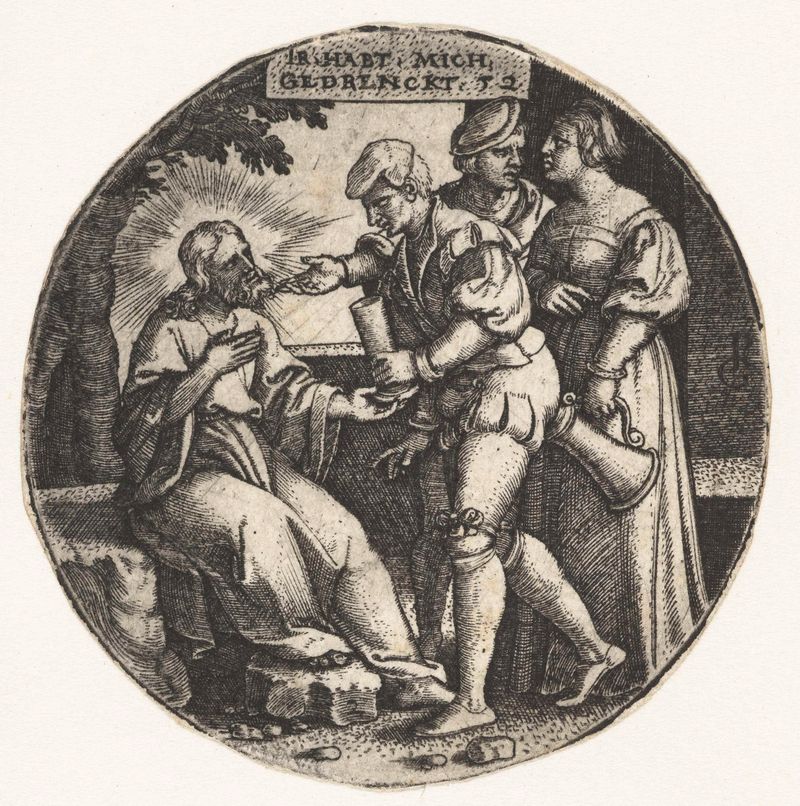
Christus heeft dorst en krijgt drinken aangeboden
Georg Pencz
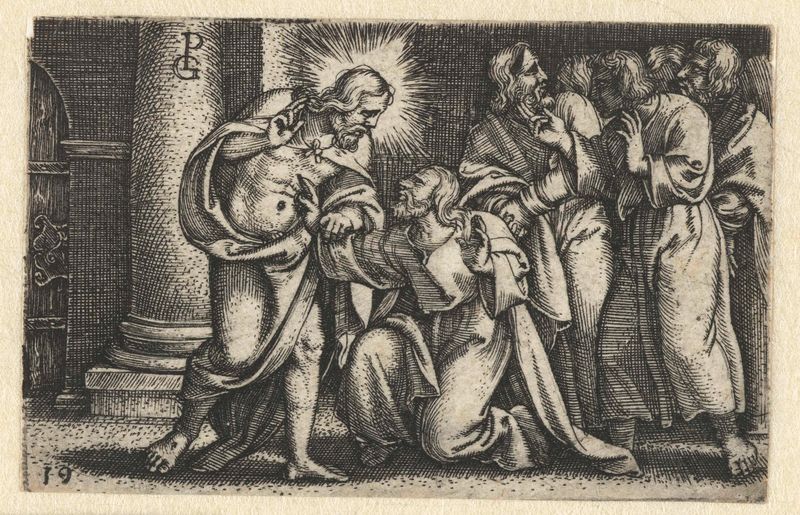
Ongelovige Thomas raakt wonden Christus aan
Georg Pencz

Offer van Abraham van Isaak
Georg Pencz