Triomf van Faam — History & Facts
What if beauty was never meant to be finished? In the intricate layers of Triomf van Faam, the viewer is drawn into a vivid tapestry where revelation breathes life into the canvas. Look to the center, where a resplendent female figure, the embodiment of Fame, stands proud, a laurel crown perched upon her head. Her flowing garments, adorned with rich colors, cascade elegantly, inviting your gaze to dance along the folds. Notice how the golden light bathes her, radiating from the divine presence of the sun, illuminating each detail with precision.
The meticulous brushwork reveals a world where every stroke composes a harmony of elegance, creating a sense of movement that captivates the viewer. However, the beauty of this scene is tinged with complexity. The contrasting figures surrounding Fame—from the muses to the warriors—whisper of ambition, struggle, and the weight of glory. The ethereal quality of Fame herself stands in stark juxtaposition to the darker hues that envelop the other characters, suggesting the transient nature of triumph and the burdens it carries.
Each face tells a story, hinting at the sacrifices made in the pursuit of glory that can often lead to isolation. During the years 1537 to 1541, the artist worked prolifically in Nuremberg, a city buzzing with innovation and artistic exchange. Amidst the Renaissance's fervor, Pencz navigated a world that celebrated humanism, crafting works that reflected both beauty and the complexities of existence. As he painted this masterpiece, he engaged with the shifting tides of art, intertwining personal expression with the grand narratives of his time.
More Artworks by Georg Pencz
Browse all →
Parabel van de zaaier
Georg Pencz

Parabel van de arbeiders in de wijngaard
Georg Pencz
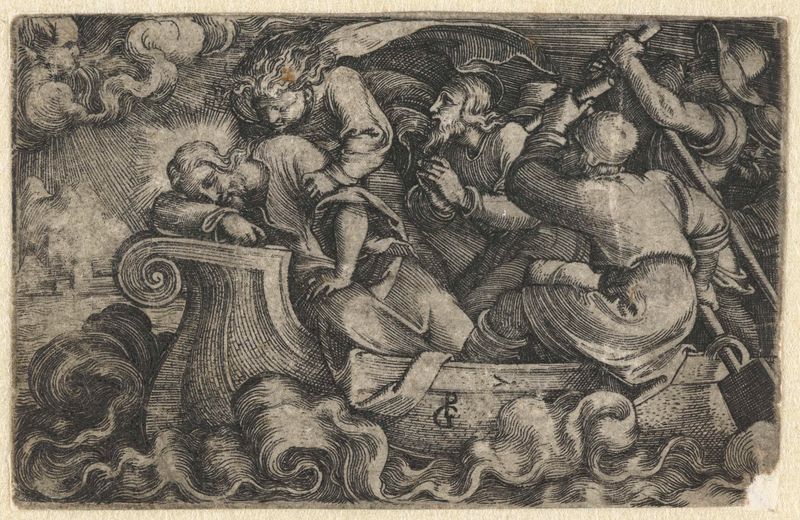
Discipelen wekken slapende Christus tijdens storm op Meer van Galilea
Georg Pencz

Afgunst (Invidia)
Georg Pencz
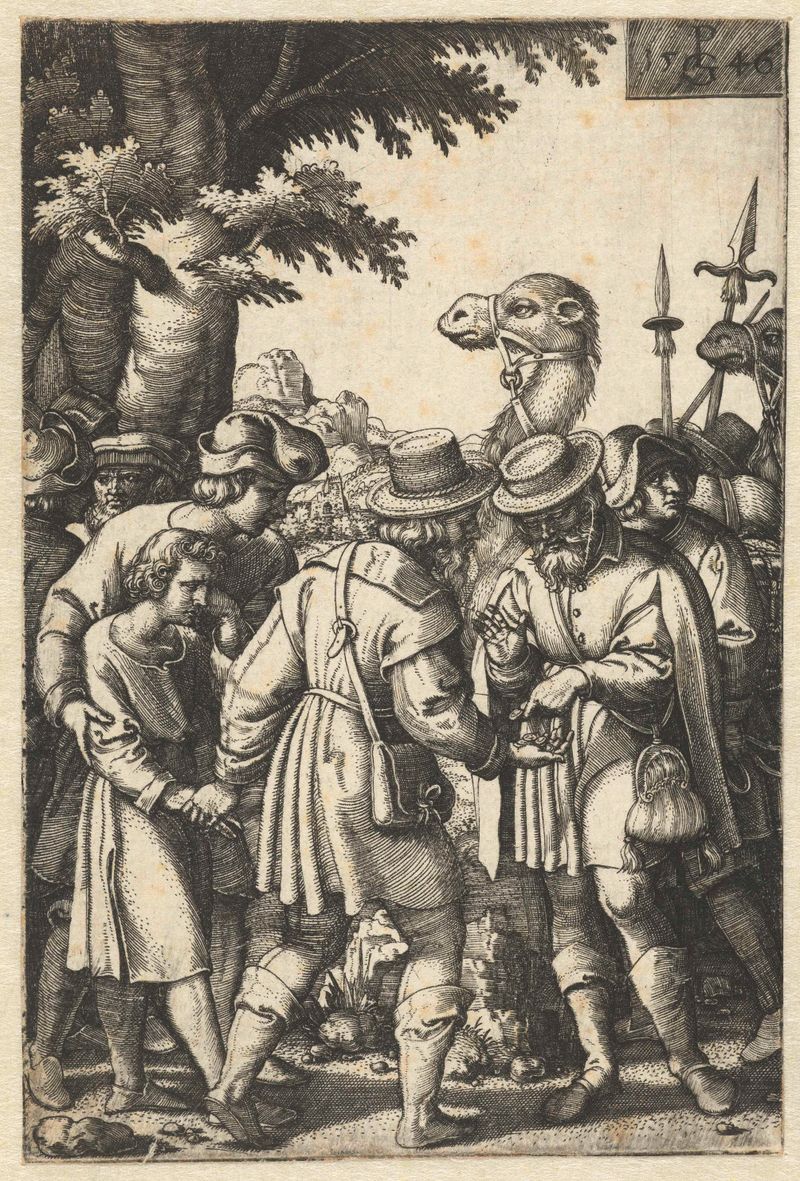
Jozef wordt verkocht aan kooplieden op weg naar Egypte
Georg Pencz

Aanbidding der koningen
Georg Pencz
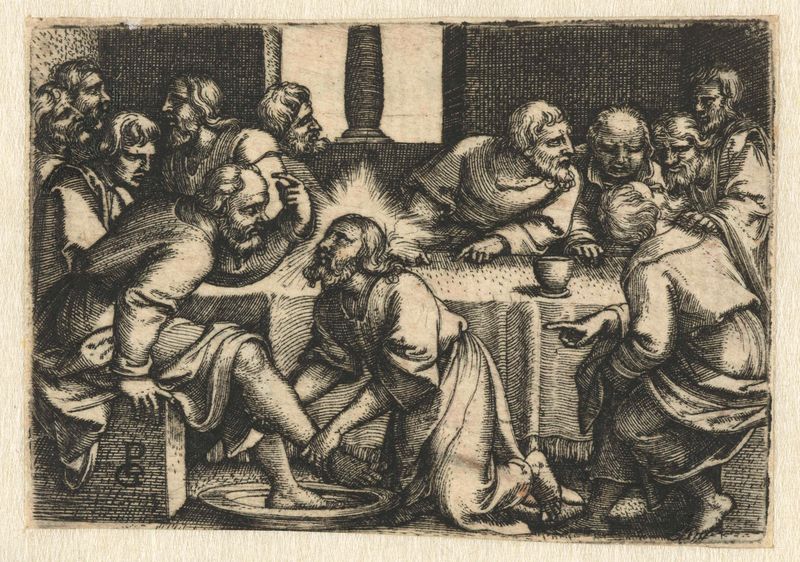
Petrus protesteert als Christus zijn voeten wast
Georg Pencz
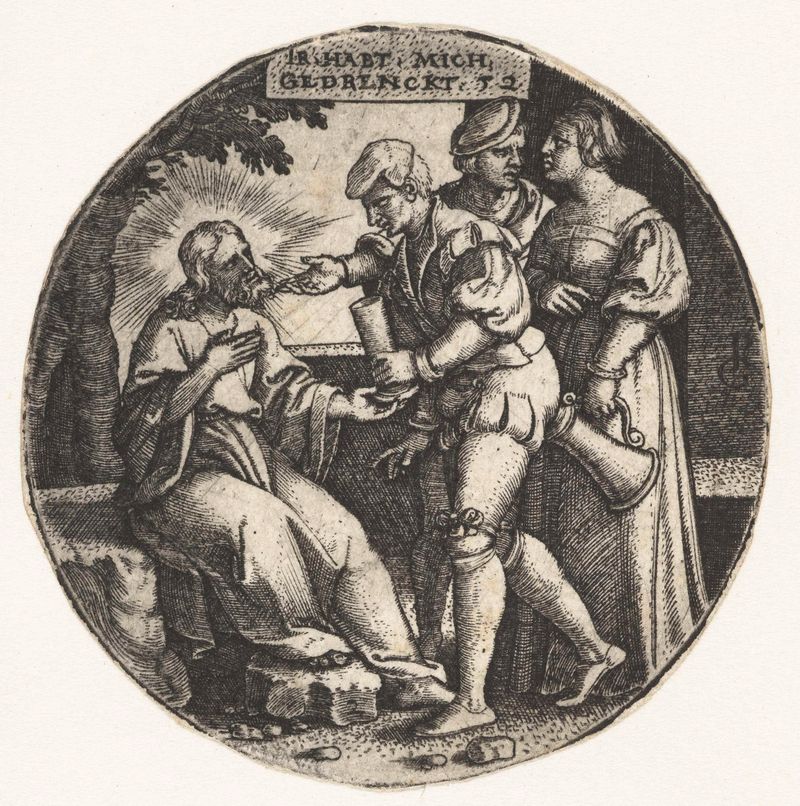
Christus heeft dorst en krijgt drinken aangeboden
Georg Pencz
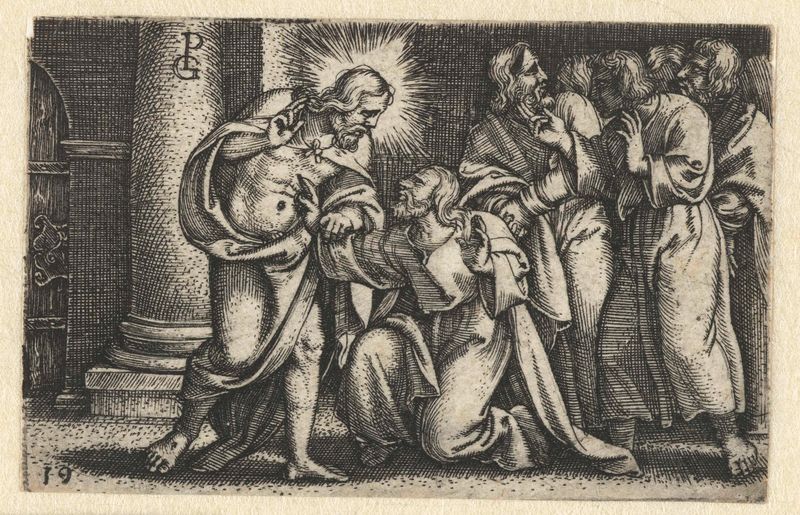
Ongelovige Thomas raakt wonden Christus aan
Georg Pencz

Offer van Abraham van Isaak
Georg Pencz