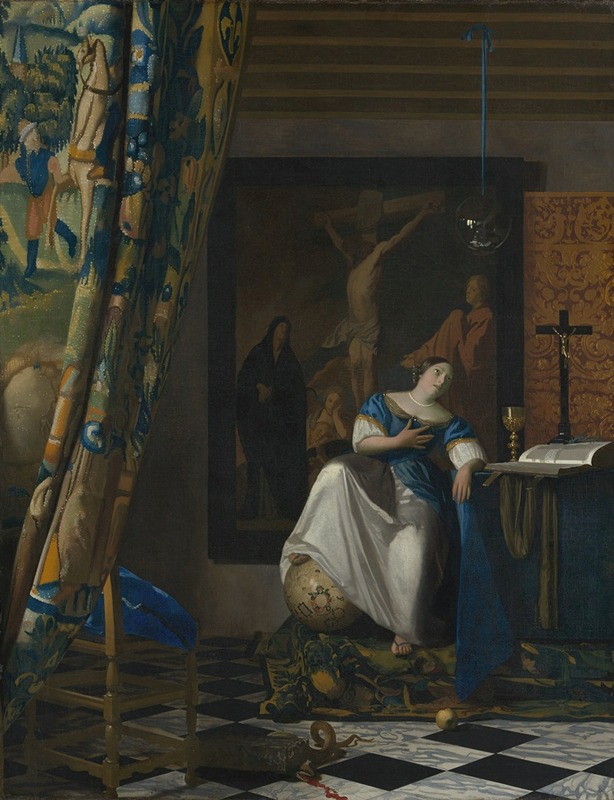
Triomf van Kuisheid — History & Facts
In Triomf van Kuisheid, the delicate interplay of hues and forms invites contemplative reflection on the fragility of existence and the pursuit of virtue amidst mortality. Look to the foreground to observe the central figure, cloaked in flowing garments that embody both elegance and restraint. Her serene visage contrasts sharply with the tumultuous background, where muted tones swirl in a dance of chaos. The careful arrangement of the figures surrounding her exemplifies Pencz's mastery of composition, drawing the eye to the intricate details of their expressions, which range from reverence to challenge, suggesting a complex narrative brewing beneath the surface. The painting’s juxtaposition of the tranquil and the turbulent speaks volumes about the struggle between purity and temptation.
The subtle tension between light and shadow evokes an urgency that underscores the ephemeral nature of life itself. Each element, from the finely rendered textures of fabric to the poignant gazes cast in contemplation, weaves a rich tapestry of emotion, forcing the viewer to confront the inevitable passage of time and the choices that define our existence. Georg Pencz painted Triomf van Kuisheid between 1537 and 1541 during a time when Northern European artists were increasingly exploring themes of humanism and morality. Working in Nuremberg, a city at the heart of artistic innovation, Pencz was influenced by the blending of decorative arts and a growing interest in moral narratives that spoke to the human condition amidst a rapidly changing society.
His nuanced approach reflects both personal introspection and broader cultural shifts of the era.
More Artworks by Georg Pencz
Browse all →
Parabel van de zaaier
Georg Pencz

Parabel van de arbeiders in de wijngaard
Georg Pencz
Discipelen wekken slapende Christus tijdens storm op Meer van Galilea
Georg Pencz

Afgunst (Invidia)
Georg Pencz
Jozef wordt verkocht aan kooplieden op weg naar Egypte
Georg Pencz

Aanbidding der koningen
Georg Pencz
Petrus protesteert als Christus zijn voeten wast
Georg Pencz
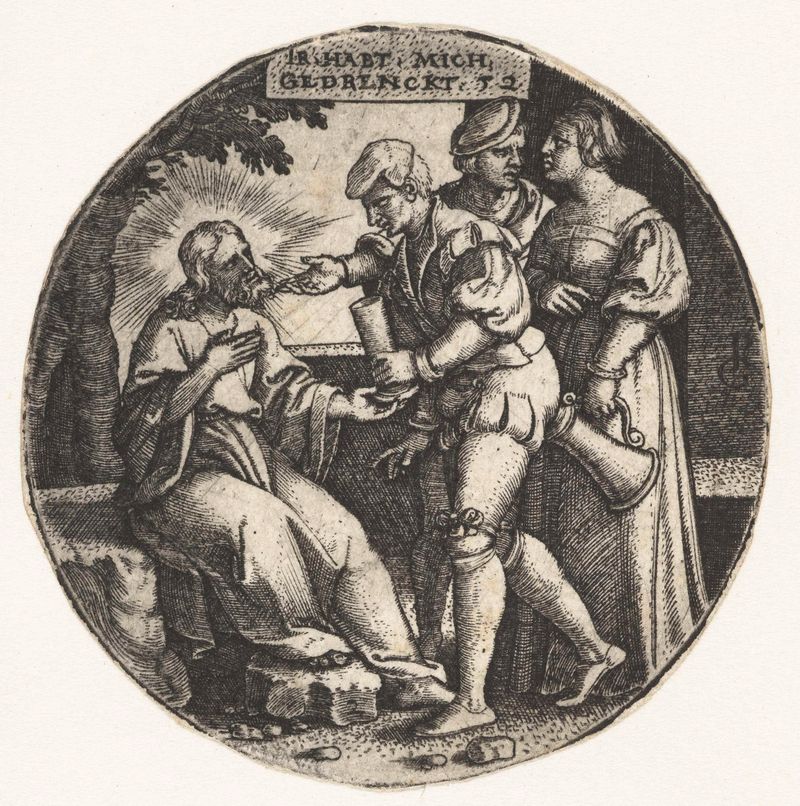
Christus heeft dorst en krijgt drinken aangeboden
Georg Pencz
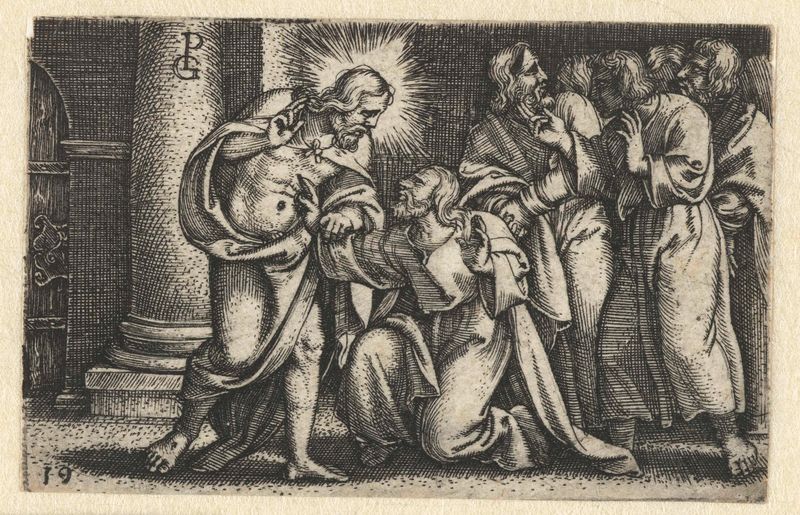
Ongelovige Thomas raakt wonden Christus aan
Georg Pencz

Offer van Abraham van Isaak
Georg Pencz