
Triptych mit Anbetung der Könige — History & Facts
The quiet radiance of this triptych draws the viewer first to the gentle exchange at its center: a kneeling king, lips pressed reverently to the Christ child’s foot, while Mary’s gaze drifts downward, serene and inward. The gold of the frame echoes the gifts in the Magi’s hands, but it is the hush and intimacy of the moment that lingers. The artist, Adriaen Isenbrant, has chosen not the arrival or the procession, but the instant of homage—a pause in the journey, where the world’s grandeur bows to a child in his mother’s lap.
Light falls softly on the faces, guiding the eye from the central figures outward, where the other Magi and their retinue wait, half in shadow, their gifts still unopened. This is a work shaped by the devotional needs and tastes of the early sixteenth century, when private altarpieces like this one were commissioned for contemplation and prayer. The landscape, cool and distant, opens the scene to a world beyond, while the architecture frames the holy family in a space both real and idealized. Painted before 1551, as the source documents, this triptych belongs to a tradition of Northern Renaissance panels where narrative and symbolism intertwine: Joseph, isolated at the right, leans on his staff beside the ox and donkey, a silent witness to the unfolding mystery.
History has kept few traces of this particular object’s journey, but its careful composition and luminous palette invite the viewer to linger, tracing the path of the Magi across the painted hills and back again to the quiet wonder at the heart of the scene.
More Artworks by Adriaen Isenbrant
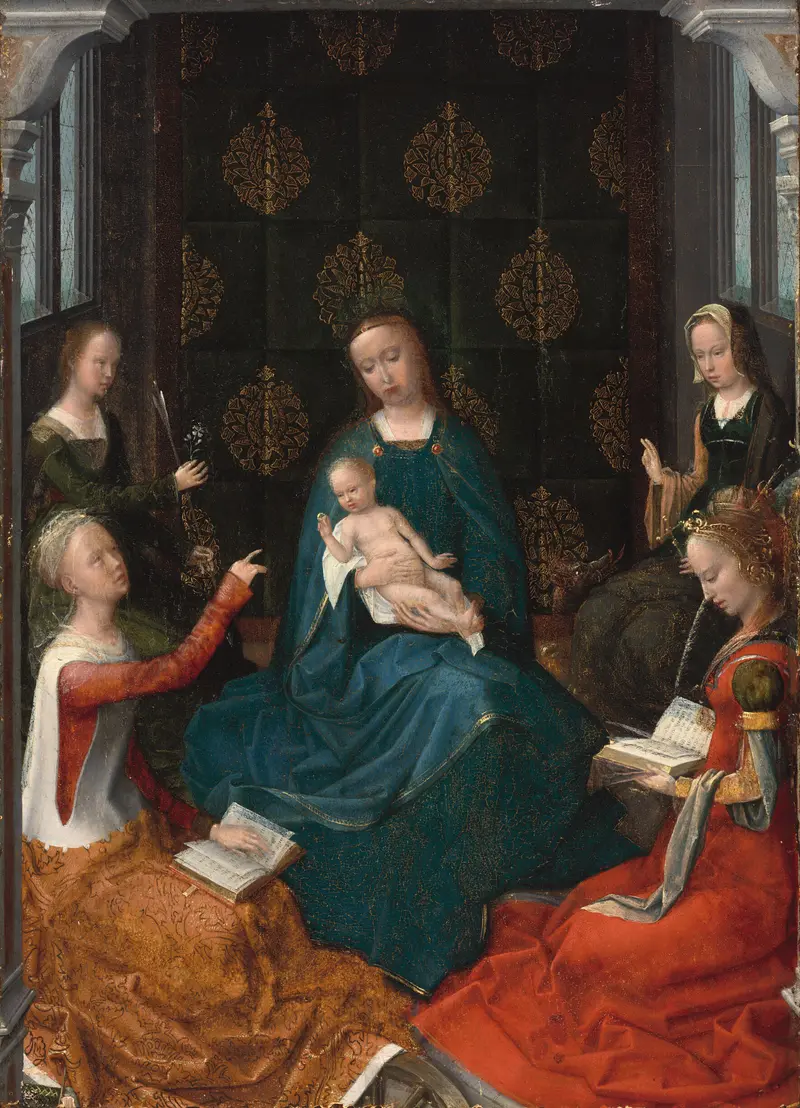
The Mystic Marriage of Saint Catherine of Alexandria with Three Female Saints: Ursula, Margaret of Antioch, and an Unidentified Martyr
Adriaen Isenbrant
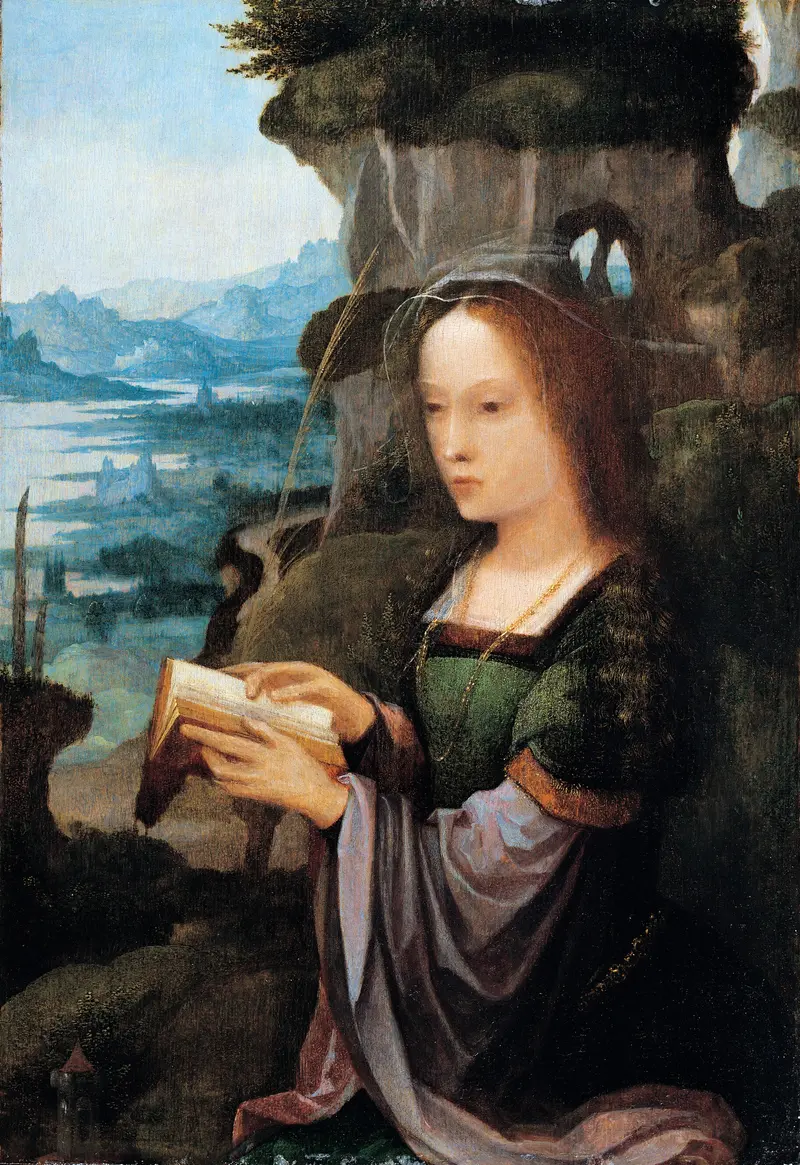
Saint Barbara
Adriaen Isenbrant
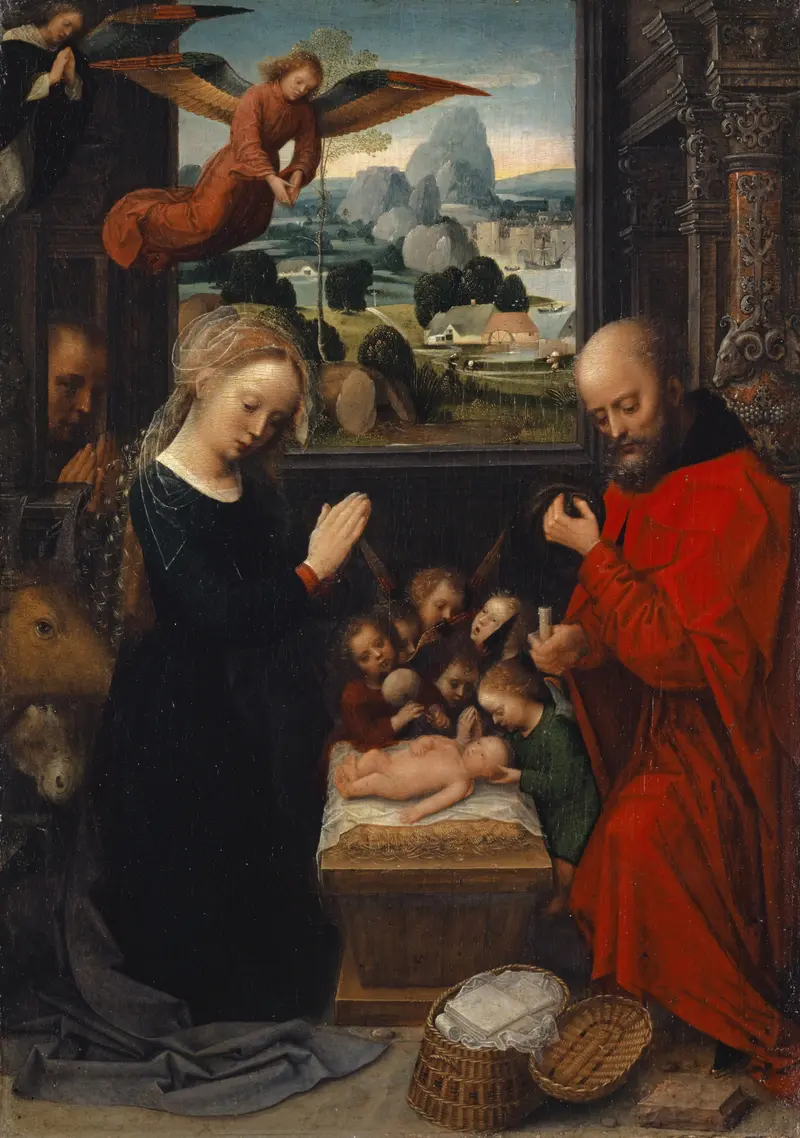
The Nativity
Adriaen Isenbrant
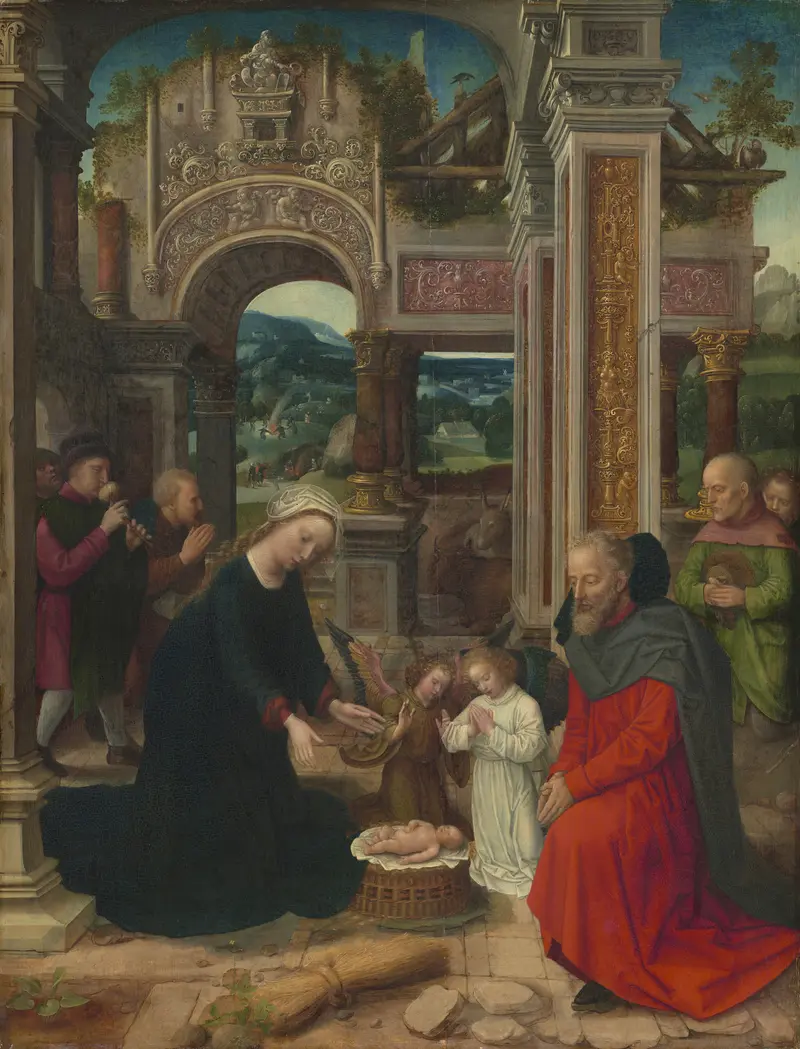
The Adoration of the Shepherds
Adriaen Isenbrant
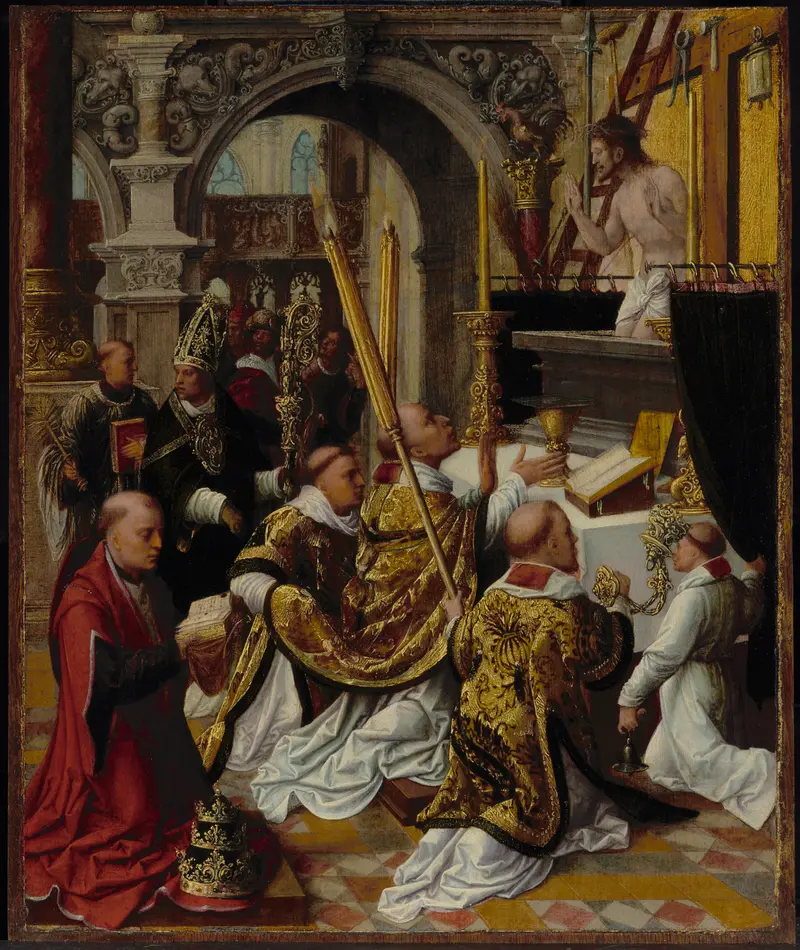
The Mass of Saint Gregory the Great
Adriaen Isenbrant
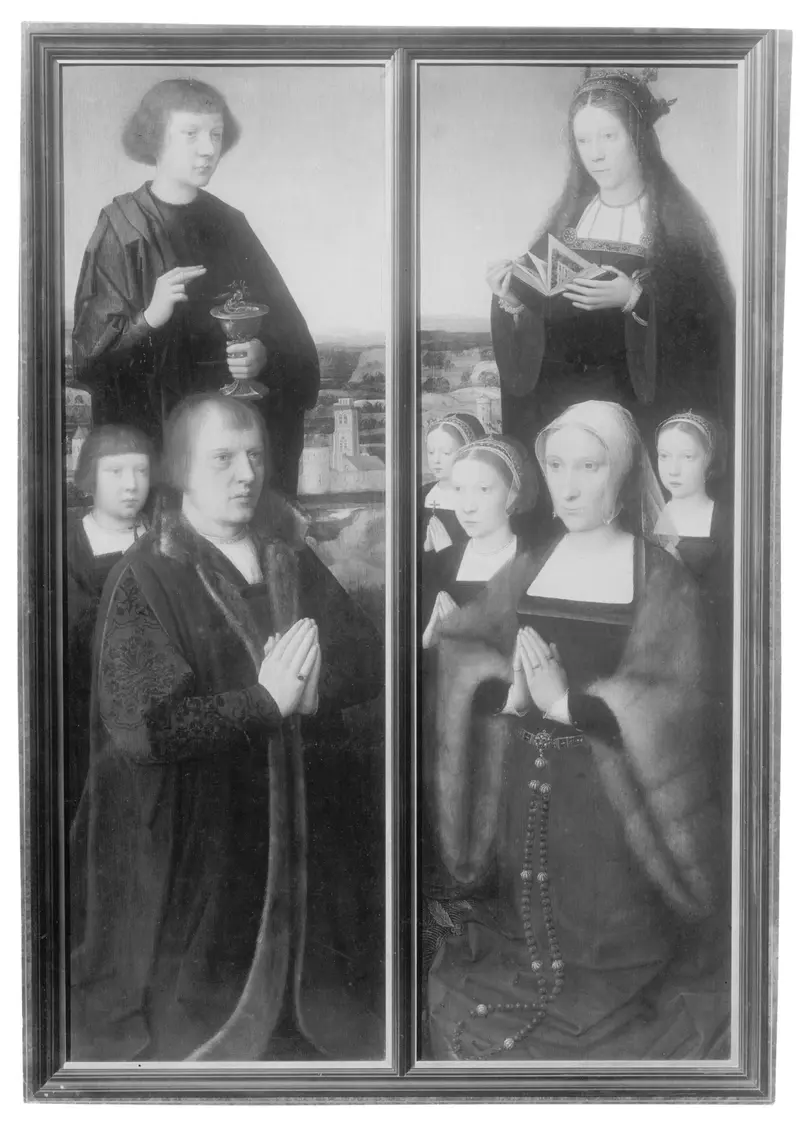
Wings of a polyptych with donors -Man with son and Saint, Woman with daughters and Saint (burned)
Adriaen Isenbrant
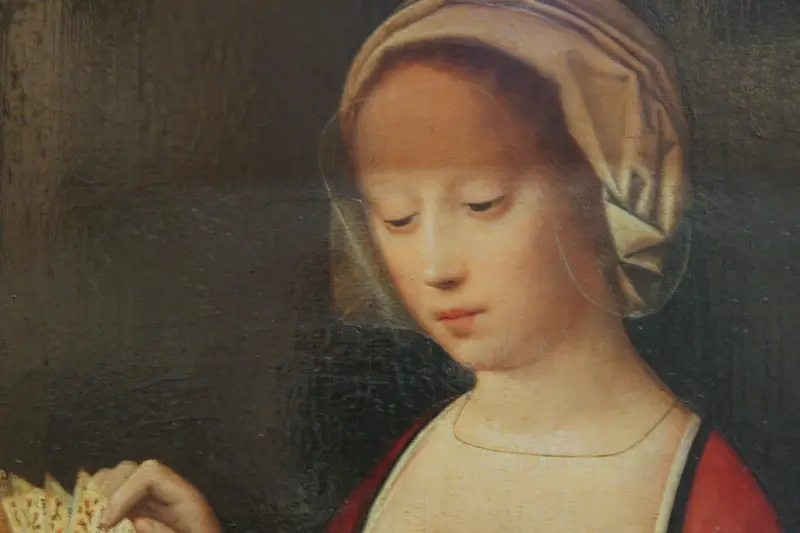
Mary Magdalene Reading
Adriaen Isenbrant
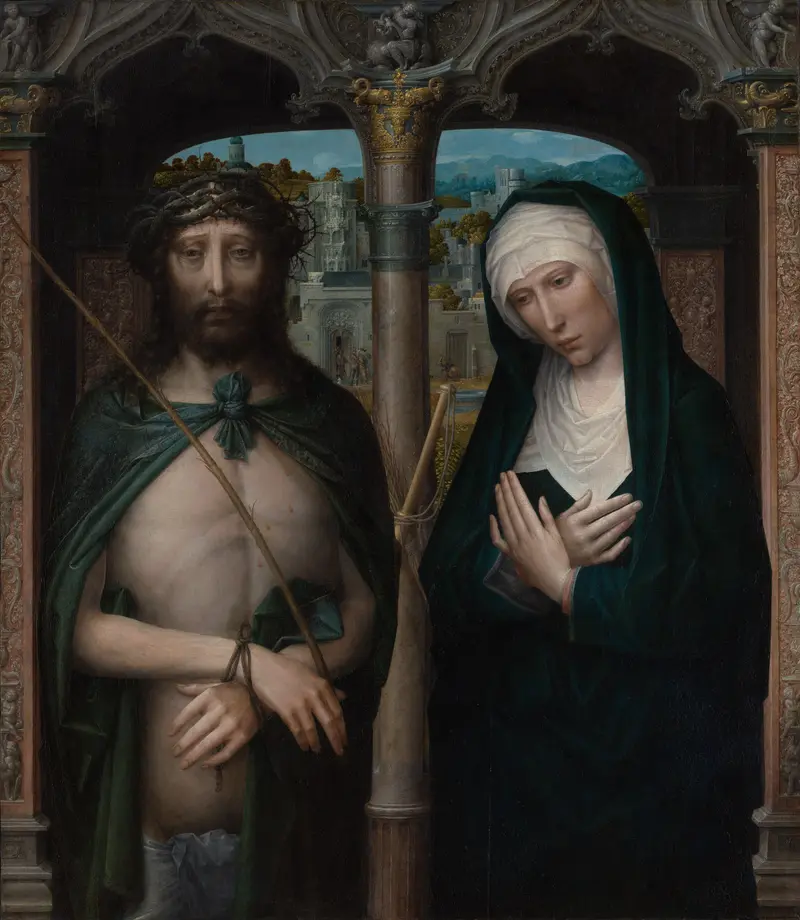
Christ Crowned with Thorns (Ecce Homo), and the Mourning Virgin
Adriaen Isenbrant
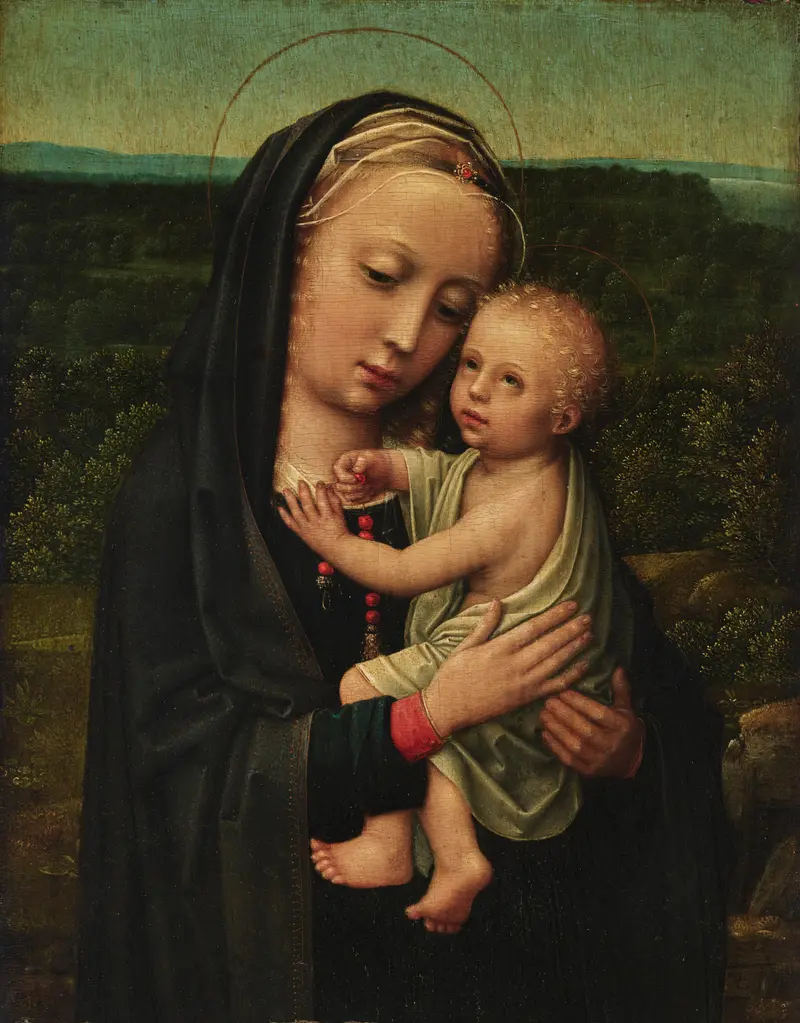
Madonna and Child
Adriaen Isenbrant
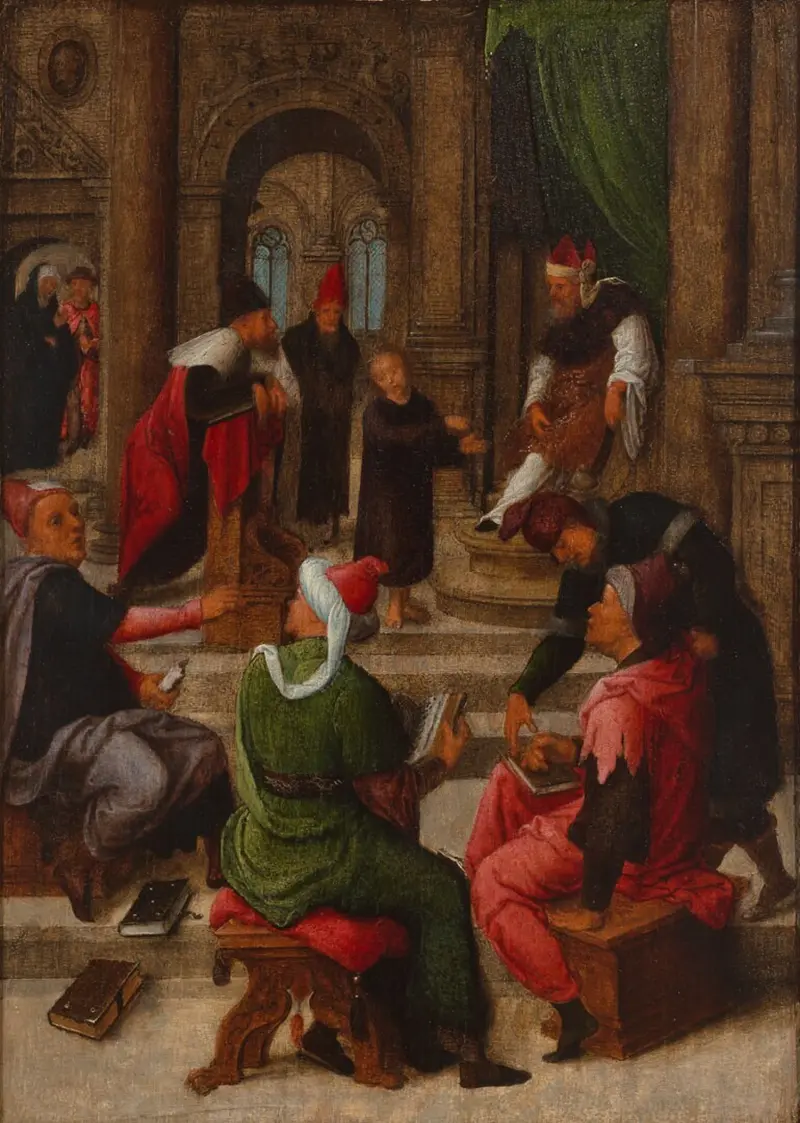
The 12-Year-Old Jesus in the Temple
Adriaen Isenbrant





