
Triptych of Count Henry III of Nassau — History & Facts
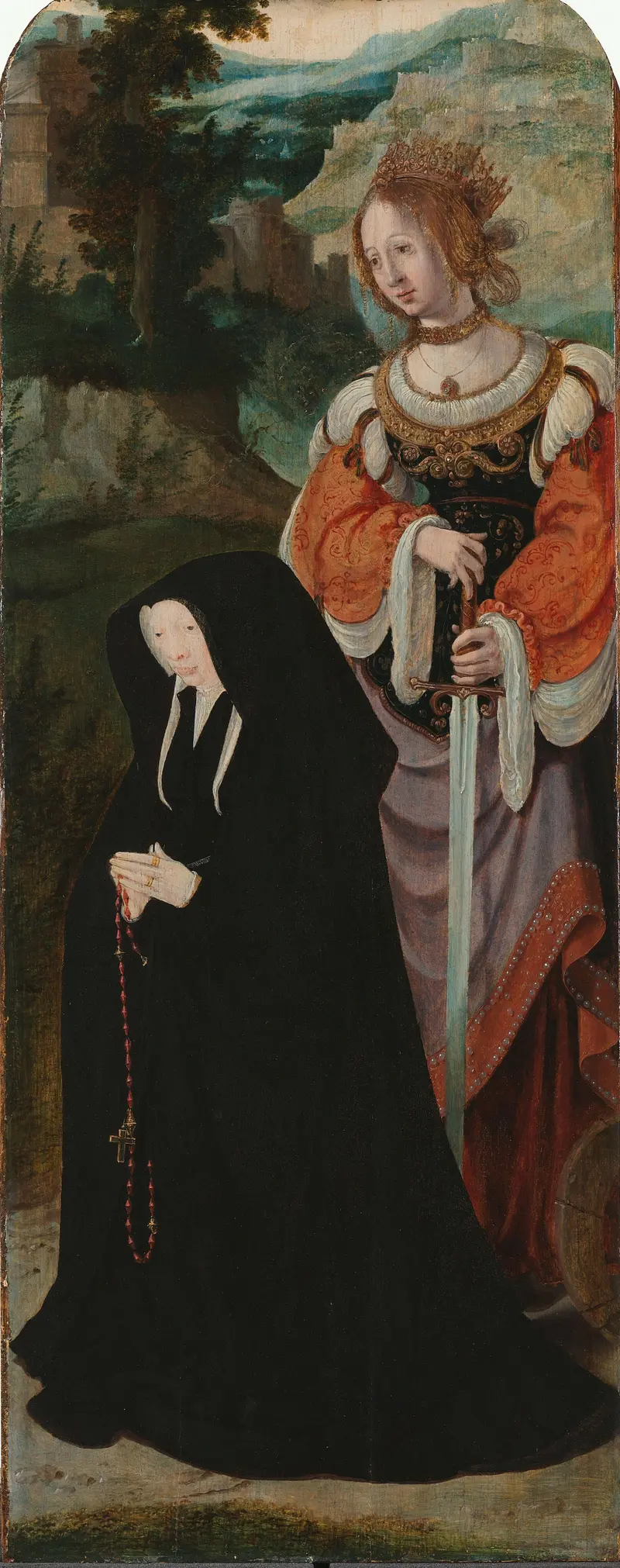
A hush of anticipation fills the center panel, where the gaze of the Virgin and Child meets the richly dressed figures who approach with gifts and reverence. The artist, Aertgen Claesz van Leyden, orchestrates a moment that feels both staged and intimate—each gesture is deliberate, from the careful offering of an orb to the gentle tilt of the Madonna’s head. The landscape recedes into cool blue distance, giving the scene a sense of openness, while the warm, almost theatrical lighting draws the eye to the central embrace.
The palette, with its deep reds, golds, and greens, signals both opulence and devotion, inviting the viewer to linger on every fold of fabric and every expressive face. Created sometime between 1525 and 1574, this triptych belongs to a world where altarpieces were both personal and public declarations of faith and status. In the Low Countries of the sixteenth century, patrons often commissioned such works to demonstrate piety and secure remembrance in prayer, and artists like Aertgen Claesz van Leyden responded with compositions that balance narrative clarity and painterly detail. The inclusion of saints, angels, and donors within a single frame reflects the era’s blending of the sacred and the worldly.
Though history has kept few traces of the journey of this particular triptych, its survival in a documented collection today allows us to step into the devotional imagination of its time—an invitation to look, and look again, at the stories it so carefully weaves.
More Artworks by Aertgen Claesz van Leyden

Jakob ontvangt het bebloede kleed van Jozef
Aertgen Claesz van Leyden
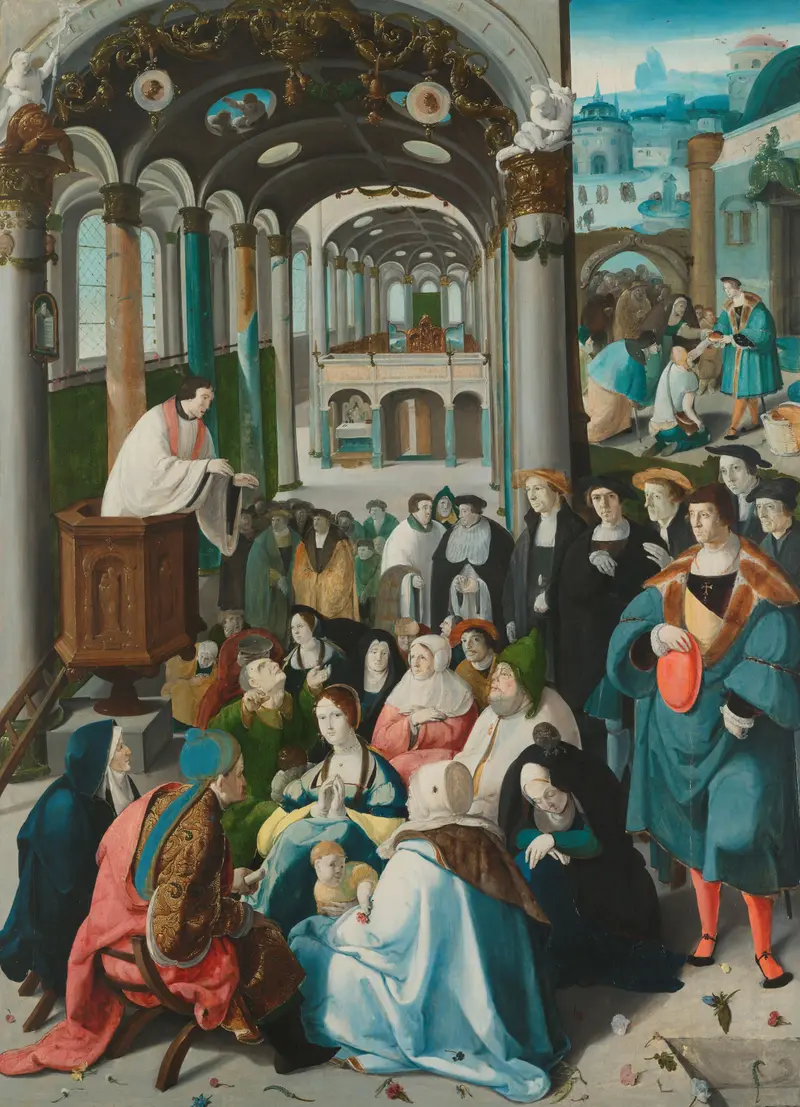
The Calling of Saint Anthony
Aertgen Claesz van Leyden
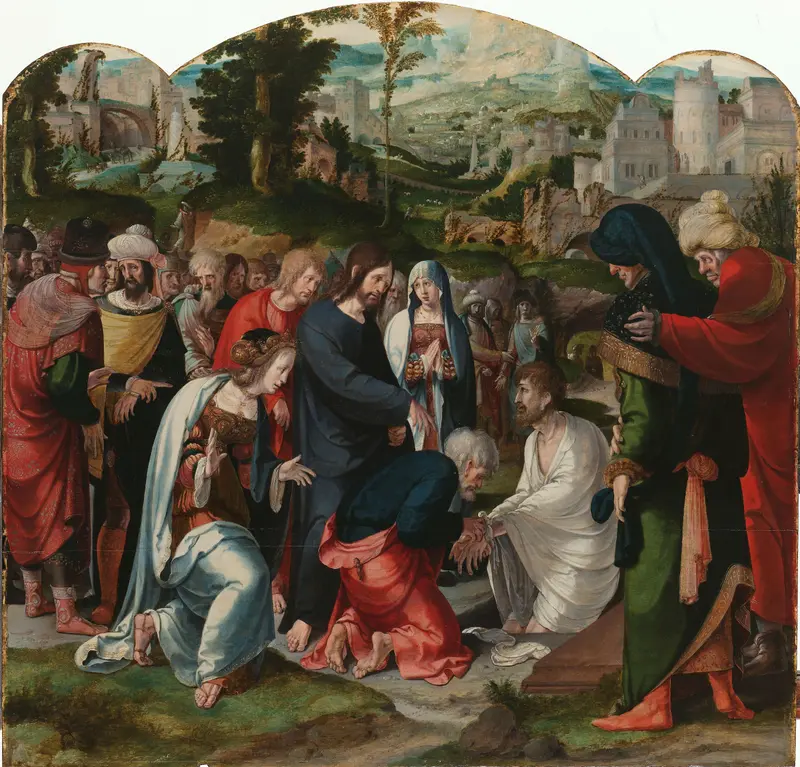
The Raising of Lazarus
Aertgen Claesz van Leyden
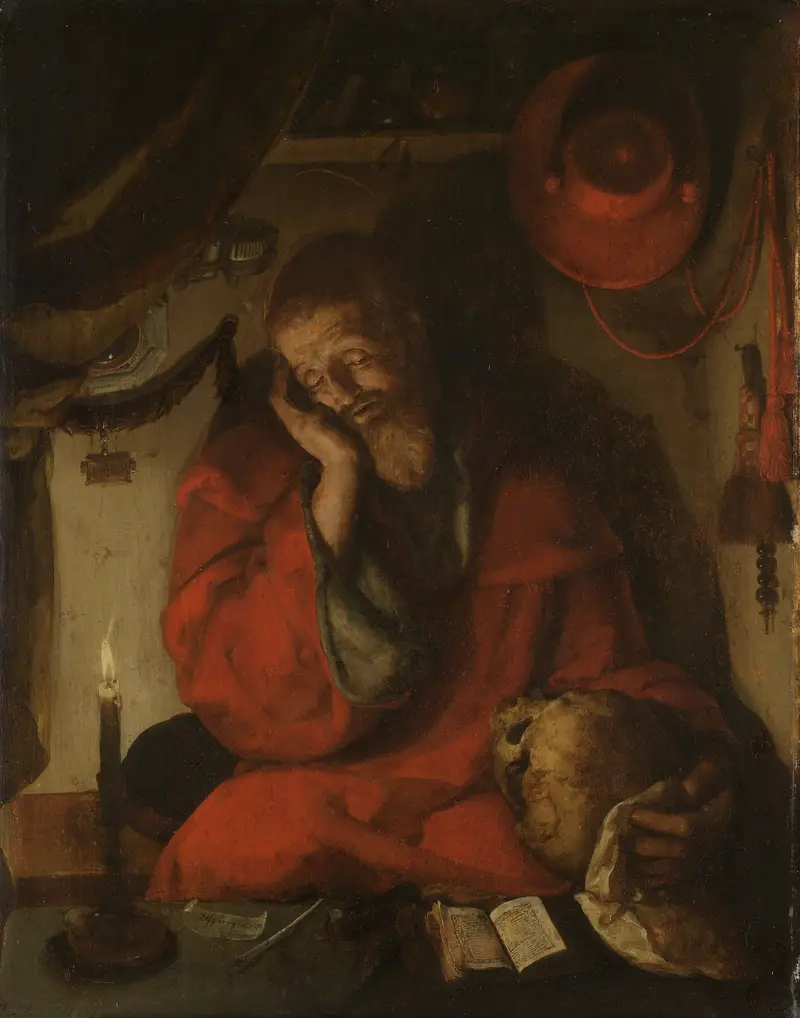
Saint Jerome in his Study by Candlelight
Aertgen Claesz van Leyden
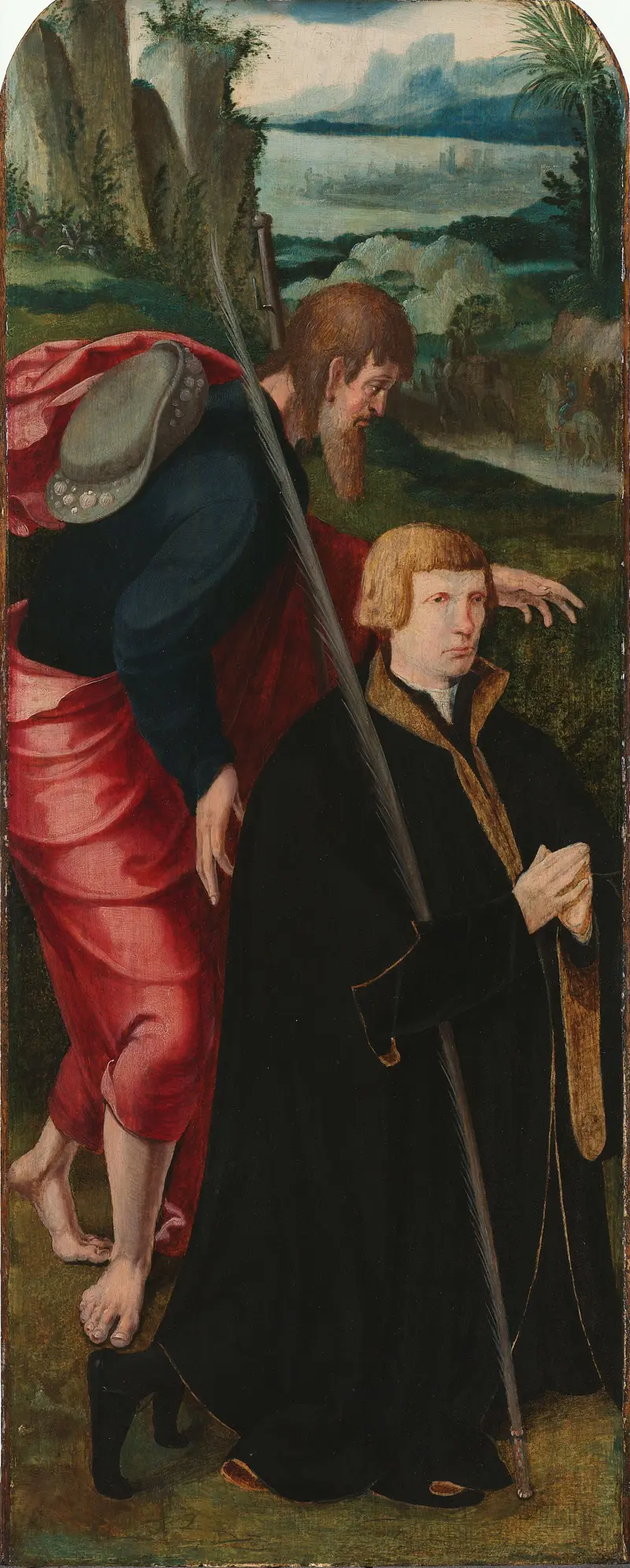
The Raising of Lazarus
Aertgen Claesz van Leyden
The Raising of Lazarus
Aertgen Claesz van Leyden
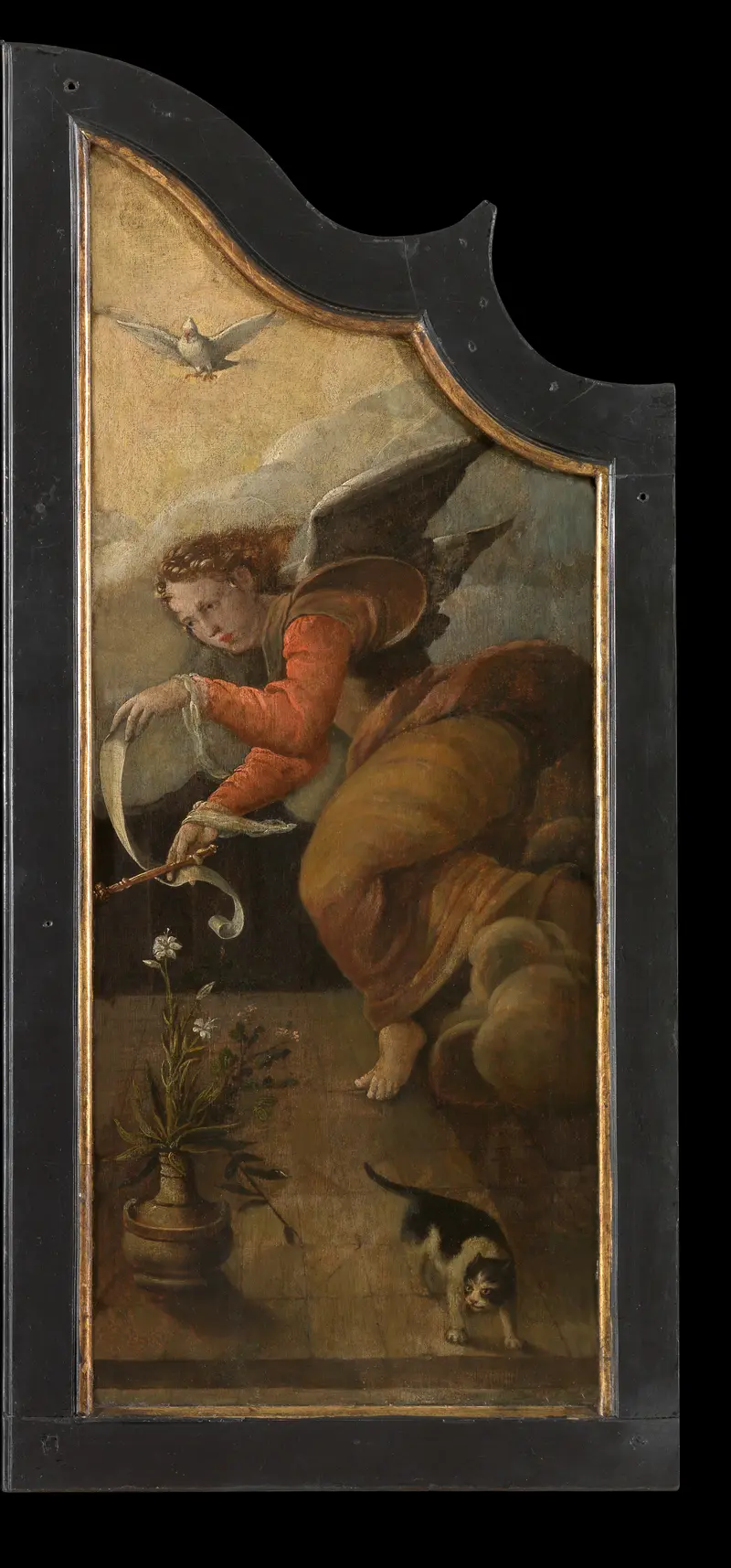
Angel Gabriel
Aertgen Claesz van Leyden
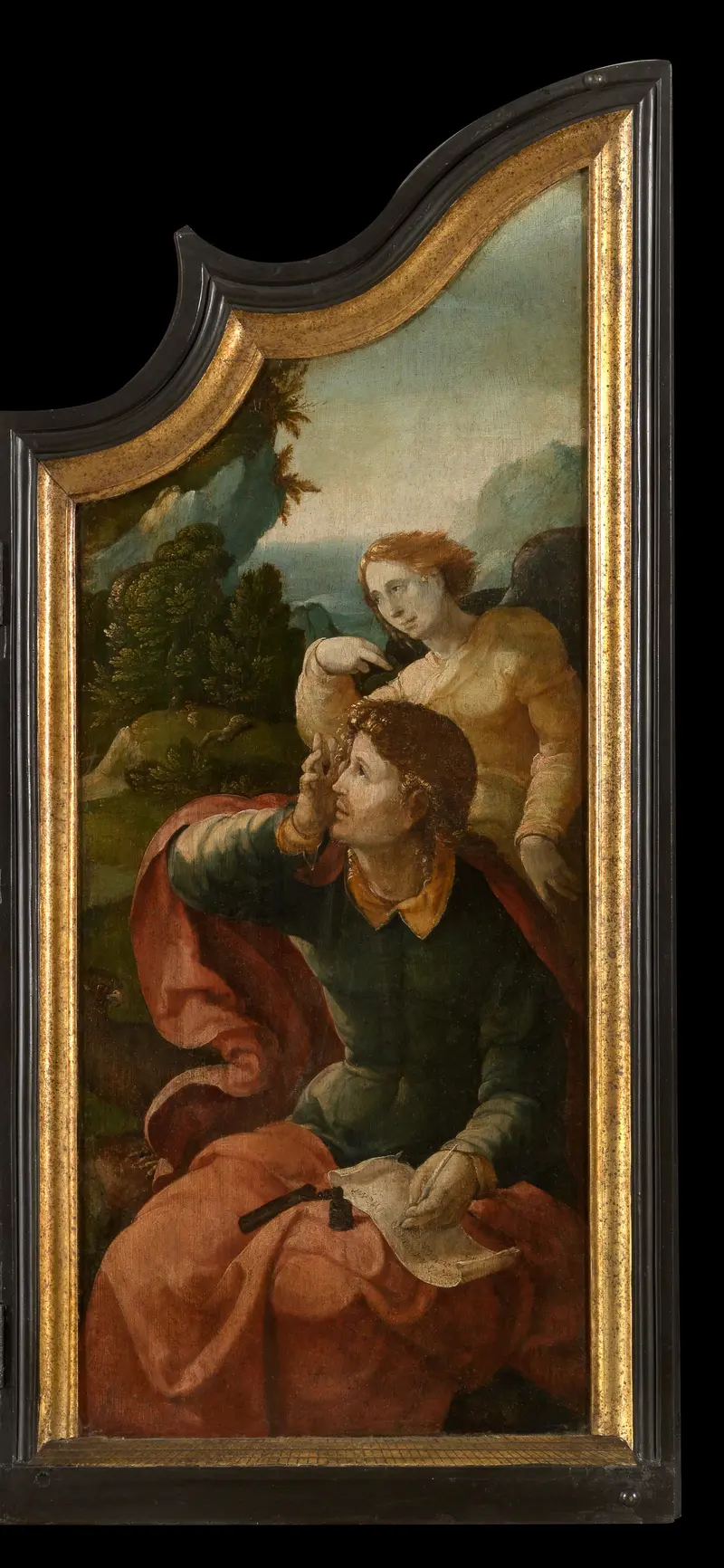
Saint John on Patmos
Aertgen Claesz van Leyden
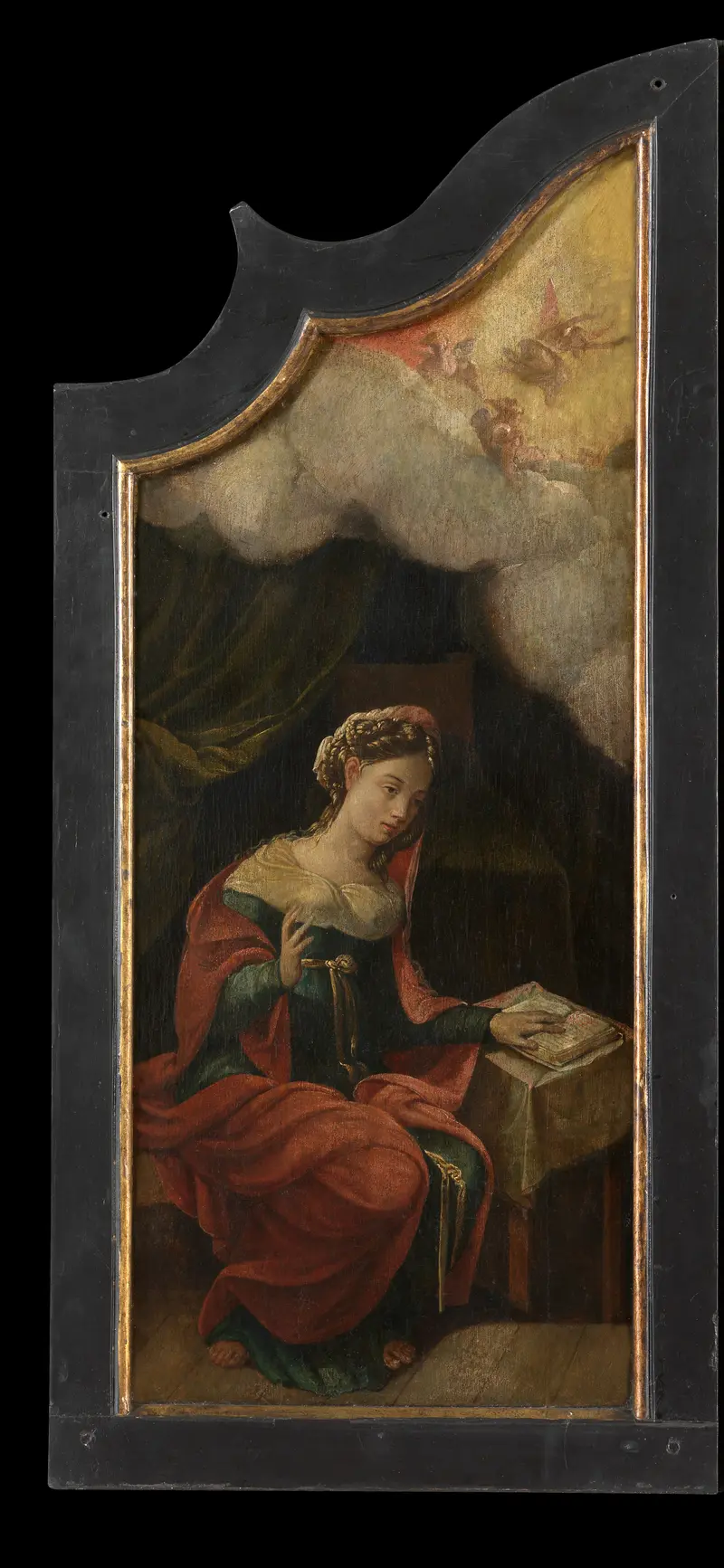
Maria
Aertgen Claesz van Leyden
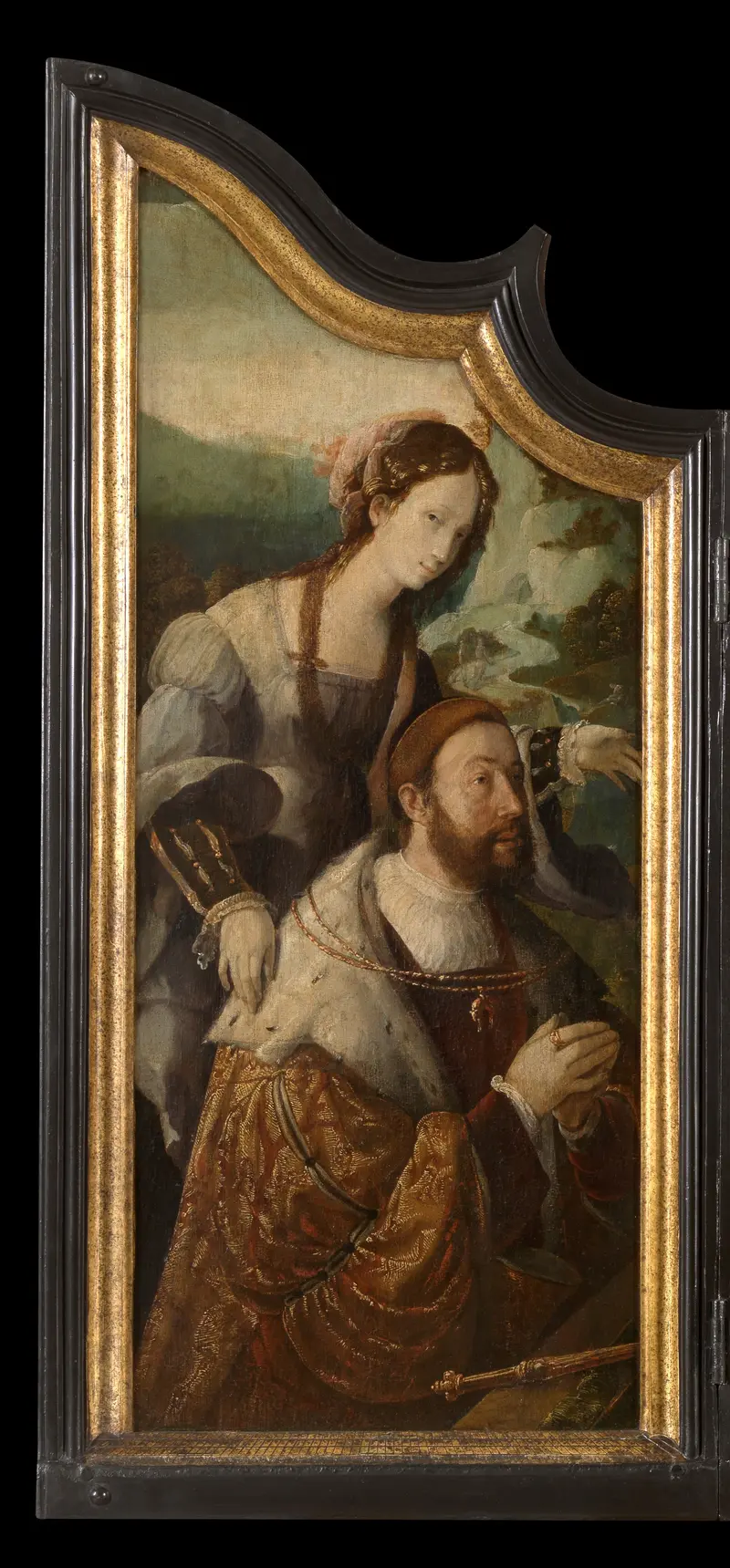
Count Henry III of Nassau with the Tiburtine sibille
Aertgen Claesz van Leyden





