
Triptych of Immaculate Conception — History & Facts
What first catches the eye in Triptych of Immaculate Conception is the dense tapestry of symbols that seem to hover in a world suspended between earth and heaven. At the heart of the central panel, a young woman stands in serene prayer, her blue cloak scattered with golden stars, her feet barely touching the ground as if she herself is an apparition. The surrounding clouds, bursting with flowers, castles, and mysterious objects, are not mere decoration but a coded language: lilies for purity, roses for love, enclosed gardens and sealed wells for untouched virtue.
Above her, a figure in papal regalia gazes down, blessing the scene, while below, a city sprawls in miniature, its gates and towers echoing the fortresses of faith. This triptych, painted in 1530 by Adriaen Isenbrant, belongs to a tradition that flourished in the Low Countries, where artists wove theological ideas into intricate visual puzzles. Such altarpieces were often commissioned by wealthy patrons—perhaps the kneeling donors depicted on the wings—seeking both spiritual merit and social prestige. The panels would have stood in a private chapel or a side altar, inviting viewers to meditate on the mysteries of the Immaculate Conception at a time when the doctrine was still fiercely debated.
History has kept few traces of this specific work’s journey, but its presence in the cyfrowe.mnw.art.pl collection today allows us to step into a world where faith was articulated through paint, gold, and the language of dreams. Every symbol here rewards a second look.
More Artworks by Adriaen Isenbrant
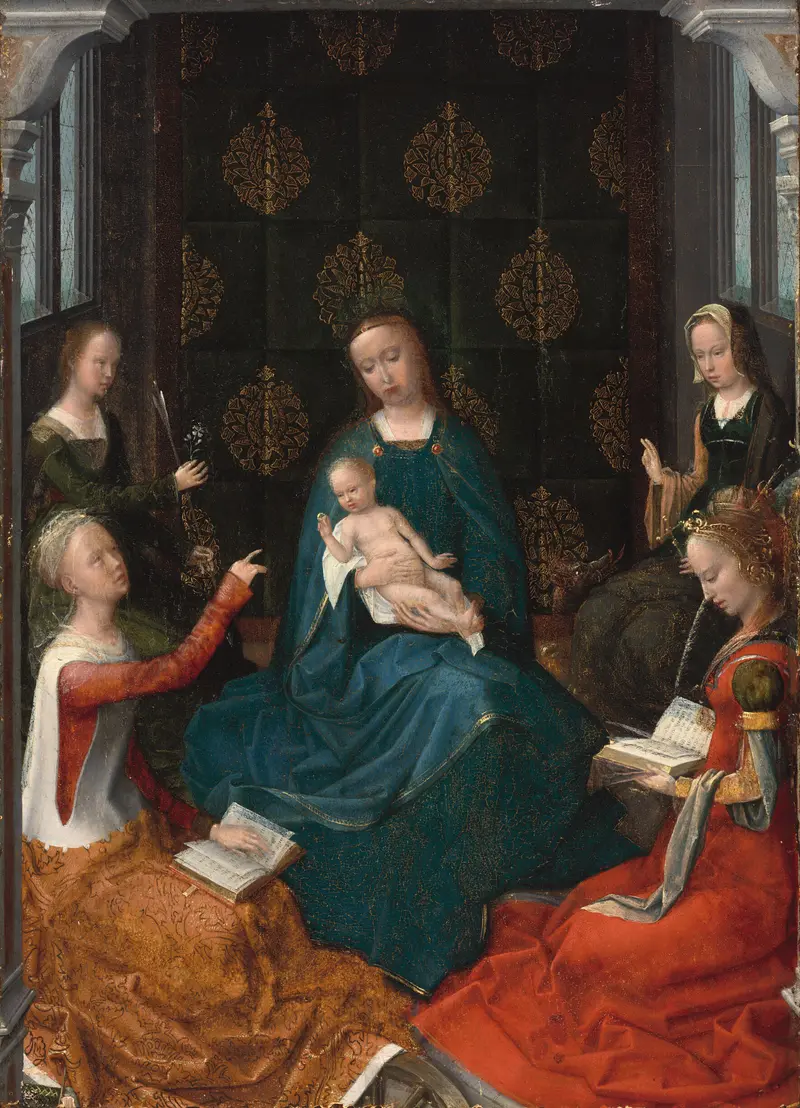
The Mystic Marriage of Saint Catherine of Alexandria with Three Female Saints: Ursula, Margaret of Antioch, and an Unidentified Martyr
Adriaen Isenbrant
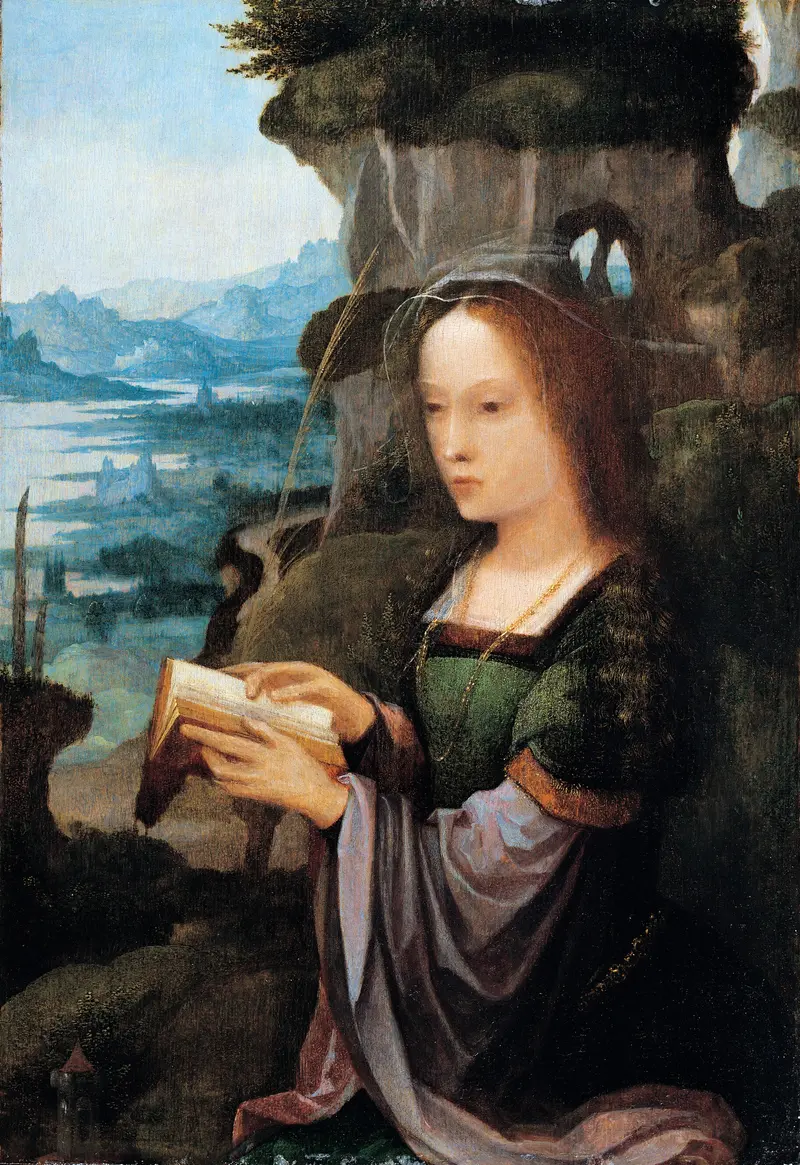
Saint Barbara
Adriaen Isenbrant
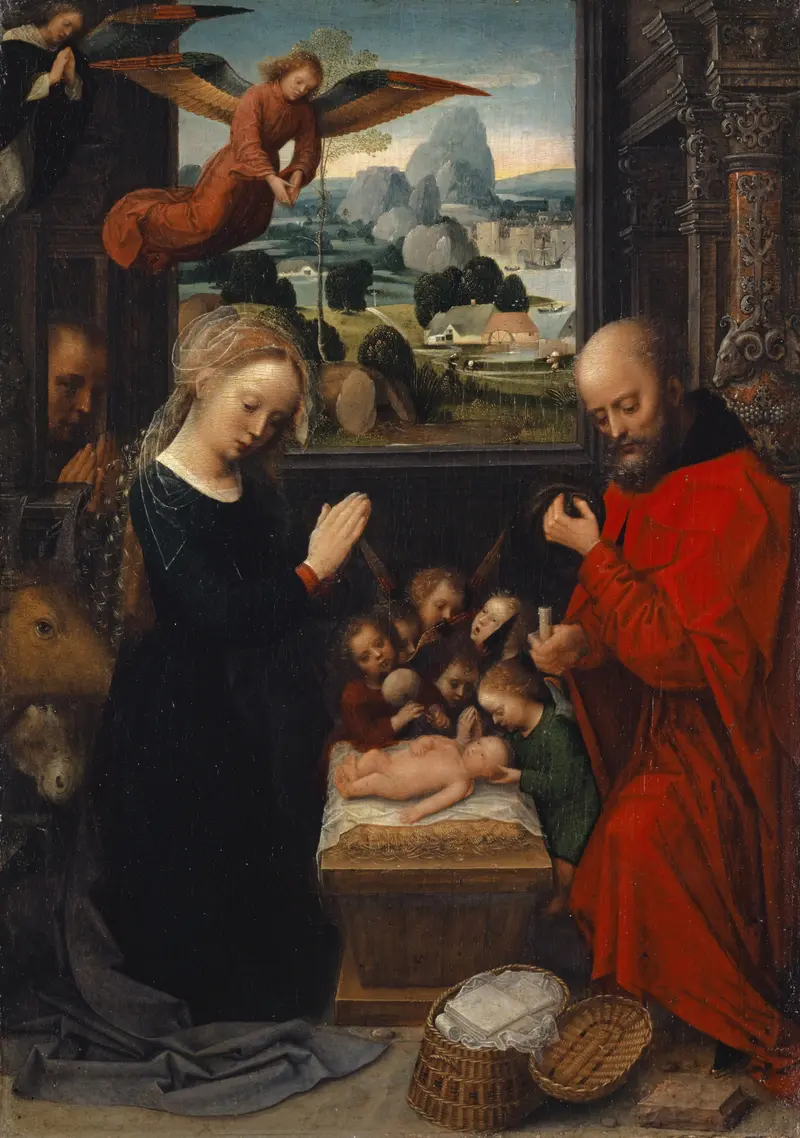
The Nativity
Adriaen Isenbrant
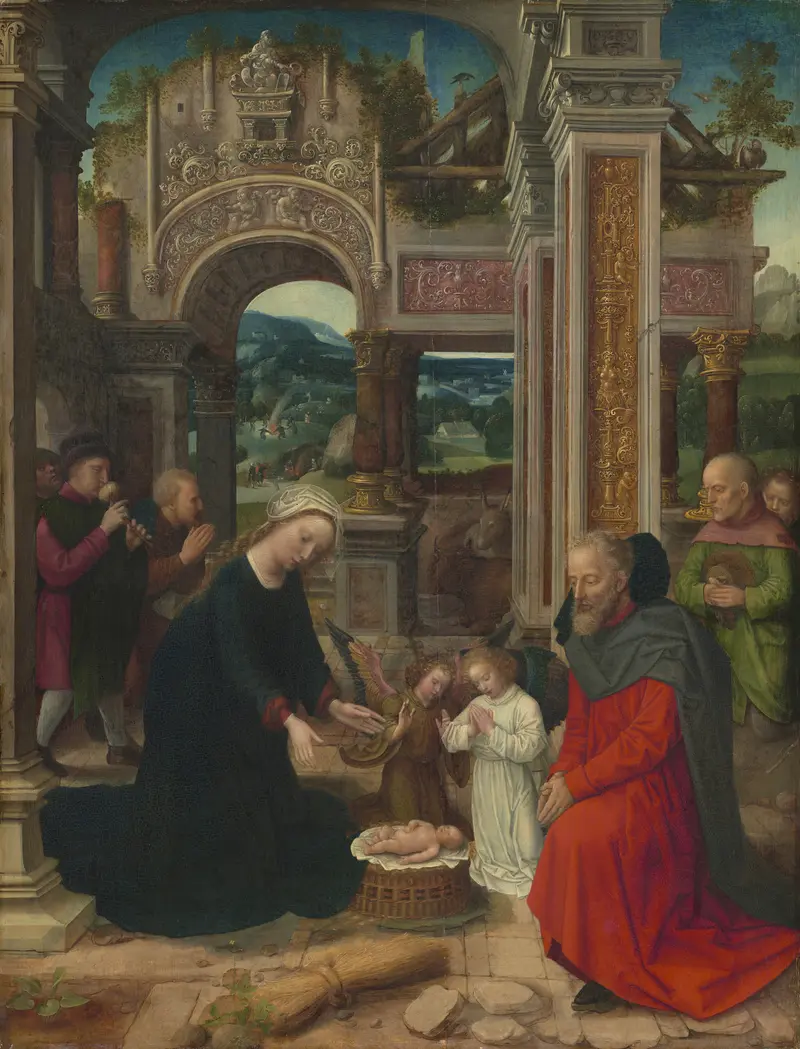
The Adoration of the Shepherds
Adriaen Isenbrant
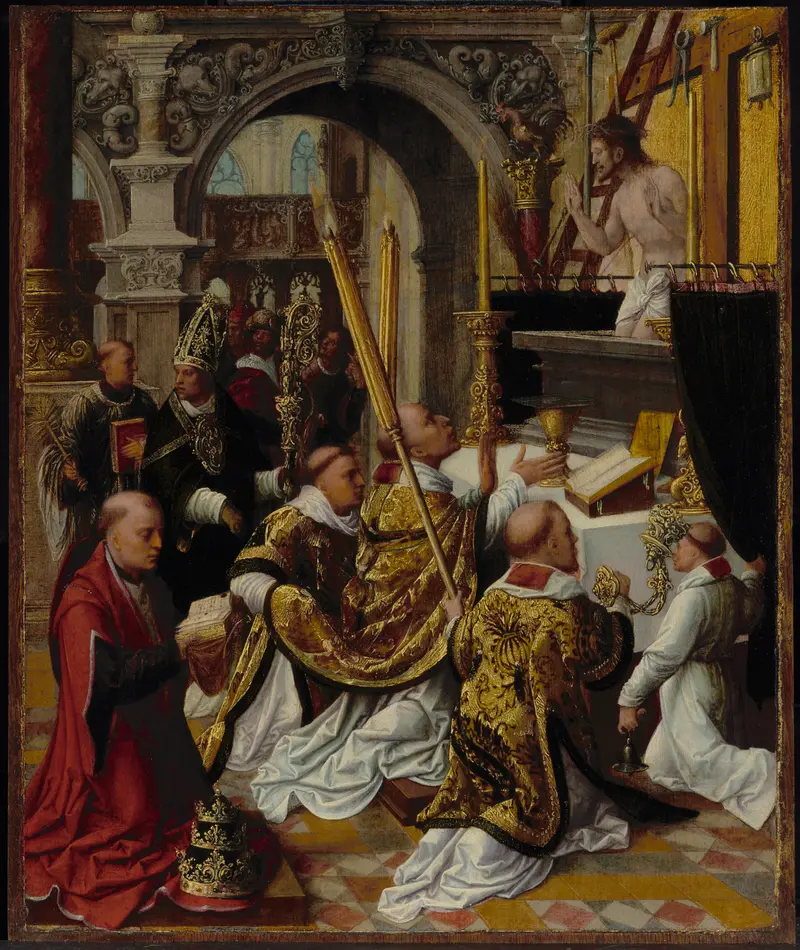
The Mass of Saint Gregory the Great
Adriaen Isenbrant
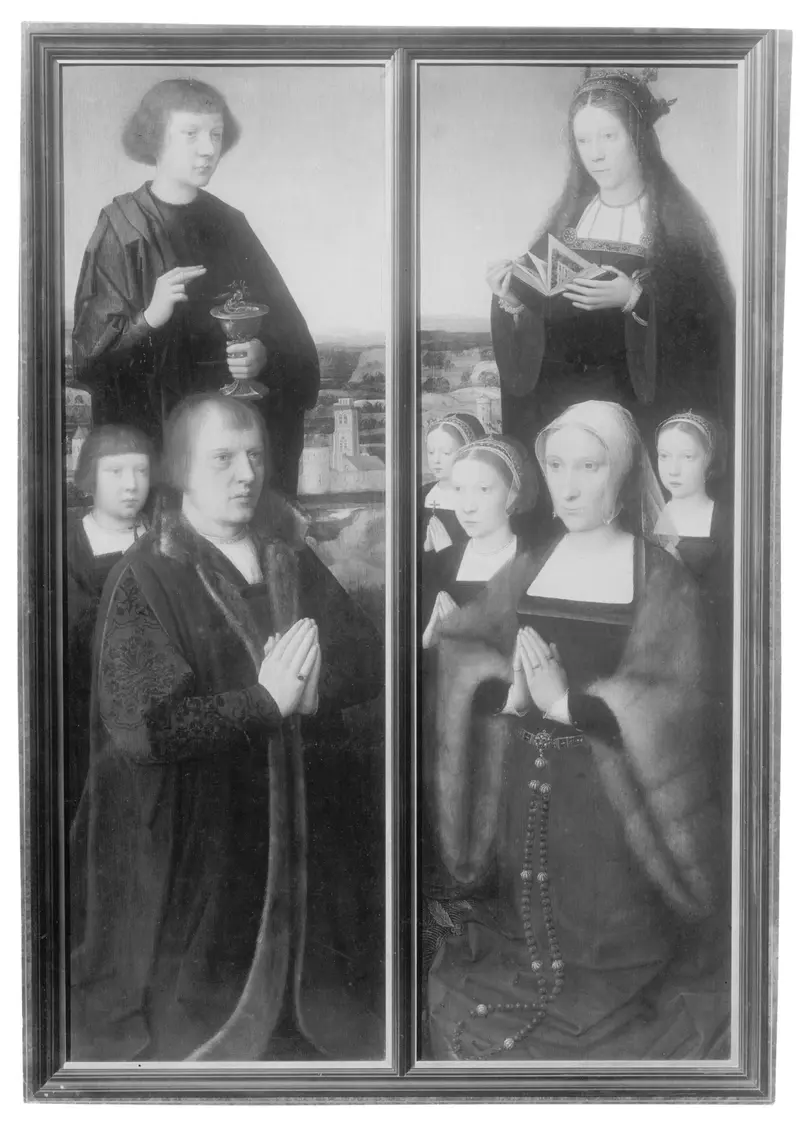
Wings of a polyptych with donors -Man with son and Saint, Woman with daughters and Saint (burned)
Adriaen Isenbrant
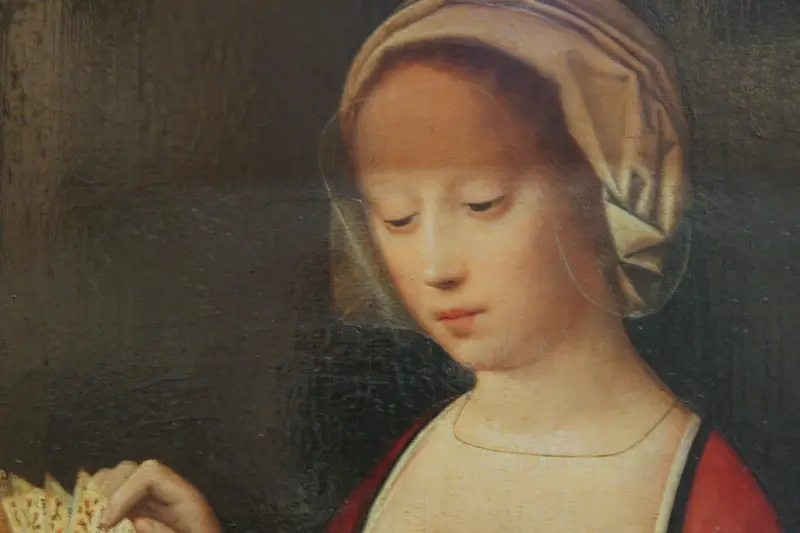
Mary Magdalene Reading
Adriaen Isenbrant
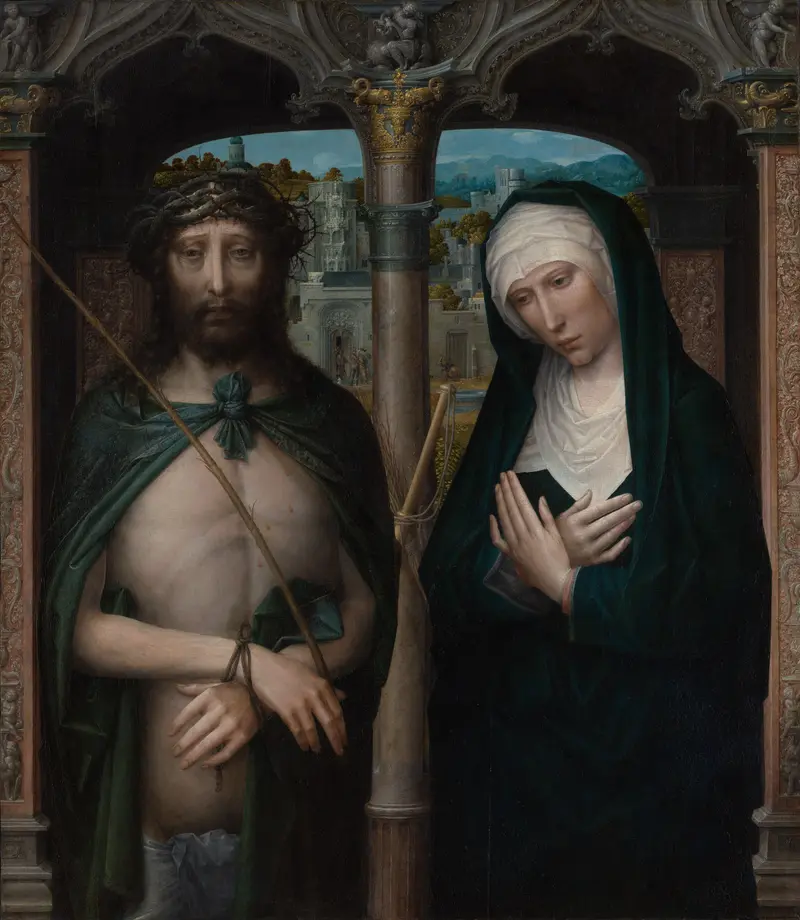
Christ Crowned with Thorns (Ecce Homo), and the Mourning Virgin
Adriaen Isenbrant
Madonna and Child
Adriaen Isenbrant
The 12-Year-Old Jesus in the Temple
Adriaen Isenbrant





